Your desk is more than a work surface—it's a reflection of your style and a tool for productivity. Among the many choices you'll make when curating your workspace, the material of your desk accessories plays a pivotal role. Wooden and metal are two of the most popular options, each offering distinct benefits in terms of look, feel, and function. Whether you're drawn to the warmth of walnut or the sleek precision of steel, understanding the trade-offs can help you build a desk that inspires you every day.
In this comparison, we'll explore the key differences between wooden and metal desk accessories. We'll look at aesthetics, durability, maintenance, environmental impact, and how each material affects your daily workflow. By the end, you'll have a clear picture of which material suits your personal taste and practical needs.
Aesthetics: Warmth and Natural Grain vs Sleek and Modern
Wooden desk accessories bring a sense of warmth and organic beauty to any workspace. Each piece is unique, with natural grain patterns that add character and depth. Walnut, oak, and bamboo are common choices, each offering a different tone—from rich, dark browns to light, airy hues. Wood pairs beautifully with plants, leather, and neutral tones, making it a favorite for those seeking a cozy, timeless desk setup.
Metal accessories, on the other hand, exude a clean, modern, and often minimalist vibe. Brushed steel, aluminum, and brass finishes create a polished, professional look that fits perfectly in contemporary or industrial-themed offices. Metal can feel cooler and more precise, which appeals to those who prefer a streamlined, clutter-free aesthetic. For a balanced approach, consider mixing a wooden desk organizer with a metal lamp or pen holder.
- Wooden accessories often develop a patina over time, adding to their charm.
- Metal finishes like matte black or brushed brass resist fingerprints and stay looking sharp.
- Combining both materials can create a visually dynamic and personalized workspace.
Durability and Longevity: Which Material Lasts Longer?
When it comes to durability, both wood and metal have their strengths. High-quality wooden desk accessories, especially those made from hardwoods like walnut, can last for decades if properly cared for. Wood is naturally shock-absorbent and less likely to dent than metal, but it can be susceptible to scratches, water damage, and warping in humid conditions. A well-crafted wooden piece, such as the Modular Oak Desk Box, offers both storage and resilience, making it a lasting addition to your desk.
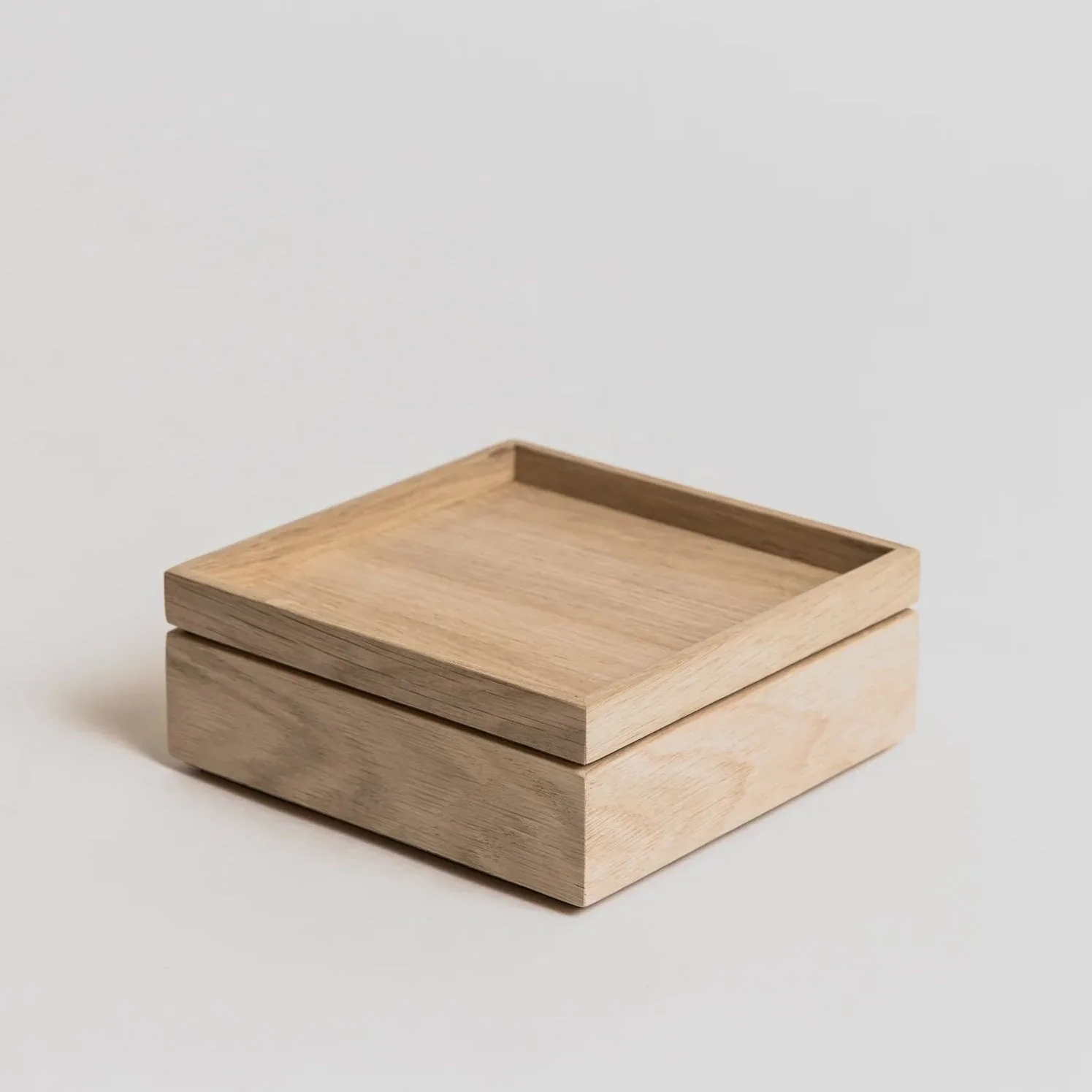
Modular Oak Desk Box
Metal accessories are generally more resistant to physical impacts and environmental changes. They won't warp or absorb moisture, and they're easy to wipe clean. However, metal can scratch and show wear over time, especially if the finish is thin. Powder-coated or anodized finishes improve longevity. For heavy-use items like a ClampTape Dispenser, metal provides the stability and weight needed for effortless one-handed operation.
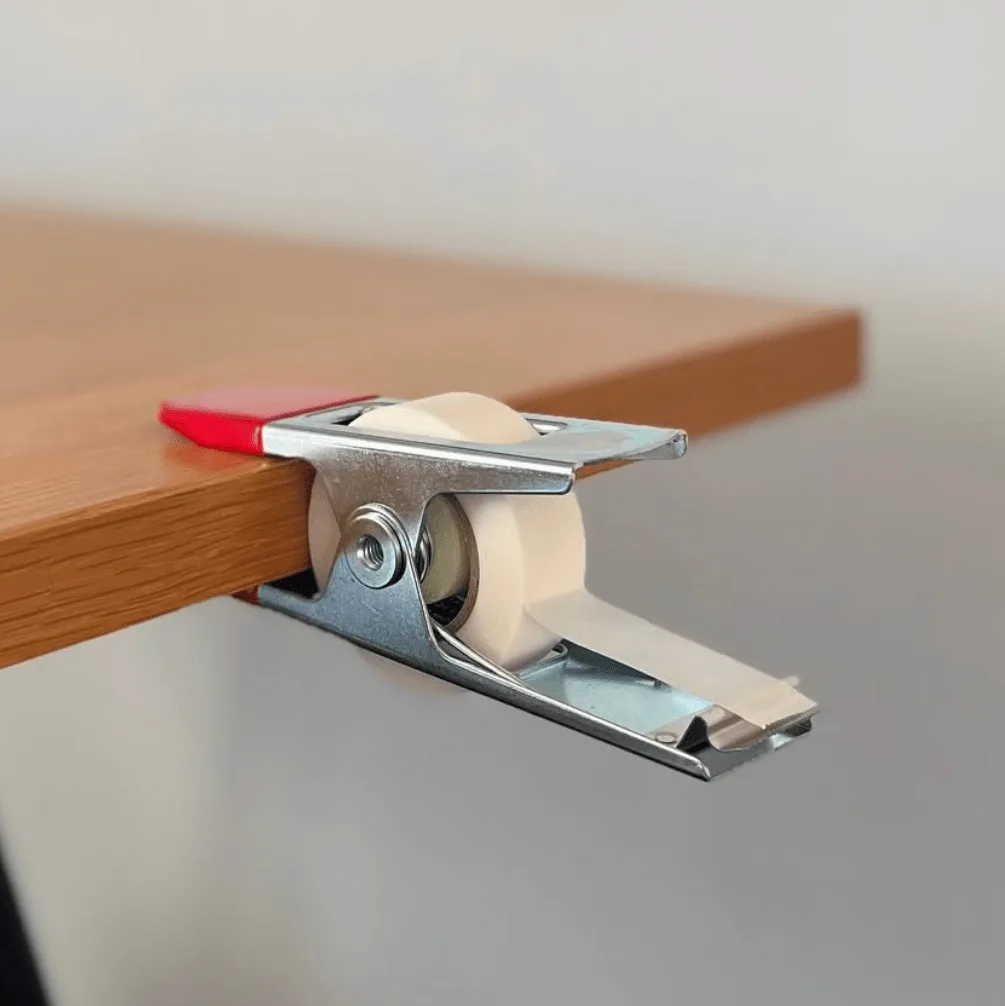
ClampTape Dispenser
- Wood requires occasional oiling or waxing to maintain its finish.
- Metal is low-maintenance but may need touch-up paint if chipped.
- Both materials can last a lifetime with proper care.
Maintenance and Care: Keeping Your Accessories in Prime Condition
Wooden desk accessories demand a bit more attention than their metal counterparts. Dust and direct sunlight can fade the finish, so it's best to keep them away from windows and use a soft, dry cloth for cleaning. Spills should be wiped immediately to prevent staining. Applying a natural wood conditioner every few months will help preserve the luster and prevent drying or cracking.
Metal accessories are far easier to maintain. A quick wipe with a damp cloth and mild soap is usually enough to remove dust and smudges. Avoid abrasive cleaners that can scratch the surface. For items like the Grandmont St. Stoneware Match Strike and Tray, which combine ceramic and metal elements, simply dusting regularly will keep them looking new. Metal's low-maintenance nature makes it ideal for high-traffic desks or shared workspaces.
- Use coasters or felt pads under wooden accessories to prevent moisture rings.
- For metal, avoid soaking; a damp cloth is sufficient.
- Both materials benefit from regular dusting to prevent buildup.
Environmental Impact and Sustainability
Wood is a renewable resource, especially when sourced from sustainably managed forests. Many wooden desk accessories are crafted from reclaimed or FSC-certified wood, making them an eco-friendly choice. Wood also has a lower carbon footprint than metal during production, as it requires less energy to process. However, the use of varnishes and adhesives can introduce chemicals, so look for natural finishes when possible.
Metal production is more energy-intensive, often involving mining and smelting, which can have a higher environmental impact. That said, metals like aluminum and steel are highly recyclable, and many metal accessories are made from recycled materials. Choosing high-quality metal pieces that last a long time can offset their initial environmental cost. For the eco-conscious buyer, both materials offer sustainable options depending on sourcing and manufacturing practices.
- Look for FSC-certified wood or recycled metal content.
- Buying durable, timeless pieces reduces waste over time.
- Second-hand and vintage accessories are also great sustainable choices.
Weight, Stability, and Everyday Usability
Wooden desk accessories tend to be lighter than metal, which can be an advantage if you rearrange your desk often. However, lighter weight may mean less stability for items like pen holders or document trays. Solid wood pieces, such as the Modular Oak Desk Box, offer a good balance of heft and portability, staying put during use while being easy to move when needed.
Metal accessories are generally heavier and more stable, which is beneficial for functional items that require a firm base. A metal pen cup or tape dispenser won't slide around when you reach for a tool. The ClampTape Dispenser, for example, uses a weighted metal base to ensure smooth, one-handed tape dispensing. This stability can make a noticeable difference in your daily workflow, especially if you work quickly.
- Consider the weight of accessories when choosing a desk with a glass top.
- Heavier metal items are less likely to tip over during use.
- Wood offers a softer, warmer tactile experience that many users prefer.
Cost and Value: What's the Investment?
Wooden desk accessories often come with a higher price tag, especially when made from premium hardwoods like walnut or teak. The craftsmanship involved in shaping, sanding, and finishing wood adds to the cost. However, these pieces can become heirloom items that retain their beauty and function for years, making them a worthwhile investment for those who value natural materials and timeless design.
Metal accessories can range from affordable to high-end, depending on the metal and finish. Steel and aluminum options are generally budget-friendly, while brass or copper pieces may cost more. Metal accessories offer excellent durability for the price, and their modern aesthetic appeals to many. For a versatile planning tool that combines both materials, consider the To Do, To Be: Weekly Undated Planner, which pairs a metal binder with paper inserts for a sleek, functional planning system.
- Set a budget and prioritize the pieces you use most often.
- Investing in one high-quality item can elevate your entire desk setup.
- Both materials offer options at various price points.
Choosing between wooden and metal desk accessories ultimately comes down to your personal style, workflow, and maintenance preferences. Wood brings warmth, uniqueness, and a natural feel, while metal offers modern aesthetics, durability, and ease of care. For a truly personalized workspace, don't be afraid to mix both materials—pair a walnut desk box with a metal lamp or a stoneware tray. Explore our full collection of desk accessories to find the perfect pieces that reflect your taste and support your productivity.