Choosing the right table for your child is a big decision. Whether you're setting up a playroom, a Montessori-inspired learning space, or a cozy corner for meals and crafts, the material of the table matters. Wooden kids tables have long been favored for their sturdiness and natural look, while plastic tables offer affordability and easy cleanup. But which one truly serves your child's development and your home's aesthetic?
In this guide, we'll break down the pros and cons of wooden versus plastic kids tables. We'll consider durability, safety, ease of maintenance, and how each material fits into a child-friendly environment. By the end, you'll have a clear picture to help you choose the best kids table material for your family.
Durability and Longevity: Wood vs. Plastic
When it comes to long-term use, wooden kids tables typically outshine plastic. A well-crafted wooden table can withstand years of active play, drawing, and even the occasional bump or spill. Solid wood, especially hardwoods like birch or maple, resists scratches and dents better than most plastics. Over time, wood can be sanded and refinished, giving it a second life for a younger sibling or a new purpose in your home.
Plastic tables, on the other hand, are lighter and more prone to cracking, warping, or fading under direct sunlight. While they are often cheaper upfront, they may need replacement sooner. If you're looking for a table that can grow with your child and last through multiple stages, a wooden option is the more sustainable investment.
- Wooden tables can be refinished to extend their lifespan, while plastic tables are typically single-use.
Safety and Health Considerations
Safety is a top priority for any children's furniture. Wooden tables, especially those made from solid wood with non-toxic finishes, are generally safer than plastic. Many plastic tables contain chemicals like BPA, phthalates, or PVC that can off-gas over time, especially when exposed to heat or sunlight. Wood is a natural, breathable material that doesn't release harmful fumes.
Additionally, wooden tables are heavier and less likely to tip over when a child leans on them. Their rounded edges and smooth surfaces reduce the risk of injury. For families following Montessori principles, which emphasize natural materials and child-safe design, a wooden kids table is the preferred choice.
- Look for tables finished with water-based, non-toxic paints or oils to ensure safety.
Maintenance and Cleanup: Which Is Easier?
Plastic tables win in the easy-clean category. A quick wipe with a damp cloth or a mild cleaner removes crayon marks, glue, and food spills. They are also lighter, making them easy to move for floor cleaning or outdoor use. For families with very young children who are still mastering mealtime manners, a plastic table can be a practical choice.
Wooden tables require a bit more care. Spills should be wiped up promptly to avoid staining or water damage. However, with a good sealant or a wipe-clean finish, many wooden tables are surprisingly low-maintenance. The trade-off is that wood ages beautifully and can be sanded down if scratches appear, whereas plastic shows wear more obviously.
- For arts and crafts, a wooden table with a protective cover or mat offers the best of both worlds.
Aesthetic and Developmental Benefits
Wooden kids tables naturally blend into a home's decor. Their warm tones and organic textures create a calm, inviting atmosphere that plastic tables often lack. In a Montessori environment, wooden furniture is prized for its beauty and simplicity, helping children focus on their activities without visual clutter.
Plastic tables come in bright colors and fun shapes, which can be appealing for playrooms. However, they may overstimulate some children and clash with a more neutral design. If you value a cohesive look that transitions from toddlerhood to the teenage years, a wooden table is a timeless choice.
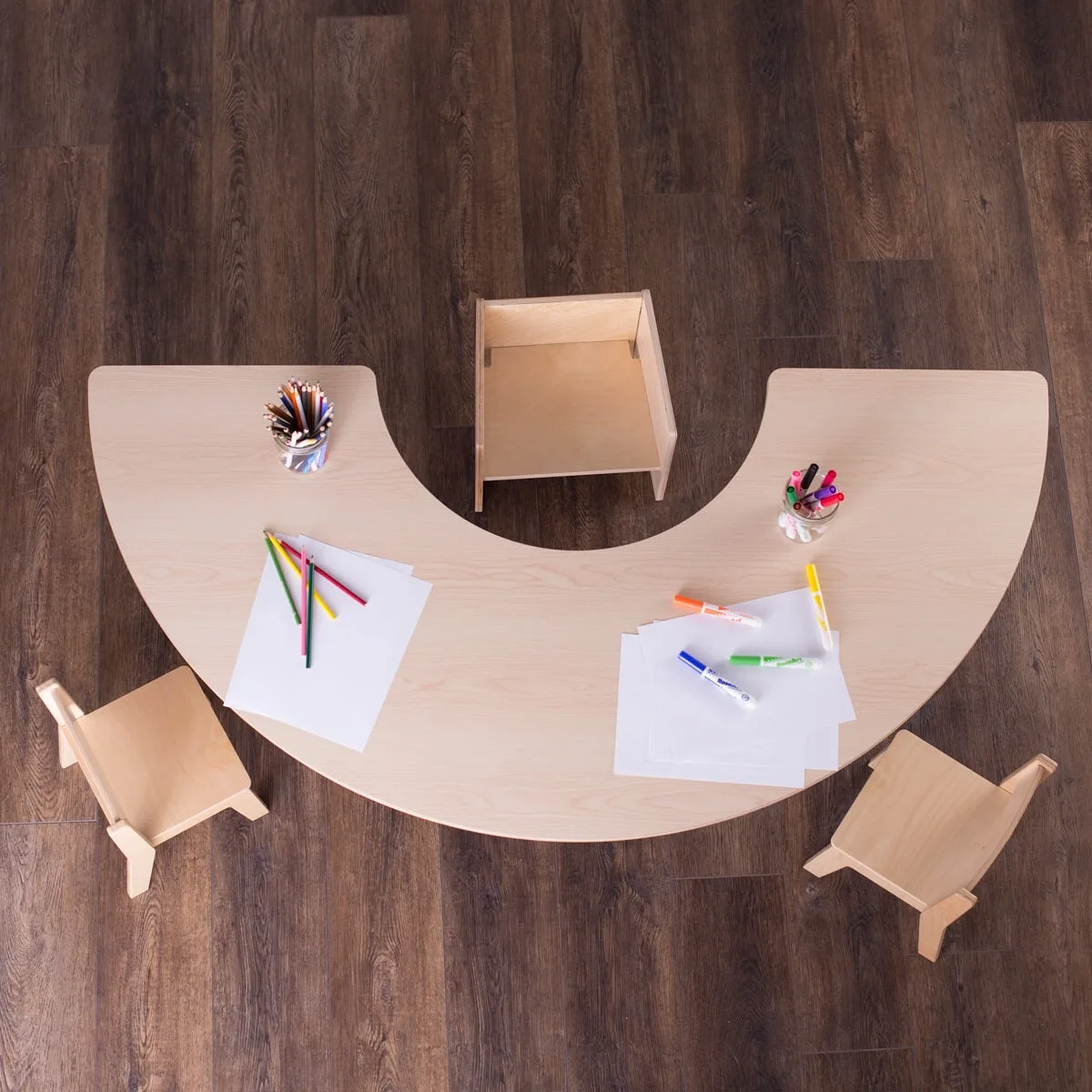
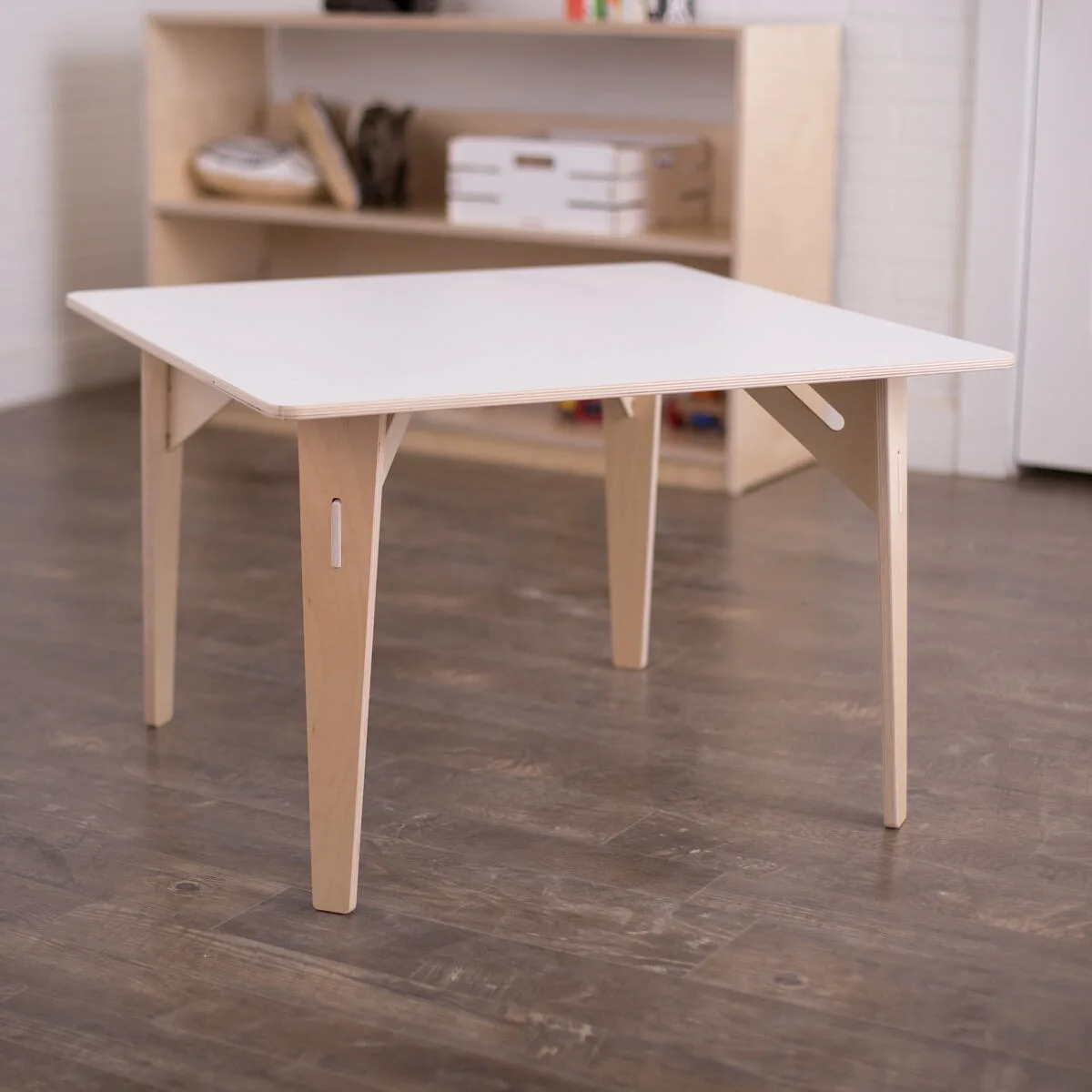
- A wooden table like the Practical Life Table offers a sturdy, elegant surface for practical life activities.
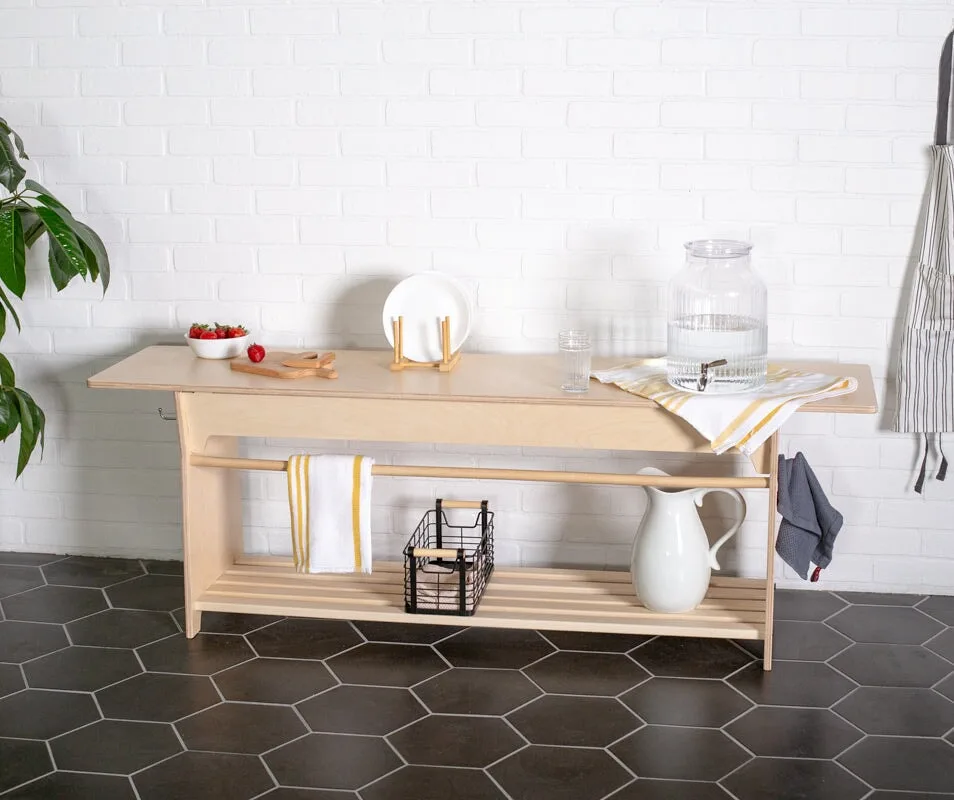
Practical Life Table
Price and Value: What You Get for Your Money
Plastic kids tables are undeniably budget-friendly. You can find a basic model for under $50, making them accessible for any family. However, consider the cost per year of use. If a plastic table lasts two to three years, you might spend more in the long run replacing it.
Wooden tables cost more upfront, often ranging from $100 to $300 or more. But their durability means they can serve one child for a decade or be passed down. Additionally, a high-quality wooden table retains resale value. For families who prioritize sustainability and heirloom-quality furniture, a wooden kids table is a wise investment.
- Pair your table with Wooden Kids Stools for a complete, sturdy seating solution.
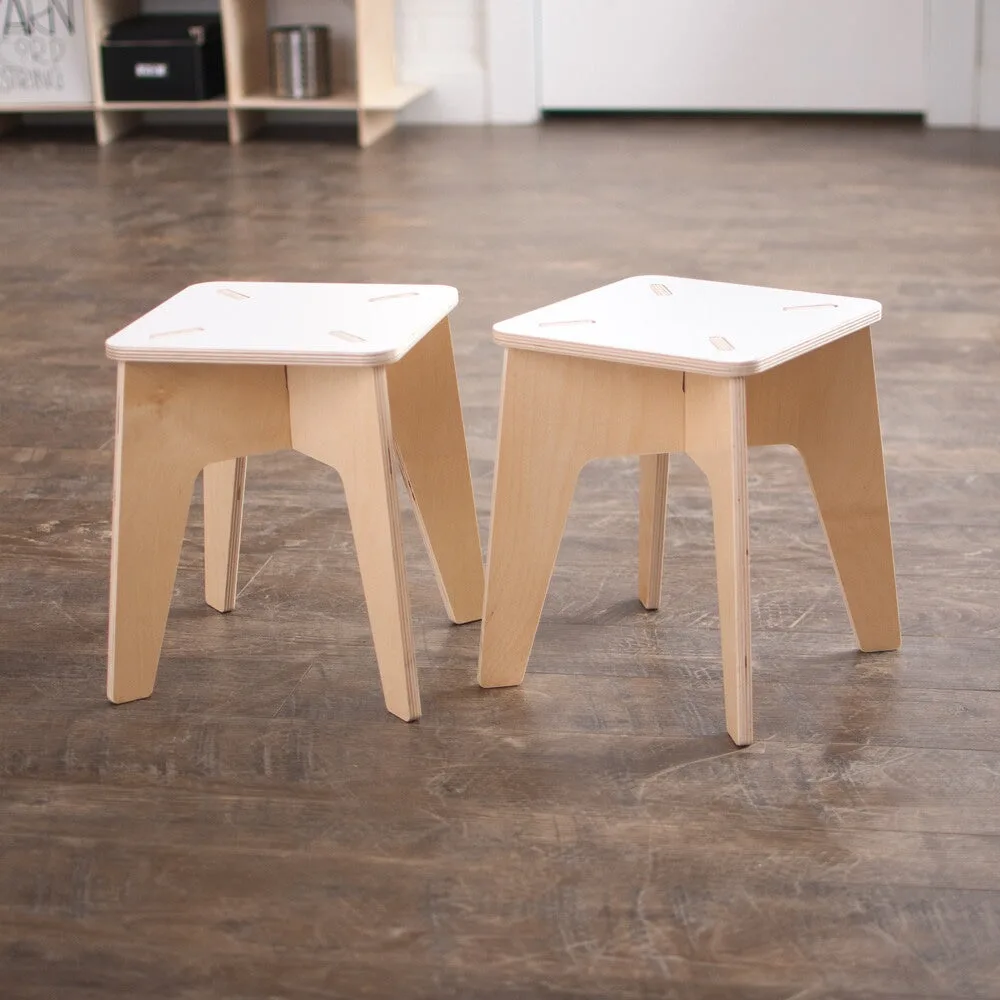
Wooden Kids Stools
How to Choose the Right Kids Table for Your Home
Start by considering your child's age and primary use. For a toddler just learning to sit at a table for meals, a plastic table might be fine. But for a preschooler who will use the table for art, puzzles, and snacks, a wooden table offers better stability and longevity.
Next, think about your home's style and available space. Wooden tables often come in sizes that fit snugly into a playroom or bedroom corner. Plastic tables are more portable and can be moved outdoors. Finally, check the table's height and ensure it matches your child's seating needs. A table that is too high or too low can hinder proper posture and comfort.
- Measure your child's seated elbow height to find the ideal table height for independent work.
Ultimately, the best kids table material depends on your priorities. If you value durability, safety, and timeless design, a wooden table is the clear winner. For budget-conscious families or those needing a lightweight, easy-to-clean option, plastic can work in the short term. Whichever you choose, ensure it fits your child's size and activities. Explore our collection of wooden kids tables to find a piece that will support your child's independence and creativity for years to come.