The real split: group game or solo puzzle
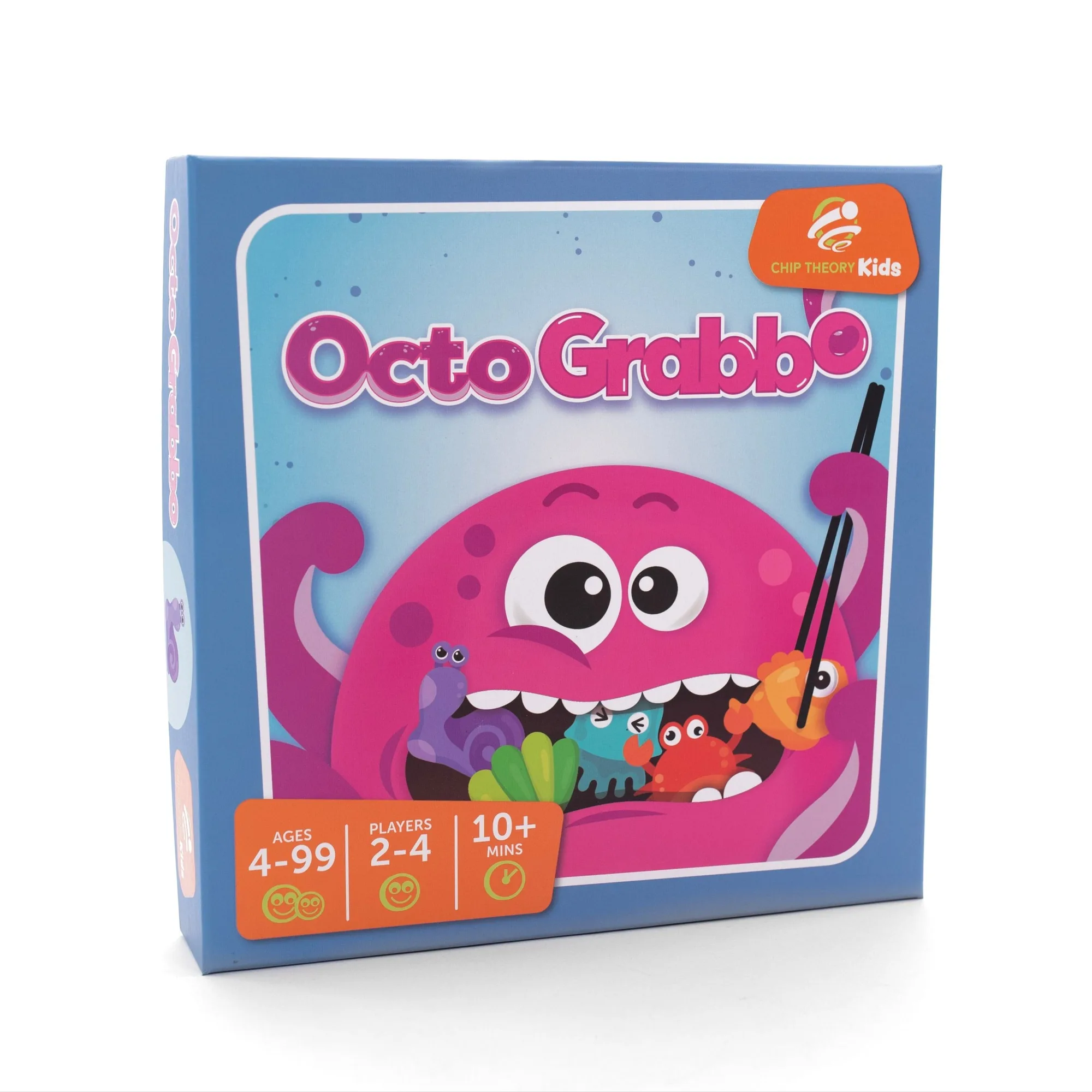
Woodland Rush and OctoGrabbo are group games for 2–4 players, while Sudoku Forest is a solo game. That single difference matters more than theme or price when you are choosing for a family. If you want a game that brings everyone to the table, start with Woodland Rush or OctoGrabbo. If you want a quiet activity a child can play alone, Sudoku Forest is the fit.
All three are listed for ages up to 99, but their minimum ages differ: Sudoku Forest from 3, OctoGrabbo from 4, and Woodland Rush from 5. Play times are also short: roughly 10 minutes for Sudoku Forest and OctoGrabbo, and roughly 15 minutes for Woodland Rush.
Player count, age, and play time at a glance
-
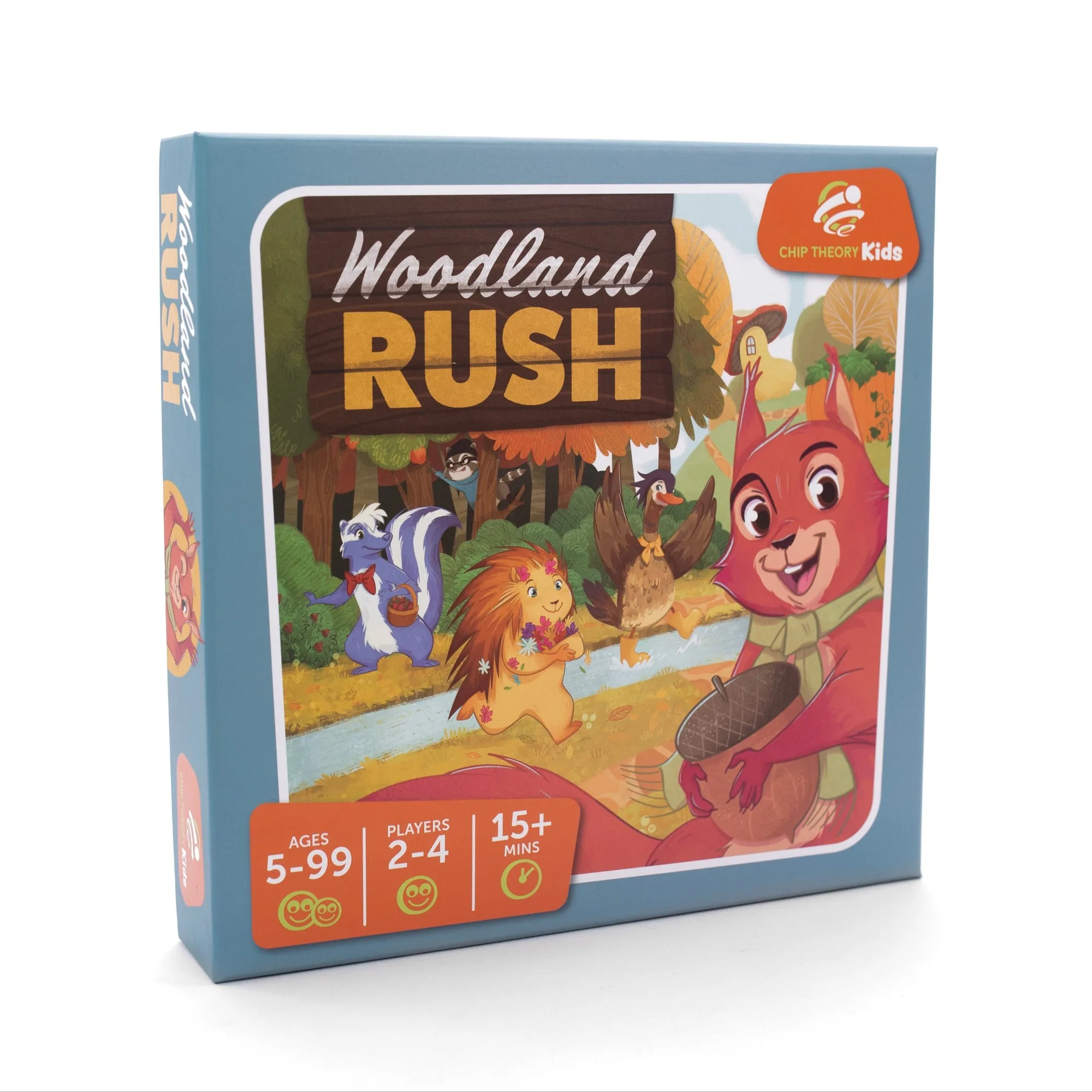
Woodland Rush: Woodland Rush is for 2–4 players, plays in roughly 15 minutes, and is appropriate for players as young as 5 and as old as 99. It is the group game with the highest minimum age in this set, so it suits families with school-age children.
Woodland Rush
-
Sudoku Forest: Sudoku Forest is a solo game that plays in roughly 10 minutes and is appropriate for players as young as 3 and as old as 99. It is the only solo option here and the youngest entry age, which makes it a good independent-play choice.
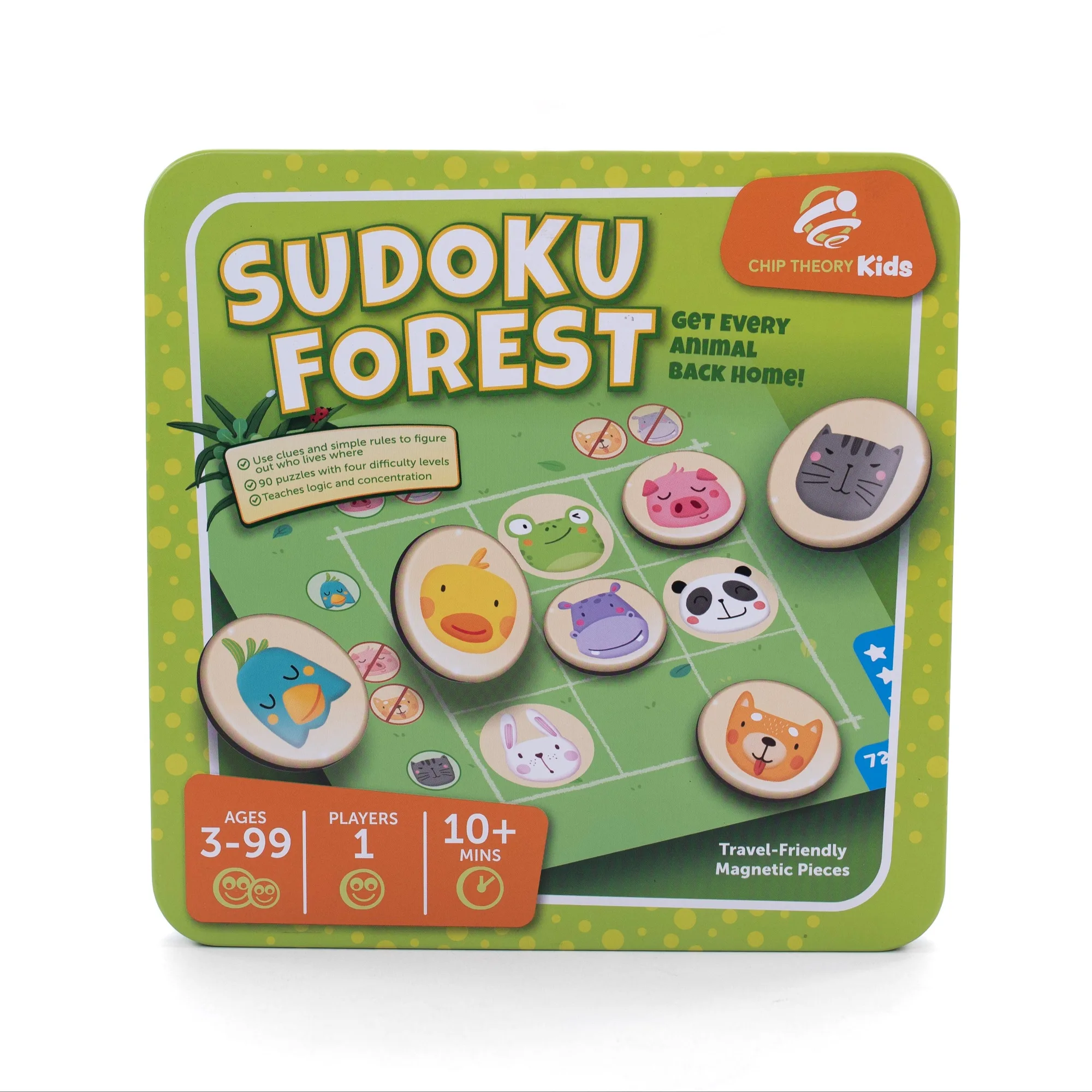
Sudoku Forest
-
OctoGrabbo: OctoGrabbo is for 2–4 players, plays in roughly 10 minutes, and is appropriate for players as young as 4 and as old as 99. It is the shortest group game and sits between the other two on minimum age.
Woodland Rush: a timed group race
Woodland Rush is a race-day game with Scamper the Squirrel, Dash the Duck, Streak the Skunk, and Pronto the Porcupine. On a turn, everyone shouts “Scamper, Dash, Streak, Pronto!”, then players draw cards and perform the activity shown, gaining and sometimes losing leaves until the sand timer runs out. The player with the most leaves at the end wins.
The supplied rules include one practical adjustment: if you want to give players more time during their turn, allow them to flip the sand timer a second time before the turn ends. That is useful for younger players or a first play. Watch for the “Hide-and-Seek” activity, because all players participate in that one.
Woodland Rush evidence for group play
- Woodland Rush: On their turn, after everyone shouts “Scamper, Dash, Streak, Pronto!”, players draw cards and perform the activity shown, gaining and sometimes losing leaves until the sand timer runs out. The shared shout and timed card activities explain why this is a lively group game rather than a solo puzzle.
- Woodland Rush: If you want to give players more time during their turn, allow them to flip the sand timer a second time before their turn ends. This is the only supplied rule adjustment, and it helps you tailor the pace for younger or newer players.
Sudoku Forest: animal logic for one player
Sudoku Forest adapts sudoku for kids by substituting animals for numbers. Each puzzle shows which animals must go in certain rows and columns and which animals cannot go there. The player arranges the forest critters until all placement restrictions are met and the animals are back home.
The challenges range from 1-star to 4-stars, so the same game can grow with a child. Because it is solo and plays in roughly 10 minutes, it works well as a quiet independent activity. The supplied information does not detail a setup procedure beyond selecting a puzzle and arranging the animals, so treat the puzzle card as your guide.
Sudoku Forest evidence for solo play
- Sudoku Forest: Each puzzle shows which animals must go in certain rows and columns, and which animals can't go there. The clues are the whole game, which is why it works as a self-contained solo puzzle.
- Sudoku Forest: This is part of the Independent Play collection, and players can challenge themselves with puzzles ranging from 1-star to 4-stars. The star range gives you a difficulty ladder rather than a single fixed challenge.
OctoGrabbo: chopsticks, dice, and a shark
OctoGrabbo asks players to help an octopus named Grabbo collect every kind of food. In the basic game, players take turns rolling a die and performing an action: using chopsticks to pick up food from the ocean, returning food from their bowl (watch out for the shark!), or sneaking food from another player’s shell. The first to help Grabbo collect every kind of food wins.
When the basic game feels too easy, the TurboGrabbo rules add an ultra-fast adventure. The supplied information does not describe a separate setup sequence, so plan on reading the included rules before your first game.
OctoGrabbo evidence for dexterity and pace
- OctoGrabbo: In a basic game of OctoGrabbo, players will take turns rolling a die and performing an action. The die-driven turns make it easy to teach and quick to play with mixed ages.
- OctoGrabbo: They’ll be using chopsticks to pick up food from the ocean, returning food from their bowl (watch out for the shark!), or sneaking some food from another player’s shell. The chopstick actions add a physical challenge that distinguishes it from the other two games.
Which game fits your family situation
- You want a loud, shared race for a family with kids 5 and up: Choose Woodland Rush. It supports 2–4 players, runs about 15 minutes, and its timed card activities keep everyone involved.
- You want a quiet solo activity for a child as young as 3: Choose Sudoku Forest. It is solo, runs about 10 minutes, and offers 1-star to 4-star puzzles.
- You want a short group game with a physical challenge for kids 4 and up: Choose OctoGrabbo. It supports 2–4 players, runs about 10 minutes, and uses chopsticks to pick up food.
- You are unsure about setup details: The supplied records for Sudoku Forest and OctoGrabbo do not include full setup steps. Woodland Rush includes its turn sequence and an optional timer adjustment. In all cases, the included rules remain the authority.