Quick Answer
For a first aid kit, an emergency blanket (space blanket) is the best choice for most people because it is lightweight, compact, and affordable. However, a wool blanket offers superior warmth and durability for extended outdoor use. Choose based on your primary scenario: emergency preparedness vs. prolonged survival.
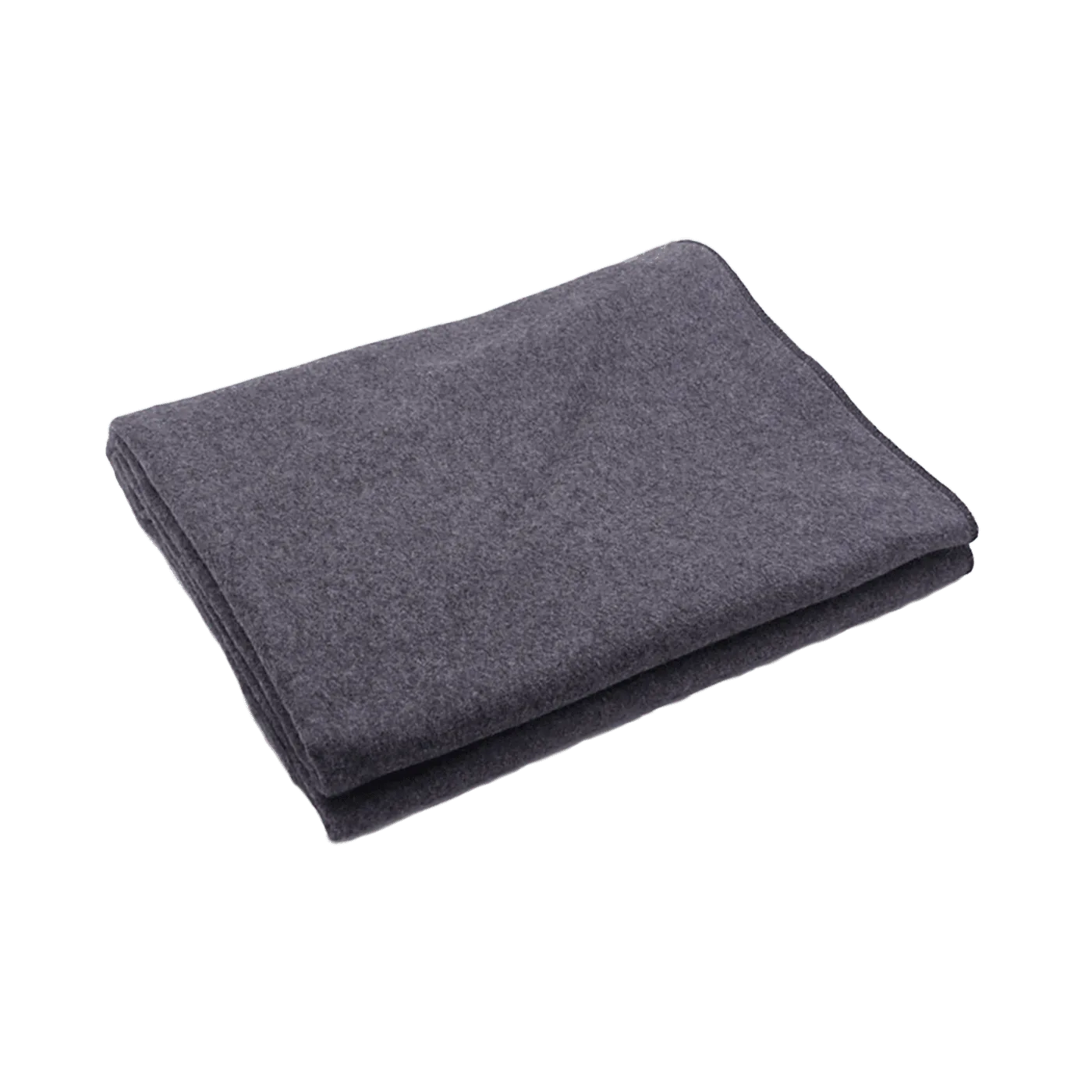
wool blanket
When assembling a first aid kit, thermal protection is often overlooked. A blanket can prevent hypothermia in emergencies, but which type should you pack? The debate between wool and emergency blankets is common among outdoor enthusiasts and preppers. Each has distinct advantages and drawbacks, and the right choice depends on your specific needs.
This comparison will help you understand the key differences between wool and emergency blankets, their pros and cons, and how they fit into a first aid kit. We'll also look at how these blankets complement comprehensive first aid solutions.
Understanding Emergency Blankets
Emergency blankets, often called space blankets, are made of reflective Mylar or similar materials. They are designed to reflect up to 90% of body heat back to the user, making them extremely effective at preventing heat loss. Their primary advantage is their compact size and light weight—they can fold down to the size of a wallet and weigh just a few ounces.
These blankets are a staple in first aid kits because they are affordable and easy to store. They are also waterproof and windproof, providing a barrier against the elements. However, they are not very durable and can tear easily. They also do not provide much insulation beyond reflecting heat, so they are best used as a temporary measure.
- Reflects up to 90% of body heat
- Ultra-compact and lightweight
- Waterproof and windproof
- Low cost (often under $5)
Understanding Wool Blankets
Wool blankets have been used for centuries for warmth and protection. Wool is a natural insulator that retains heat even when wet, making it a reliable choice in damp conditions. It is also breathable, which helps regulate body temperature and prevent overheating. Wool is highly durable and can withstand rough use, making it suitable for repeated use over time.
The main drawbacks of wool blankets are their size and weight. They are bulky and heavy, making them difficult to pack in a compact first aid kit. They also require more care, as they can shrink if washed improperly. However, for situations where long-term warmth and durability are critical, wool is unmatched.
- Insulates even when wet
- Breathable and temperature-regulating
- Highly durable and reusable
- Natural and sustainable
Key Differences at a Glance
To make an informed decision, it's helpful to compare the two side by side. The table below outlines the main differences in weight, packability, warmth, durability, and cost.
Emergency blankets excel in portability and cost, while wool blankets win in warmth and durability. Your choice should be guided by your primary use case: a compact emergency tool or a robust survival blanket.
How They Fit into a First Aid Kit
In a first aid kit, an emergency blanket is the go-to choice for most people because it takes up minimal space and can be easily added to any kit. It is ideal for short-term emergencies like a sudden rainstorm or a car breakdown. On the other hand, a wool blanket is better suited for extended outdoor activities like camping or hiking, where you may need to spend a night outdoors.
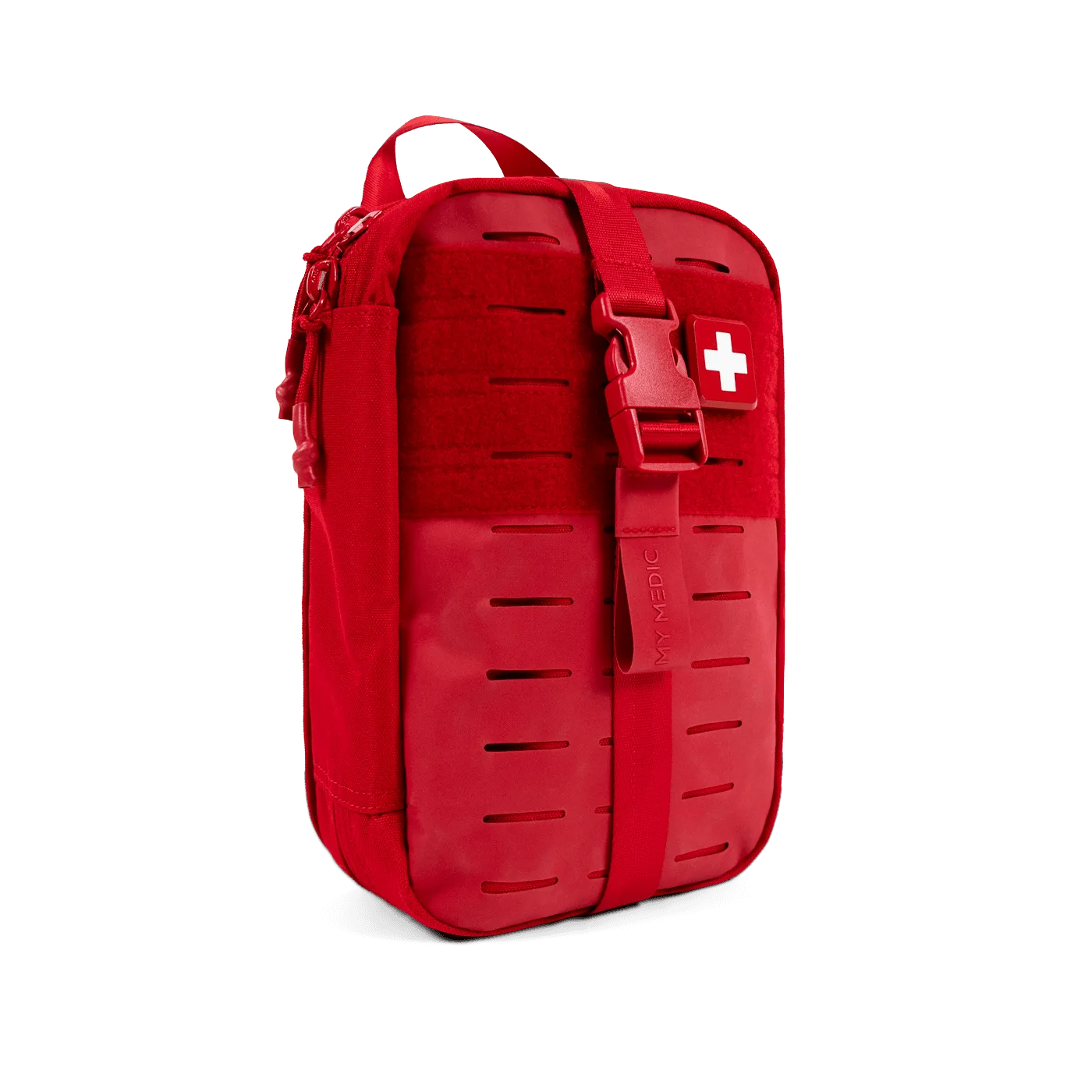
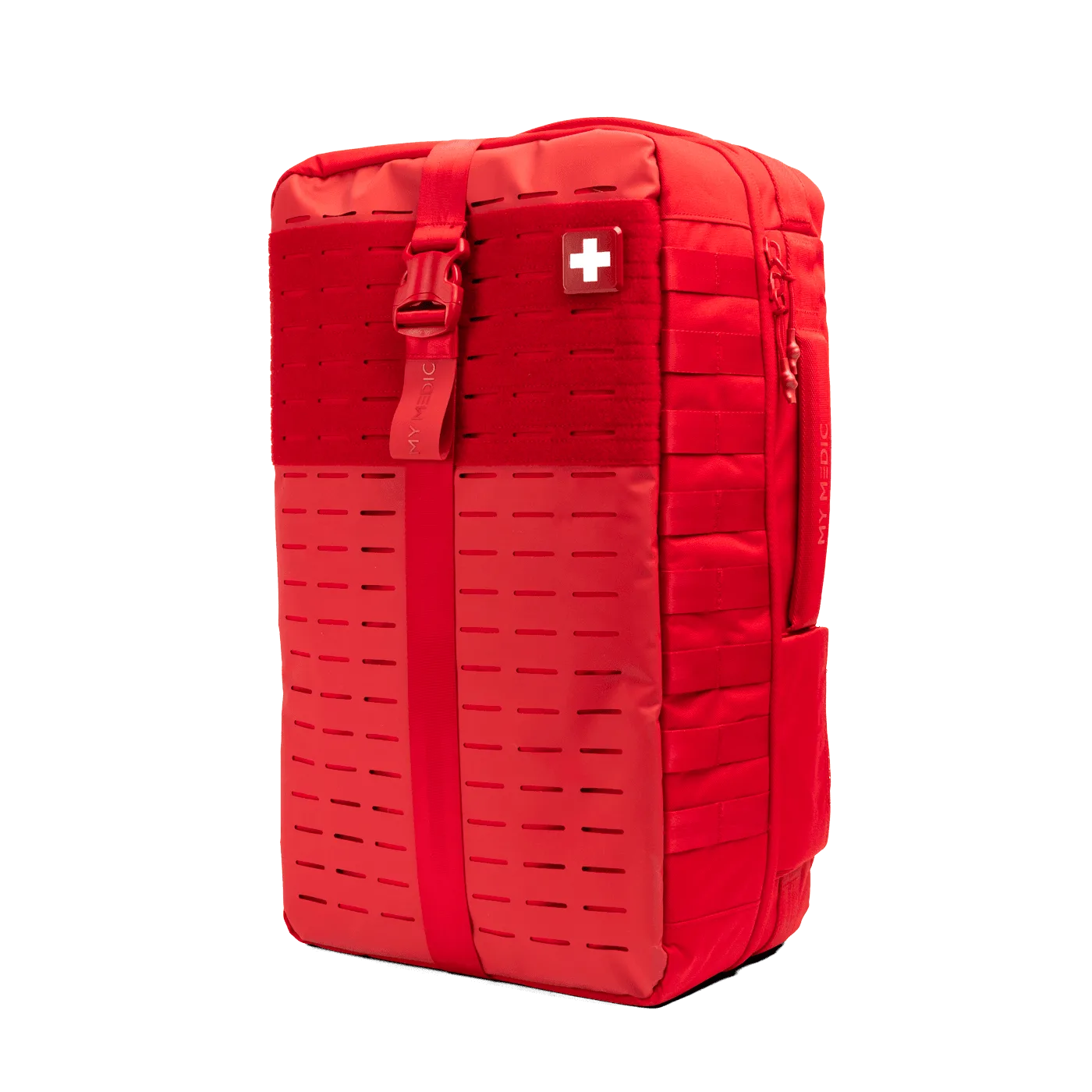
Consider the size of your kit and your typical activities. If you have a larger kit, like the https://mymedicem.com/products/myfak-large-380163MyFAK™ Large, you might have room for a wool blanket. For compact kits, an emergency blanket is more practical. The Prevention First Aid Kit is designed for everyday emergencies and is compact, making it a perfect companion for an emergency blanket.
- Emergency blankets are ideal for compact kits
- Wool blankets suit larger kits and outdoor use
- Consider the climate and duration of your activities
Trade-Offs: Wool vs. Emergency Blanket
- Warmth: Wool provides superior insulation, retaining heat even when wet. Emergency blankets reflect body heat but provide minimal insulation on their own. Choose wool for cold, wet conditions; emergency blanket for short-term protection.
- Durability: Wool is durable and reusable, while emergency blankets are prone to tearing and are typically single-use. If you need a blanket for repeated use, wool is worth the extra weight.
- Packability: Emergency blankets fold to a tiny size and weigh ounces. Wool blankets are bulky and heavy, taking up significant kit space. For compact kits, emergency blankets are the clear winner.
- Cost: Emergency blankets are very affordable, often under $5. Wool blankets are more expensive, ranging from $20 to $50 or more. If budget is a concern, emergency blankets are more accessible.
Product Facts from the Store
- Prevention First Aid Kit: Designed for everyday emergencies and unexpected situations, offering a carefully selected set of essential medical supplies in a compact, easy-to-carry format. This kit is compact, so an emergency blanket is the perfect addition to keep it lightweight and portable.
- MyFAK™ Large: Equipped with over 200+ life-saving first aid supplies, a folding page design for enhanced organization, and extra space for customization. The extra space in this larger kit allows room for a wool blanket, providing superior warmth for extended emergencies.
Which Should You Choose?
Best For
- Urban commuters and everyday carry users who need a lightweight, compact thermal layer in case of unexpected emergencies.
- Hikers and campers who prioritize minimal pack weight and are prepared for short-term emergencies.
Not For
- Extended outdoor expeditions where long-term warmth and durability are critical; a wool blanket is more suitable.
- Those with larger kits who can accommodate a wool blanket for superior insulation in cold climates.
In the end, both wool and emergency blankets have their place. For most first aid kits, an emergency blanket is the practical choice due to its size and cost. However, if you're preparing for prolonged outdoor survival, a wool blanket is worth the investment. Assess your needs, consider the trade-offs, and make an informed decision. To get started with a well-stocked kit, explore the MyFAK™ Large for ample space to include your preferred blanket.