Quick answer
Choose workout shorts for lifting, hot gyms, and any session where you want maximum airflow and zero fabric drag. Choose joggers for running in cool weather, warm-ups, and days when you want full leg coverage. If you train in both hot and cold conditions, own one of each and rotate by temperature, not by habit.
The real trade-off: airflow vs. coverage
The choice comes down to how much fabric you want between your skin and the gym. Shorts expose more skin, which helps heat escape during squats, deadlifts, and any high-rep work. Joggers cover the full leg, which keeps muscles warm during rest periods and protects against cold floors, abrasive platforms, and outdoor wind.
Neither is universally better. A lifter in a warm commercial gym will overheat in joggers, while a runner logging winter miles will regret shorts. Match the garment to the environment and the activity, not to a style preference.
How to choose based on your training
For lifting, shorts let you see your knee tracking and squat depth without fabric bunching behind the knee. Joggers can work for lifting if they have enough stretch, but a loose or heavy pair will catch on your calves at the bottom of a squat.
For running, joggers reduce wind chill and keep hamstrings warm on easy days. Shorts are better for intervals and treadmill sessions where you generate more heat. If you run outdoors in shoulder seasons, a jogger you can push to the knee or a short with a longer inseam gives you a middle ground.
For classes, circuits, and sports, shorts win on breathability; joggers win when the session includes floor work, stretching, or a cold walk to and from the gym.
Fit rules that apply to both
Waistband fit matters more than leg length. The band should sit flat and stay put without digging in when you hinge or breathe deeply. If you can slide two fingers under the band comfortably, it is close to right.
Check the rise and the leg opening together. A short that rides up during lunges is usually too loose in the leg or too low in the rise. A jogger that bunches at the ankle is usually too long or too tapered for your leg shape. Try the garment through a squat, a lunge, and a hamstring stretch before you commit.
Underwear changes the equation
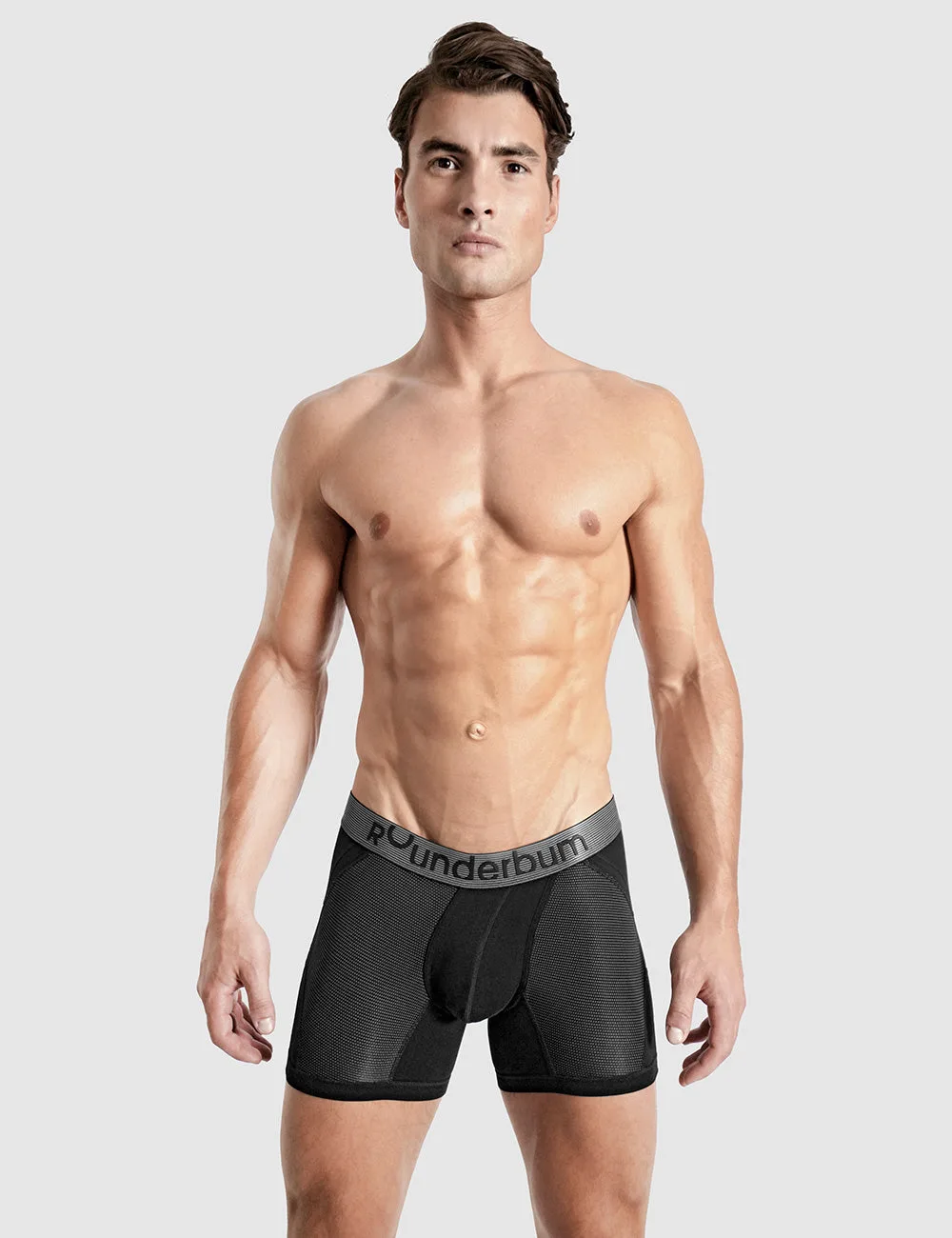
What you wear underneath affects how shorts and joggers feel more than most men expect. A supportive trunk or boxer brief with a defined pouch reduces shifting during running and lifting, which means less adjusting mid-set.
If you want a smoother silhouette under fitted joggers or shorts, a padded trunk adds gluteal volume and definition while staying discreet enough for everyday wear. The trade-off is that padding adds a layer, so it is best for cooler sessions or days when you want the shape rather than maximum breathability.
Trade-offs at a glance
- Workout shorts: airflow and freedom: Best for lifting, hot gyms, and high-intensity intervals. You get maximum ventilation and no fabric drag, but no leg warmth or floor protection. Pick shorts when the room is warm and the session is short and intense.
- Joggers: warmth and coverage: Best for running in cool weather, warm-ups, and cold gyms. You get full leg coverage and warmth, but more fabric means more heat retention and a heavier feel. Pick joggers when temperature or floor conditions make bare legs a problem.
- Underwear: the hidden variable: A supportive trunk or boxer brief with a defined pouch reduces shifting under both. A padded trunk adds shape under fitted bottoms but adds warmth. Match your underwear to the session: low-profile for heat, padded for shape and cooler days.
Underwear that works with both
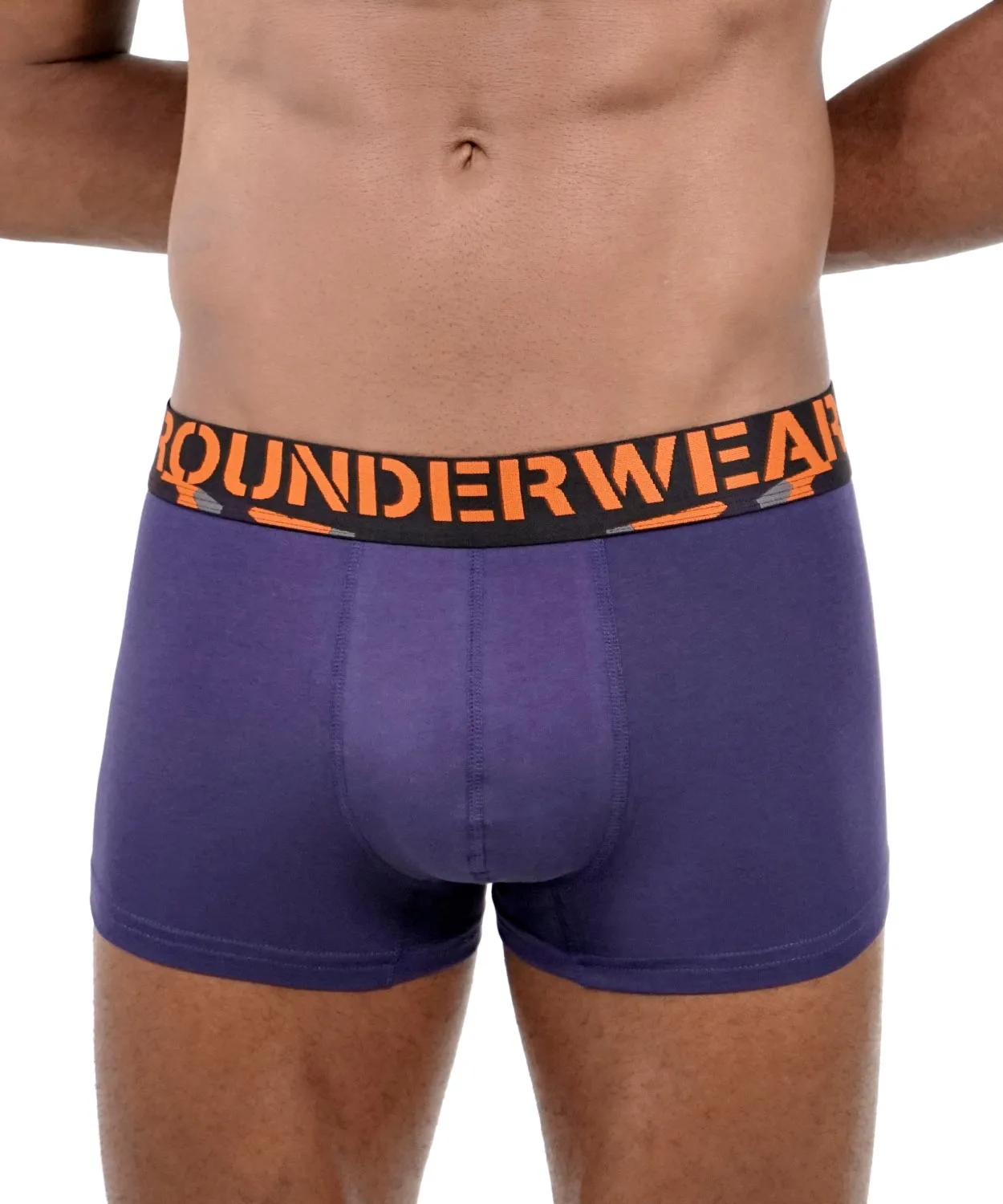
- Anatomic Mini Trunk: Patented anatomically correct design with a V-shaped seam that defines the gluteus and lets you forget you are wearing anything. A low-profile trunk that stays put under shorts and joggers, so you are not adjusting during lifts or runs.
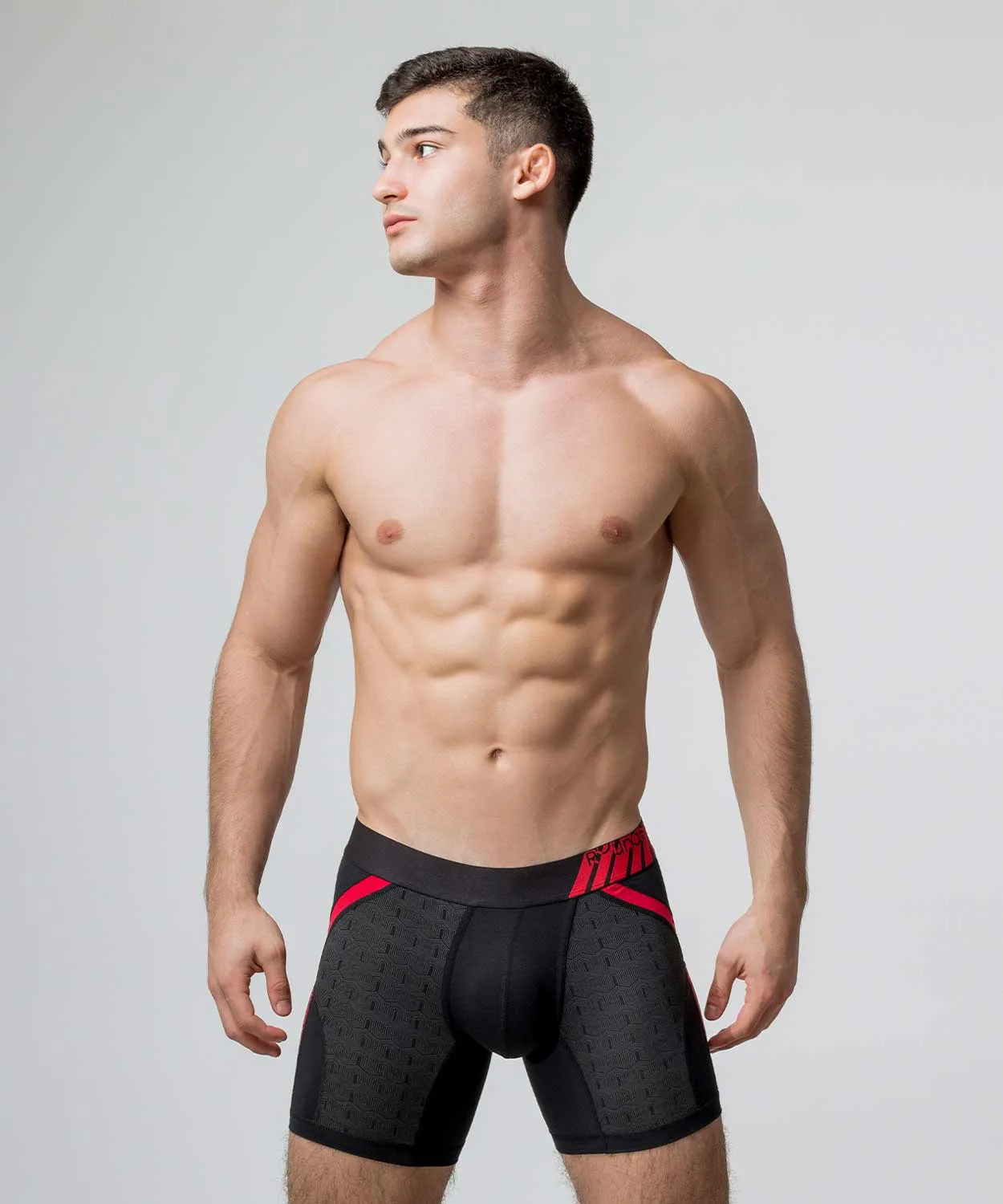
- Anatomic Boxer Brief: Anatomic patented design in a longer version with a sideways pouch and a back V-shaped waistband, plus a longer inseam structured to adapt to your body and thighs. The longer inseam reduces friction under joggers and mid-length shorts, making it the better pick for running and cold-weather training.
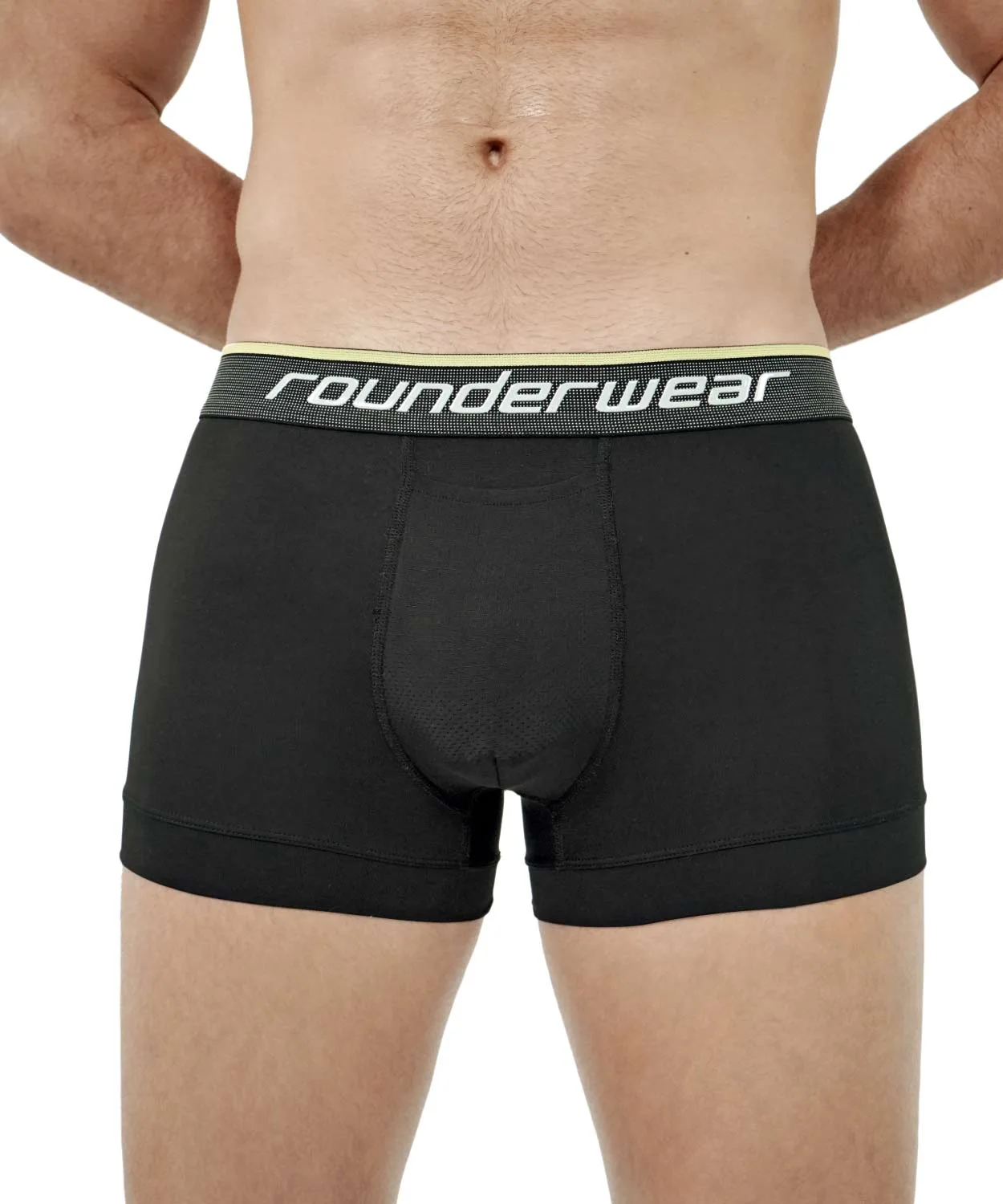
- Basic Padded Boxer Trunk: Original padded design that adds more gluteal volume and definition, adapts to every body shape, and is discreet enough for everyday wear, extreme sports, or long periods of sitting. Useful when you want a fuller silhouette under fitted joggers or shorts, with the trade-off of an extra layer in hot gyms.
Which should you wear?
Choose this if
- You lift in a warm gym and want airflow and visibility of your knee tracking
- You run intervals or train indoors where heat build-up is the main problem
Skip this if
- You train outdoors in cold weather and need full leg coverage
- You want a smoother silhouette under fitted bottoms, which calls for padded underwear instead