Quick Answer
A wound closure kit is a broader term that includes multiple methods to close a wound, such as sutures, adhesive strips, and skin glue. A suture kit specifically contains needles and thread for stitching. For most emergency first aid situations, a wound closure kit offers more versatility and is easier for non-medical users to apply correctly.
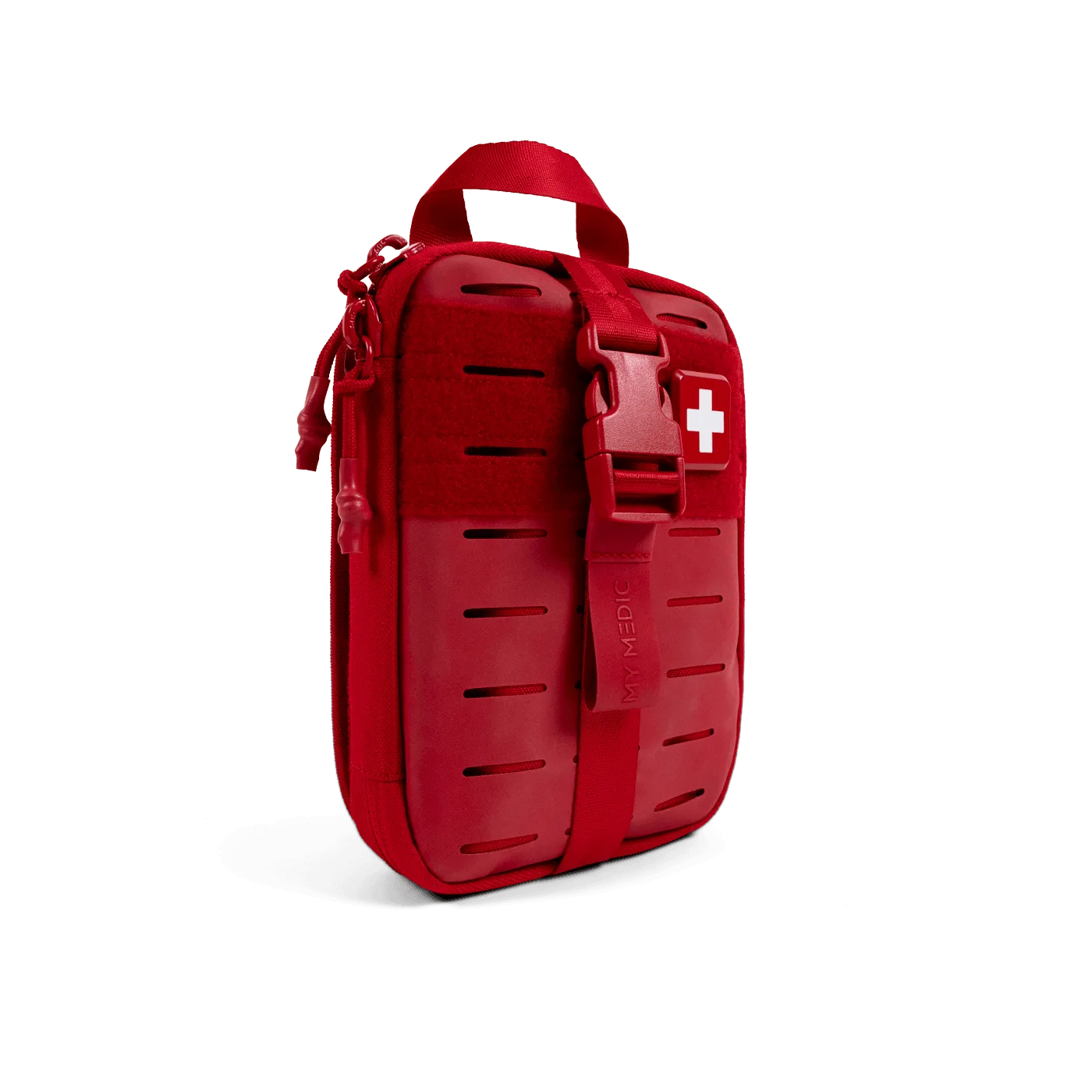
wound closure kit
When you face a deep cut or laceration, you need to close the wound quickly to stop bleeding and reduce infection risk. But what's the best tool? You might have heard of suture kits and wound closure kits, and they sound similar. However, they are not the same. Understanding the difference can help you make the right choice before an emergency happens.
In this comparison, we'll break down the features of each option, discuss the trade-offs, and help you decide which one belongs in your first aid kit. We'll also look at a specific product that combines multiple closure methods, so you can see how a modern wound closure kit works in practice.
What Is a Suture Kit?
A traditional suture kit typically includes a needle holder, forceps, scissors, and suture material (needle with thread). It is designed for stitching wounds closed with sutures. Suturing is a skill that requires training and practice. If done incorrectly, it can lead to infection, poor healing, or further tissue damage.
Suture kits are commonly used by medical professionals or trained individuals. In an emergency, if you have no medical training, using a suture kit can be risky. You need to know how to anesthetize the wound, handle the needle, tie secure knots, and decide when sutures are appropriate. Many suture kits also require additional supplies like antiseptic and dressing materials.
What Is a Wound Closure Kit?
A wound closure kit is a more comprehensive solution. It typically includes multiple methods to close a wound, such as sutures, adhesive strips (like Steri-Strips or ZZZIPS), and skin glue. This variety allows you to choose the best method based on the wound type, location, and your skill level.
For example, the Wound Closure Kit from My Medic is a 4-in-1 kit that includes sutures, Super Strips, ZZZIPS Wound Closure Strips, and skin glue. This means you are not locked into one technique. If you are uncomfortable with suturing, you can use adhesive strips or skin glue, which are easier to apply and less invasive. This flexibility is a major advantage in a first aid scenario.
Key Differences at a Glance
The main difference is scope. A suture kit focuses solely on sutures, while a wound closure kit offers multiple options. This affects ease of use, versatility, and the level of training required. Sutures provide the strongest closure for deep wounds, but they are the hardest to master. Adhesive strips and skin glue are simpler but may not be suitable for very deep or high-tension wounds.
Another difference is the learning curve. If you have taken a first aid course that covers wound closure, you might be comfortable with sutures. However, for most people, adhesive strips and skin glue are more intuitive. A wound closure kit lets you match the method to your confidence and the wound's needs.
Trade-Offs to Consider
- Sutures: Strongest closure, highest skill needed: Sutures provide the most secure closure for deep wounds. However, improper technique can cause infection or poor cosmetic results. Requires practice and sterile conditions. Only use sutures if you have proper training.
- Adhesive strips: Easy to apply, limited to superficial wounds: Strips like Super Strips or ZZZIPS are simple and quick. They work well for cuts that are not too deep or under low tension. They may not hold well on joints or areas with movement. Great for minor lacerations when you lack suturing skills.
- Skin glue: Fast and waterproof, but not for deep wounds: Skin glue forms a protective barrier and is easy to apply. It is not suitable for deep wounds or areas with high tension. It may also cause skin irritation in some people. Use for small, clean cuts that need quick closure.
Featured Product: Wound Closure Kit
- Wound Closure Kit: 4-in-1 suture kit covering 4 common methods of wound closure: sutures, Super Strips, ZZZIPS Wound Closure Strips, and Skin Glue. Includes a free life-saving Training Course. This kit gives you options and includes training, so you can learn the correct techniques before an emergency.
- M.A.R.C.H. First Aid Video Training Course: Learn the basics of trauma first aid with Billy Haley, a Special Forces Medic. Covers massive bleeding, airway, respiration, and circulation. Training is key to using wound closure products effectively. This course teaches you how to respond in high-pressure situations.
Which Should You Choose?
Best for
- Everyday carry and home first aid kits where users may lack suturing experience
- Outdoor enthusiasts who need versatile wound closure options in remote settings
- Those who want to learn proper techniques with included training
Not for
- Professional medical use where specialized suture kits are required
- Situations requiring advanced surgical closure beyond basic wound care
Choosing between a wound closure kit and a suture kit depends on your training and the situations you expect. A wound closure kit offers flexibility and is more forgiving for beginners, making it a smart addition to most first aid kits. If you opt for a kit that includes sutures, consider taking a training course to build your skills. Ultimately, the best choice is the one you are prepared to use correctly when every second counts.