Quick answer
For heavy deadlifts, shrugs, and rows, wrist straps are the better choice because they wrap around the bar and let your hands relax while your back and legs do the work. Lifting gloves mainly protect your palms and improve light-grip comfort, so they help with high-rep or moderate pulling but not with maximal loads. If your grip gives out before your back does, choose straps; if your hands hurt on lighter pulls, choose gloves.
How each tool actually changes your pull
Wrist straps work by looping around the bar and transferring load from your fingers to your wrist. That means you can hold a heavy bar even when your forearms are fatigued, which is why they show up in deadlift and row sessions. Lifting gloves, by contrast, add a layer of material between your skin and the bar. They reduce friction and callus irritation, but they do not create a mechanical advantage—your fingers still have to close around the bar.
The practical difference shows up in rep ranges. On a set of 8–12 moderate rows, gloves can make the set more comfortable without changing your grip demands. On a heavy triple or a long shrug set, straps let you keep pulling after your grip would normally fail.
Where wrist straps pull ahead for heavy work
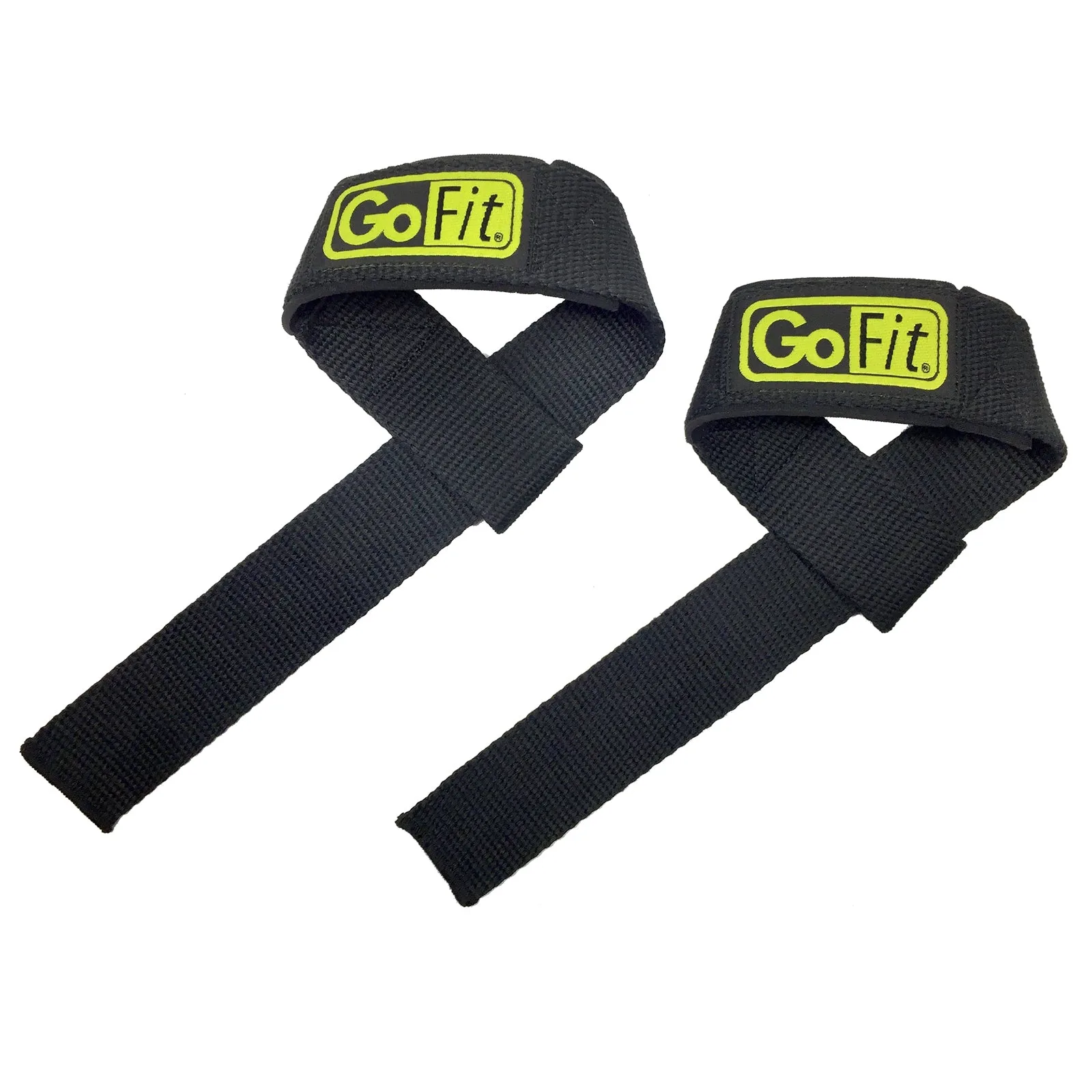
The GoFit Ultra Padded Pro Wrist Straps are 22 inches long and use neoprene padding. The length gives you more material to wrap around thicker bars, and the padding reduces pressure on the wrist during heavy holds. That combination is useful for deadlifts, shrugs, lat pulldowns, and rows—movements where the bar is heavy enough that grip becomes the limiting factor.
One trade-off: straps take a few seconds to set up, and they can feel awkward on fast movements like cleans or snatches. They also reduce the grip work your forearms get, so if grip strength is a goal, use them selectively rather than on every set.
Where lifting gloves still make sense
Gloves are not a grip-strength tool, but they are a comfort tool. If you are doing pull-ups, dumbbell rows, or machine pulls and your main problem is palm pain or slipping from sweat, gloves can keep you training. They also help if you want to protect your hands without the setup time of straps.
That said, gloves will not fix a grip that fails at heavy loads. If your hands open on a heavy deadlift, gloves alone will not keep the bar in your hands. You either need to reduce the load, build grip strength, or add straps.
Using straps and gloves together
You can wear gloves under straps, but the added thickness can make the strap fit tighter and the setup fussier. A more practical approach is to use gloves for lighter pulling days and straps for heavy days. If you do combine them, test the fit with a light set first so you are not adjusting mid-workout.
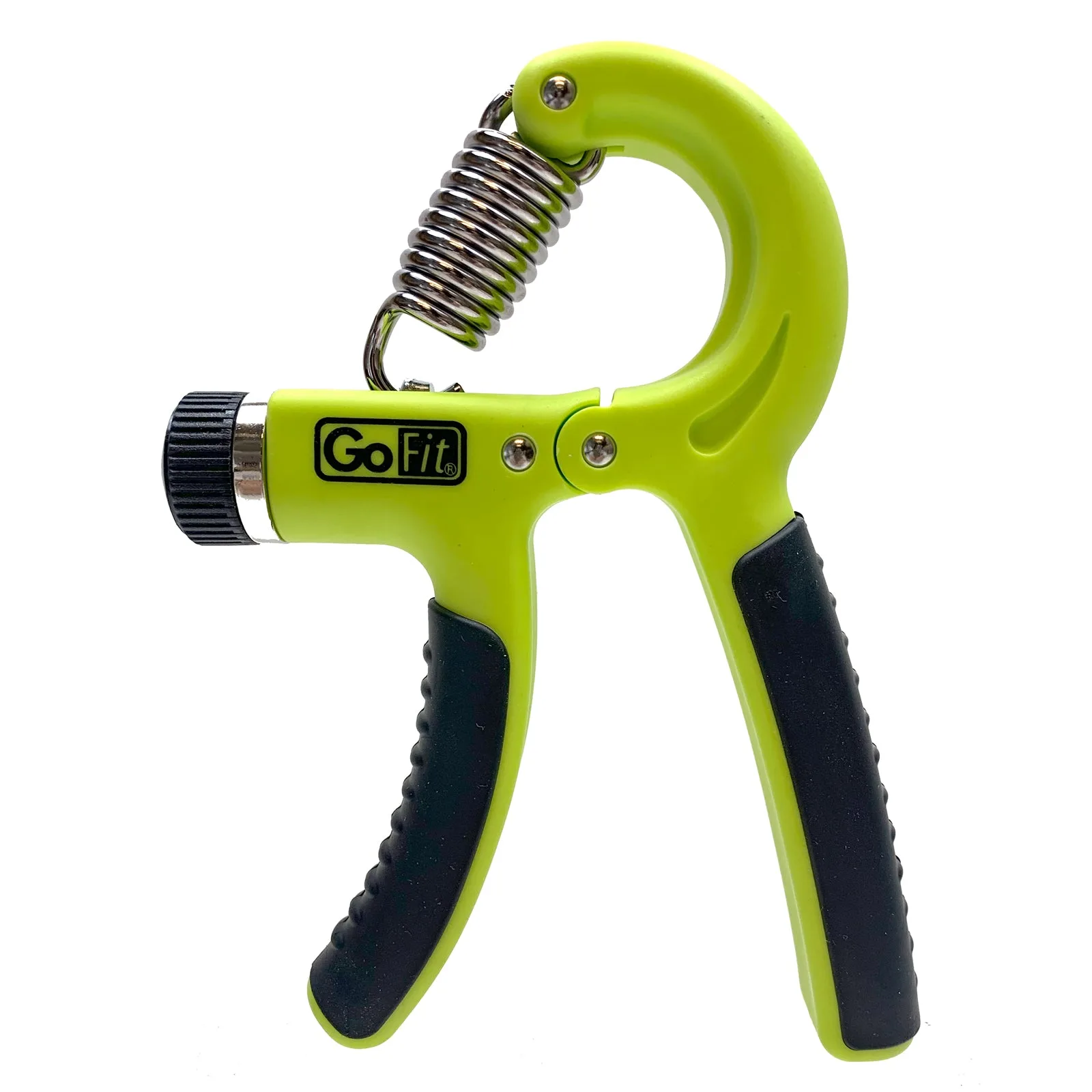
For grip training itself, tools like the GoFit Adjustable Hand Grip or the GoFit Big Gripper Adjustable Hand Grip let you work your forearms separately. That way you can use straps on heavy pulls without neglecting grip strength entirely.
Trade-offs at a glance
- Grip support: Straps transfer load to your wrist; gloves do not create a mechanical advantage. Choose straps for maximal pulls.
- Setup time: Straps need wrapping and adjusting; gloves slip on in seconds. Choose gloves for fast transitions or circuit work.
- Forearm involvement: Straps reduce grip demand; gloves keep your fingers working. Use straps selectively if grip strength is a goal.
- Hand protection: Gloves reduce friction and callus irritation; straps do not cover the palm. Choose gloves if palm pain limits your lighter pulls.
Product facts
- Ultra Padded Pro Wrist Straps: GoFit Pro Wrist Straps are 22 inches long with neoprene padding for comfort and support. The extra length helps wrap thicker bars securely, and the padding reduces wrist pressure during heavy holds.
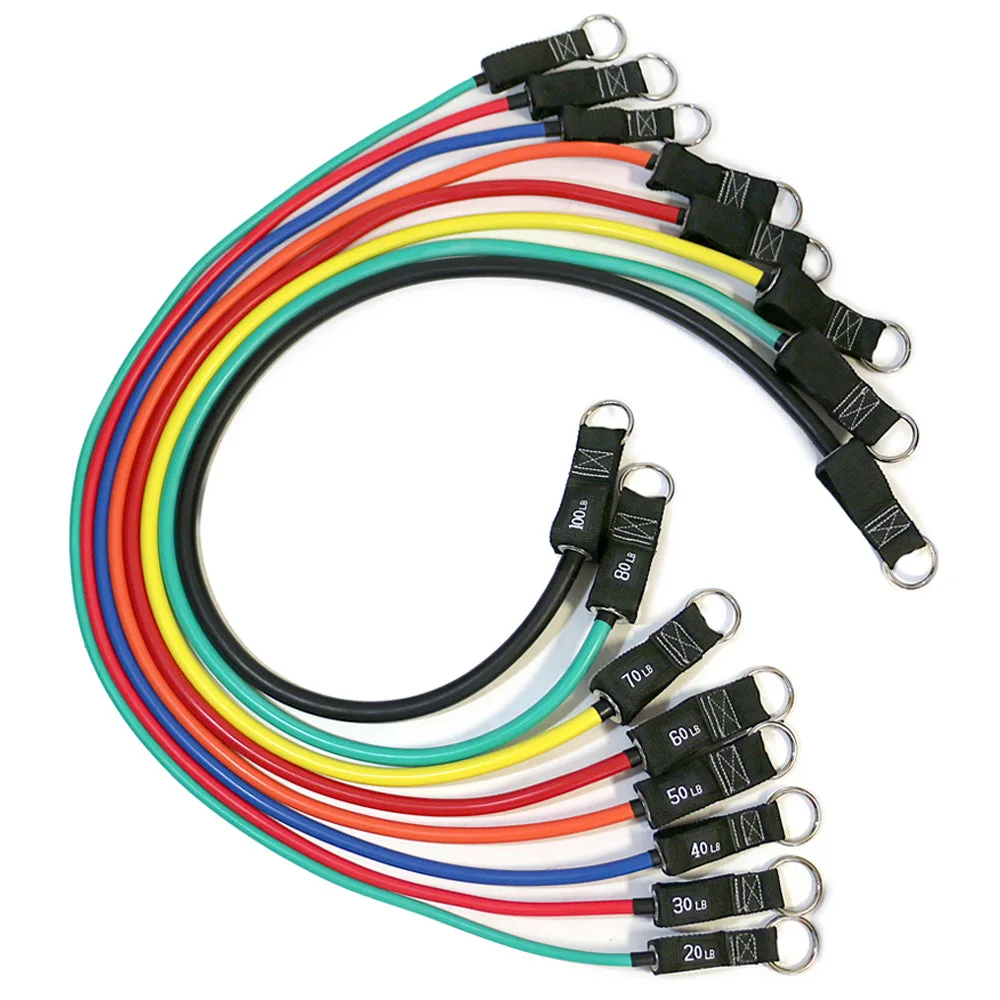
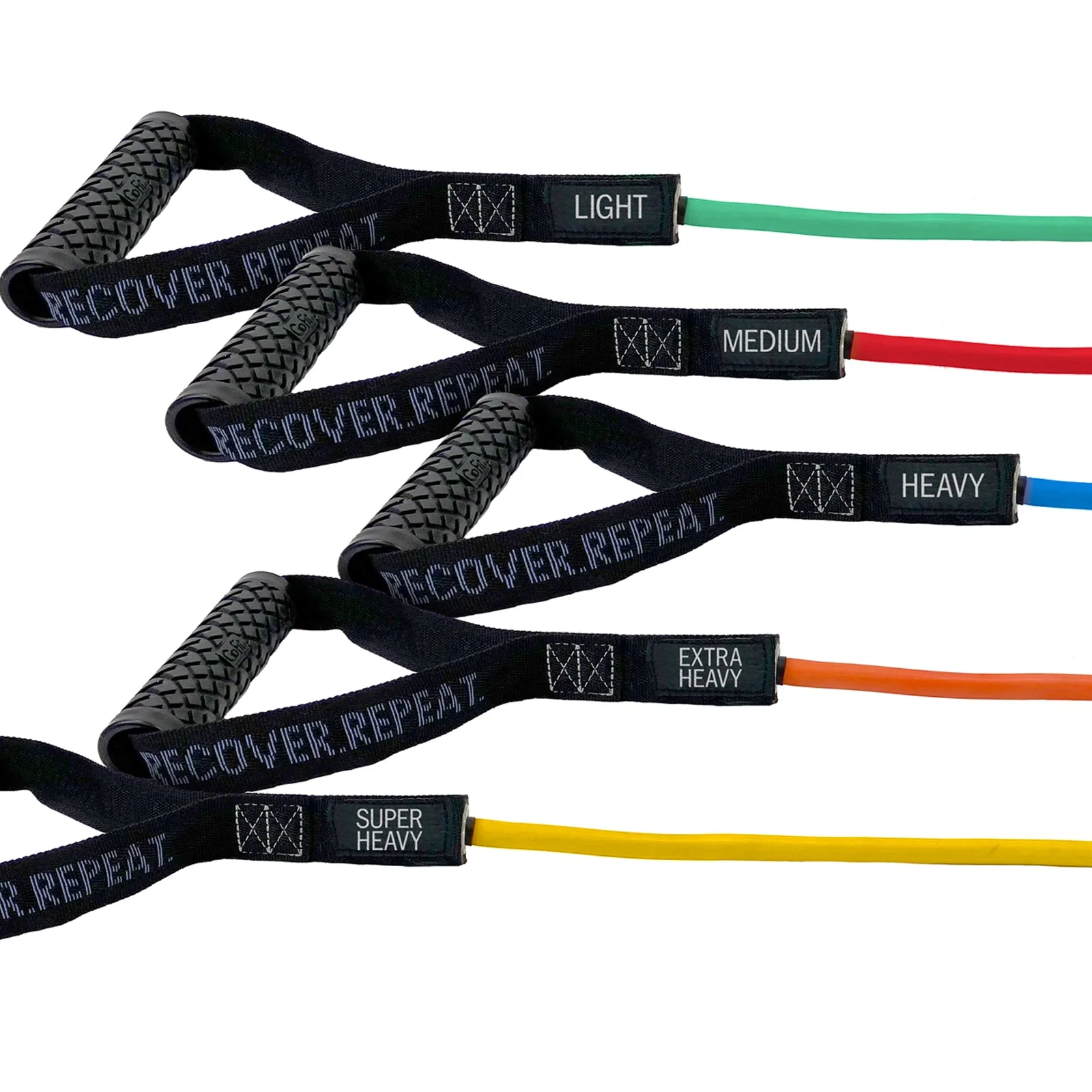
- Pro Grade Power Tubes - Light, Medium, Heavy, Extra Heavy, Super Heavy: GoFit Power Tubes include a door anchor and come in Light (≈20lb), Medium (≈30lb), Heavy (≈40lb), Extra Heavy, and Super Heavy resistances. Useful for accessory pulling and band-resisted rows when you want to train grip and back without a barbell.
- Adjustable Hand Grip: GoFit Adjustable Hand Grip offers resistance from 11lbs up to 132lbs with a rolling tension control knob. Lets you train grip strength separately so you rely less on straps for moderate loads.
- Big Gripper Adjustable Hand Grip: GoFit Big Gripper Adjustable Hand Grip offers 11lb to 220lb resistance and a tally knob that counts up to 99 reps. The higher resistance range and rep counter make it easier to track grip progress over time.
Which should you choose?
Best for
- Lifters whose grip fails before their back or legs on heavy deadlifts, shrugs, and rows
- Anyone doing high-volume pulling who wants to reduce forearm fatigue
Not for
- Lifters who want to build grip strength and are willing to reduce load
- Fast lifts like cleans or snatches where strap setup gets in the way