When assembling an authentic WWII impression, few pieces of field gear are as essential as the humble canteen. Whether you're portraying a German Landser or a US GI, the canteen you carry is not just a hydration tool—it's a reflection of your kit's historical accuracy. German and American canteens of the era were designed with different priorities, materials, and field philosophies.
In this guide, we'll break down the key differences between WWII German and US canteens, from construction and capacity to carrying methods and durability. Whether you're a reenactor, collector, or history enthusiast, understanding these details will help you choose the right piece of field gear for your impression.
Design and Materials: German vs US Canteens
WWII German canteens, known as Feldflasche, were typically made from aluminum or later from painted steel. They featured a distinctive kidney or oval shape that nestled comfortably against the hip. The standard capacity was around 0.8 liters, and they came with a felt or wool cover that could be wetted to cool the contents through evaporation. A metal drinking cup, often with a folding handle, nested on the bottom of the canteen, secured by the cover's strap.
In contrast, US canteens were made from stamped aluminum with a smooth, rounded profile. The standard M1910 and later M1942 canteens held 1 quart (about 0.95 liters). They were issued with a wool or cotton cover that served both as insulation and a cooling sleeve. The US canteen cup was separate, often carried nested under the canteen or strapped to the outside of the pack. The US design emphasized simplicity and mass production, with a focus on ruggedness.
- German canteens: aluminum or steel, kidney shape, 0.8L, felt cover, integrated cup base.
- US canteens: aluminum, rounded shape, 1 quart, wool/cotton cover, separate cup.
Carrying Methods and Field Use
German soldiers typically carried their canteen on the left hip, attached to the belt via a metal hanger or a leather strap. The canteen was often paired with the bread bag and mess kit, forming a modular loadout. The felt cover could be soaked to keep water cool in summer, and the metal cup was used for both drinking and heating small amounts of water or food. The German system prioritized compactness and integration with other field gear.
US GIs carried their canteens on the right hip, suspended from the cartridge belt or pistol belt with a metal hanger. The canteen cover had a strap that could be used to secure the cup or other small items. In the field, the canteen was often used for drinking, washing, and even as a makeshift weight for training. The US system was straightforward and allowed for quick access, but the separate cup could be lost or become a nuisance during movement.
- German: left hip, belt hanger, modular with bread bag and mess kit.
- US: right hip, belt hanger, separate cup, simple but prone to loss.
Durability and Maintenance
German aluminum canteens were lightweight but prone to denting. Later steel versions were more durable but heavier. The felt covers often wore out or became moldy in wet conditions. The metal cups could develop rust if not dried properly. Collectors today look for original German canteens with intact markings and original paint, though reproductions are common for reenactment use.
US aluminum canteens were robust and held up well to field abuse. The covers were easily replaceable, and the simple design made cleaning straightforward. The main issue was the aluminum's tendency to transfer taste to water if not cleaned regularly. Original US canteens are widely available, and many reenactors prefer them for their proven reliability.
- German: aluminum dents easily, steel is heavier, felt cover needs care.
- US: aluminum is durable, taste transfer possible, covers are replaceable.
Choosing the Right Canteen for Your Impression
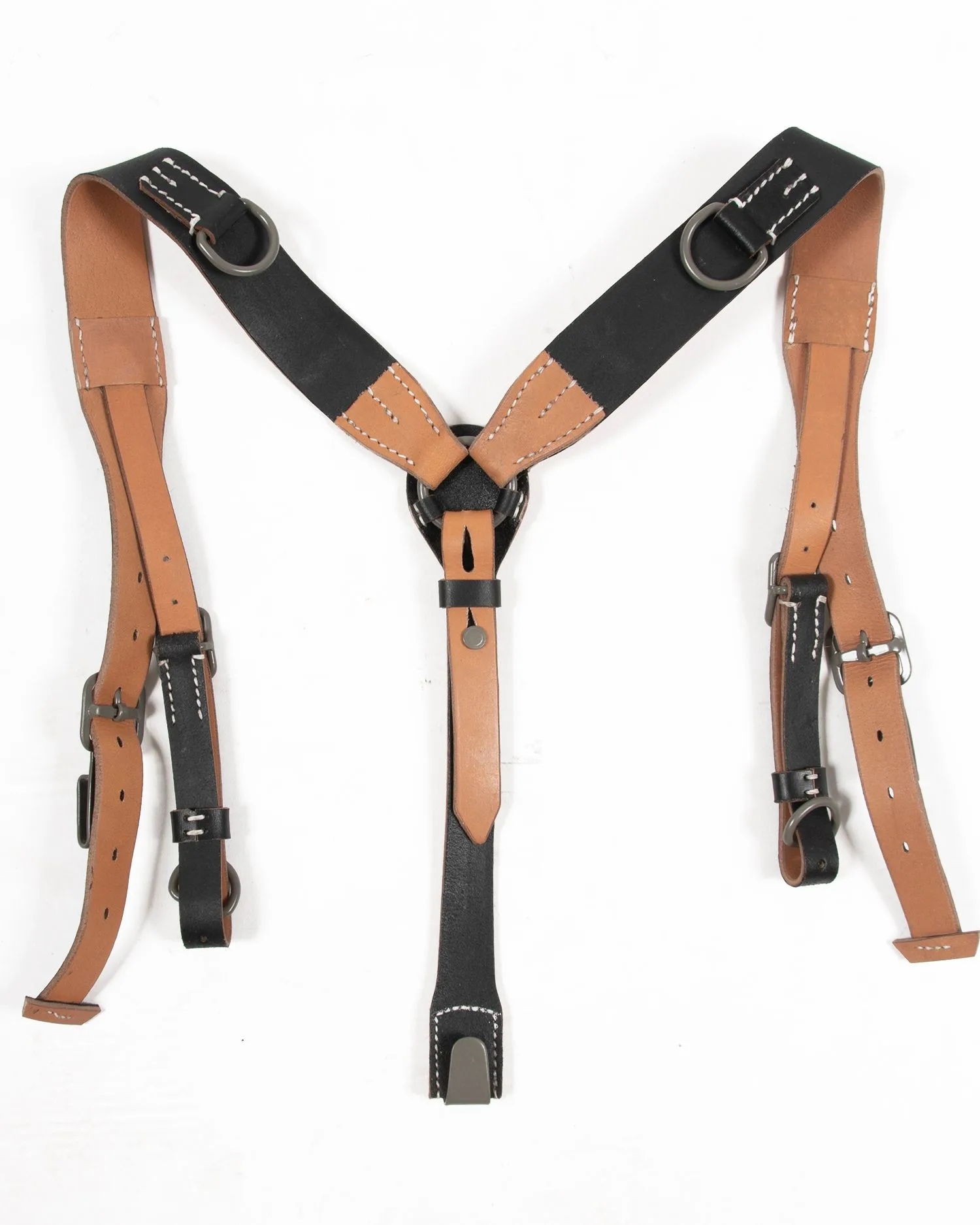
For a German impression, look for a reproduction or original Feldflasche with a matching cup and cover. Pay attention to the cover color—field gray or tan depending on the period. For US impressions, the M1910 or M1942 canteen with a olive drab cover is the standard. Many reenactors also pair their canteen with a proper belt and suspenders setup for authenticity.
If you're building a complete field gear package, consider how the canteen integrates with other items. For example, a German soldier might carry his sewing kit in his bread bag alongside the canteen, while a US Marine might use a fieldgear package that includes a canteen, pouch, and cover. Matching the canteen to your impression's specific unit and time period adds an extra layer of historical accuracy.
- German impressions: Feldflasche with cup and felt cover, field gray or tan.
- US impressions: M1910 or M1942 canteen, olive drab cover, belt setup.
- Coordinate canteen with other gear like bread bags, pouches, and belts.
Whether you choose a German or US canteen for your reenactment gear, authenticity comes from understanding the design and field use of each. For a reliable US option, check out the U.S. M1941 Field Jacket and pair it with a proper canteen setup for a complete impression. Explore atthefront's selection of field gear to find the right canteen and accessories for your kit.
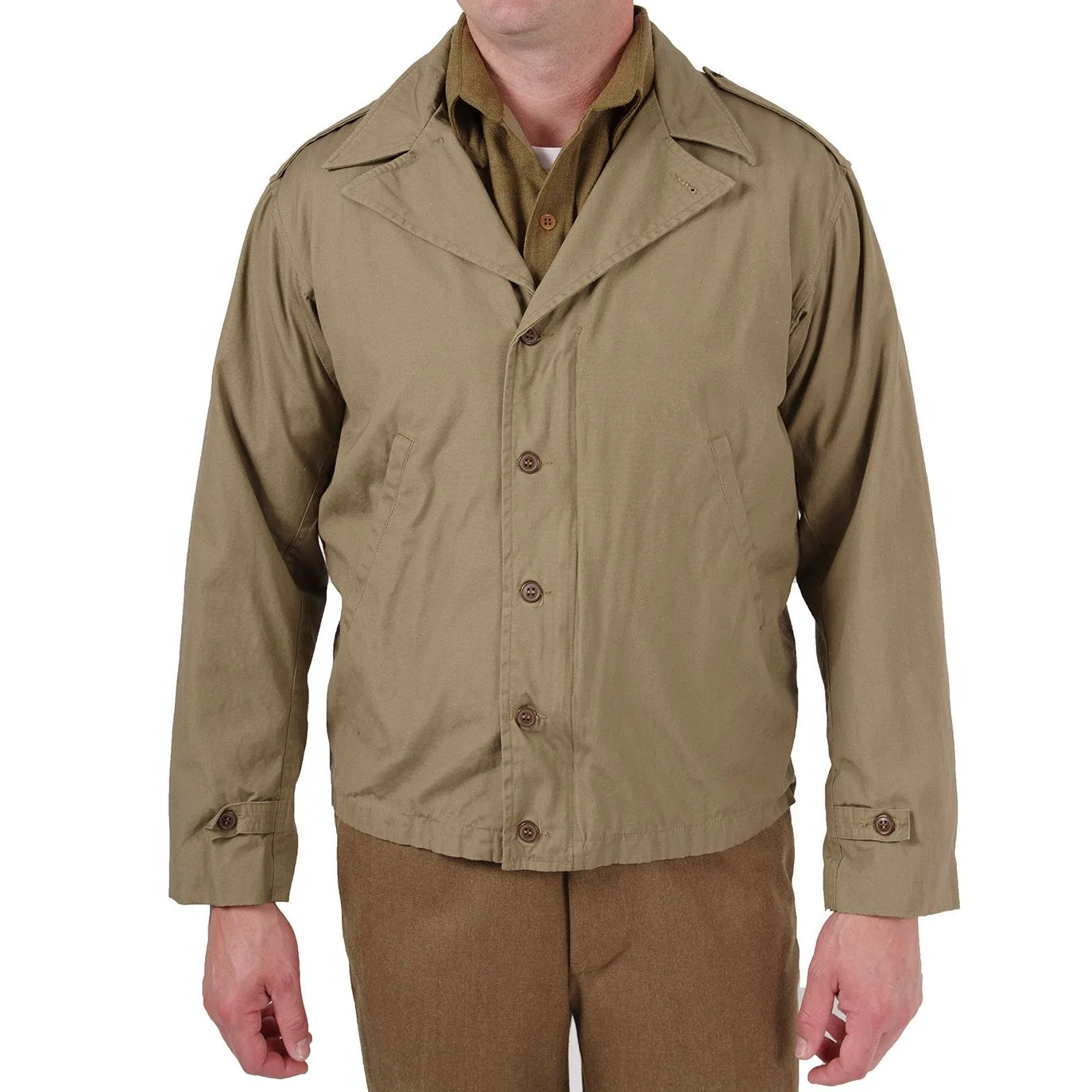
U.S. M1941 Field Jacket