When it comes to oral care, xylitol has become a household name for its proven benefits in preventing cavities and promoting a healthy mouth. But with so many xylitol products on the market, choosing between a tooth gel and a traditional toothpaste can feel overwhelming. Both offer unique advantages, and the right choice often depends on your family's specific needs, preferences, and oral health goals.
In this comparison, we'll break down the key differences between xylitol tooth gel and xylitol toothpaste, explore their benefits, and help you decide which one deserves a spot in your family's bathroom cabinet. Whether you're shopping for kids, dealing with sensitive teeth, or simply looking to switch to a fluoride-free option, we've got you covered.
Understanding Xylitol in Oral Care
Xylitol is a natural sweetener derived from plants, and it's a superstar in dental health. Unlike sugar, xylitol doesn't feed the harmful bacteria in your mouth that cause cavities. Instead, it helps neutralize acids and creates an environment where bacteria can't thrive. Regular use of xylitol products has been shown to reduce plaque, prevent tooth decay, and even help with dry mouth.
Both tooth gel and toothpaste can deliver these benefits, but they do so in different formats. Toothpaste typically contains mild abrasives to physically scrub away plaque, while tooth gel is often gentler and may include additional soothing ingredients. Understanding these differences can help you make an informed choice for your family.
- Xylitol is a natural sweetener that fights cavity-causing bacteria.
- Both gels and toothpastes can effectively deliver xylitol's benefits.
- Consider your family's oral health needs when choosing a format.
Xylitol Tooth Gel: Benefits and Best Uses
Xylitol tooth gels are formulated to be gentle on teeth and gums, making them an excellent choice for individuals with sensitive teeth or those who prefer a smoother texture. Gels often contain additional ingredients like aloe vera or herbal extracts that can soothe irritated gums, making them ideal for people with gum sensitivity or those recovering from dental procedures.
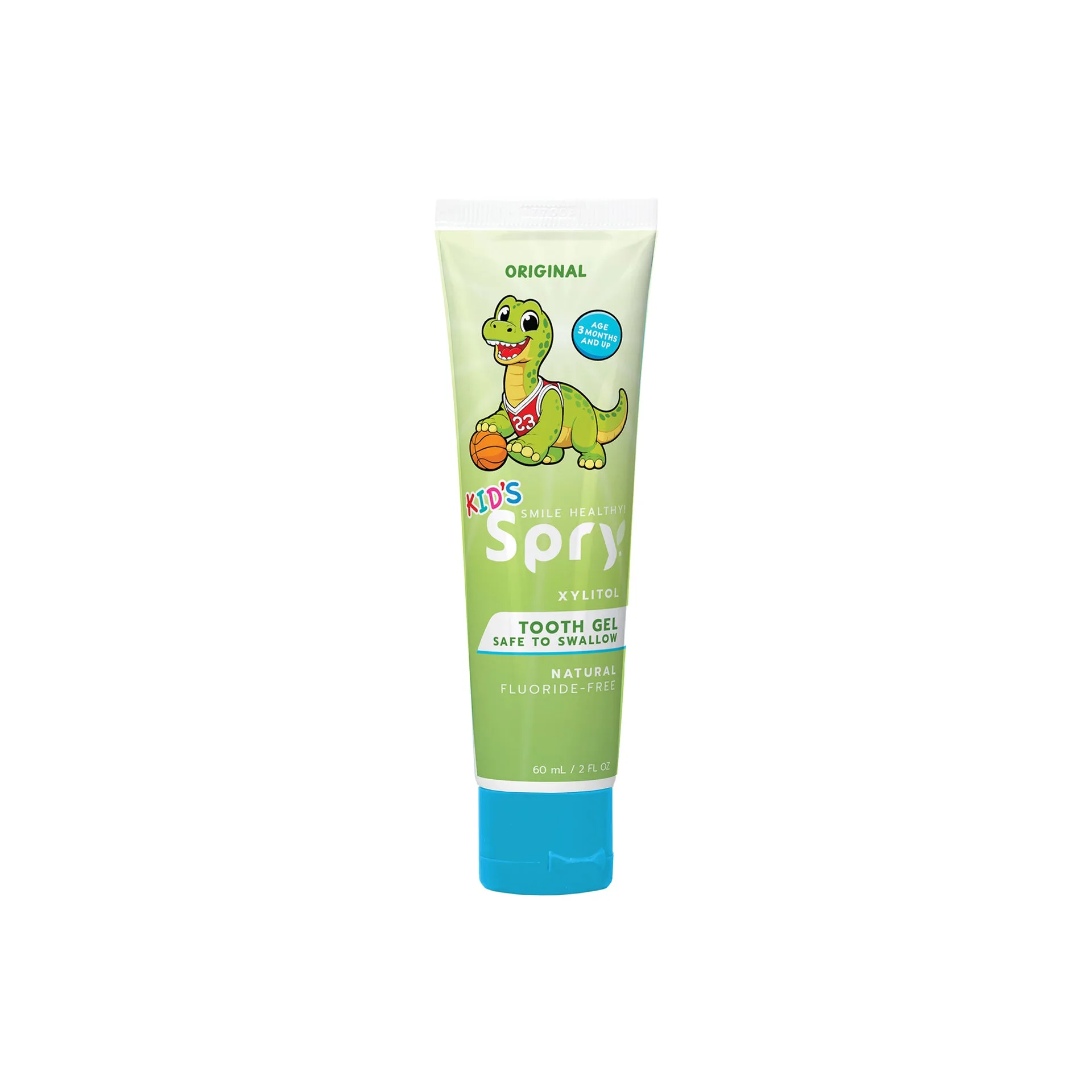
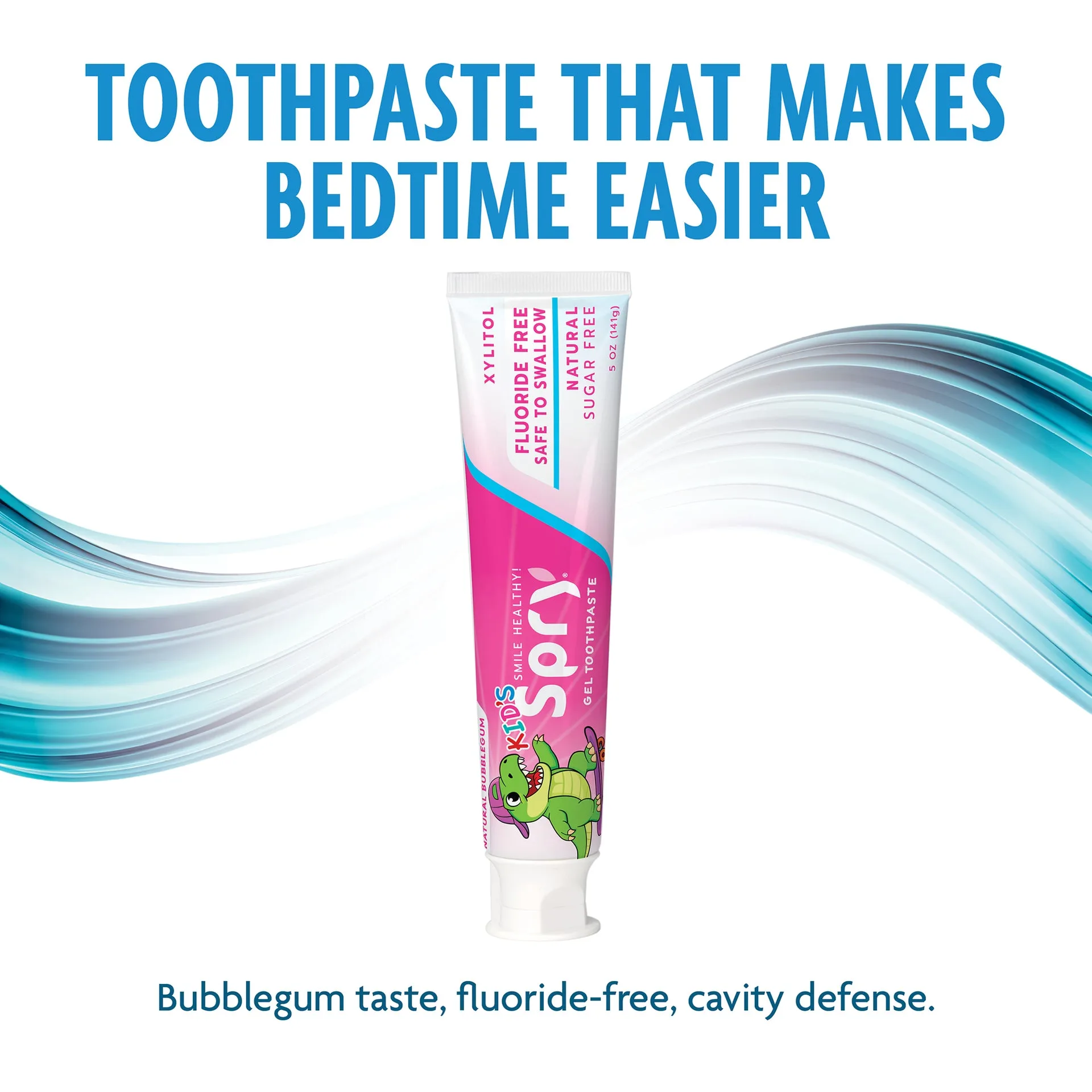
Tooth gels are also a favorite among parents because they are less likely to cause a gritty sensation that some children dislike. A gel's smooth consistency can make brushing more enjoyable for kids, encouraging better oral hygiene habits. For families looking for a fluoride-free option, xylitol gels provide a safe and effective alternative that still protects against cavities.
If you're considering a xylitol gel, look for products that combine xylitol with other beneficial ingredients. For example, the MAX Nasal Spray with Capsicum & Aloe is a great example of how xylitol pairs with soothing botanicals, though it's designed for nasal care. For oral use, you can find gels that offer similar soothing benefits.
- Ideal for sensitive teeth and gums.
- Smooth texture is kid-friendly and encourages brushing.
- Often includes soothing ingredients like aloe or herbal extracts.
Xylitol Toothpaste: Traditional Cleaning Power
Xylitol toothpaste combines the cavity-fighting power of xylitol with the familiar cleaning action of traditional toothpaste. The mild abrasives in toothpaste help remove surface stains and plaque more effectively than gels, making it a great choice for older children and adults who want a thorough clean.
Many xylitol toothpastes are also fluoride-free, catering to those who prefer to avoid fluoride for personal or health reasons. For example, the Tartar Control Fluoride-Free Toothpaste is specifically designed to fight tartar buildup while using xylitol to promote oral health. This makes it a standout option for families looking for a complete oral care solution.
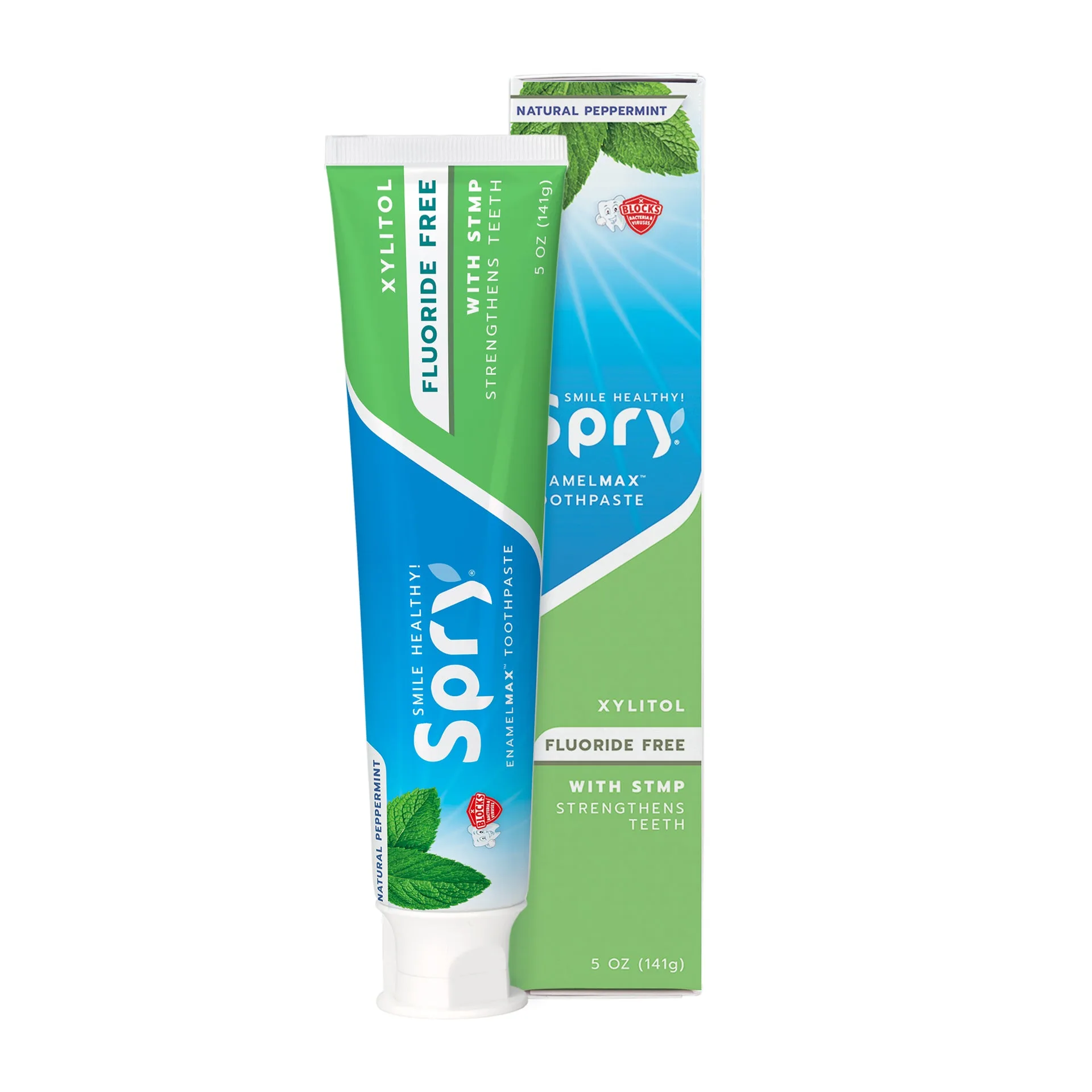
Tartar Control Fluoride-Free Toothpaste
Toothpaste also tends to have a more familiar taste and texture, which can be reassuring for adults who have used traditional toothpaste their whole lives. If you're transitioning your family to xylitol, starting with a toothpaste might make the switch smoother.
- Provides effective plaque and stain removal.
- Familiar texture and taste for easy transition.
- Available in fluoride-free formulas for those avoiding fluoride.
Xylitol Tooth Gel vs Toothpaste: Key Differences
When comparing xylitol tooth gel vs toothpaste, it's important to consider factors like texture, ingredients, and intended use. Here's a quick breakdown to help you decide:
Texture: Gels are smooth and non-abrasive, while toothpastes have a slightly gritty texture that aids in physical cleaning. If you or your child have sensitive teeth, a gel might be more comfortable.
Ingredients: Tooth gels often include soothing agents like aloe or chamomile, whereas toothpastes may focus more on stain removal and tartar control. Both can be fluoride-free, so you can choose based on your family's preferences.
Kid-Friendliness: Gels are generally more appealing to children because they don't have the gritty feel that some kids dislike. However, some toothpaste brands offer fun flavors that can also encourage brushing.
Effectiveness: Both are effective at delivering xylitol's benefits, but toothpastes may provide a more thorough clean due to their abrasives. For daily use, either option will help maintain oral health.
- Gels are smoother and gentler; toothpastes offer more abrasive cleaning.
- Gels often include soothing ingredients; toothpastes focus on plaque removal.
- Both are available in fluoride-free formulas.
Choosing the Right Option for Your Family
When deciding between xylitol tooth gel and toothpaste, consider your family's unique needs. If you have young children who are picky about texture, a gel might be the best starting point. On the other hand, if you're looking for a product that tackles tartar and stains, a toothpaste like the Tartar Control Fluoride-Free Toothpaste could be your go-to.
For families with multiple members, it's perfectly fine to use both! You can keep a gel for the kids and a toothpaste for the adults. The key is to ensure everyone is using a xylitol-based product to maximize cavity protection.
Also, don't forget to pair your oral care routine with other xylitol products for a comprehensive approach. For instance, chewing 550ct Xylitol Gum after meals can help stimulate saliva and neutralize acids, complementing your brushing routine.
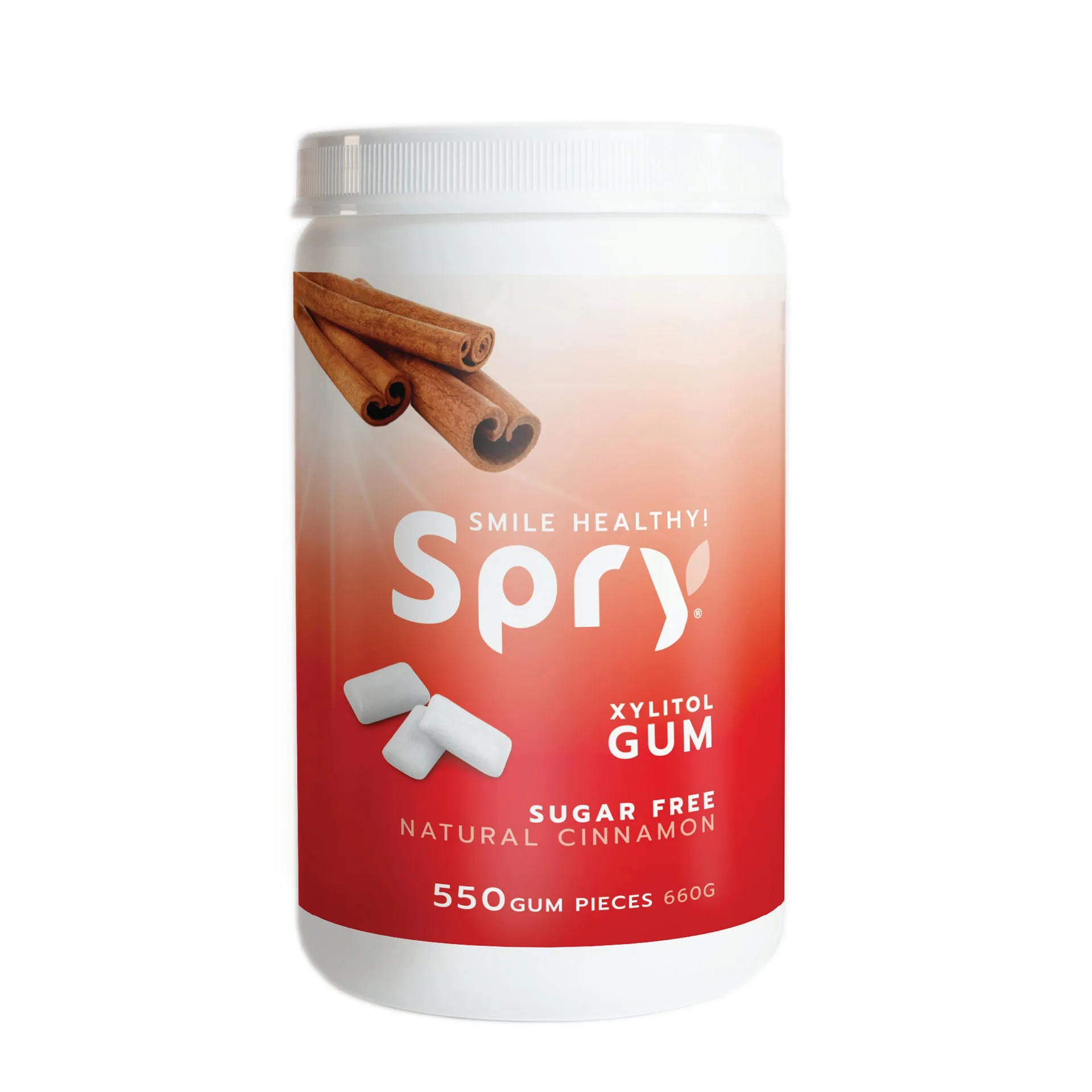
550ct Xylitol Gum
- Assess texture preferences and sensitivity levels.
- Consider specific needs like tartar control or soothing ingredients.
- Mixing both products can work well for different family members.
Frequently Asked Questions
Is xylitol tooth gel as effective as toothpaste? Yes, both are effective at preventing cavities when used regularly. The main difference is texture and additional ingredients, not efficacy.
Can children use xylitol toothpaste? Absolutely. Many xylitol toothpastes are designed for kids and are fluoride-free, making them a safe choice. Always supervise young children to ensure they spit out the toothpaste.
Are there any side effects of xylitol? Xylitol is safe for humans, but it is extremely toxic to dogs. Keep all xylitol products out of reach of pets.
Ultimately, the choice between xylitol tooth gel and toothpaste comes down to personal preference and your family's oral care needs. Both offer excellent cavity protection and are fluoride-free options that support a healthy smile. Whether you opt for a gentle gel or a traditional toothpaste, incorporating xylitol into your daily routine is a smart move. To get started, explore our range of xylitol oral care products and find the perfect match for your family.