Quick Answer
For most toddlers, a xylophone is the better first instrument because it's easier to produce a satisfying sound and builds hand-eye coordination. Harmonicas are great for older kids who can control their breath and want a portable, melody-making challenge.
Why Xylophones Are Often the Best First Choice
Xylophones are intuitive: even the youngest children can strike the bars and immediately hear a note. This instant feedback encourages experimentation and builds confidence. The Stephen Joseph Xylophone, for example, is designed to invite even shy children to give it a go, making it a gentle introduction to music.
Playing a xylophone also promotes dexterity and hand-eye coordination, which are essential skills for toddlers. The physical act of aiming and striking helps develop motor control in a fun, musical way.
The Case for Harmonicas: Portability and Breath Control
Harmonicas are compact and durable, making them ideal for travel or tossing into a diaper bag. They introduce kids to breath control and the concept of producing different pitches by changing airflow, which is a unique skill not found in most other first instruments.
However, harmonicas require more coordination between breath and mouth placement. Young toddlers may struggle to produce clear notes, leading to frustration. They are better suited for children who have developed some lung capacity and fine motor control, typically ages 4 and up.
Durability and Maintenance: A Practical Trade-off
Xylophones are generally more robust and easier to clean—just wipe the bars. Harmonicas, on the other hand, require more care: moisture from saliva can affect the reeds, so they need regular drying and cleaning. For parents, this means a xylophone may be a more low-maintenance option for daily use.
How to Choose Between a Xylophone and a Harmonica
- Age and Motor Skills: For children under 3, choose a xylophone because it requires less fine motor control and provides immediate success. For ages 4 and up, a harmonica can be a rewarding challenge. Consider your child's current ability to coordinate hands and breath.
- Sound and Musical Exploration: If you want your child to explore melody and pitch freely, a xylophone allows for easy experimentation. If you want to introduce breath control and a different type of sound, a harmonica is unique. Think about what musical skills you want to nurture first.
- Portability and Durability: Harmonicas are more portable and can be carried anywhere, but they require careful cleaning. Xylophones are sturdier and easier to maintain, but they are bulkier. Assess where your child will most often play with the instrument.
Featured Products
-
Xylophones: The Stephen Joseph Xylophone features friendly characters that invite even shy children to play, while promoting dexterity and hand-eye coordination. This makes it an excellent first instrument for toddlers who need encouragement and want to develop motor skills through music.
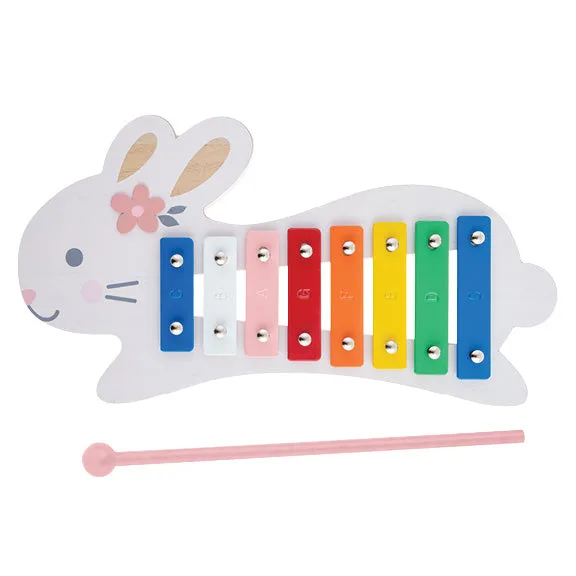
Xylophones
-
Recorder Flutes: The Stephen Joseph Recorder Flute uses the same finger placement as many woodwind instruments, making it a bright and colorful introduction to music. This means it can be a stepping stone to learning more advanced woodwind instruments later, but it requires more precise finger coordination than a xylophone.
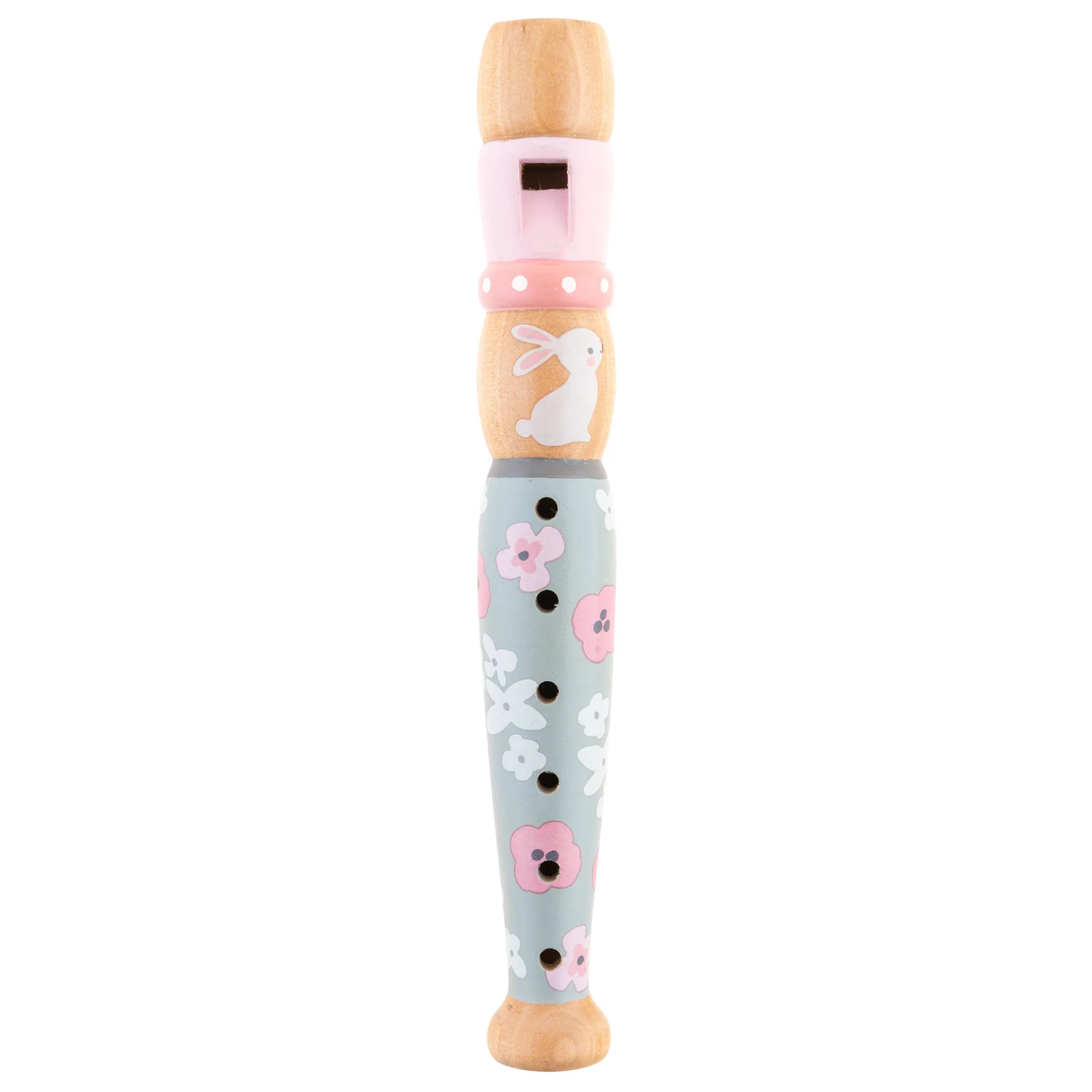
Recorder Flutes
Which Instrument Fits Your Child?
Best for
- Toddlers and preschoolers who need a forgiving, easy-to-play first instrument
- Kids who enjoy visual and physical feedback from striking keys or bars
Not for
- Older children who are ready for breath control and want a pocket-sized instrument
- Parents looking for a low-maintenance, travel-friendly option (a harmonica may be better)