Why a Cabinet Lock Makes Sense for Kitchen and Office
Cabinets hold everything from cleaning supplies and sharp knives to office documents and expensive electronics. A keyless cabinet lock lets you control access without fumbling for keys or drilling extra holes. The Yale Smart Cabinet Lock with Bluetooth is designed for exactly this kind of use: it replaces a traditional lock with Bluetooth-based keyless entry, so you can open cabinets with your phone or a paired device.
This guide explains what the lock does, where it fits best, and what you need to know before installing it. Since the catalog does not include detailed assembly instructions, we will focus on the practical decisions that affect placement and daily use.
What the Yale Smart Cabinet Lock with Bluetooth Offers
-
Yale Smart Cabinet Lock with Bluetooth: The Yale Smart Cabinet Lock with Bluetooth is a Yale-branded cabinet lock designed for keyless access using Bluetooth technology. It is part of the Yale CBA category and is offered in a Bluetooth configuration. This tells you the lock uses Bluetooth rather than Wi-Fi or Z-Wave, so it pairs directly with your phone without needing a hub. The Bluetooth range typically covers a room or adjacent rooms, which is fine for a single cabinet bank.
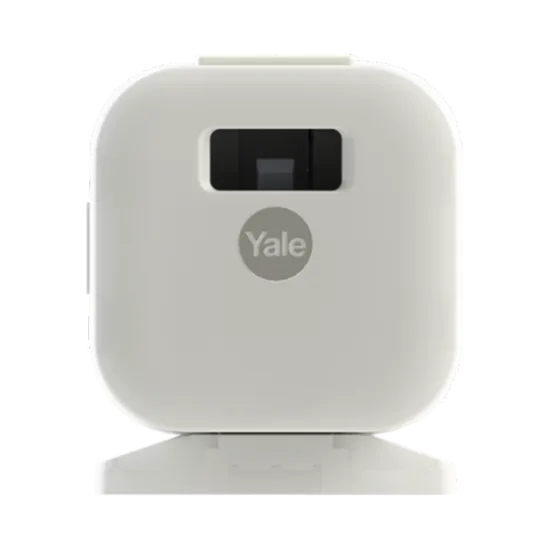
Yale Smart Cabinet Lock with Bluetooth
Where to Install the Lock
The lock is intended for cabinet doors. Common spots in a kitchen include under-sink cabinets (where cleaning chemicals are stored), spice cabinets, or drawers with sharp tools. In an office, you might use it on a filing cabinet, a supply closet, or a drawer containing sensitive documents.
Because the lock uses Bluetooth, think about the distance between the lock and where you usually carry your phone. If the cabinet is far from your desk or kitchen counter, test the Bluetooth range before finalizing the installation. The catalog does not specify a maximum range, so a quick test with the lock in hand can save you from drilling holes in the wrong spot.
Planning the Installation
The following steps are based on general cabinet lock installation practices, not on specific instructions from the catalog. The catalog does not include mounting hardware details or step-by-step assembly steps, so you should verify the lock's fit on your cabinet before committing.
- Check cabinet door thickness and material: Most cabinet locks work on wood, MDF, or metal doors. Measure the door thickness and compare it with the lock's mounting bracket. The catalog does not list thickness limits, so a physical fit test is essential.
- Position the lock and mark drill points: Hold the lock against the inside of the cabinet door at the desired height. Use a pencil to mark where screws or adhesive pads go. The catalog does not specify whether the lock uses screws or adhesive, so check the product packaging.
- Install the lock and test the mechanism: Secure the lock according to its included instructions. Once mounted, pair it with your phone via Bluetooth and test that the latch engages and releases smoothly. Adjust the position if the lock binds or the door does not close fully.
Daily Use and Battery Considerations
After installation, the lock operates silently and opens when your phone is nearby and authenticated. The catalog does not specify battery type or life, so plan to replace batteries periodically. A low-battery alert in the Yale app (if available) can warn you before the lock stops responding.
If the lock stops responding to Bluetooth, try moving your phone closer to the lock. If that does not help, check the battery compartment for corrosion or loose connections. The catalog does not include troubleshooting steps, so contacting Yale support may be necessary for persistent issues.
What the Catalog Does Not Tell You
The catalog confirms the lock's brand, model (YRCB-490-BLE-WSP), and Bluetooth technology, but it does not include:
- Maximum door thickness or material compatibility
- Mounting hardware type (screws, adhesive, or both)
- Battery type or expected battery life
- Water or moisture resistance rating
- Bluetooth range in open air or through walls
Because these details are missing, treat the lock as a general-purpose indoor cabinet lock. Do not install it on exterior doors, in wet areas, or on cabinets that exceed typical residential door thickness without verifying fit first.