The case for a yellow tomato in the pantry
Most canned tomatoes in a home pantry are red, and most are built for cooking down into sauce. These are neither. Whole Spring Unpeeled Yellow Datterini Tomatoes are small, oval, golden tomatoes preserved in their own juice, and the supplied description positions them as something closer to a finishing ingredient than a base.
That distinction is the whole buying decision. If you want a can that disappears into a long-simmered ragù, this is probably not the one to reach for first. If you want something bright and sweet that can go from can to plate with almost no cooking, it is worth a closer look.
What the label and description actually say
-
Whole Spring Unpeeled Yellow Datterini Tomatoes: Whole, unpeeled little tomatoes preserved in their own juice, sold in a 14.1 oz can. Packing in their own juice means you can use the entire can, liquid included, rather than draining and discarding flavor.
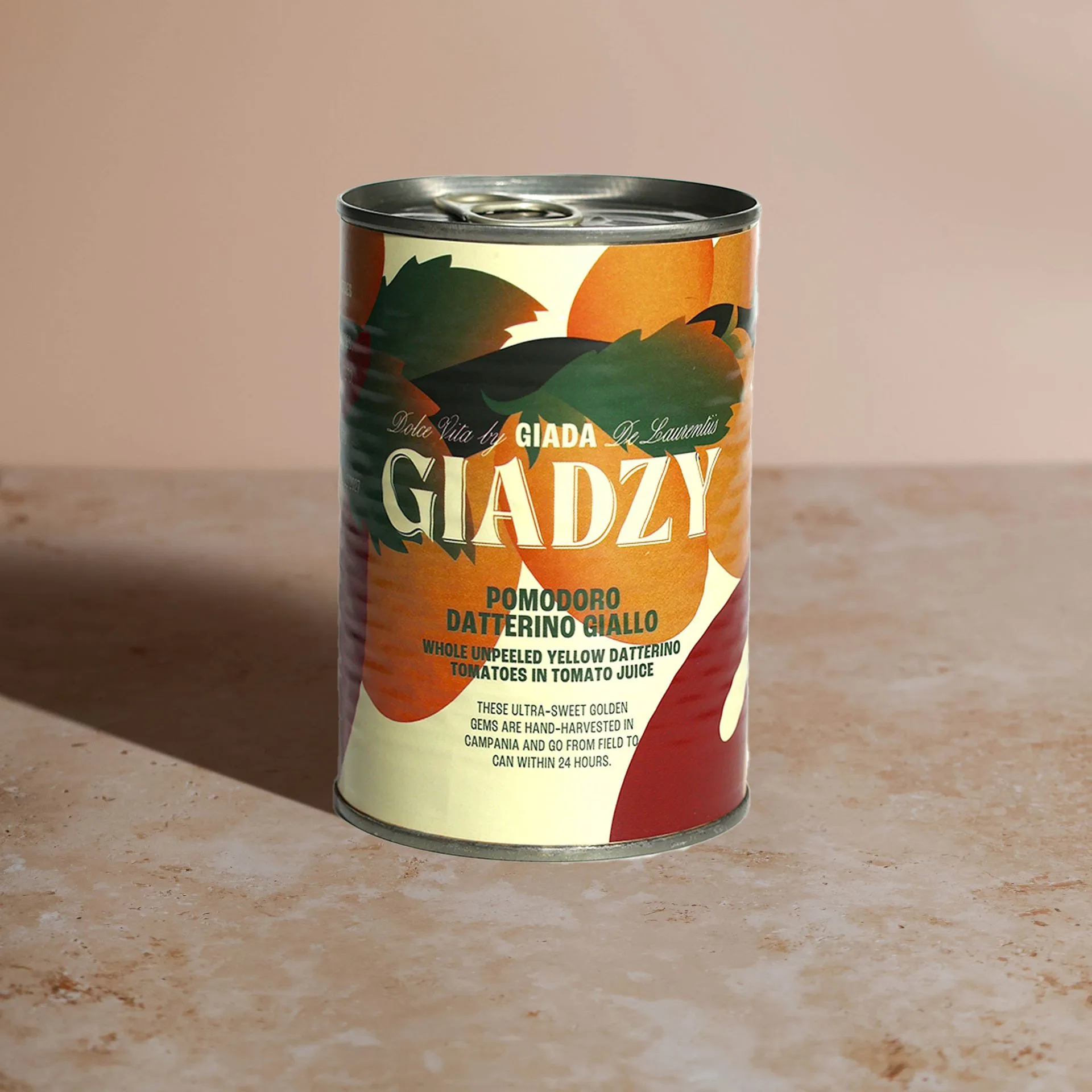
Whole Spring Unpeeled Yellow Datterini Tomatoes
-
Whole Spring Unpeeled Yellow Datterini Tomatoes: Yellow datterini are described as having the highest sugar content of any tomato variety, with minimal acidity. This is the core of the sweet-versus-tart trade-off: you get a sweeter, less acidic tomato, which changes how much seasoning and cooking the dish needs.
-
Whole Spring Unpeeled Yellow Datterini Tomatoes: Hand-harvested in Campania and taken from field to can within 24 hours. It explains the fresh, summer-peak character the description leans on, and why the product is pitched as year-round tomato season.
Datterini versus the cherry tomatoes you already buy
The supplied description makes a direct comparison, and it is a useful one when you are standing in the aisle deciding whether to swap.
- Sweetness and acidity: Datterini are described as naturally sweeter than a standard cherry tomato, with minimal acidity. Cherry tomatoes vary widely, so expect a rounder, less tangy profile.
- Shape and seeds: These are oval with fewer seeds. That matters if you dislike the seed-heavy texture of some cherry tomatoes in salads or on pizza.
- Fresh versus canned: These are canned, not fresh. The trade-off is convenience and consistency against the texture of a fresh tomato; the description's claim is that they taste like a sun-ripened tomato off the vine.
Where these tomatoes earn their place
The supplied uses are specific, and they all lean on the same trait: the tomato should still taste like itself.
- Straight from the can: The description says they are rich and sweet enough to eat right out of the can, which is an unusual claim for a canned tomato and a good test of whether this product suits you.
- Pizzas and salads: Called out as a sunny addition to both, where a whole, unpeeled tomato reads as a topping rather than a sauce.
- Composed pastas: The description specifies composed pastas rather than saucy ones, matching the idea that these need hardly any cooking.
The honest trade-offs before you add a can
Sweetness cuts both ways. A tomato with minimal acidity will not give you the bright, sharp backbone that many red canned tomatoes provide, so if your cooking relies on that tang, taste a can before committing to a case.
The 14.1 oz size is also worth noting. It is a modest can, and the description encourages using the whole thing, so plan a dish around one can rather than expecting leftovers to keep. The supplied information does not include storage guidance after opening, so treat an opened can as you would any opened canned tomato and follow your own food-safety practice.
Finally, the supplied record does not confirm allergen-free status, dietary suitability, or shelf life. If you are buying for someone with restrictions, check the physical label rather than relying on the product description.
Who should buy this can, and who should skip it
Buy it if you keep a pantry for fast, low-effort meals and want a tomato that can be eaten as is, scattered over a pizza, or tossed through a composed pasta. The sweet, low-acid profile is the draw, and the whole-can packing means nothing is wasted.
Skip it if your cooking depends on a tart, acidic tomato for long sauces, or if you need confirmed allergen and dietary information before purchase. In those cases, a standard red canned tomato is the safer default, and this yellow datterini is better treated as a specific ingredient for specific dishes.