Quick answer
A dedicated yoga bag is the better choice for most people carrying a mat to class. It is sized to hold a rolled mat securely, keeps the mat separate from other items, and often includes a strap or carry handle designed for comfort. A gym bag can work if you already own one and your mat fits inside, but you may sacrifice protection and easy access.
You are heading to class and need to carry your mat. Do you grab a dedicated yoga bag or toss the mat into your gym bag? The answer depends on how you travel, what else you carry, and how much you care about keeping your mat clean and protected.
This comparison looks at the practical differences between yoga bags and gym bags. We will cover fit, protection, comfort, and the trade-offs of each option so you can decide which carrier suits your routine.
Fit: Does your mat actually fit?
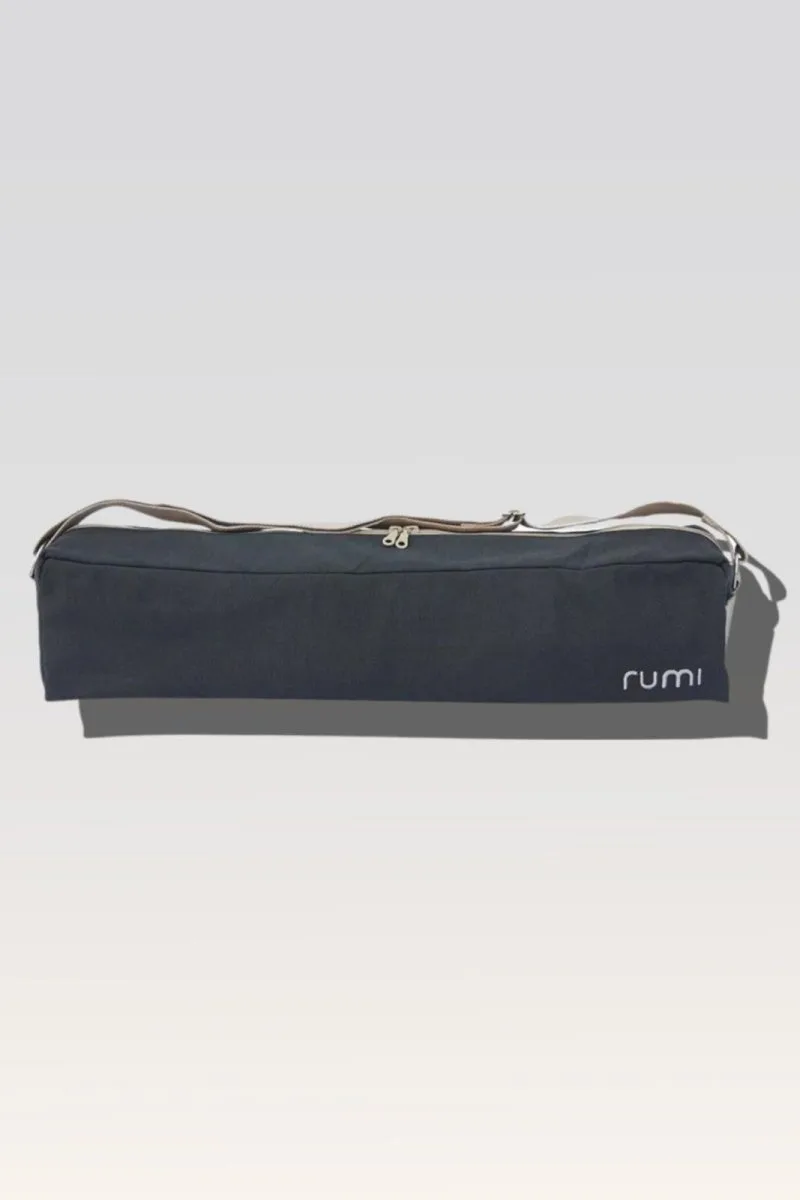
Yoga bags are designed around the size of a rolled mat. For example, the Studio / Home Yoga Mat Bags are made for 3 or 4mm yoga mats, so you know your mat will slide in without forcing. Gym bags come in many sizes, but most are not shaped for a rolled mat; they may be too short, too wide, or have compartments that let the mat shift around.
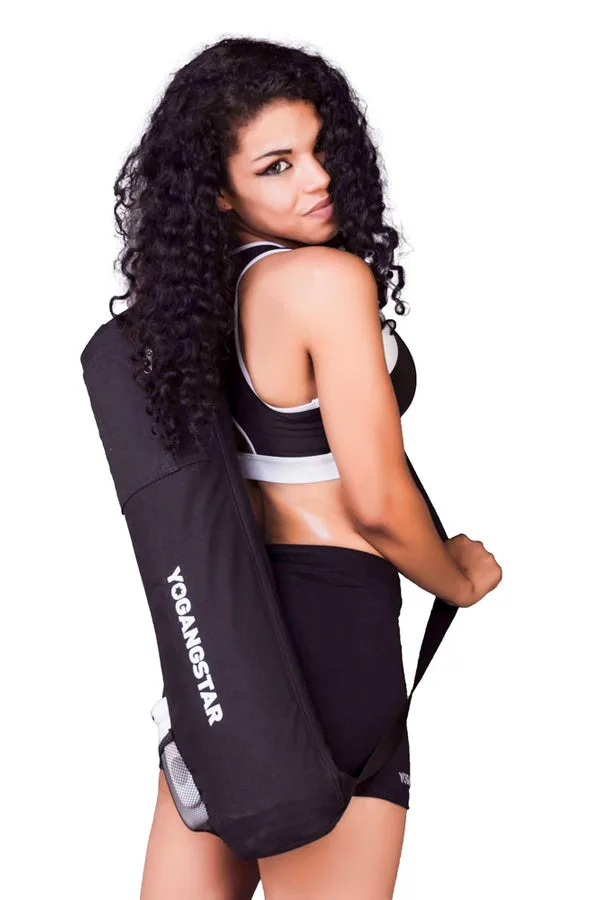
Studio / Home Yoga Mat Bags
If you use a thicker mat or a travel mat, check the bag's dimensions before buying. A bag that is too small will leave your mat sticking out, while an oversized gym bag can let the mat unroll and take up space meant for clothes or shoes.
- Measure your rolled mat's length and diameter before choosing a bag.
- Look for a bag that lists the mat thickness it accommodates.
Protection: Keeping your mat clean and intact
A dedicated yoga bag keeps your mat away from dirty shoes, sweaty clothes, and sharp objects. The Studio / Home Yoga Mat Bags are made from 100% natural cotton, which breathes and helps prevent odour buildup. Gym bags often have multiple compartments, but unless you use a separate sleeve, your mat shares space with everything else.
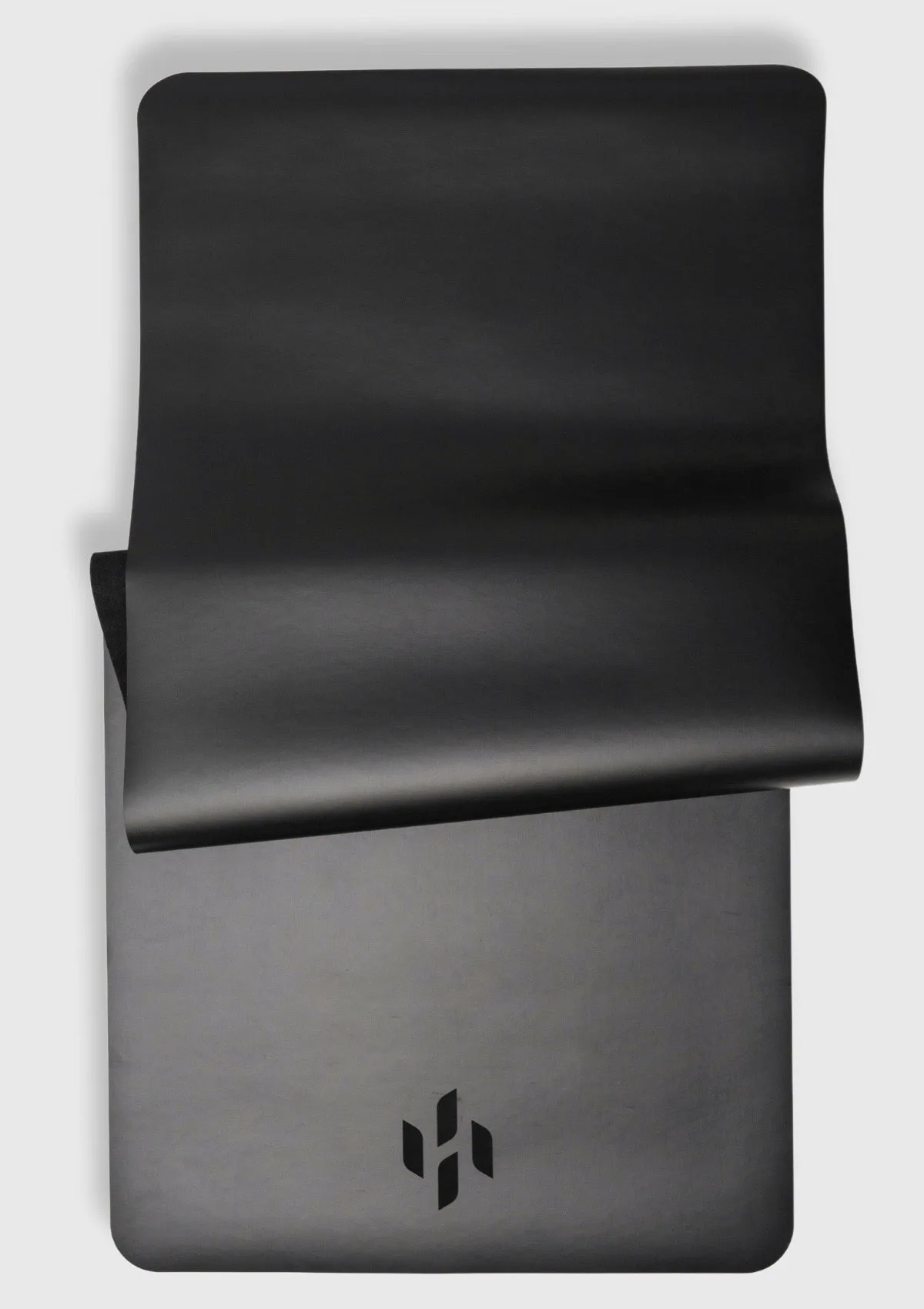
If you practice on a suede-topped mat like the Lotus Pastel Yoga Mat, which has a luxurious suede towel top and a 4mm natural tree rubber base, you will want to avoid abrasive contact. A gym bag with rough zippers or hard items can scuff the surface over time.
- Use a dedicated mat bag or a clean sleeve inside a gym bag to protect the mat surface.
- Avoid storing a damp mat in any bag; let it dry fully first.
Comfort: Straps, backpacks, and carrying options
Most yoga bags come with a shoulder strap or backpack straps. The Studio / Home Yoga Mat Bags include a carry strap, side pocket, and water bottle holder, so you can carry your mat, bottle, and small essentials in one trip. Gym bags usually have handles or a shoulder strap, but a loaded gym bag can be heavy and bulky.
If you walk or cycle to class, a backpack-style yoga bag distributes weight evenly. A gym bag carried on one shoulder may dig in, especially if you also carry a mat under your arm.
- Test the strap width and padding if you carry your bag for more than a few minutes.
- A bag with a water bottle holder keeps your hands free.
Capacity: What else do you need to carry?
Yoga bags are minimal by design: they hold a mat and a few small items. If you only need your mat, a wallet, and a phone, a yoga bag is enough. Gym bags offer more space for clothes, shoes, towels, and toiletries, which is useful if you shower at the gym or combine yoga with other workouts.
However, extra space can encourage overpacking. If you carry a heavy load, a gym bag may become uncomfortable. Consider how much you truly need for a yoga class; often less is more.
- List your essentials for a typical class to decide on capacity.
- If you carry a laptop or gym clothes, a gym bag may be more practical.
Durability and care
Yoga bags made from natural cotton, like the Studio / Home Yoga Mat Bags, are machine washable and breathable. Gym bags are often made from synthetic materials that wipe clean but may trap odours. Both can last for years with proper care.
Think about how often you will clean the bag. A cotton yoga bag can be tossed in the wash, while a gym bag may need spot cleaning. If you sweat heavily or practice outdoors, a washable bag is easier to keep fresh.
- Check the care label before buying; machine washable is a plus.
- Empty and air out your bag after each use to prevent mildew.
Trade-offs: Yoga bag vs gym bag
- Protection vs convenience: A yoga bag keeps your mat separate and protected, but it usually has less room for other gear. A gym bag offers more space but may expose your mat to dirt and abrasion. Choose based on what you value more: a clean mat or extra cargo space.
- Comfort vs capacity: Yoga bags are lightweight and often have a simple shoulder strap, making them comfortable for short trips. Gym bags can carry more but may become heavy and awkward. If you carry a lot, consider a gym bag with a padded strap; if you travel light, a yoga bag wins.
- Dedicated fit vs one-bag-does-all: A yoga bag is sized for mats, so it fits well and looks tidy. A gym bag may fit your mat but not perfectly, leading to shifting and wasted space. For a streamlined carry, a yoga bag is the better fit; for multi-purpose use, a gym bag is more flexible.
Product facts that matter for carrying
- Studio / Home Yoga Mat Bags: Designed for 3 or 4mm Yoga mats; 100% Natural Cotton Yoga Bag with Side Pocket, Water Bottle Holder and Carry Strap. This bag is purpose-built for slim mats, so it holds them securely. The cotton construction breathes, and the side pocket and bottle holder keep essentials accessible.
- Lotus Pastel Yoga Mat + Free Yoga Bag: Luxurious suede towel top, 4mm thick base, 100% Natural Tree Rubber, simple to wipe down clean and machine washable. The suede surface can be scuffed by rough gym bag interiors, so a dedicated bag or a protective sleeve helps maintain the mat's appearance. The 4mm thickness fits bags designed for 3-4mm mats.
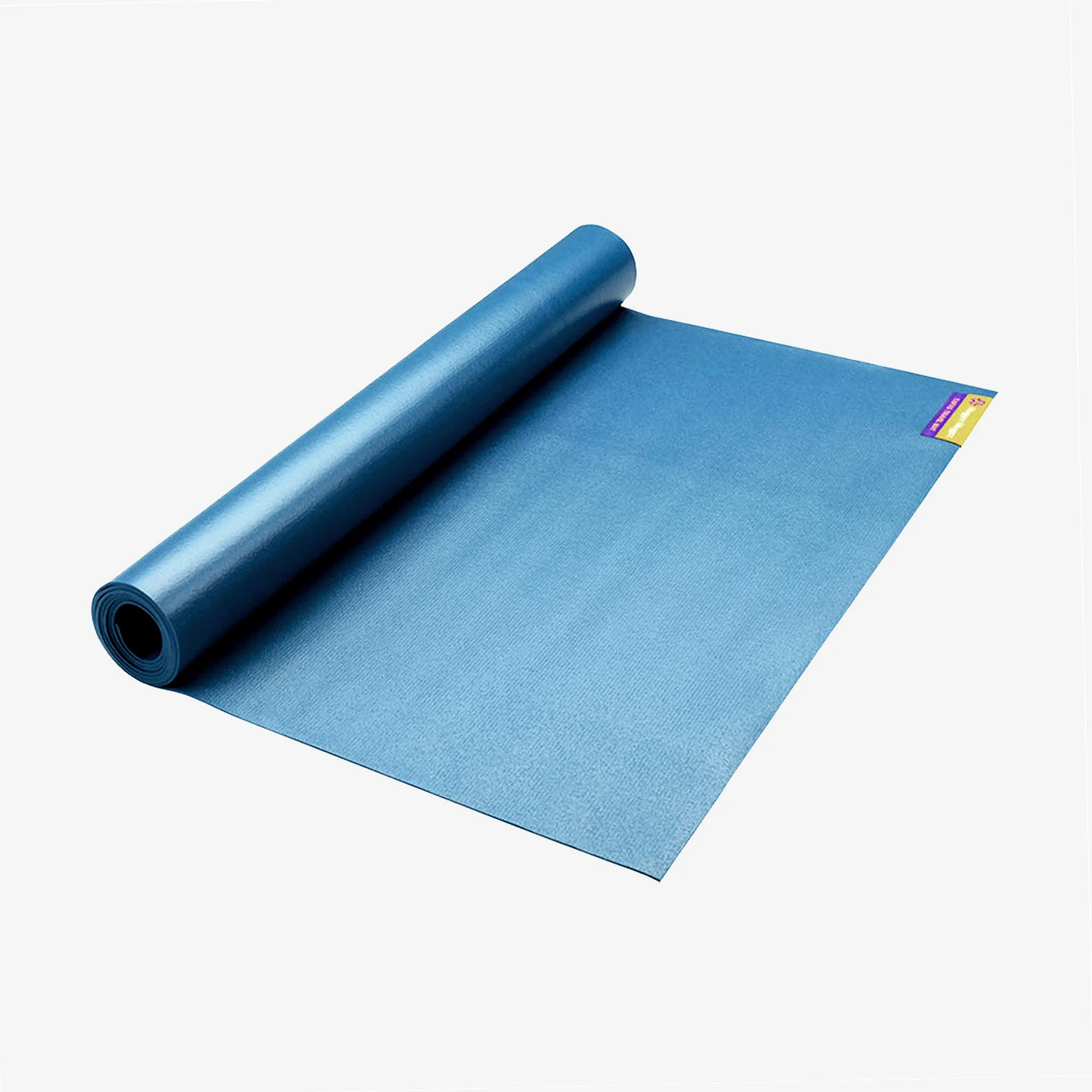
- Oriental Goddess Yoga Travel Mat + Free Yoga Bag: Lightweight Yoga Mat weighs only 1.75kg, has a Luxurious Suede Towel Top. At 1.75kg, this mat is easy to carry in a yoga bag or a gym bag, but the suede top still benefits from a smooth, clean compartment.
Which should you choose?
Best for
- Yogis who carry only a mat and small essentials to class.
- Those who want to protect a suede or natural rubber mat from dirt and scuffs.
- Commuters who prefer a lightweight, hands-free carry.
Not for
- People who need to carry gym clothes, shoes, and toiletries in the same bag.
- Those who combine yoga with other workouts and prefer one bag for everything.
- Anyone who already owns a gym bag with a dedicated mat compartment that works for them.
A dedicated yoga bag is the simpler, cleaner way to carry your mat to class. It protects your mat, keeps your hands free, and is designed for the job. If you need to carry more gear, a gym bag can work, but be mindful of how you pack your mat to avoid damage. Whichever you choose, make sure your mat fits well and stays protected.