Quick answer
For most people, a foam block is the easiest all-rounder: light, affordable, and stable. Choose bamboo if you want a renewable material and don't mind a firmer, heavier feel. Choose cork if grip under sweaty hands matters most to you. If you're unsure, start with foam and add a second material later for specific poses.
How the three materials actually differ
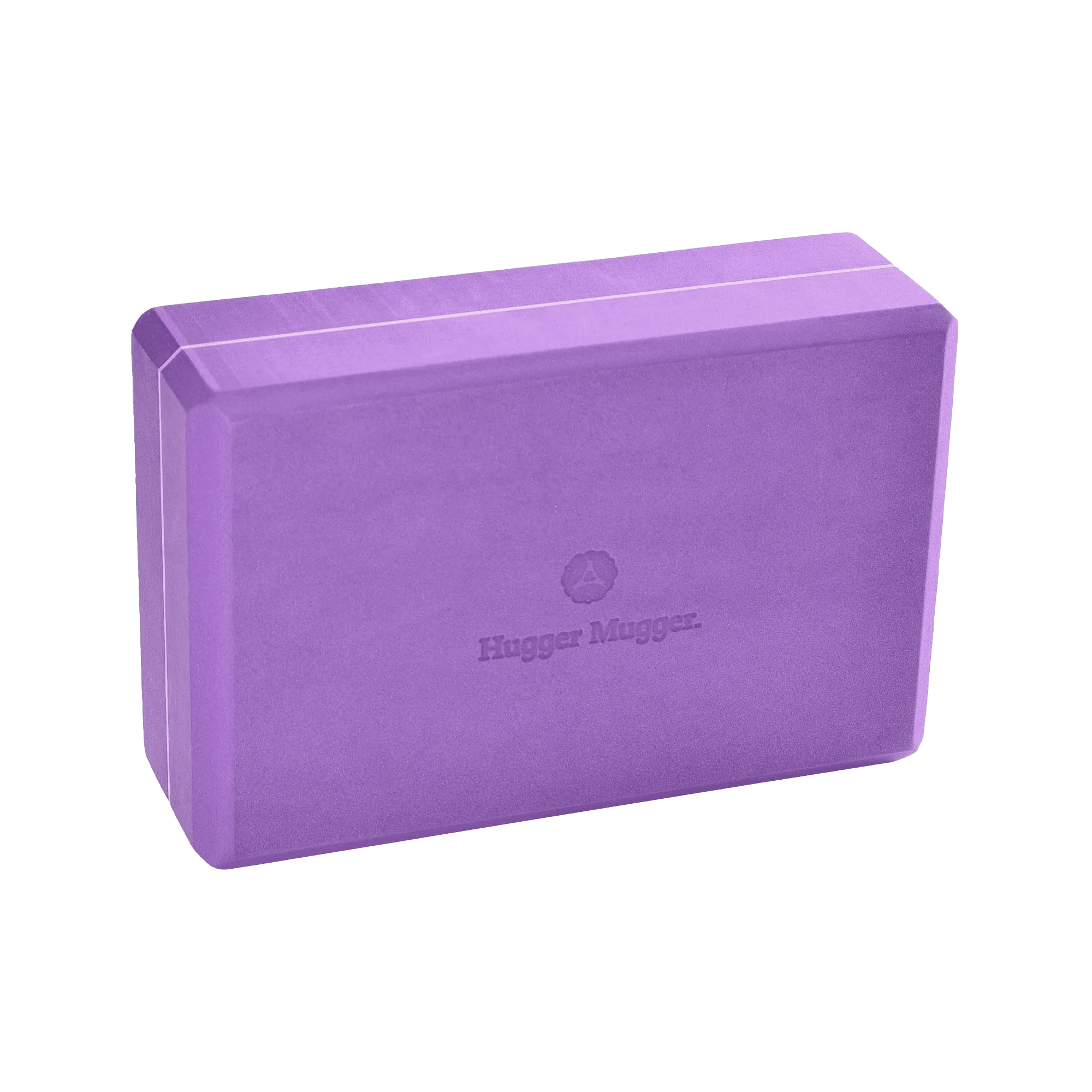
Foam blocks are typically the lightest and most forgiving. They compress slightly under weight, which can feel gentler on wrists and hips, and they're easy to wipe clean. The trade-off is that softness: on very sweaty hands, foam can feel slicker than cork.
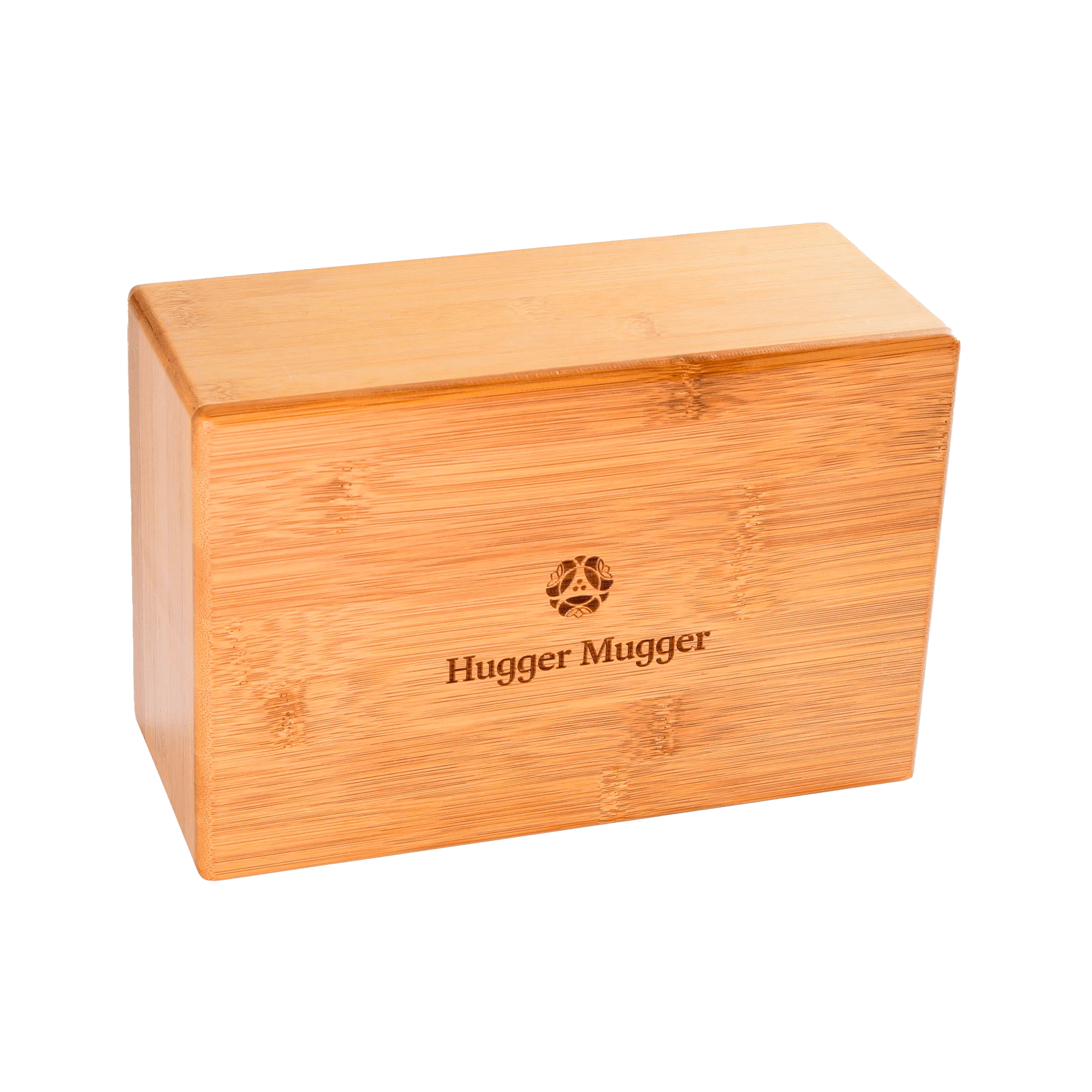
Bamboo blocks are made from a fast-growing renewable material and feel denser and firmer than foam. That firmness gives a very stable base for standing poses and balance work, but it also means less cushioning and more weight to carry. Bamboo is a strong choice if your priority is sustainability and long-term durability.
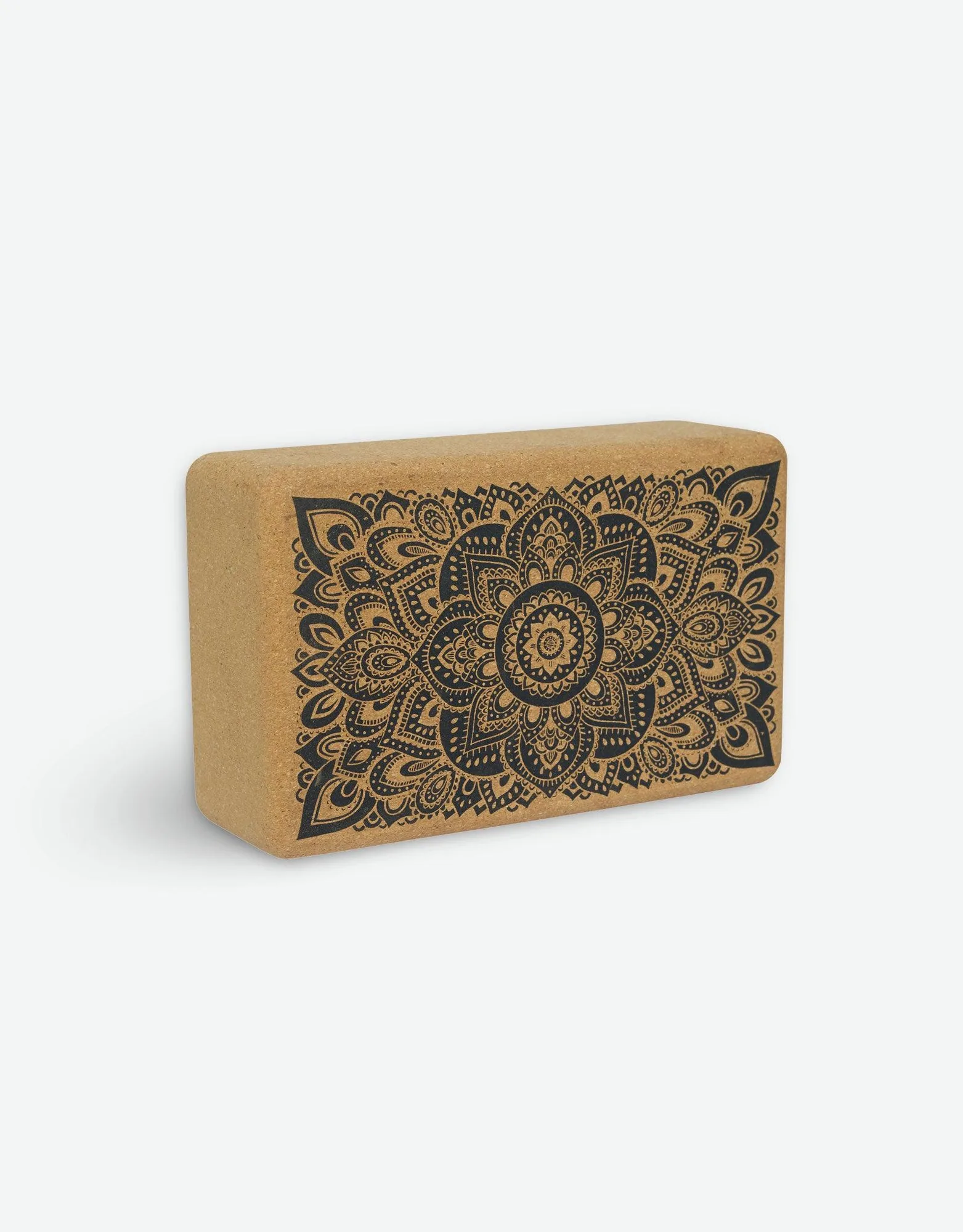
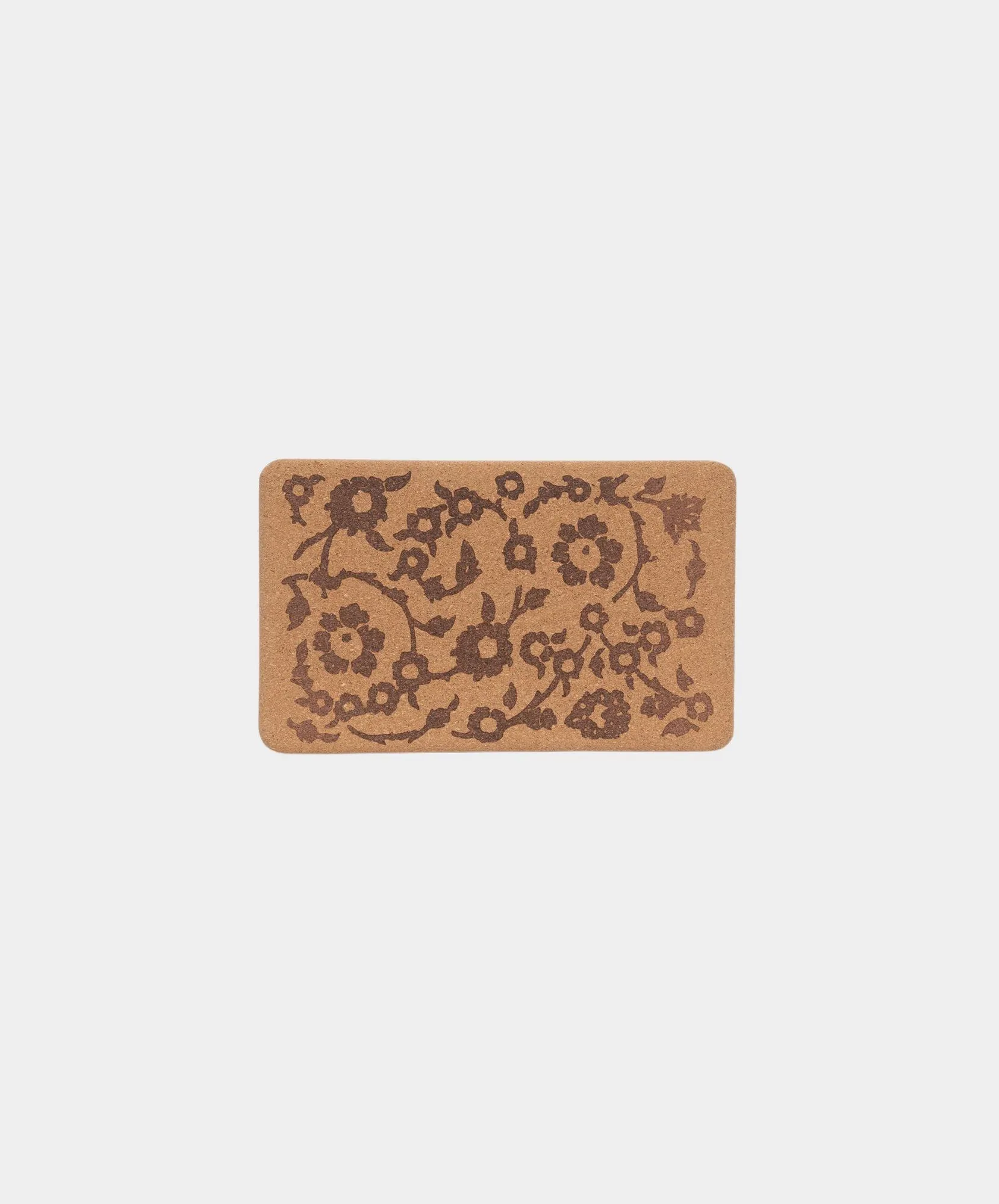
Cork blocks are naturally grippy, especially when damp, and they tend to feel solid and grounded. They're heavier than foam and usually cost more, and some cork can have a slight earthy smell when new. For hot yoga or sweaty practices, cork is often the most secure option.
Grip, weight, and stability at a glance
Grip: cork generally wins for sweaty hands because it becomes tackier with moisture. Foam is fine for dry hands but can slide when wet. Bamboo sits in the middle—firm and stable, though not naturally moisture-grippy.
Weight: foam is the lightest, which matters if you carry blocks to class. Bamboo and cork are heavier, so they're better left at home or used in a dedicated studio space.
Stability: bamboo and cork feel more solid underfoot for standing balances. Foam gives a little, which some people prefer for restorative poses and joint support.
Matching the material to your practice
If you practice hot yoga or your hands sweat easily, prioritize grip: cork first, then a textured foam. If you mostly do restorative or yin poses and want gentle support, foam's slight give is an advantage.
If you travel or commute to class, weight is the deciding factor—foam blocks are the easiest to toss in a bag. If you want a block that stays put in one home studio and reflects your eco-friendly values, bamboo or cork are worth the extra weight.
You don't have to pick just one. Many yogis keep a foam block for travel and a cork or bamboo block for home practice, using each where it performs best.
Trade-offs to weigh before you buy
- Foam: light and affordable vs. less grip when wet: Foam blocks are the easiest to carry and the most budget-friendly, and their slight compression feels kind to wrists and hips. But on sweaty hands they can slide, so they're not the best pick for hot yoga. Best if you want a light, versatile block for home and studio use in normal conditions.
- Bamboo: renewable and firm vs. heavier and less cushioned: Bamboo is a fast-growing renewable material and gives a very stable, firm base for standing poses. The trade-off is weight and less give under pressure, which some people find less comfortable in restorative poses. Best if sustainability and stability matter more to you than portability.
- Cork: grippy when damp vs. heavier and pricier: Cork naturally grips better as it gets damp, making it a strong choice for sweaty hands. It's usually heavier and more expensive than foam, and may have a slight earthy scent at first. Best if grip in hot or sweaty practice is your top priority.
Product facts
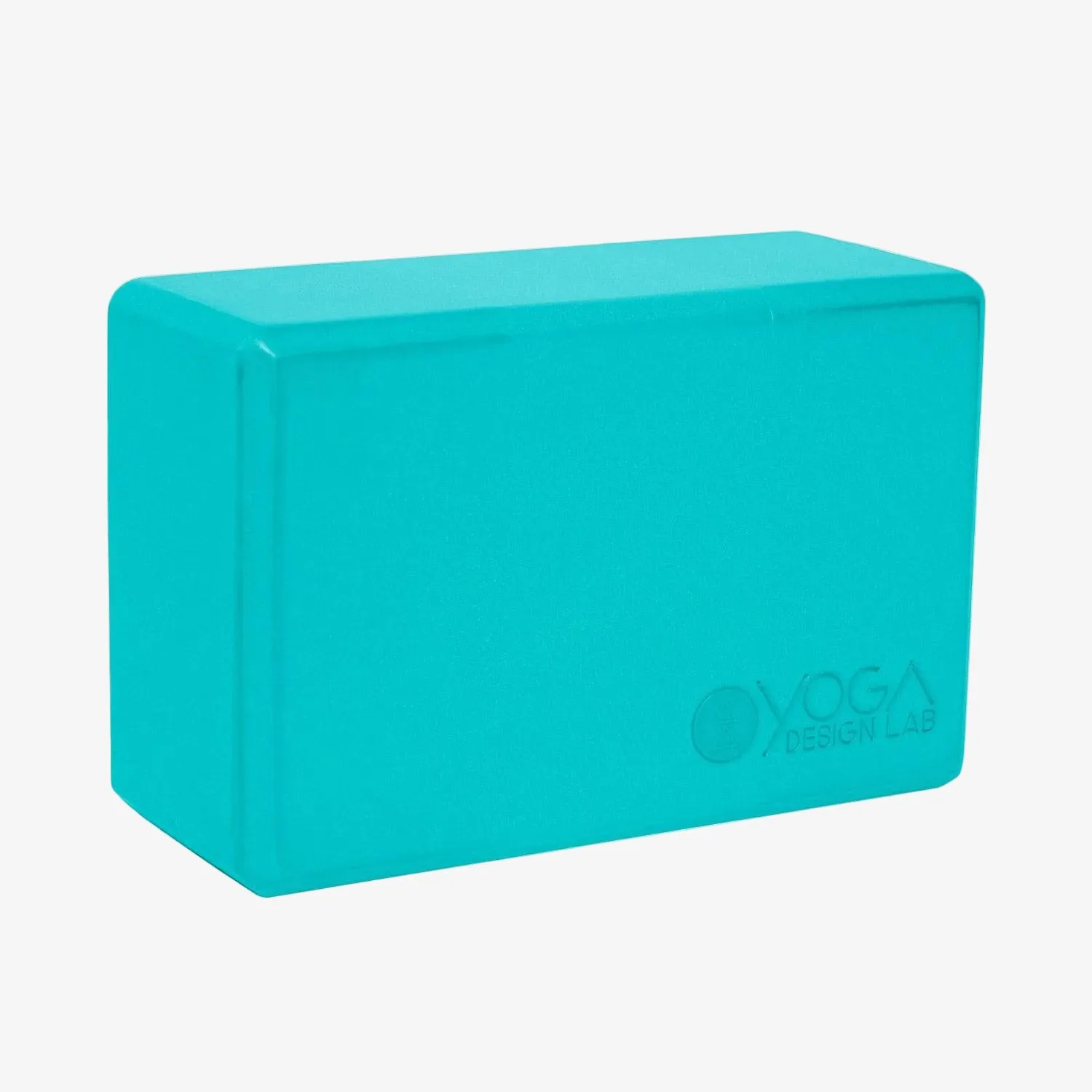
- 4 in. Foam Yoga Block: 4 in. Foam Yoga Block is made from eco-friendly EVA foam and offers a balance of softness and strength, lightweight yet sturdy for stability in poses. A good default if you want a light, affordable block that's easy to carry and gentle on joints.
Foam Yoga Block
- Bamboo Yoga Block: Bamboo Yoga Block is made from bamboo, a fast-growing renewable material, and is described as sturdy and stable. Suits yogis who want a renewable material and a firm, stable base, and who don't mind a heavier block.
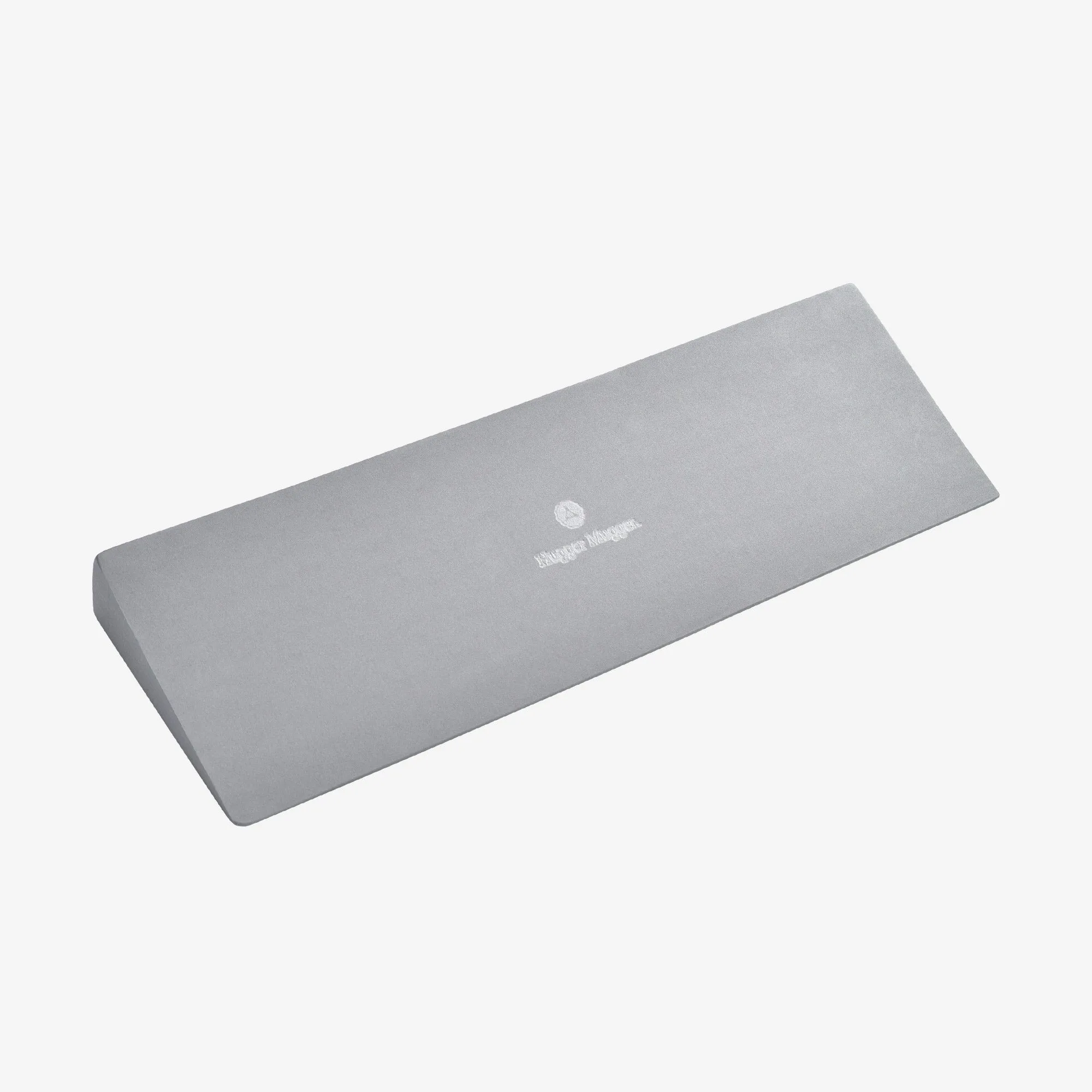
- Foam Yoga Wedge: Foam Yoga Wedge provides subtle elevation to support wrists, ankles, hips, and hamstrings, and is lightweight and easy to position. A useful complement to blocks when you need a gentler slope for wrists or tight hamstrings rather than a full block.
Which material fits you?
Choose this if
- You want a lightweight, affordable block for general home and studio practice: foam.
- You prioritize a renewable material and a firm, stable base: bamboo.
- You practice hot yoga or have sweaty hands and need reliable grip: cork.
Skip this if
- You need maximum grip for hot yoga: foam may disappoint.
- You travel frequently and want the lightest option: bamboo and cork are heavier.
- You want the lowest cost: cork and bamboo typically cost more than foam.