Quick answer
Store yoga blocks on an open shelf or in a ventilated bin, never in a sealed plastic tote. Keep foam blocks out of direct sun and away from heat, and stack cork blocks flat so they do not chip. The goal is simple: blocks should be dry, dust-free, and within arm's reach of your mat so you actually use them.
Blocks are the props you reach for mid-pose, which means their storage has to be fast, not fussy. A bin that takes two hands to open or a shelf behind three other things turns a simple support into a reason to skip it.
The right setup also protects the blocks themselves. Foam and cork age differently, and the wrong spot can leave foam tacky or cork dusty and chipped. This guide walks through a storage process you can set up in an afternoon and keep up with in seconds.
Start by sorting blocks by material and use
Before you buy a single bin, pull every block off the floor and group them. Foam blocks are light and compressible, so they can stack or stand on edge. Cork blocks are denser and heavier, so they need a flat, stable surface where they will not slide or knock together. If you practice with both, keep the pairs separate so you are not digging through a mixed pile.
This sort also tells you how much storage you actually need. Two blocks per person is common, but if you teach or share a home studio you may have six or more. Count them honestly, then measure the shelf or floor space you have. Buying storage before you count is the fastest way to end up with a bin that is either overflowing or half empty.
- Keep foam and cork blocks in separate stacks so you can grab the right density without thinking.
- If you only have one or two blocks, a simple shelf edge or a small open basket is enough.
Choose a spot that stays dry, shaded, and ventilated
Moisture is the main enemy of block storage. Foam blocks can develop a tacky surface or a musty smell if they are packed away damp, and cork can warp or grow mold in a humid, closed space. Avoid basements, garages, and bathrooms unless the area is reliably dry. A bedroom, living room, or dedicated studio corner is usually safer.
Direct sunlight is the second issue. UV light breaks down foam over time, making it brittle and crumbly. A closed cabinet solves that but can trap humidity, so an open shelf or a slatted crate is often the better compromise. If your only option is a sunny spot, use an opaque bin with ventilation holes rather than clear plastic.
- Test the spot with your hand: if it feels damp or noticeably warm, pick somewhere else.
- Leave a little air gap between the wall and the back of the shelf to keep air moving.
Pick a container that matches how you practice
If you practice at home most days, open storage wins. A low shelf, a wire basket, or a canvas bin without a lid lets you grab a block with one hand while you are already in a pose. If you travel with blocks or store them in a shared space, a lidded bin keeps dust off and makes the set portable.
Depth matters more than width. A shallow container lets you see every block at a glance, while a deep bin encourages stacking that hides the bottom layer. For wall space, a simple shelf at knee height is often the most practical yoga block organizer because it doubles as a place to set a strap or a folded blanket.
- Measure your tallest block before buying a bin; standard blocks are usually around 4 inches tall, but check yours.
- Avoid sealed plastic totes for long-term storage unless the blocks are bone dry and the room is climate-controlled.
Store blocks so they keep their shape
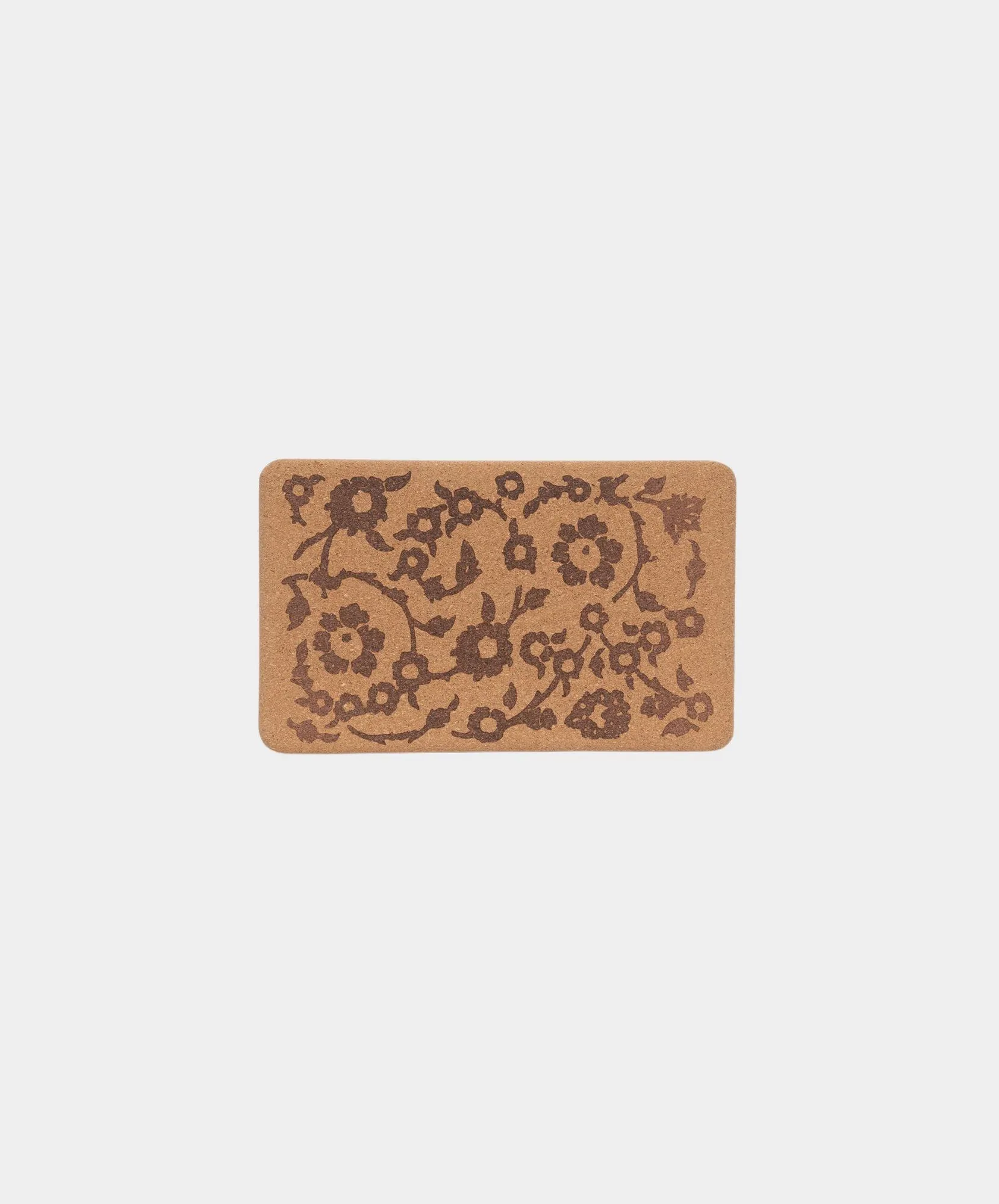
Foam blocks can be stacked flat or stood on edge without much risk. Cork blocks are better stored flat in a short stack, because standing them on a corner can chip the edge over time. Do not pile heavy props on top of foam blocks, since sustained compression can leave dents that affect how stable the block feels under your hand.
If you stack cork blocks, keep the stack low, no more than four or five high, so it does not topple. A small non-slip mat or shelf liner under the bottom block stops the whole stack from sliding when you pull one out. This is a small detail that makes a big difference in daily use.
- Rotate the bottom cork block to the top every few months so wear stays even.
- Never store blocks under a heavy sandbag or a full prop bin.
Build a home yoga studio storage zone around the blocks
Blocks rarely live alone. A workable yoga prop storage setup groups items by how often you use them. Keep blocks, straps, and a blanket at arm's reach of your mat. Put bolsters, sandbags, and seasonal props on a lower shelf or in a nearby basket. The less you have to move to start practice, the more likely you are to use what you own.
Vertical space is often wasted. A tall narrow shelf, an over-the-door rack, or a wall-mounted rail can hold straps and blankets while blocks sit on the shelf below. If you share the room with other activities, a rolling cart or a lidded storage bench lets you clear the space quickly without dismantling your setup.
- Keep the most-used props at hip height or below so you are not reaching overhead mid-flow.
- Label bins if more than one person uses the space, so props go back where they belong.
Clean and check blocks on a schedule
Wipe foam blocks with a damp cloth and a mild cleaner, then let them air dry completely before they go back on the shelf. Cork blocks can be wiped the same way but should not be soaked. A monthly check takes a minute: look for cracks, sticky spots, or a smell that lingers after drying. Any of those signs means the block needs a deeper clean or replacement.
This is also the moment to thin the collection. If a block is crumbling, has lost its shape, or is a size you never reach for, it is taking up space that could hold something you actually use. Storage works best when it holds only what earns its spot.
- Air-dry blocks overnight before stacking them, even after a light wipe.
- If a foam block stays tacky after cleaning, it is likely breaking down and time to replace it.
Your block storage setup in six steps
- Gather and sort every block: Pull all blocks from closets, bags, and floors. Group them into foam and cork piles and count each group. Checkpoint: if you find blocks you forgot you owned, you have too much storage friction, not too many blocks.
- Choose a dry, shaded, ventilated spot: Pick a shelf or floor area away from bathrooms, garages, and direct sun. Feel the surface for dampness before committing. Mistake to avoid: storing blocks in a sealed bin in a humid room, which traps moisture and can leave foam musty.
- Match the container to your practice: Use an open basket or low shelf for daily home practice. Choose a lidded bin only if you travel with blocks or need dust protection. Checkpoint: you should be able to grab one block with a single hand without moving anything else.
- Stack by material: Stack foam flat or on edge, and keep cork stacks low and flat. Put a non-slip liner under the bottom cork block. Mistake to avoid: piling heavy props on foam blocks, which can leave permanent dents.
- Build the surrounding prop zone: Place straps, blankets, and other frequently used props within arm's reach of your mat, and put bolsters and sandbags on a lower shelf or nearby basket. Checkpoint: if starting practice requires moving furniture, rearrange until it does not.
- Clean, dry, and thin the collection monthly: Wipe blocks with a damp cloth and mild cleaner, air-dry overnight, and remove any block that is cracked, tacky, or unused. Mistake to avoid: stacking blocks while still damp, which undoes the point of cleaning.
Props that pair well with a block storage setup
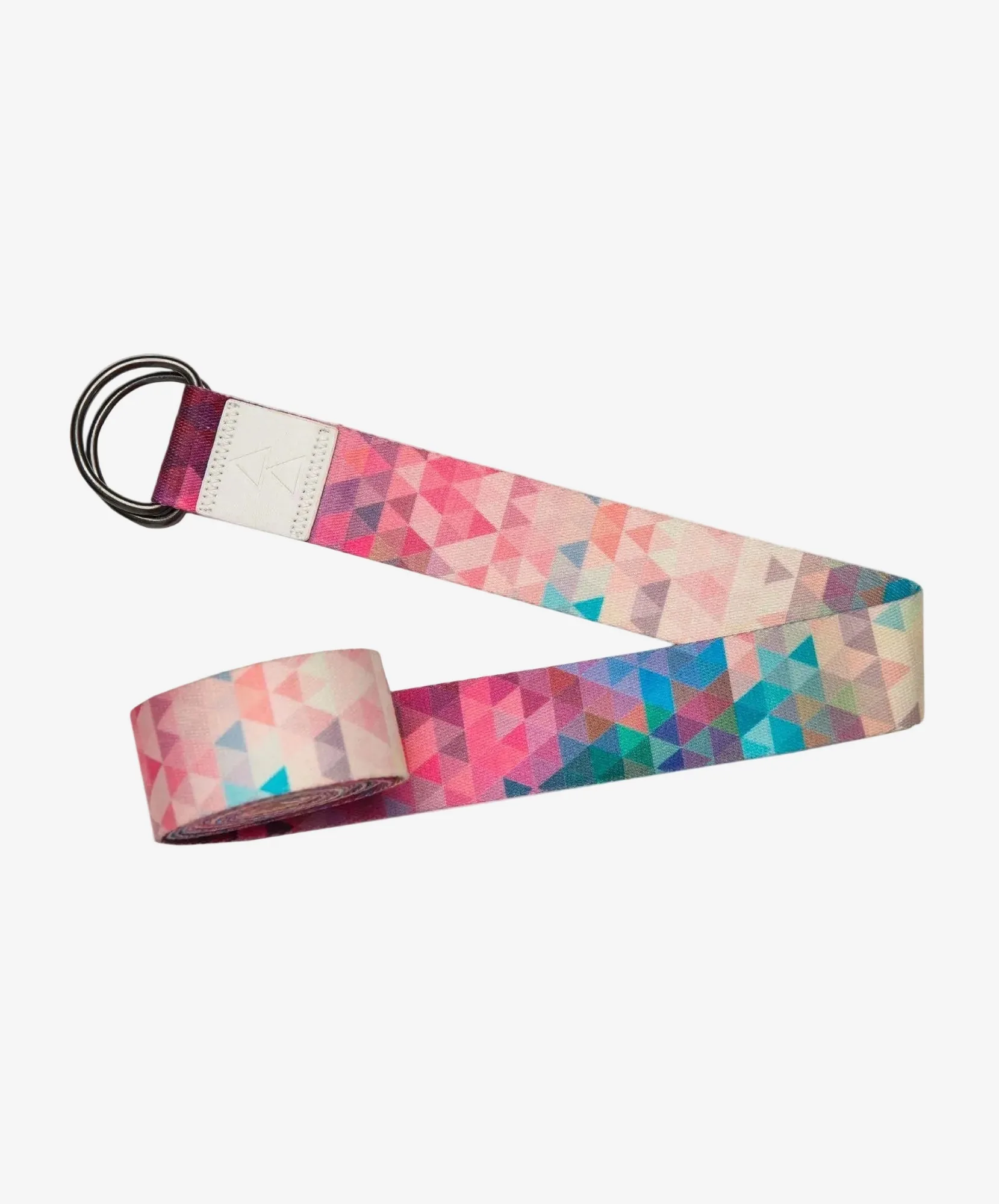
- Quick-Release 10 ft. Cotton Yoga Strap: Crafted from durable, high-quality cotton webbing, this strap is built to withstand daily use while remaining soft and comfortable on the skin. A cotton strap can hang from a hook or coil into a basket next to your blocks without slipping or snagging, so it stays part of your daily setup rather than getting buried.
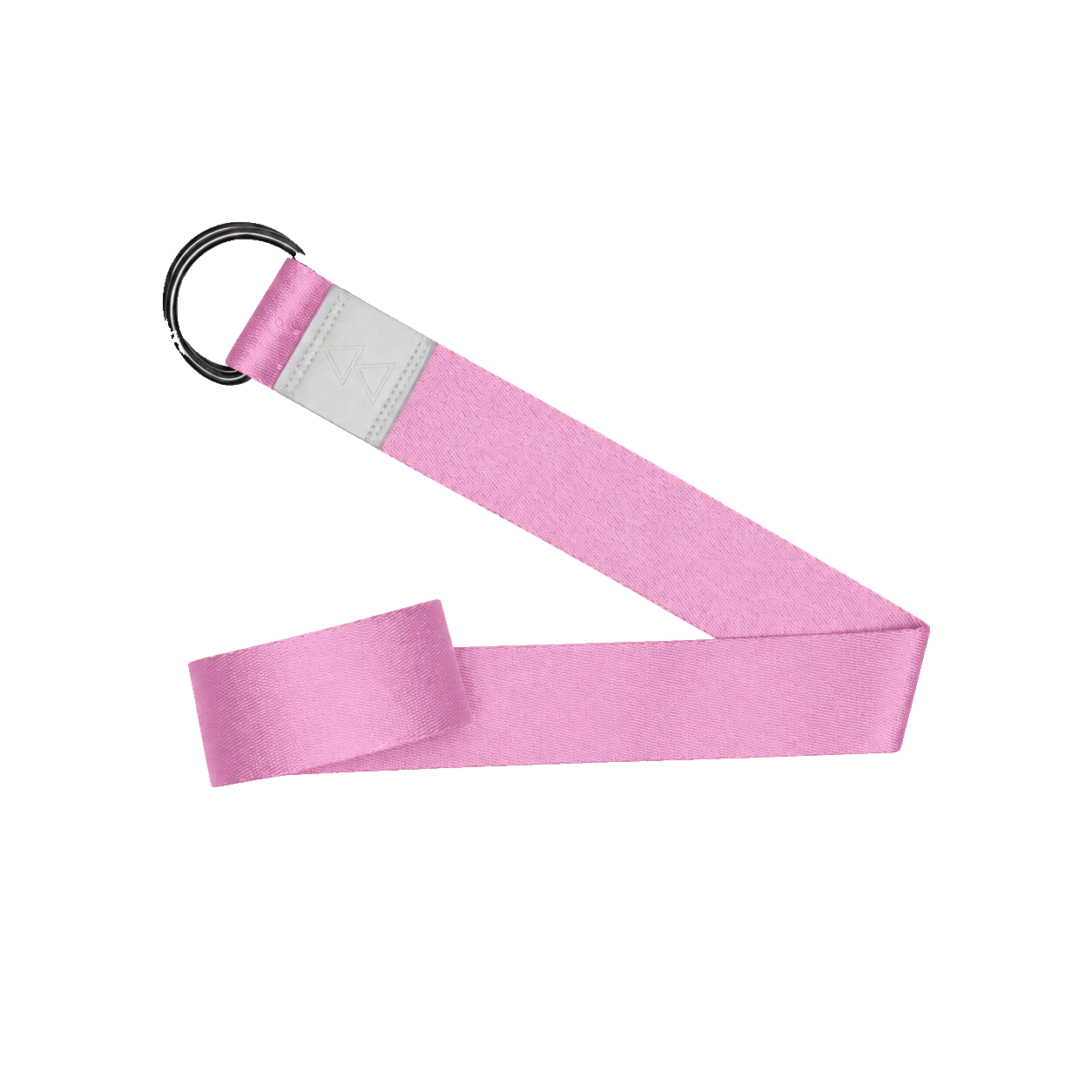
- Yoga Strap - Pink Ribbon: Extra-long and ultra-soft, it allows you to extend your reach, hold poses longer, and refine alignment whether you're practicing yoga, Pilates, or mobility work. Its extra length means it takes up more room than a standard strap, so plan a hook or a deeper basket if you want it stored with your blocks.
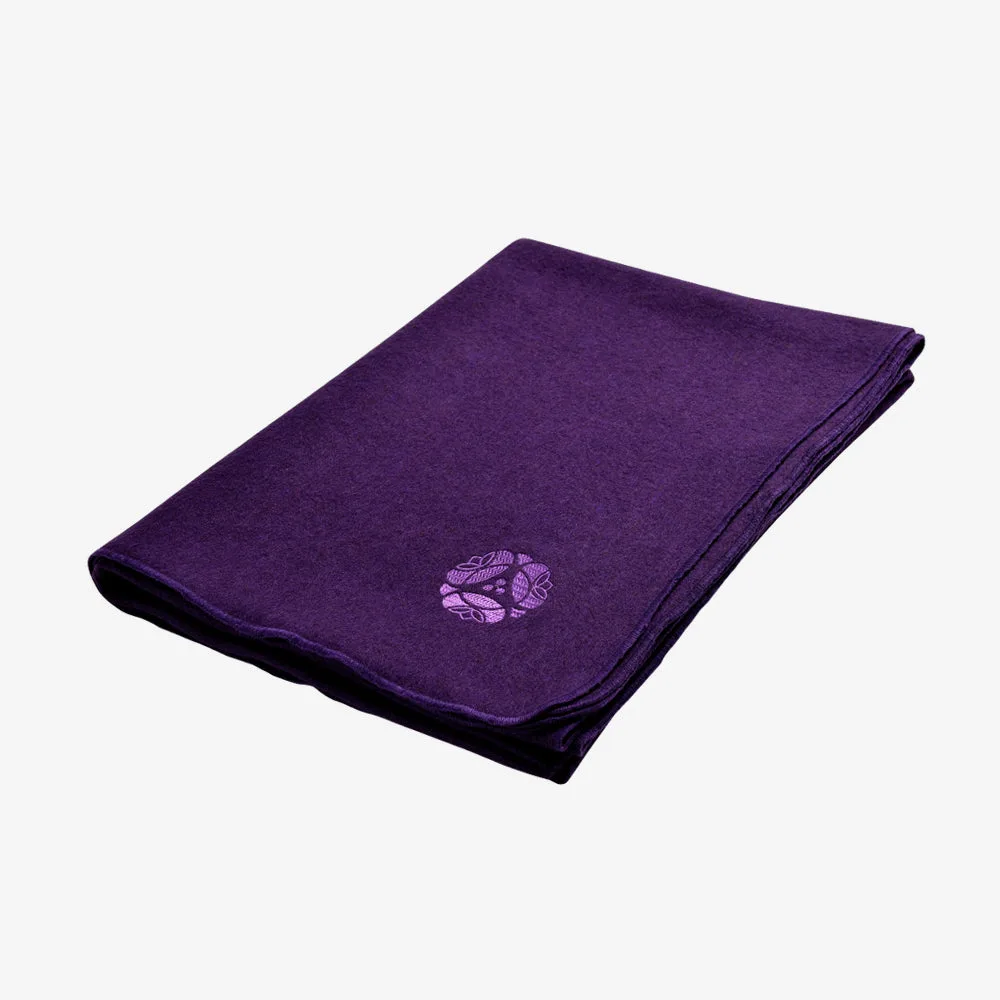
- Deluxe Wool Yoga Blanket: Its dense, durable wool blend creates a stable foundation for shoulder stands, seated postures, and restorative shapes, giving you the firmness required to stack joints safely and comfortably. A dense wool blanket folds into a firm, flat stack, so it can sit on a shelf above your blocks without collapsing or sliding into the block space.
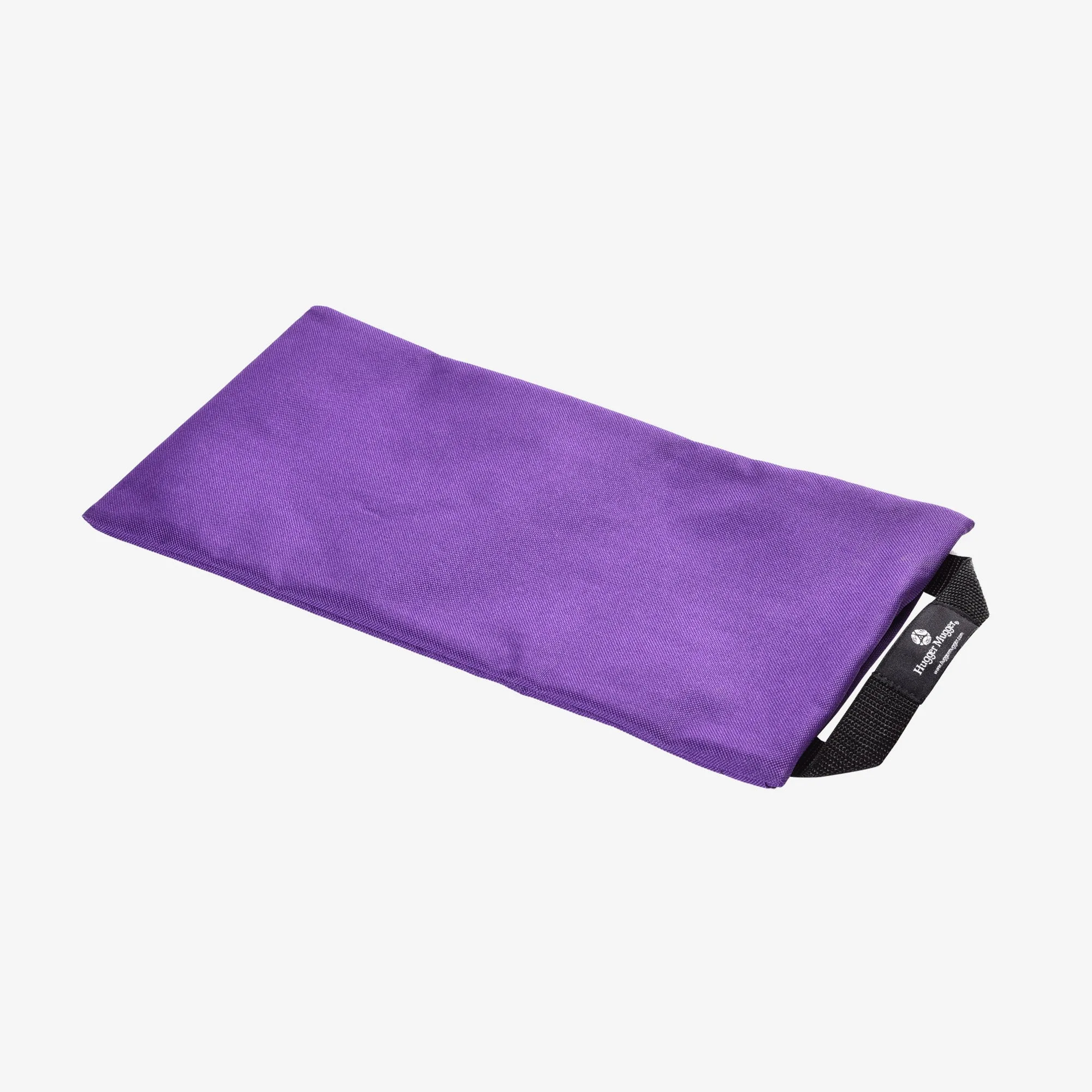
- Unfilled Yoga Sandbag: Each bag is made of high-quality packcloth with an inner coating that prevents dust and sand from escaping. Because it is unfilled, you can store the empty bag flat until you need it, which keeps a heavy prop out of your daily storage zone and off your blocks.
Good yoga block storage is less about buying the perfect organizer and more about removing the small obstacles between you and your practice. Sort by material, keep the spot dry and shaded, and choose open storage you can reach with one hand. Once blocks, straps, and blankets have a clear home, you will use them more often and replace them less often.