Quick answer
Use a yoga block to bring the floor closer to you, not to force a shape. Start with the block at its highest setting under your hand or sit bone, and lower it only when you can keep your breath smooth and your spine long. For tight hamstrings, place the block under your hand in a forward fold or under your sit bone in seated poses so you can hinge from the hips instead of rounding your back.
Match the block height to the job
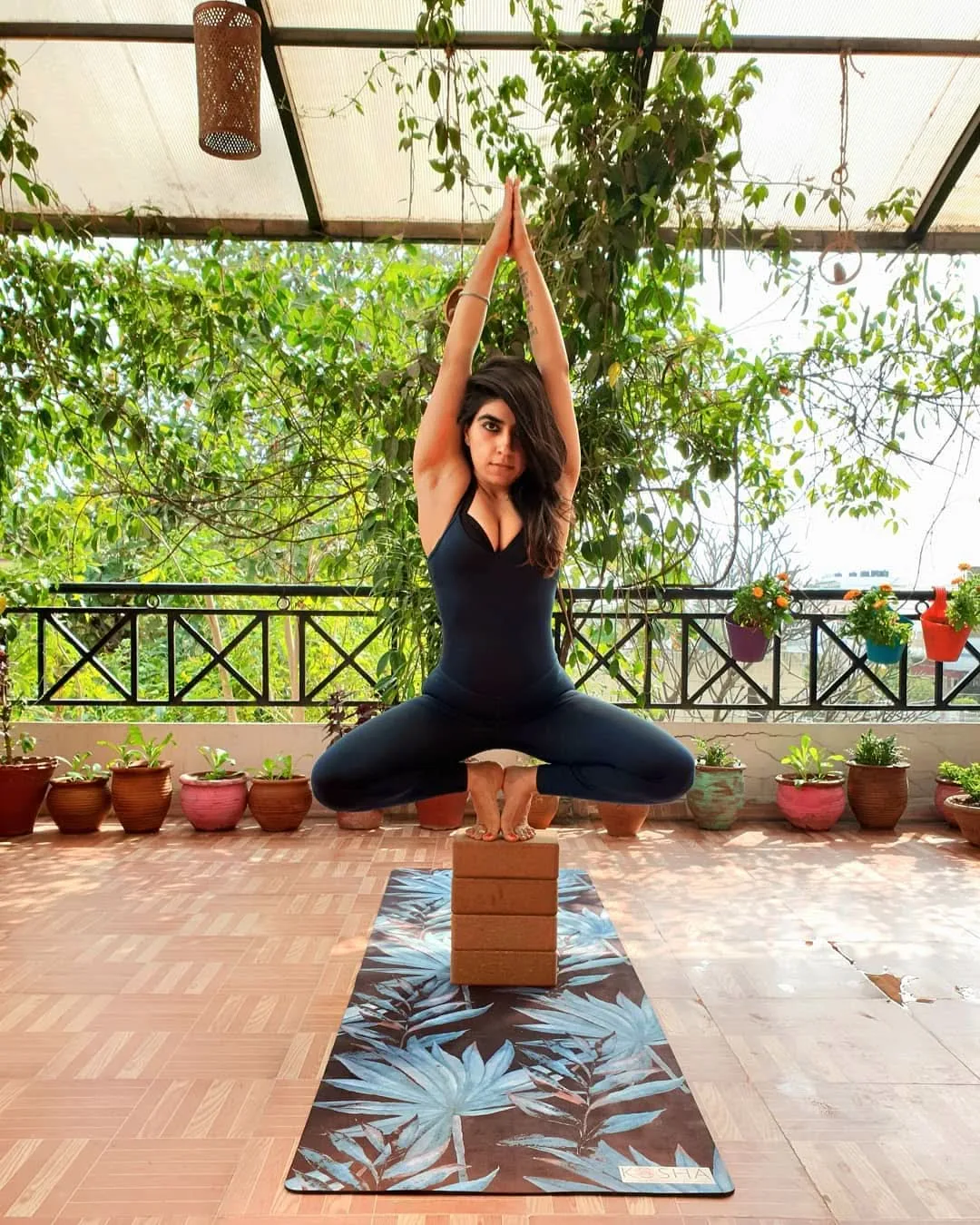
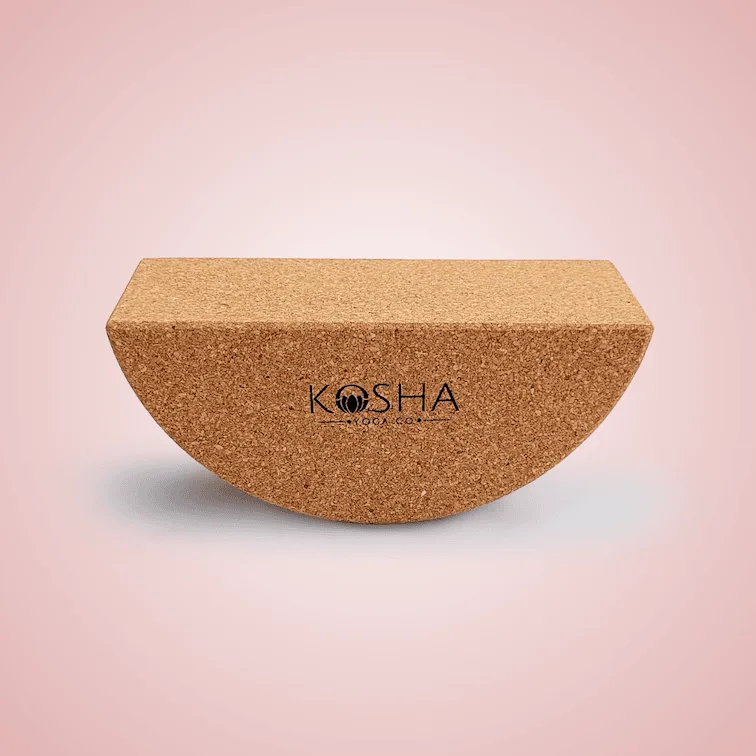
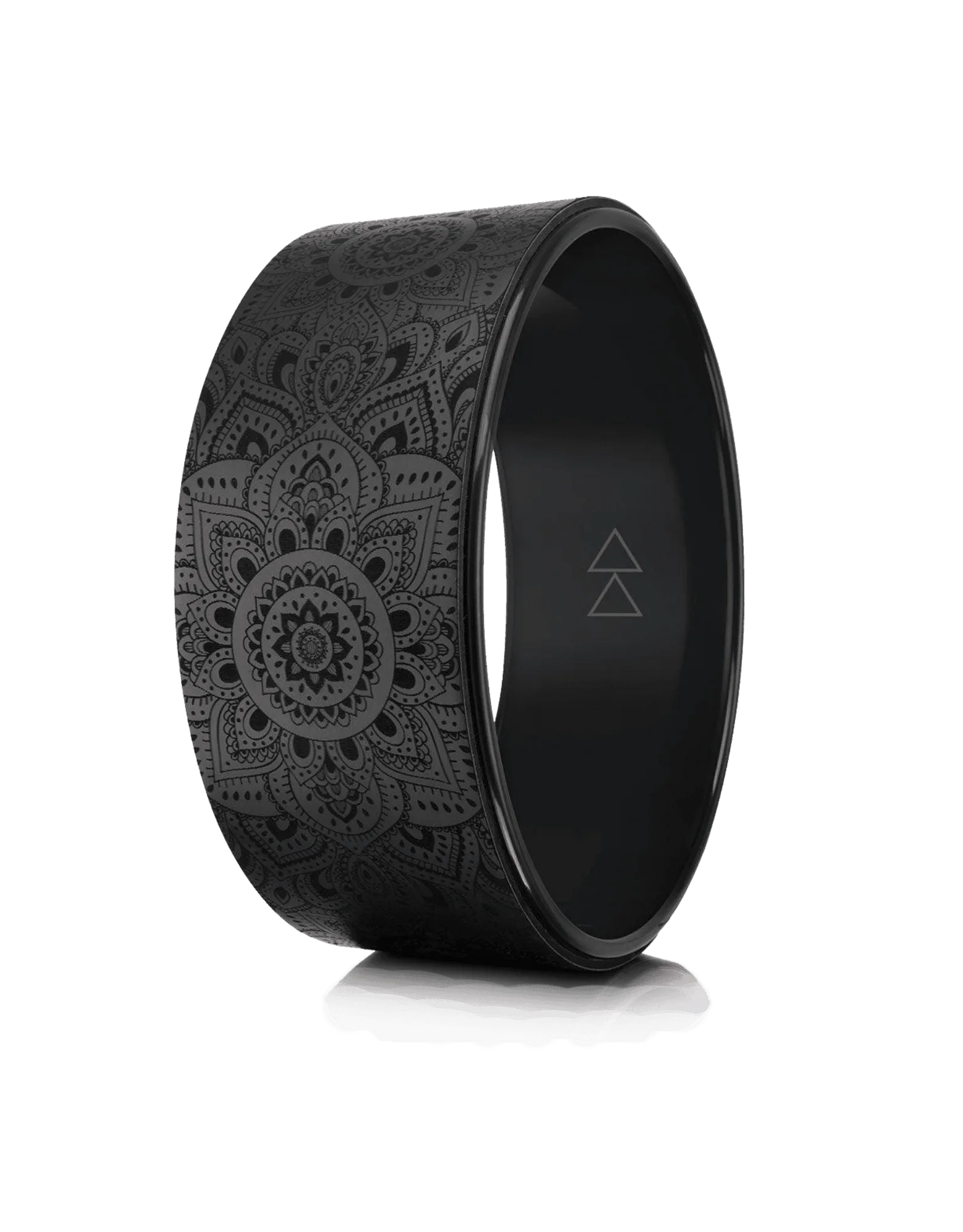
A yoga block height guide is simply a way to match support to your current range. The highest flat side gives the most lift, the medium side gives moderate lift, and the lowest flat side is closest to the floor. Use the highest setting when your hand cannot reach the floor without collapsing your chest, the medium setting when you can almost reach but still feel strain, and the lowest setting when you want to refine alignment or add a small challenge. The semi-circle Balance Block adds a curved surface that can be used flat like a traditional block or rocked for balance and mobility work, so you can progress without buying a second prop.
Set up before you load the block
Place the block where your body will actually land, not where it looks tidy. For standing poses, set it just outside your front foot so your hand can rest on it without twisting your torso. For seated poses, slide it under one sit bone and check that both hips stay level. For backbends, place it under your upper back or between your thighs only after you have warmed up. A block that shifts when you bear weight is a setup problem, not a strength problem.
Use blocks for tight hamstrings without forcing length
Tight hamstrings often limit forward folds, but the block should support the fold rather than deepen it. In a standing forward fold, place the block under your hands and bend your knees enough to feel the stretch in the back of your thighs, not your lower back. In a seated forward fold, sit on a block to tilt your pelvis forward, then reach for your shins or a strap instead of pulling yourself down. If you feel pinching behind the knee or numbness in the feet, lower the block height or bend your knees more.
How to use yoga blocks: a 5-step process
- Step 1: Identify the limiting area: Before you grab a block, notice whether your hamstrings, hips, shoulders, or balance is the real limit. In a forward fold, if your back rounds before your hamstrings stretch, the block belongs under your hands or sit bones. In a standing balance pose, if your hip hikes up, the block belongs under your hand for stability. Checkpoint: if you cannot name the limit, you will likely choose the wrong height.
- Step 2: Start at the highest height: Place the block at its tallest flat setting under your hand or sit bone. This gives you the most room to keep your spine long and your breath steady. Many beginners start too low, then compensate by twisting or collapsing the chest. Checkpoint: you should feel supported, not stretched to your maximum.
- Step 3: Test with three breaths: Hold the pose for three slow breaths. If your breath stays smooth and your alignment holds, you can try the medium height. If your breath catches, your joints pinch, or your back rounds, stay at the highest height or add a second block. Checkpoint: breath is the signal for whether the height is right.
- Step 4: Lower one level at a time: Move from the highest flat side to the medium side, then to the lowest flat side. For tight hamstrings, keep the block under your hand in a forward fold and bend your knees as needed. For balance work, you can flip the semi-circle block to the curved surface once the flat side feels stable. Checkpoint: never skip a height just because you can reach the floor with a rounded back.
- Step 5: Remove the block only when alignment holds: Take the block away for one breath and see if you can keep the same length in your spine and the same steady breath. If the pose collapses, bring the block back. Using a block is not a beginner phase; it is a tool for keeping the pose honest at every level. Checkpoint: if removing the block changes your alignment, keep the block.
Product facts
- Balance Block: Semi Circle Yoga Brick: The semi-circle shape can be used flat like a traditional block or on the curved surface to make asanas more challenging or access poses that are difficult to reach. One prop covers stable support and balance challenges, so you can adjust height and difficulty without switching blocks.
- Sahiba: Family Yoga, Meditation & Yoga For Beginners: Sahiba J. Singh focuses on breathing techniques and alignment corrections. If you want guided feedback on block placement and breath, a class with an alignment-focused teacher can shorten your learning curve.
- Teju Dhoot: Yoga, Prenatal & Postnatal Yoga, Meditation: Teju Dhoot combines yoga asanas and meditation techniques and teaches through challenging and creative flows. A creative flow class can show you when to use blocks for support and when to use them to add a balance challenge.