Quick Answer
Tight hamstrings often stem from prolonged sitting and lack of movement. Use a yoga block under your hips in seated forward folds to tilt your pelvis forward, and a strap around your foot to extend your reach without rounding your spine. These props let you stretch deeper while protecting your lower back.
If you’ve ever felt a sharp pull behind your legs in forward bends, you’re not alone. Tight hamstrings are one of the most common limitations in yoga, often causing compensation in the lower back and shallow breathing. The good news is that the right props let you work within your safe range of motion while gradually improving flexibility.
Rather than forcing a stretch, props create space. A block under your hips or a strap on your foot changes the angle of a pose, so you can relax into the stretch without straining. This guide walks through the symptom, likely cause, corrective action, and when to stop, along with props that genuinely help.
What Tight Hamstrings Feel Like in Yoga
In practice, tight hamstrings show up as a grabbing sensation behind the thighs when you try to fold forward. You might also feel your lower back rounding or your knees bending more than usual to get into a pose. This is your body’s way of saying the hamstrings are too short to allow a full forward tilt of the pelvis.
The tightness often feels like a rope pulling at the back of your knees or a stiffness that limits how far you can reach. It’s important to distinguish this stretch sensation from a sharp or pinching pain, which signals that you’ve gone too far too fast.
Why Your Hamstrings Get Tight
The most common cause is prolonged sitting, especially in chairs that keep your hips flexed at 90 degrees for hours. Shortened hamstrings then resist lengthening when you try to bend forward. Another factor is lack of regular stretching, combined with activities like running that repeatedly contract the hamstrings without enough recovery.
Understanding the cause helps you choose the right correction. If you sit a lot, the priority is to create pelvic mobility before stretching the hamstrings directly. If you run, you might need slower, sustained stretches with support.
- Practical tip: Test your range of motion by sitting on the floor with legs straight. If you cannot sit upright without rounding your back, your hamstrings are tight enough to benefit from a block under your hips.
Corrective Action with Props
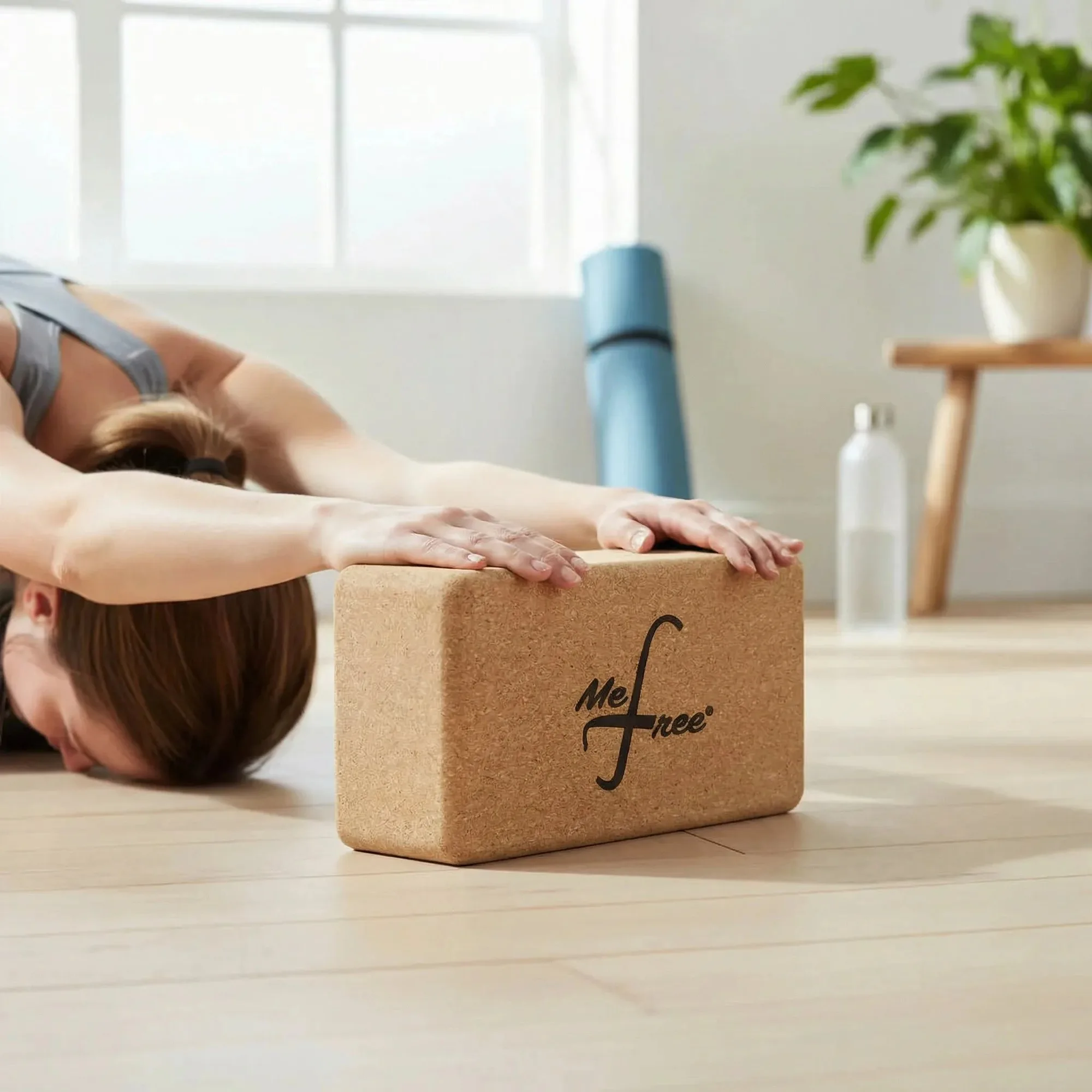
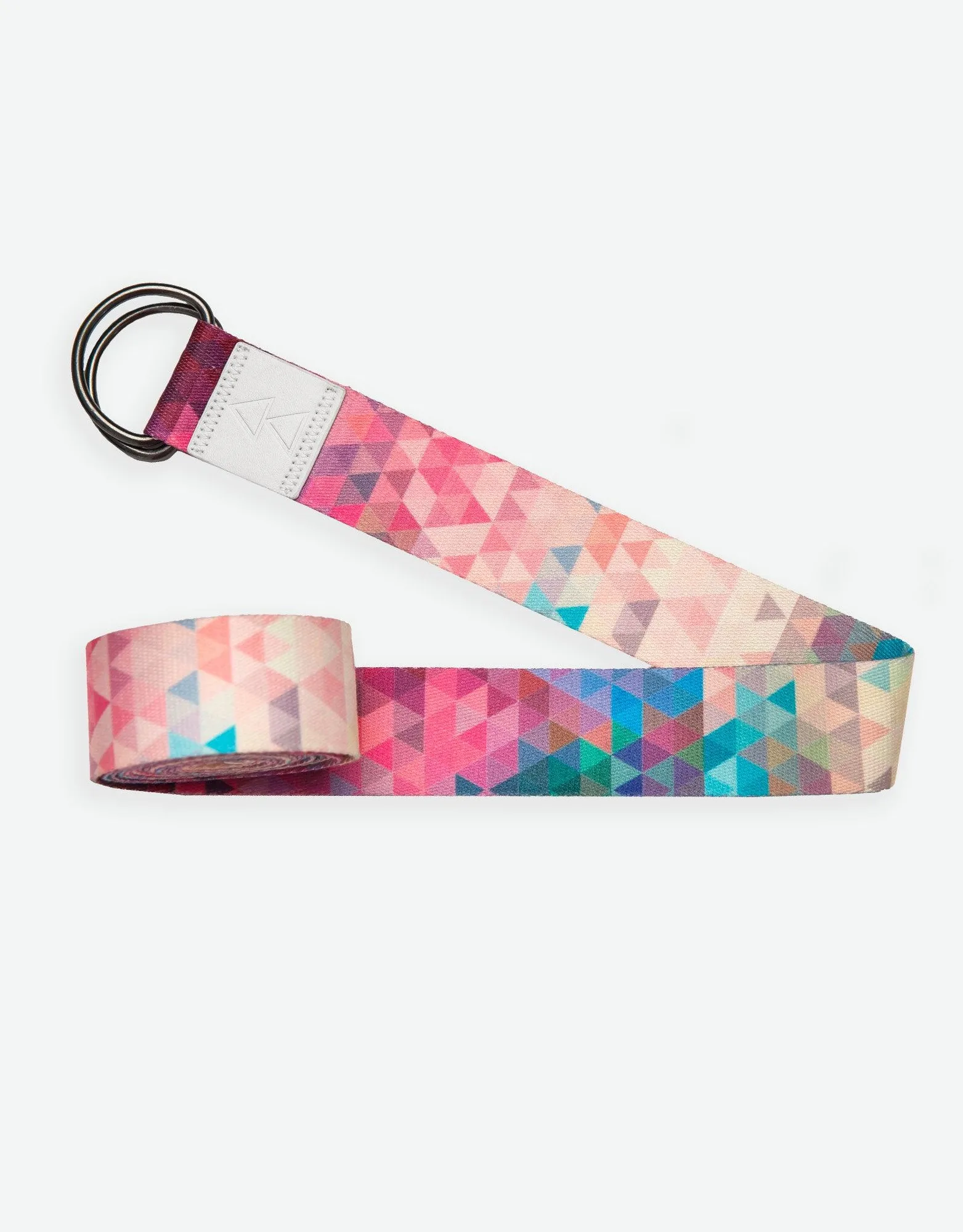
The most effective correction is to change the angle of your pelvis. Place a yoga block under your sitting bones in any seated forward fold. This tilts your pelvis forward, allowing you to hinge from the hips rather than the lower back. For a deeper stretch, use a yoga strap around the ball of your foot. Hold the strap with both hands and gently pull your torso toward your leg while keeping your spine long.
Prop use isn’t a crutch—it’s a tool that lets you work at your edge without injury. Start with a medium block height and shorten the strap until you feel a comfortable pull. As flexibility improves, you can lower the block or loosen the strap.
Hamstring Tightness Diagnosis Guide
- Symptom: You feel a strong pulling sensation behind the thighs in forward bends, especially in seated forward fold (Paschimottanasana) or standing forward fold (Uttanasana). This is typical tightness, not an injury. Pay attention to whether it’s sharp or dull.
- Likely Cause: Prolonged sitting, lack of stretching, or repetitive leg workouts shorten the hamstrings over time. Your lifestyle is the main driver. Adjusting daily habits (like getting up every hour) can help as much as stretching.
- Corrective Action: Use a yoga block under your hips in seated forward folds and a strap around your foot for seated or reclining hamstring stretches. Keep your spine long. Prop support lets you work at your edge without rounding your back.
- When to Stop or Choose Another Option: Stop if you feel sharp, shooting pain in the hamstring or behind the knee. If blocks or straps don’t relieve the strain, consider a foam roller or gentle massage before stretching. Pain is a stop sign. If tightness persists despite prop use, consult a physical therapist for a personal program.
Props That Help Tight Hamstrings
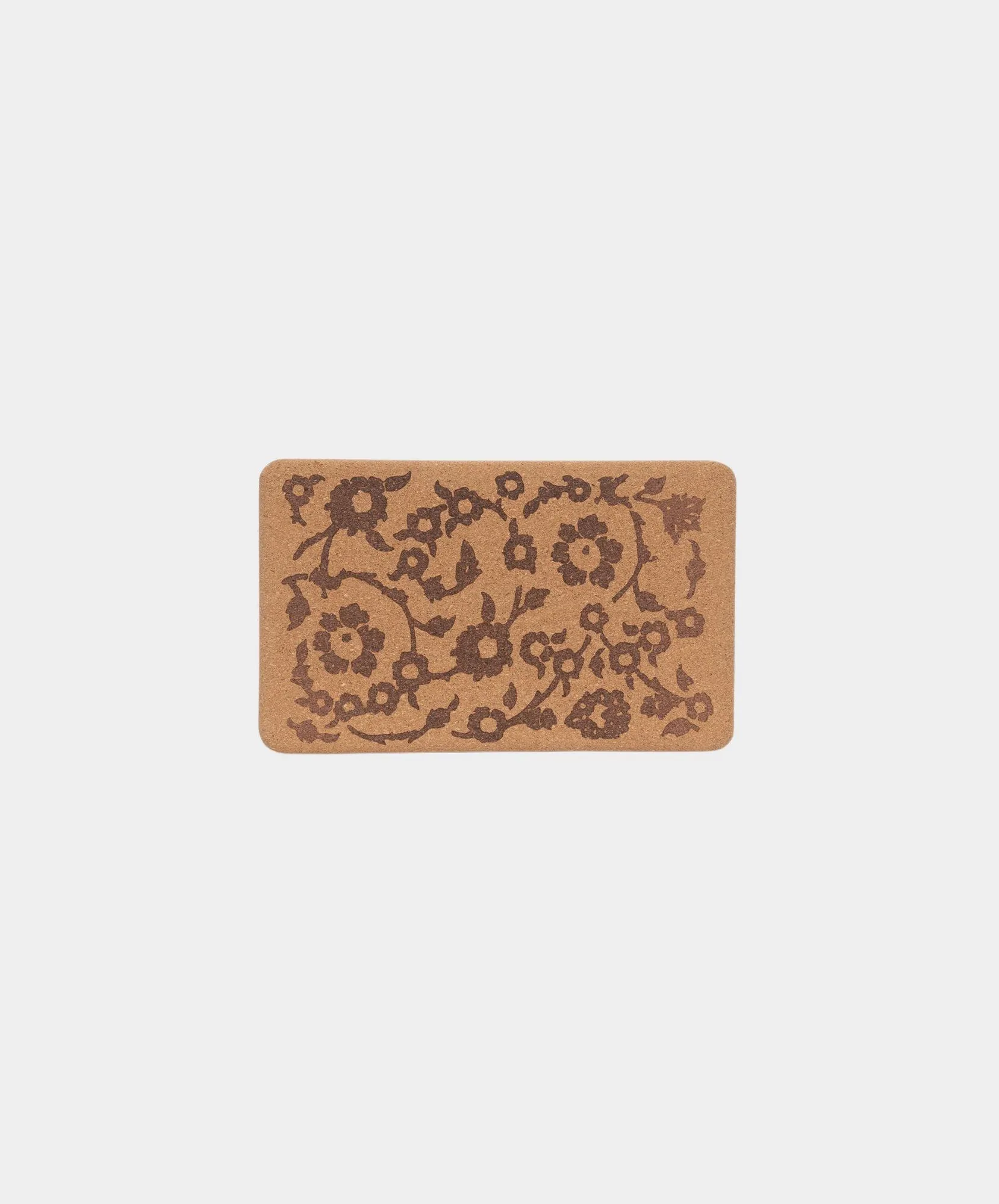
- Cork Yoga Block - Set of 2: Made from high-density, eco-friendly natural cork. Provides firm support to help deepen stretches and hold challenging poses. Cork’s firm grip prevents slipping during sweaty practice, and its density gives you stable elevation for seated forward folds. It’s a good choice if you want a sustainable material that stays put on the mat.
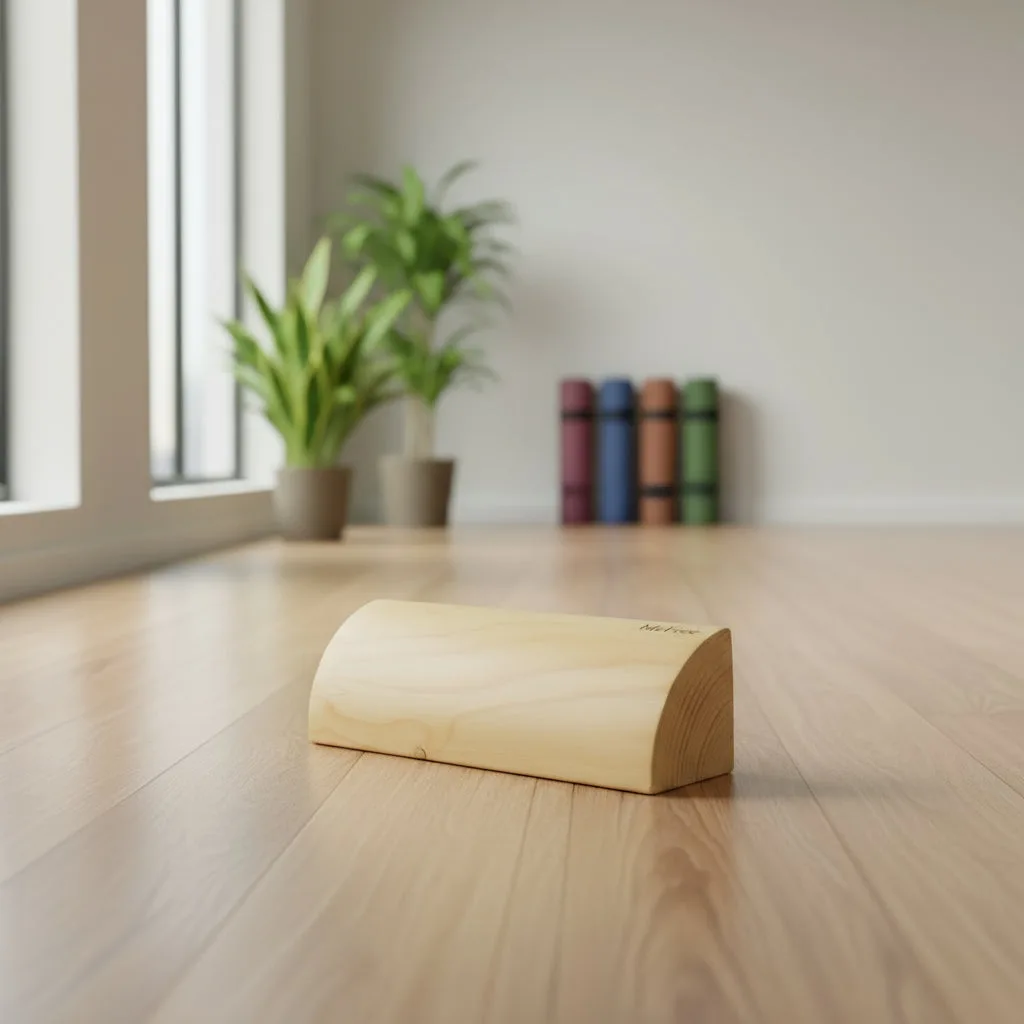
- Quarter Round Block: Iye ngar yoga block made from solid pinewood, designed to the precise specifications provided by Iyengar Yoga for support and stability. The unique quarter-round shape allows you to place it under the heels or hands in poses like down dog, or under the sacrum for supported forward folds. It offers a very specific alignment aid for those who follow Iyengar methods.
Tight hamstrings don’t have to keep you from enjoying forward folds. By using blocks to tilt your pelvis and straps to extend your reach, you can stretch safely and gradually improve flexibility. Pay attention to the signals your body sends, and choose props that give you the right level of support for your current range of motion.