Quick answer
Choose natural rubber when you want the best grip and eco-friendly materials, cork when you want a naturally antimicrobial, dry-grip surface, and PVC or TPE when budget or a specific feel matters more than sustainability. For most people, a natural rubber base with a microfiber top, like the Combo Yoga Mat - Zenith, balances grip, cushioning, and recycled content.

Combo Yoga Mat - Zenith
The material under your hands and feet shapes every downward dog, plank, and balance pose. Cork, natural rubber, PVC, and TPE each behave differently when you sweat, pack them, or clean them. This guide breaks down what each material actually feels like and which trade-offs you are signing up for.
You do not need the most expensive mat. You need one that matches your practice style, your sweat level, and how you travel. Use the decision rules below to narrow the field before you buy.
Cork: Dry, Antimicrobial, and Naturally Grippy
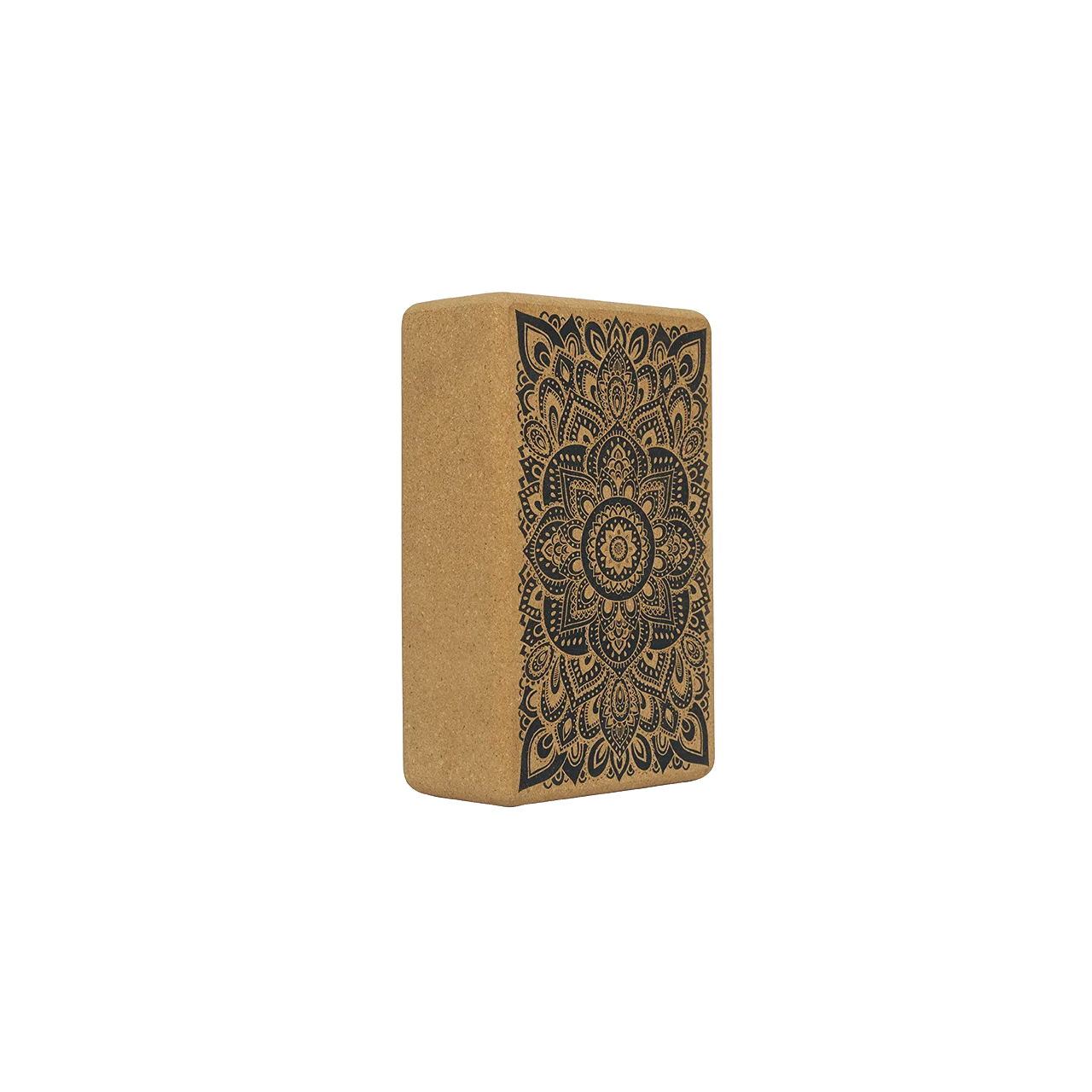
Cork mats are made from harvested cork oak bark, a renewable resource. The surface feels firm and slightly textured. When dry, cork offers excellent traction, and it naturally resists moisture and odor, so it stays fresher between deep cleans. Cork is also a smart choice if you dislike the rubbery smell some synthetic mats have.
The trade-off is sweat. Cork can become slick when wet, so it suits slower flows, yin, restorative, or heated rooms where you towel off. It is heavier than most foam mats, and it needs air-drying to prevent cracking. If you practice hot vinyasa and drip heavily, cork may not be your best primary surface.
- Best for dry or lightly heated practices and anyone who wants a natural, low-odor surface.
- Wipe with a damp cloth and mild soap, then air-dry completely before rolling.
Natural Rubber: The Grip and Cushioning Standard
Natural rubber comes from the sap of rubber trees. It is dense, springy, and provides the best grip-to-cushioning ratio of any common mat material. Rubber yoga mat benefits include strong traction even when damp, reliable joint support in 5mm to 6mm thicknesses, and a base that holds its shape over years of use.
Rubber is heavy, so it is not ideal for travel unless the mat is thin. Some people are sensitive to the natural latex smell, which fades with airing. Rubber also costs more than PVC or TPE. For daily practice at home or in a studio, it is the most durable and supportive option.
- Choose 5mm to 6mm rubber for joint support; choose 1.5mm to 3mm for travel and balance work.
- Air out a new rubber mat for a few days before first use to reduce the latex scent.
PVC: Dense, Cheap, and Not Eco-Friendly
PVC is a synthetic plastic. It is dense, durable, and cheap to produce, which is why so many budget mats use it. PVC mats often feel very grippy when new and provide a firm, stable surface. They are also easy to wipe clean.
The downsides are environmental and sensory. PVC is not biodegradable or recyclable in most curbside programs, and it can off-gas a strong plastic smell for weeks. It is heavier than TPE and less eco-friendly than rubber or cork. If you practice occasionally or need a loaner mat, PVC works. If you practice daily and care about materials, look elsewhere.
- Avoid PVC if you want an eco friendly yoga mat material or you are sensitive to plastic odors.
- Clean PVC with a diluted vinegar spray; avoid harsh solvents that break down the surface.
TPE: Lightweight, Low-Odor, and Budget-Friendly
TPE, or thermoplastic elastomer, is a synthetic foam that is lighter than PVC and usually free of the worst plastic smells. It offers moderate grip and decent cushioning at a low price. Many travel mats use TPE because it folds or rolls compactly.
In the TPE vs PVC mat comparison, TPE wins on weight and odor, but it can compress over time and lose cushioning faster than rubber. It is also not biodegradable. TPE is a practical choice for beginners, kids, or anyone who wants a light mat for occasional use and does not want to spend much.
- TPE is a good first mat if you are unsure you will stick with yoga.
- Expect to replace a TPE mat sooner than a rubber or cork mat under daily use.
How to Match Material to Your Practice and Body
Start with sweat. If you sweat heavily, natural rubber or a rubber-and-microfiber combo gives the most reliable grip. If you stay dry, cork offers a clean, antimicrobial surface. If you sweat sometimes, a towel over any mat can bridge the gap.
Then consider weight and travel. A 6mm rubber mat is comfortable at home but heavy in a bag. A 1.5mm travel mat rolls small but offers little cushioning for knees and wrists. Finally, think about longevity. Rubber and cork last longer than TPE or PVC, so they cost more upfront but less per year.
- Hot yoga: natural rubber base or a combo mat with a moisture-activated top.
- Restorative or yin: cork or a thick rubber mat for joint support.
- Travel: 1.5mm rubber or a lightweight TPE mat.
Decision Rules: Pick Your Material in 30 Seconds
- If you sweat heavily and practice hot yoga: Choose natural rubber or a rubber-and-microfiber combo mat. The rubber base prevents sliding, and the microfiber top grips better as it gets wet. Look for a combo mat with a natural rubber base.
- If you want a natural, low-odor surface for slower flows: Choose cork. It is antimicrobial, renewable, and offers excellent dry grip. Avoid it for hot, sweaty sessions where it can become slick. Cork is best for yin, restorative, and lightly heated rooms.
- If you are on a tight budget or buying a first mat: Choose TPE over PVC. TPE is lighter, usually low-odor, and still affordable. PVC is cheaper but heavier, smellier, and not eco-friendly. TPE is the better budget compromise.
- If you need a mat that travels: Choose a 1.5mm natural rubber travel mat or a lightweight TPE mat. Thick rubber mats are too heavy for a carry-on. Prioritize weight and packability over cushioning.
- If you want the longest-lasting option: Choose natural rubber or cork. Both resist compression and wear far better than TPE or PVC under daily practice. Spend more upfront to replace less often.
Materials in Practice: Three Mats That Show the Differences
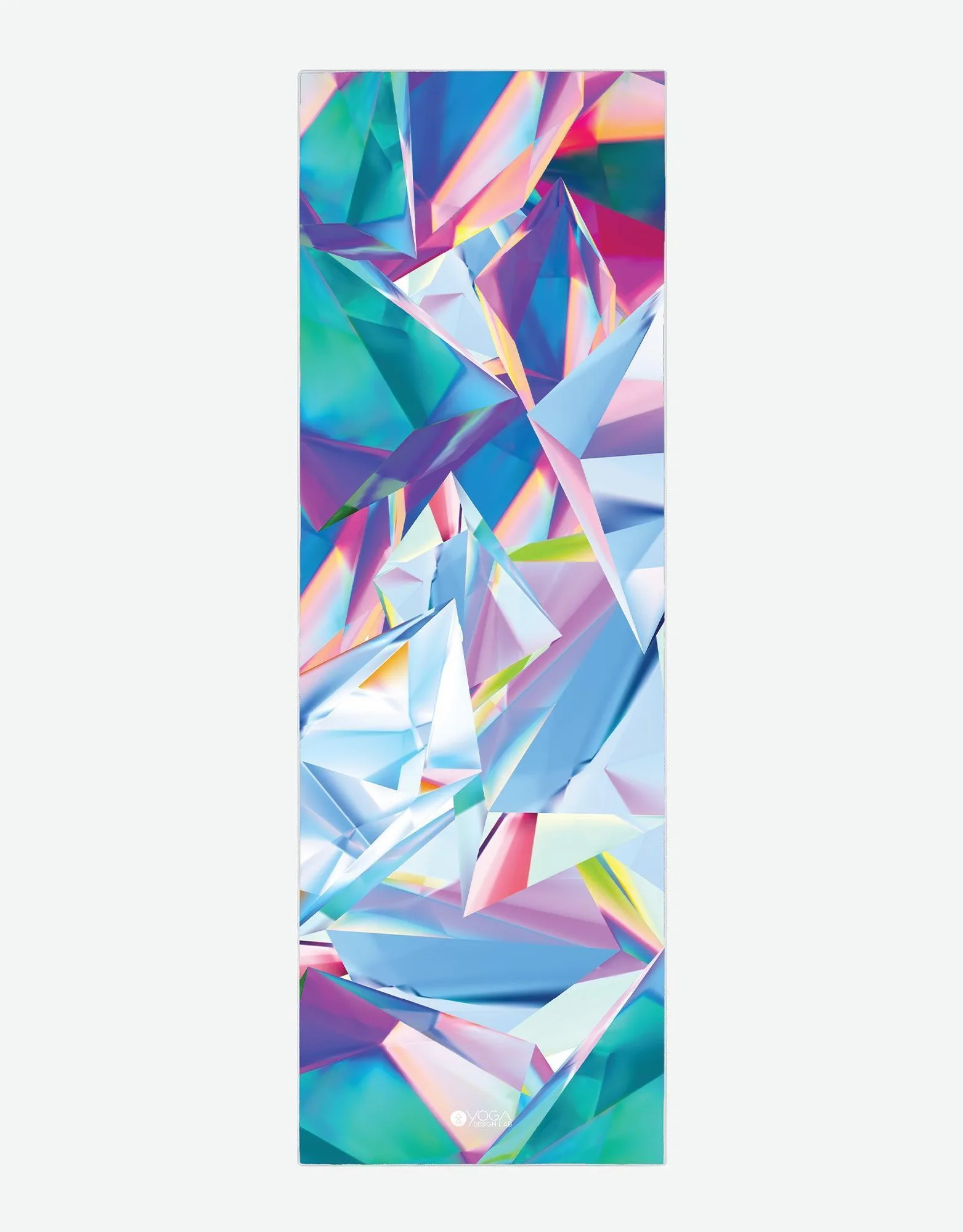
- Combo Yoga Mat - Zenith: Fuses a natural rubber base with a moisture-activated microfiber surface for grip that improves as you sweat, in a 2-in-1 design that eliminates slippery layers. This is the best of both worlds for hot or sweaty practice: rubber stability plus a towel-like top that grips when wet.
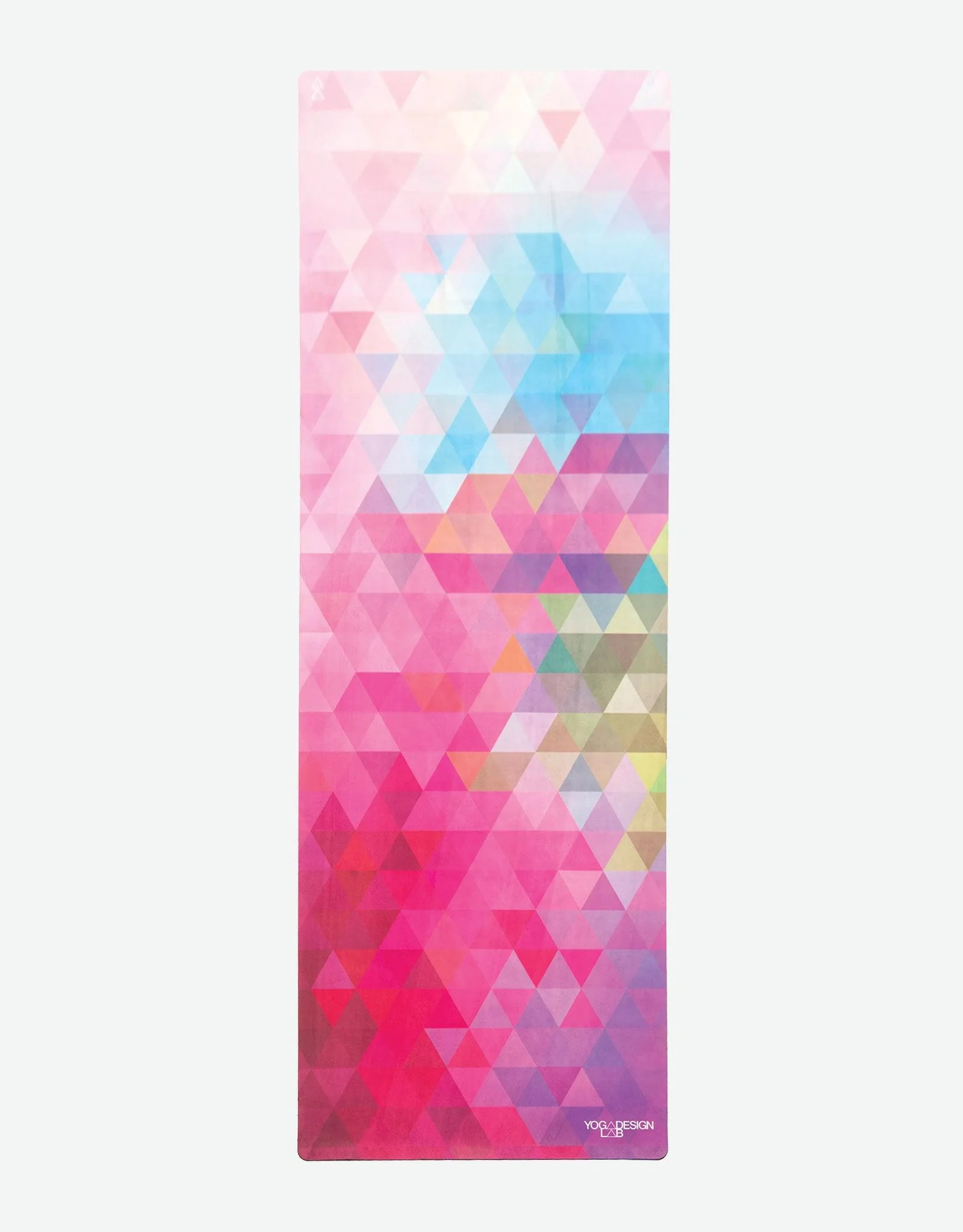
- Travel Combo Yoga Mat - Tribeca Sand: Ultra-lightweight mat combining a sweat-activated microfiber top with a natural rubber base, made with eco-friendly materials including recycled plastic bottles and water-based inks. Shows that eco friendly yoga mat materials and travel-friendly weight can coexist, without sacrificing grip.
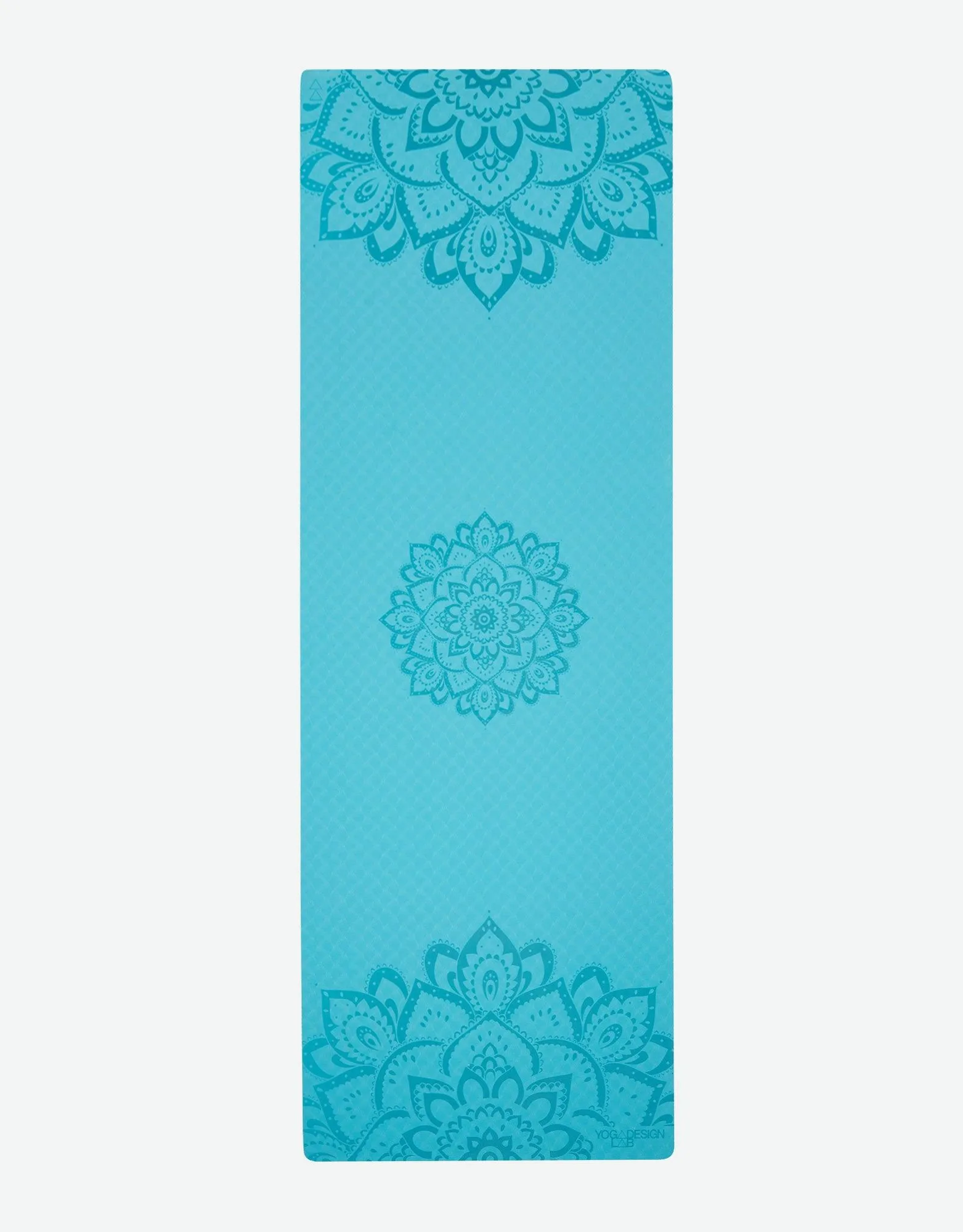
- https://yogadesignlabev.com/products/flow-yoga-mat-6mm-pure-mandala-aqua-a6f551b62e3aa34b2f9f7479-1693149Flow Yoga Mat - Mandala Aqua: Made from eco-friendly, non-toxic materials with 6mm of cushioning and a textured, slip-resistant surface. A good example of a natural-style mat for daily home practice where joint support matters more than packability.
Which Material Fits You?
Best for
- Hot yoga and sweaty practices: natural rubber or combo mats
- Restorative, yin, or dry practices: cork mats
- Travel and commuting: 1.5mm rubber or TPE mats
- Eco-conscious buyers: natural rubber, cork, or recycled-content combo mats
Not for
- Hot yoga: cork alone (can become slick when wet)
- Eco-friendly priorities: PVC (not biodegradable or recyclable)
- Long-term daily use: cheap TPE (compresses and wears faster)
- Heavy sweaters on a budget: basic PVC (grip fades and odor lingers)
Match the material to how you sweat, where you practice, and what you value. Natural rubber and cork cost more but last longer and feel better underfoot. TPE and PVC are cheaper but come with trade-offs in durability and sustainability. Pick the one that fits your reality, not the label.