Quick Answer
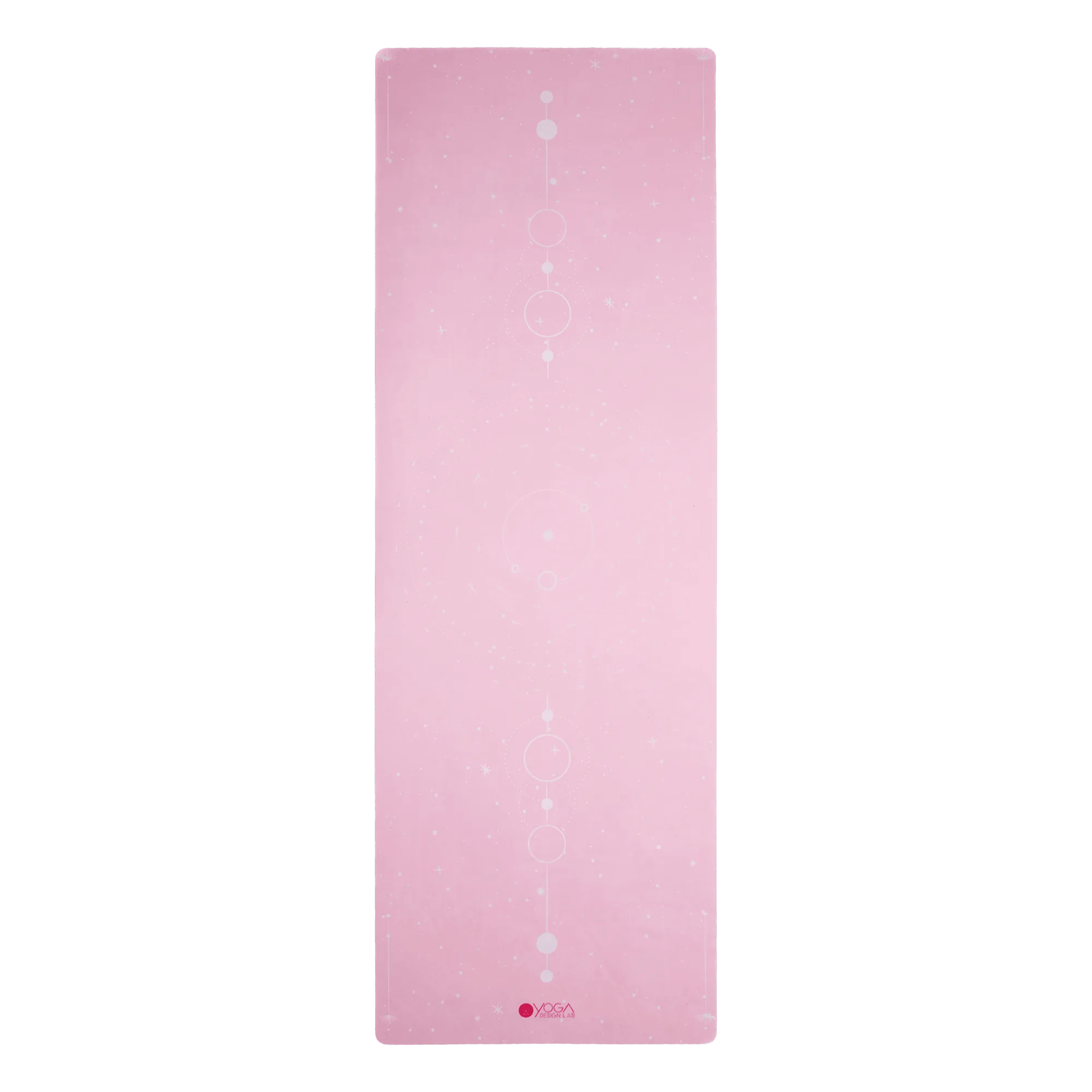
A yoga mat is built thin and grippy for balance and floor work, while an exercise mat is usually thicker and softer for comfort during strength or cardio moves. If you mostly practice yoga, choose a yoga mat; if you do general workouts like crunches or dumbbell work, an exercise mat may serve you better. Some mats, like the Cosmic Goddess Yoga Mat + Free Yoga Bag, blend both roles with a 4mm cushioned base and a suede towel top.
Walk into any sports store and you'll see mats labeled 'yoga' and 'exercise' side by side. They look similar, but the difference between a yoga and gym mat comes down to how each is built and what it's meant to do. Picking the wrong one can leave you slipping in downward dog or feeling every bit of hard floor during planks.
This comparison breaks down the real differences using facts from our own catalog, so you can match a mat to your actual routine. We'll cover thickness, material, grip, and portability, and point out which mats work for both yoga and general fitness.
Thickness and Cushioning: The Biggest Divide
Exercise mat thickness typically ranges from 6mm to 15mm, giving soft support for crunches, lunges, and floor exercises. That cushion feels great on your back, but it can make balancing poses wobbly because your feet sink and shift. Yoga mats, by contrast, are usually 3mm to 5mm thick, which keeps you stable and connected to the floor. The Cosmic Goddess Yoga Mat + Free Yoga Bag has a 4mm base, a middle ground that supports balance while still offering some cushion for seated stretches.
If you mainly do Pilates or bodyweight strength work, a thicker exercise mat can reduce pressure on your joints. But for sun salutations or standing balances, a thinner yoga mat is the better tool. Ask yourself where you spend most of your mat time: standing on one leg, or lying on your back.
- Test a mat's stability by pressing your palm into it—if your hand sinks deeply, balance poses will feel unstable.
- For mixed routines, a 4mm mat like the Cosmic Goddess offers a practical compromise between cushion and stability.
Material and Grip: Why Yoga Mats Feel Different
Yoga mats often use natural tree rubber or a suede towel top to create grip that improves as you warm up or sweat. The Flower of Life Yoga Travel Mat + Free Yoga Bag uses a luxurious suede towel top that is non-slip, paired with a 1.5mm base of eco-friendly 100% natural tree rubber. That construction is designed for sweaty practices like hot yoga or vinyasa, where traction matters most.
Exercise mats are frequently made from PVC or NBR foam, which is soft and cheap but can become slick when wet. If you sweat heavily during workouts, a yoga mat with a moisture-friendly top will serve you better than a standard foam exercise mat. The trade-off: natural rubber mats can be heavier and may need more careful cleaning than foam.
- If you sweat a lot, look for a suede or towel-topped mat rather than smooth foam.
- Natural rubber bases grip better on hard floors but can be heavier to carry.
Portability and Travel: Which Mat Moves With You
Travel yoga mats are designed to fold or roll compactly and weigh less. The Flower of Life Yoga Travel Mat + Free Yoga Bag weighs only 1.75kg and has a 1.5mm base, making it easy to roll up and carry to class or on a trip. The Cosmic Goddess Yoga Travel Mat + Free Yoga Bag shares that same lightweight build: 1.75kg, 1.5mm natural tree rubber base, and a suede towel top that is machine washable.
Exercise mats are often bulkier and heavier because of their thickness. If you need a mat that stays home in your workout corner, weight matters less. But if you carry your mat to a studio, gym, or park, a thinner travel-friendly yoga mat will be far easier to manage. Both travel mats above come with a free yoga bag, which simplifies transport.
- Weigh your current mat—if it's over 2kg, you may dread carrying it to class.
- Machine washable mats save time on cleaning, but always check the care label first.
Durability and Care: What Lasts Longer
Natural rubber and suede mats tend to be more durable than cheap foam exercise mats, which can tear or compress over time. The Cosmic Goddess Yoga Mat + Free Yoga Bag has a luxurious suede towel top and a 4mm base, built for regular practice. The White Blue Star Yoga Mat + Free Yoga Bag offers a comfort-cushioned surface with a galaxy design, and like other Yogangstar mats, it comes with a free yoga bag.
Cleaning routines differ too. Suede-topped mats can often be machine washed, while foam exercise mats usually need spot cleaning with a damp cloth. If you want low-maintenance, a wipe-clean foam mat is simpler; if you want longevity and a better grip, a natural rubber yoga mat is worth the extra care.
- Avoid soaking natural rubber mats—wipe them down and air dry instead.
- A yoga bag with a side pocket, like the Studio / Home Yoga Mat Bags, keeps your mat protected and your water bottle handy.
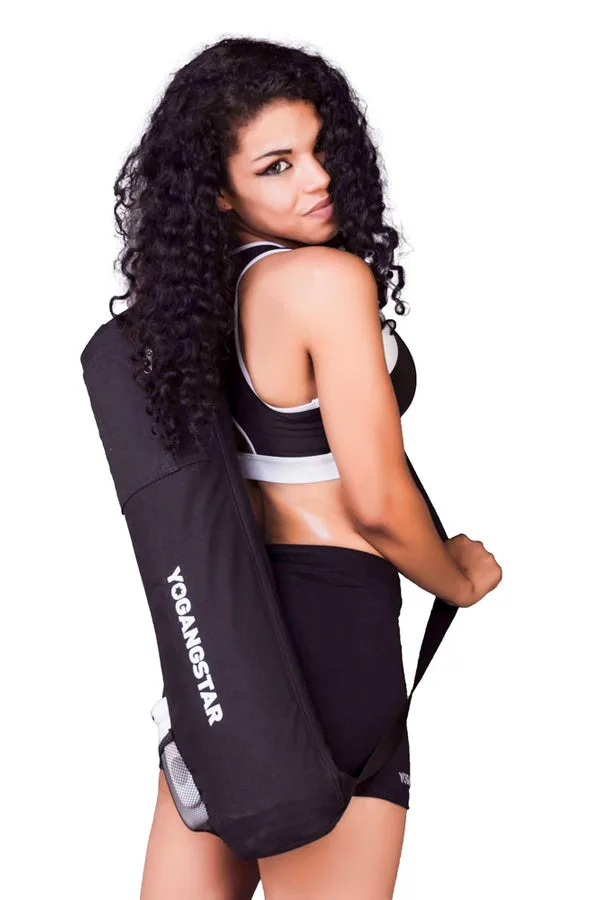
Studio / Home Yoga Mat Bags
Trade-Offs to Weigh Before You Buy
- Cushion vs stability: Thicker exercise mats (6mm+) feel softer for floor work but make standing balance poses less stable. Thinner yoga mats (3-5mm) keep you grounded but offer less joint padding. Choose based on whether you spend more time standing on one leg or lying on your back.
- Grip vs simplicity: Suede or natural rubber tops grip better when sweaty but may require more careful cleaning than wipe-clean foam. Foam exercise mats are easy to clean but can become slippery. If you sweat heavily, prioritize grip; if you want low maintenance, foam is simpler.
- Portability vs thickness: Travel yoga mats like the Flower of Life weigh 1.75kg and roll up small. Thick exercise mats are bulkier and heavier, making them a hassle to carry to class. If your mat leaves the house, go thin and light; if it stays home, thickness is less of an issue.
Product Facts from Our Catalog
- Cosmic Goddess Yoga Mat + Free Yoga Bag: Luxurious suede towel top with a 4mm thick base. The 4mm base gives more cushion than a typical thin yoga mat while still supporting balance, and the suede top helps with grip as you warm up.
- Flower of Life Yoga Travel Mat + Free Yoga Bag: Weighs only 1.75kg, has a luxurious suede towel top which is also non-slip, and a 1.5mm base made from eco-friendly 100% natural tree rubber. Machine washable. At 1.75kg and 1.5mm thick, this mat is portable and easy to clean, making it a strong choice for travel or hot yoga where sweat is a factor.
- Cosmic Goddess Yoga Travel Mat + Free Yoga Bag: Lightweight at 1.75kg, suede towel top, 1.5mm base of eco-friendly 100% natural tree rubber. Ideal for all types of yoga and Pilates, and perfect as a hot yoga mat. This mat covers both yoga and Pilates, so if you do a mix of floor work and flow, it can replace two separate mats.
- Studio / Home Yoga Mat Bags: Designed for 3 or 4mm yoga mats, 100% natural cotton with side pocket, water bottle holder, and carry strap. If you choose a 4mm mat like the Cosmic Goddess, this bag fits it and keeps your hands free while carrying a water bottle.
Which Mat Should You Choose?
Best for
- Yoga, Pilates, and hot yoga practitioners who need grip and stability
- People who carry their mat to a studio or travel and want a lightweight option
- Those who prefer a mat that can be machine washed and is made from natural materials
Not for
- Anyone who primarily does high-impact floor workouts and needs thick joint cushioning
- People who want a cheap, wipe-clean mat and don't care about grip when sweaty
- Those who never leave home with their mat and prefer maximum padding over portability
The right mat depends on how you move. For yoga, Pilates, and sweaty sessions, a thin, grippy mat like the Cosmic Goddess or Flower of Life will keep you stable and supported. For general gym workouts with lots of floor time, a thicker exercise mat may be more comfortable. Match the mat to your main activity, and you'll get better use out of it.