Quick answer
To practice yoga nidra, lie down in a comfortable position, set an intention, and follow a guided body scan that leads you into a state of deep relaxation.
Why yoga nidra works for relaxation
Unlike active yoga styles, yoga nidra (yogic sleep) is a guided meditation performed lying down. It systematically relaxes each part of your body while keeping your mind alert but detached. This practice lowers cortisol levels and improves sleep quality, making it ideal for anyone dealing with stress or insomnia.
Step-by-step guide to practicing yoga nidra
- 1. Find a comfortable resting position: Lie flat on your back on a yoga mat or soft surface. Use a small pillow under your neck or knees if needed. Close your eyes and take a few slow, deep breaths. Avoid crossing your ankles or clenching your fists; keep your body symmetrical and relaxed.
- 2. Set an intention (Sankalpa): Silently repeat a short, positive phrase that reflects what you need right now—like 'I am calm' or 'I release tension.' This intention anchors the practice. Do not skip this step; the intention gives direction to your subconscious during relaxation.
- 3. Follow the guided body scan: Starting from your right thumb, mentally rotate your awareness through each part of the body—fingers, palm, wrist, arm, shoulder, and then the left side. Move slowly without judging any sensations. If your mind wanders, gently bring it back to the body part mentioned. Do not force concentration.
- 4. Breathe with awareness: After the body scan, notice your natural breath without changing it. Imagine your breath flowing in and out of your heart center or belly. Avoid controlling the breath; simply observe. This is not a pranayama exercise.
- 5. Visualize a peaceful scene: Picture a calm place—a beach, forest, or quiet room. Stay with the image for a few minutes, noticing colors, sounds, and smells. If you cannot visualize clearly, just sense the feeling of peace. There is no wrong way to do this.
- 6. Return slowly to waking awareness: The guide will instruct you to gradually become aware of the room, wiggle fingers and toes, and gently open your eyes. Take a moment before sitting up. Do not rush to stand. Sudden movement can disrupt the relaxation response you just created.
Product spotlight
-
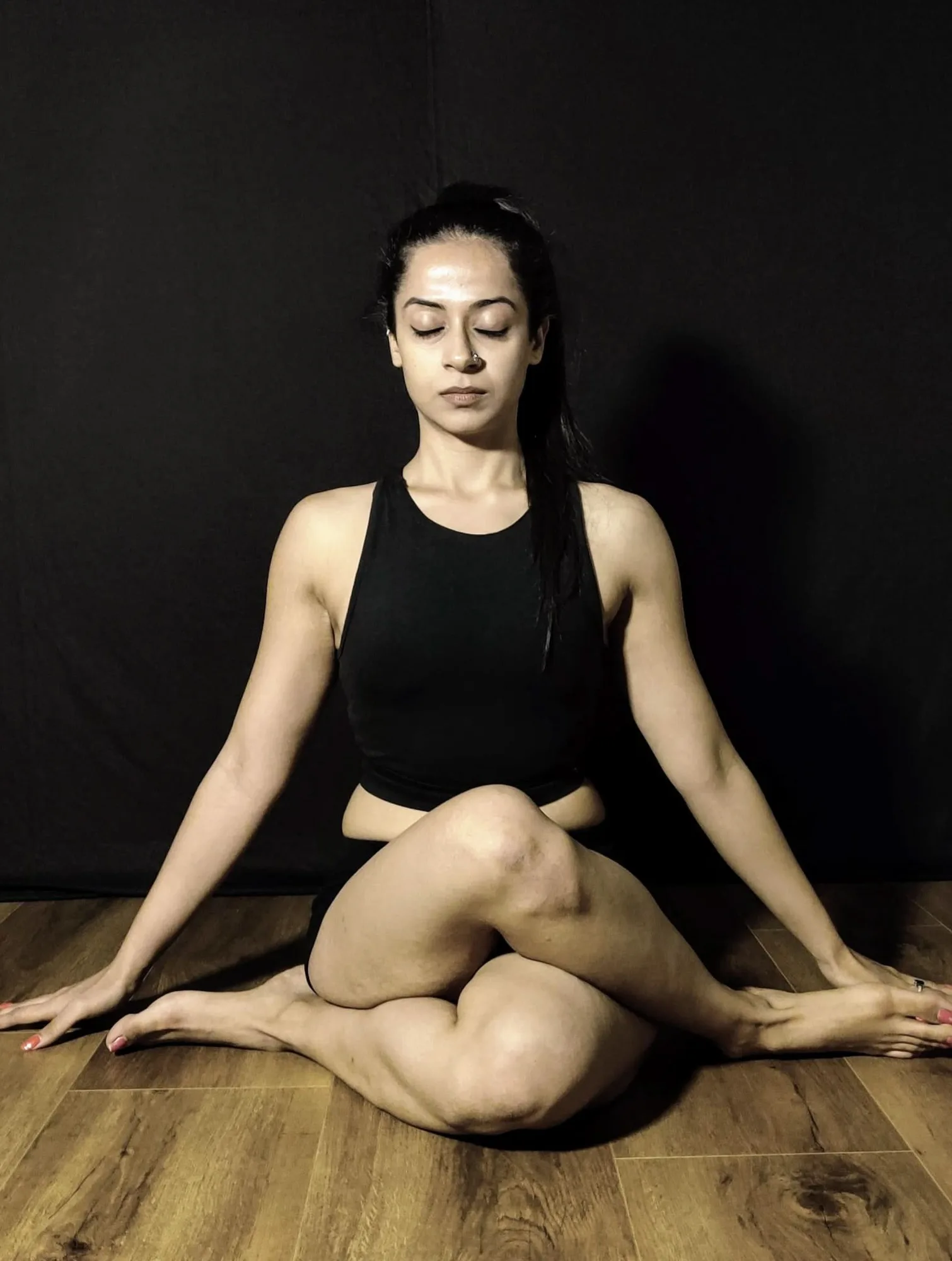
Anusha: Hatha Yoga, Pranayama & Yoga Nidra: Anusha is a Doctor by profession who now teaches full-time Yoga, including Hatha Yoga, Pranayama & Yoga Nidra. Her medical background adds a layer of credibility when guiding you through relaxation techniques, ensuring the practice is both safe and effective.
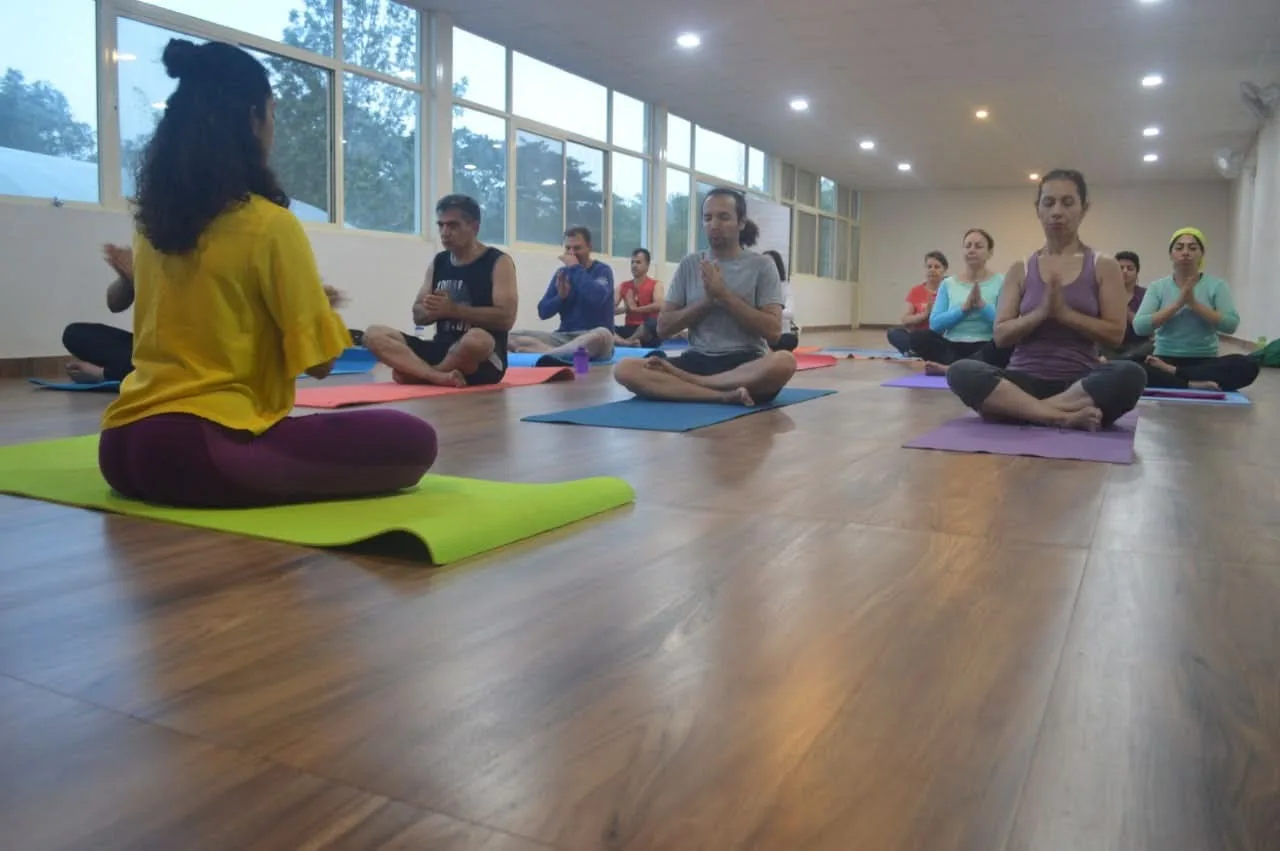
Anusha: Hatha Yoga, Pranayama & Yoga Nidra