Quick answer
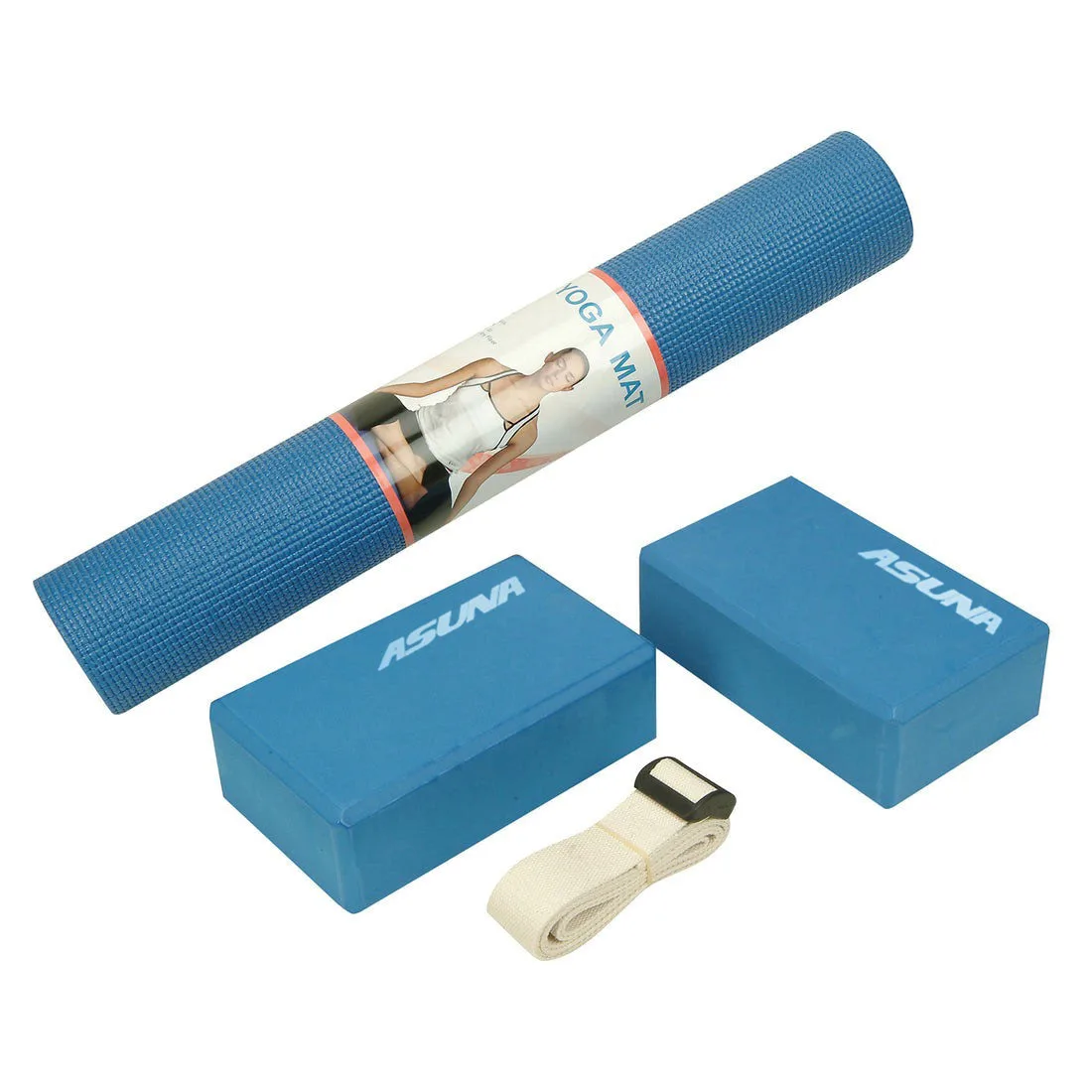
Buy a mat first, then two yoga blocks and a yoga strap. These three essentials cover the widest range of beginner poses and help you adapt when your hamstrings, hips, or shoulders need more room. A towel or bolster can wait until you know your practice style. If you want one purchase that does more, a combo mat with a bonded towel surface may replace a separate mat and towel for hot or sweaty sessions.
yoga strap
Walk into any yoga class and you will see a mix of bodies using blocks, straps, and towels. Those props are not a sign of weakness. They are tools that bring the floor closer, extend your reach, and help you hold a pose long enough to understand it. For beginners, the trick is knowing which props to buy first and which ones can wait until your practice tells you what you need.
This guide gives you a simple buying order, concrete decision rules, and honest trade-offs. You will not find a list of every prop on the market. Instead, you will learn which three items solve most beginner problems, when a combo mat makes sense, and how to check that a prop actually fits your body before you spend money on it.
Start with a mat you will actually use
Your mat is the one prop you touch in every pose. For most beginners, a 6mm mat offers a useful balance of cushioning and stability: enough padding for knees and wrists, but not so much that you feel wobbly in standing poses. If you have sensitive joints or practice mostly restorative sequences, a thicker mat can help. If you sweat heavily or plan to attend hot yoga, look for a mat with a towel-like surface or plan to add a mat towel.
Material matters more than color. Natural rubber and cork provide grip that improves as you warm up, while PVC tends to feel consistent from the first pose. Cork and natural rubber are common choices for eco-conscious yogis, but they need different care. Cork should be wiped with a damp cloth and kept out of direct sun, while rubber mats should be cleaned with a gentle mat wash and dried fully before rolling.
- Choose 6mm thickness for general beginner classes; go thinner for travel and thicker for restorative work.
- If you rent studio mats, bring your own mat towel to create a clean, grippy surface.
- Avoid folding a standard mat into a bag unless the mat is designed to fold; creases can damage the surface.
Add two blocks before you add anything else
Two blocks are the cheapest way to change how a pose feels. In a forward fold, a block under each hand brings the floor up so your spine can lengthen instead of rounding. In triangle pose, a block under the bottom hand lets you keep your chest open. In bridge pose, a block between the thighs teaches you to engage your legs evenly. One block is useful, but two blocks give you symmetrical support and more options.
Firmness is the main decision. Cork blocks are dense and stable, which makes them a good choice for standing poses and supported backbends. Foam blocks are lighter and softer, which can be kinder on bony wrists but less stable under heavy weight. If you are unsure, start with cork for stability and add a foam block later if you want a softer option for restorative poses.
- Buy two blocks at the same height so your setup stays symmetrical.
- Check the weight limit if you plan to sit or stand on a block; cork generally handles more load than foam.
- Store blocks where you practice, not in a closet, or you will not use them.
A strap extends your reach without forcing your body
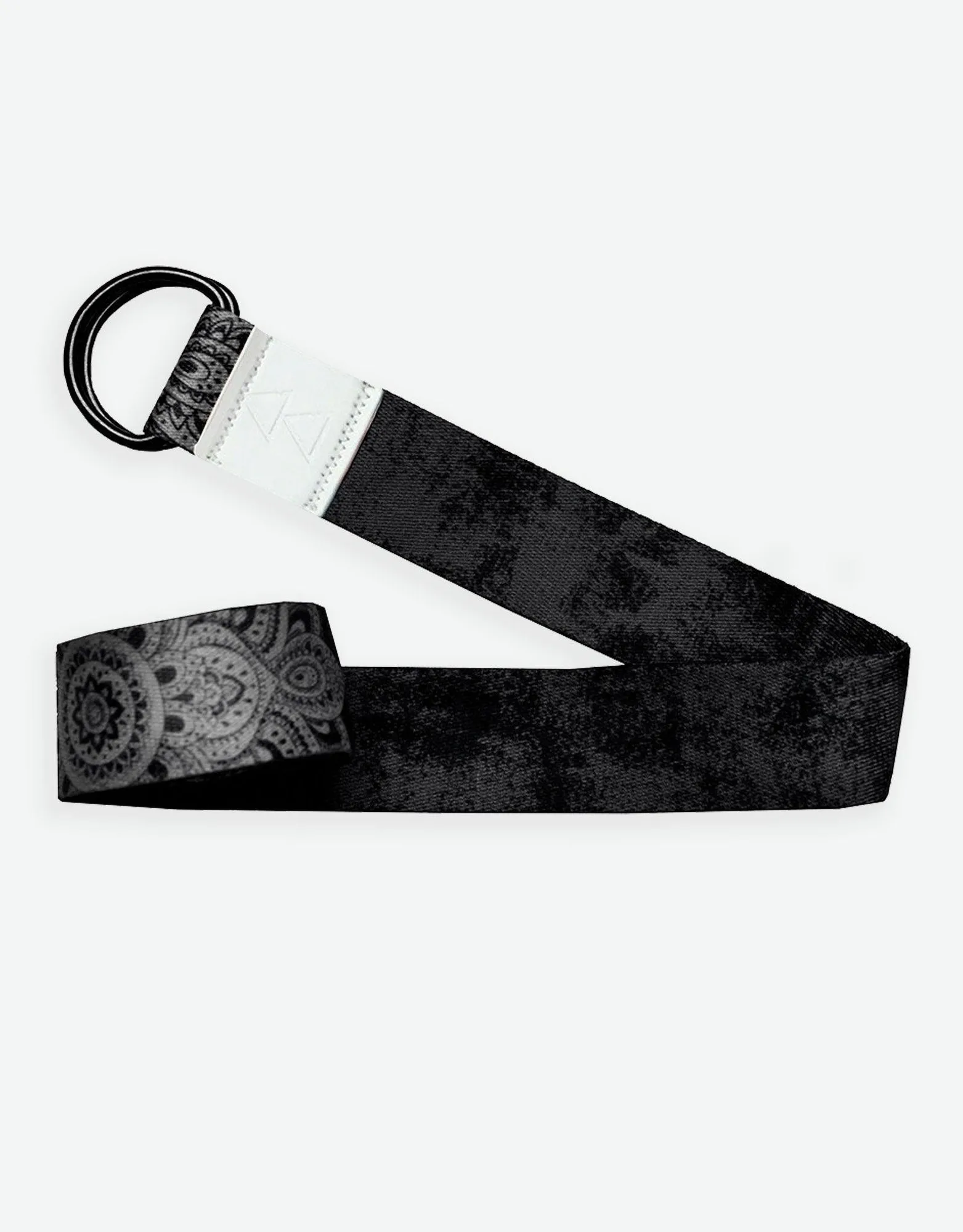
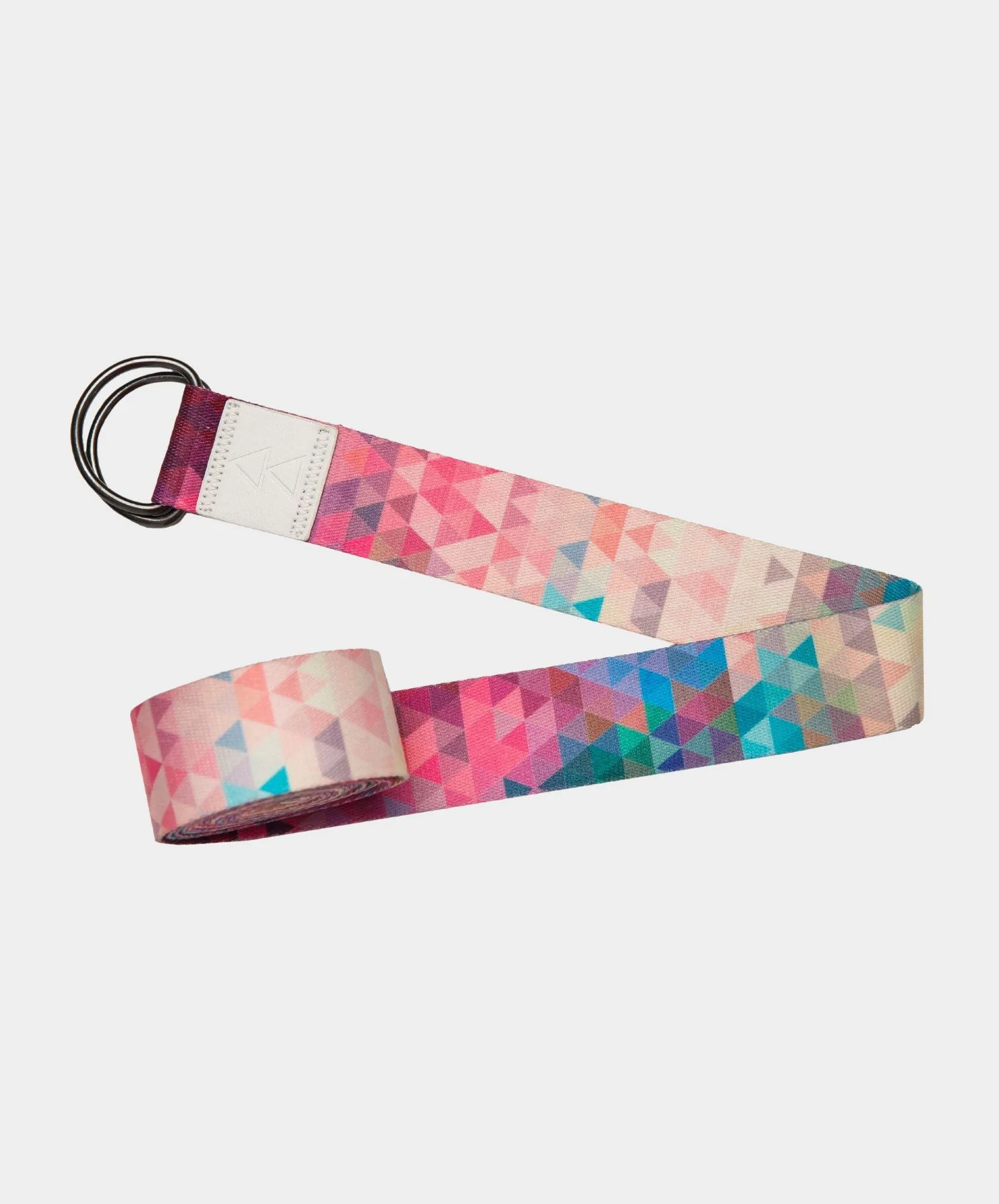
A yoga strap is a length of webbing with a buckle or loop that lets you hold a pose without straining. In seated forward folds, a strap around the feet helps you keep your spine long. In reclining hand-to-big-toe pose, a strap around the foot lets you extend your leg without rounding your lower back. In shoulder stretches, a strap keeps your hands at a comfortable distance.
Most beginners do well with a 6-foot to 8-foot strap. Shorter straps are easier to manage in shoulder work, while longer straps give you more room in forward folds and leg stretches. Look for a strap with a metal or plastic buckle that lies flat, and check that the webbing does not cut into your hands when you pull. Cotton webbing tends to feel softer; nylon webbing is often more durable and easier to wipe clean.
- If you are between sizes, choose the longer strap; you can always hold it with extra slack.
- Loop the strap around your foot, not your toes, to avoid pinching.
- A strap doubles as a carry aid for a rolled mat in a pinch, but a dedicated mat bag is more comfortable.
Know when a combo mat replaces two purchases
A combo mat bonds a microfiber towel surface to a natural rubber base, so you do not have to layer a separate towel over your mat. That matters in hot yoga or any sweaty practice where a loose towel bunches under your hands. The trade-off is care: a combo mat needs to be cleaned and dried according to its material, and the towel surface can wear faster if you drag heavy equipment across it.
If you practice mostly at home and do not sweat heavily, a standard mat plus a separate towel gives you more flexibility and costs less upfront. If you attend hot classes or hate adjusting a sliding towel mid-flow, a combo mat can simplify your setup. Either way, buy the mat before you buy a towel, because the mat determines the size and grip you need.
- Choose a combo mat if you sweat heavily or practice hot yoga regularly.
- Choose a separate mat and towel if you want to swap towels between sessions or travel light.
- Never fold a combo mat unless the maker says it is foldable; rolling is safer for the bonded surface.
What can wait: bolsters, wheels, and specialty props
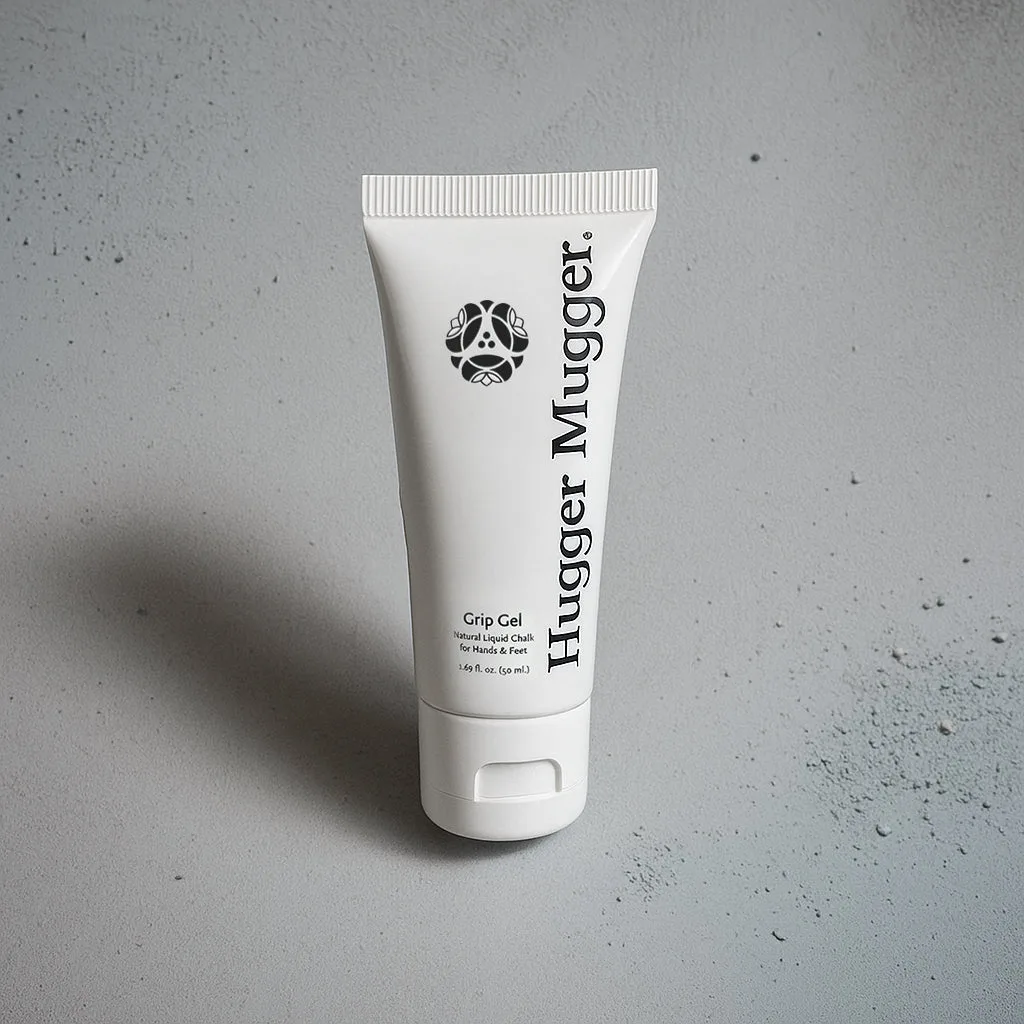
A bolster is a firm, rectangular cushion used for restorative poses and supported backbends. It feels wonderful, but it takes up space and is not necessary for most beginner classes. A yoga wheel is a tool for backbends and balance work; it can be fun, but it is not a first purchase. Hand towels, socks, and grip gel solve specific problems that you may never have. Buy them when a problem appears, not before.
grip gel
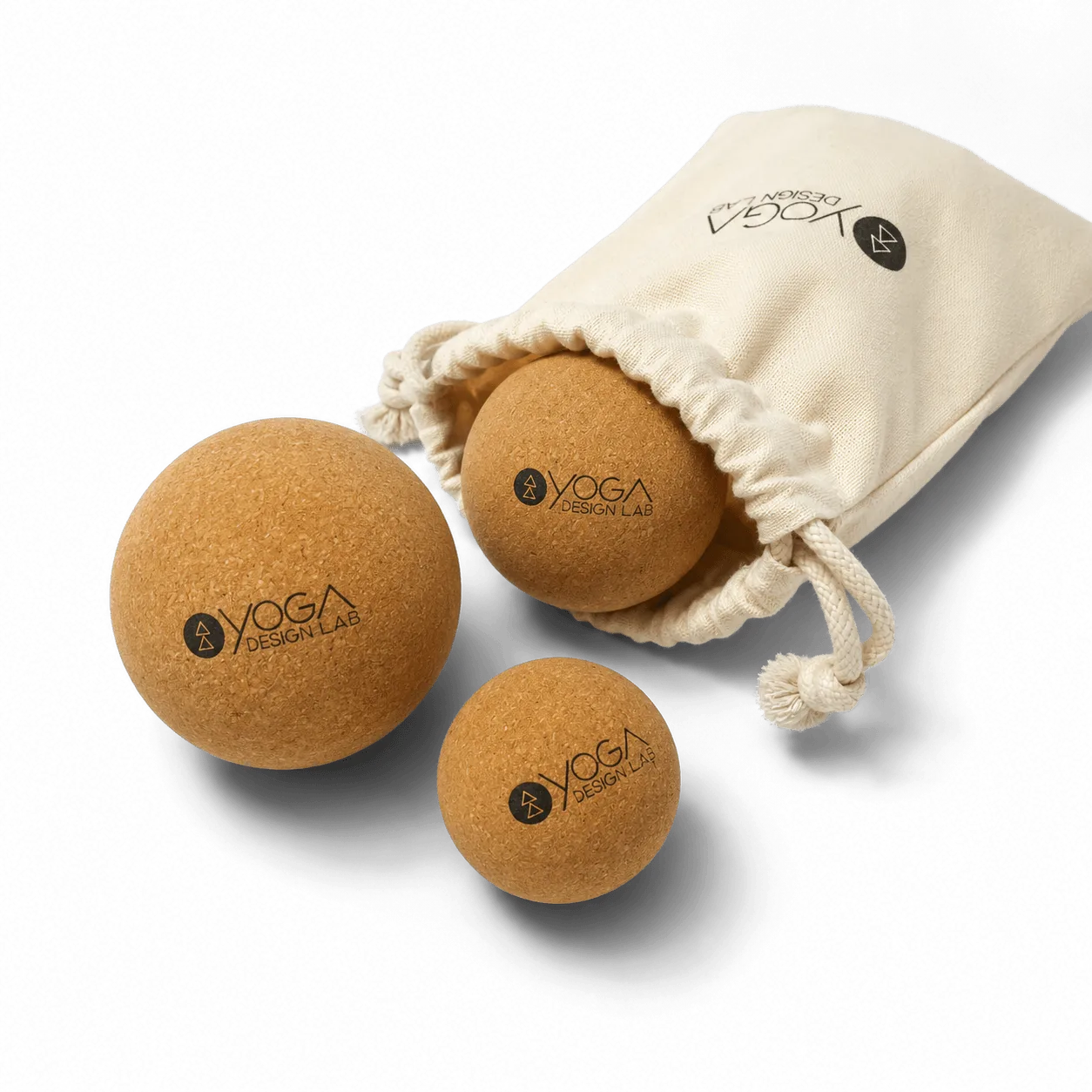
The same logic applies to a cork roller or massage ball set. These are recovery tools, not pose supports. If you lift weights, run, or sit at a desk all day, a cork roller can help you release tight muscles after practice. If you are new to yoga and just learning the poses, put your money into the mat, blocks, and strap first.
- Add a bolster when you start a restorative practice or want to hold supported backbends longer.
- Add a wheel only after you are comfortable with basic backbends and have a teacher who can guide you.
- Add a cork roller if post-practice muscle tension is a bigger issue than pose accessibility.
Decision rules for your first yoga prop purchase
- If you sweat heavily or practice hot yoga: Choose a combo mat with a bonded towel surface, or add a microfiber mat towel to the mat you already own. A loose cotton towel will bunch under your hands. One grippy surface beats two sliding layers.
- If your hands do not reach the floor in a forward fold: Buy two cork blocks before you buy anything else. Cork is dense and stable for standing poses and supported backbends. Foam is lighter and softer but less stable under load. Two blocks, same height, same material.
- If you feel a stretch in your lower back instead of your hamstrings: Add a 6-foot to 8-foot yoga strap. Loop it around the ball of your foot and keep your spine long. A strap lets you extend your leg without rounding your back. Reach with the strap, not with your spine.
- If you practice at home and have limited space: Start with a standard 6mm mat, two blocks, and a strap. Skip the bolster, wheel, and roller until a specific pose or recovery need appears. A travel cork mat is worth adding only if you actually carry your mat outside the house. Buy for the practice you have, not the one you might have.
- If you are choosing between a thicker mat and a thinner one: Thicker mats cushion knees and wrists but can feel unstable in balance poses. Thinner mats give you more ground feel but less joint support. For general beginner classes, 6mm is the middle ground. Match thickness to your joints and your practice style.
Product facts that help you decide
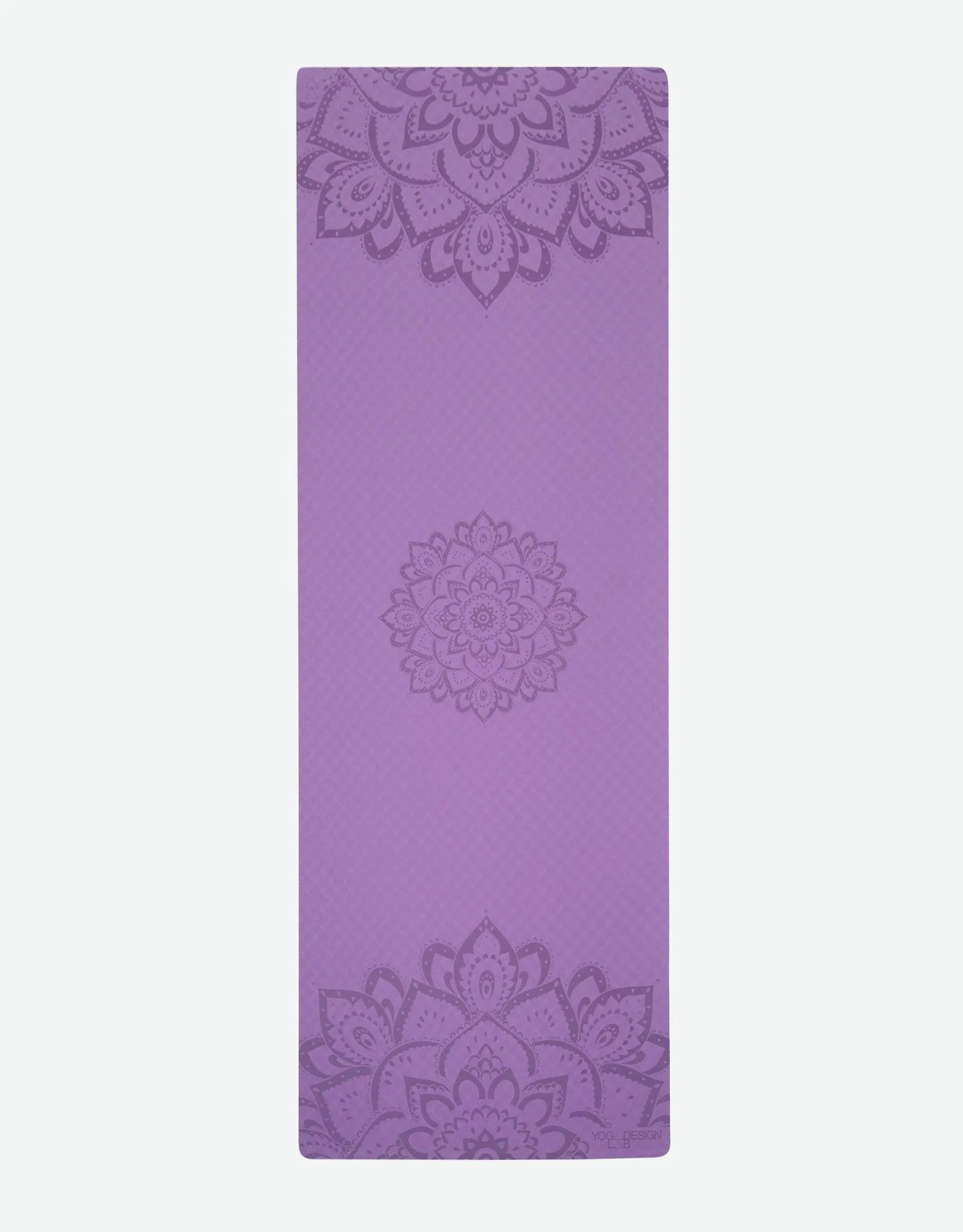
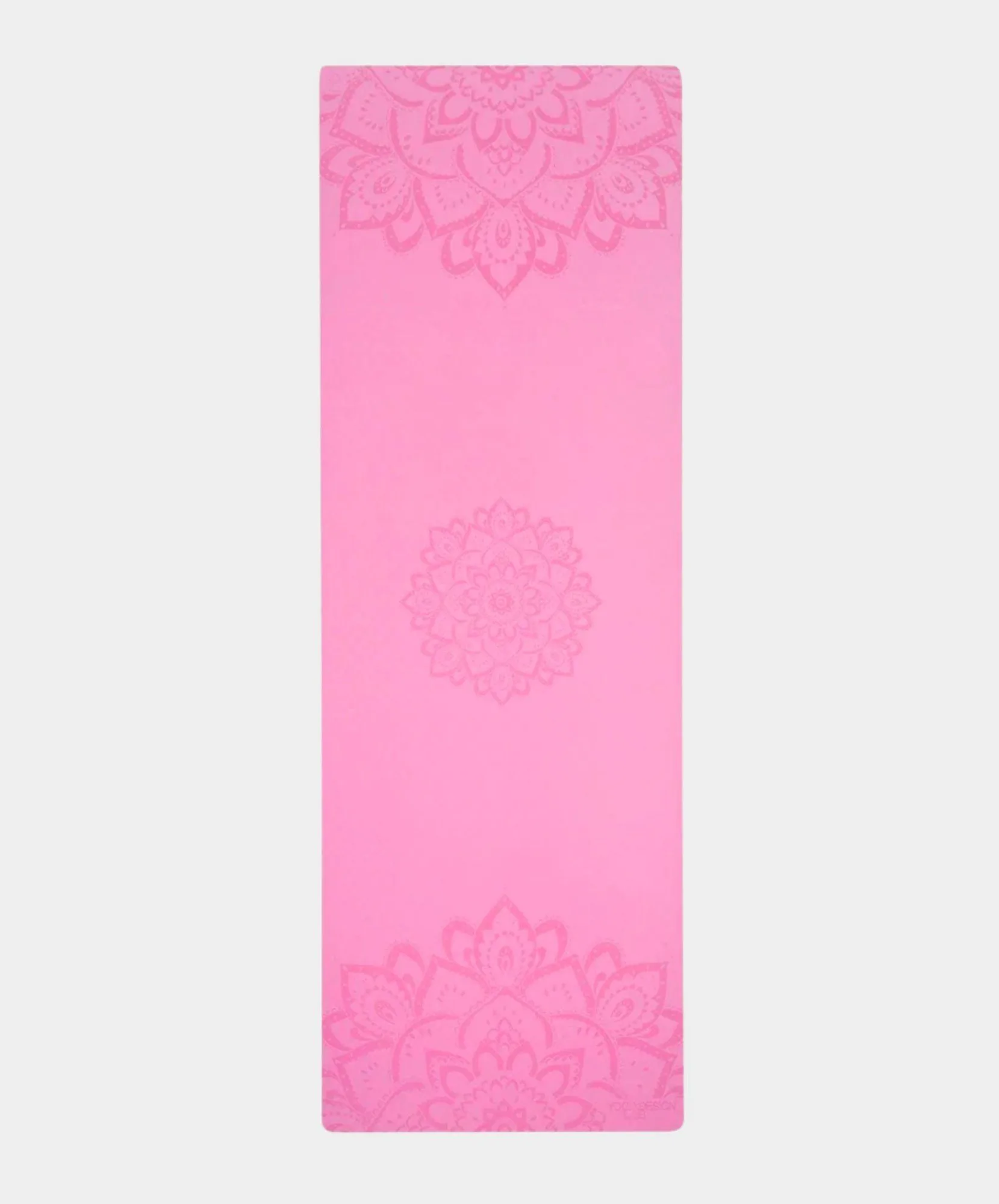
- https://yogadesignlabev.com/products/flow-yoga-mat-6mm-pure-mandala-lavender-2b4c736a1633acf970510a2b-1693148Flow Yoga Mat - Mandala Lavender: Made from eco-friendly, non-toxic materials with 6mm of cushioning and a textured, slip-resistant surface. The 6mm thickness supports joints without feeling unstable, and the textured surface helps you stay planted in standing poses. It is a strong first mat if you want cushioning and grip in one purchase.
- Combo Yoga Mat - Tribeca Sand: The sweat-activated microfiber towel surface is bonded to a natural tree rubber base, providing exceptional grip and support. Because the towel and mat are fused, you do not have to adjust a separate towel during hot or sweaty sessions. This is a practical choice if you practice hot yoga or sweat heavily and want one piece of equipment instead of two.
- Travel Cork Yoga Mat - Natural Balance: Crafted from sustainable cork and natural rubber, this ultra-thin mat delivers a moisture-activated grip and folds compactly. If you practice on the go or have limited storage, this mat folds small and grips better as you sweat. The trade-off is less cushioning than a 6mm mat, so it suits travel and occasional use more than daily joint support.
- Yoga Mat Towel - Mandala Black: Ultra-soft microfiber towel with sweat-activated grip that lays over your mat to enhance stability and hygiene. This is the lower-commitment alternative to a combo mat. It adds grip and hygiene to a mat you already own, and it dries quickly, so you can wash it between sessions without cleaning the whole mat.
Who this buying order fits
Best for
- Complete beginners who want a short, practical list of first yoga props to buy
- Yogis who practice at home or in general studio classes and want props that cover many poses
- Hot yoga practitioners who need a grippy surface and a towel that stays put
Not for
- Experienced yogis who already own blocks, straps, and a mat they like
- Restorative-only practitioners who know they want a bolster and supported setup first
- Travelers who need an ultra-thin, foldable mat and no other props
Buy your mat first, then two blocks, then a strap. Those three props solve most beginner problems without filling your closet. Add a combo mat or a mat towel if sweat is your main obstacle, and save bolsters, wheels, and rollers for when a specific pose or recovery need shows up. Start with the essentials, practice for a few weeks, and let your body tell you what to buy next.