Quick Answer
Kids don’t need yoga props to benefit from yoga, but the right prop can make poses more accessible, build confidence, and keep small bodies safe. Choose lightweight, stable props sized for children—like a small triangular block or a firm bolster—and always supervise their use.
bolster
Yoga for children is less about perfect alignment and more about building body awareness, focus, and fun. Props like blocks and bolsters can help kids reach the floor, feel supported in balance poses, and stay engaged. But are they necessary? Not always—but they can be a game-changer when used thoughtfully.
The key is choosing props that match a child’s size and strength, and using them in ways that encourage safe exploration. This guide breaks down when props help, which ones to consider, and how to introduce them without overwhelming young yogis.
When Do Kids Actually Need Yoga Props?
Props become useful when they help a child maintain comfort and confidence in a pose. For example, a small block under the hand in Triangle Pose can bring the floor closer, reducing strain and helping kids focus on their breath instead of struggling. Similarly, a bolster under the knees in Savasana can ease lower back tension and make rest more appealing.
However, not every child needs props. Many kids are naturally flexible and may find props distracting or unnecessary. If a child is comfortable and stable without props, let them practice freely. Props are tools, not requirements—use them to solve a specific challenge, not as a default.
- Use props when a child can't comfortably reach the floor or maintain balance.
- Skip props if they cause frustration or seem to distract from the practice.
- Let children choose when to use a prop—it builds ownership and confidence.
How to Choose the Right Props for a Child
Size and weight matter most. A child’s hands are smaller and their strength is still developing, so a lightweight block—like a small triangular block—is easier to grip and adjust. Look for materials that are firm but not hard, and avoid anything too heavy that could cause strain.
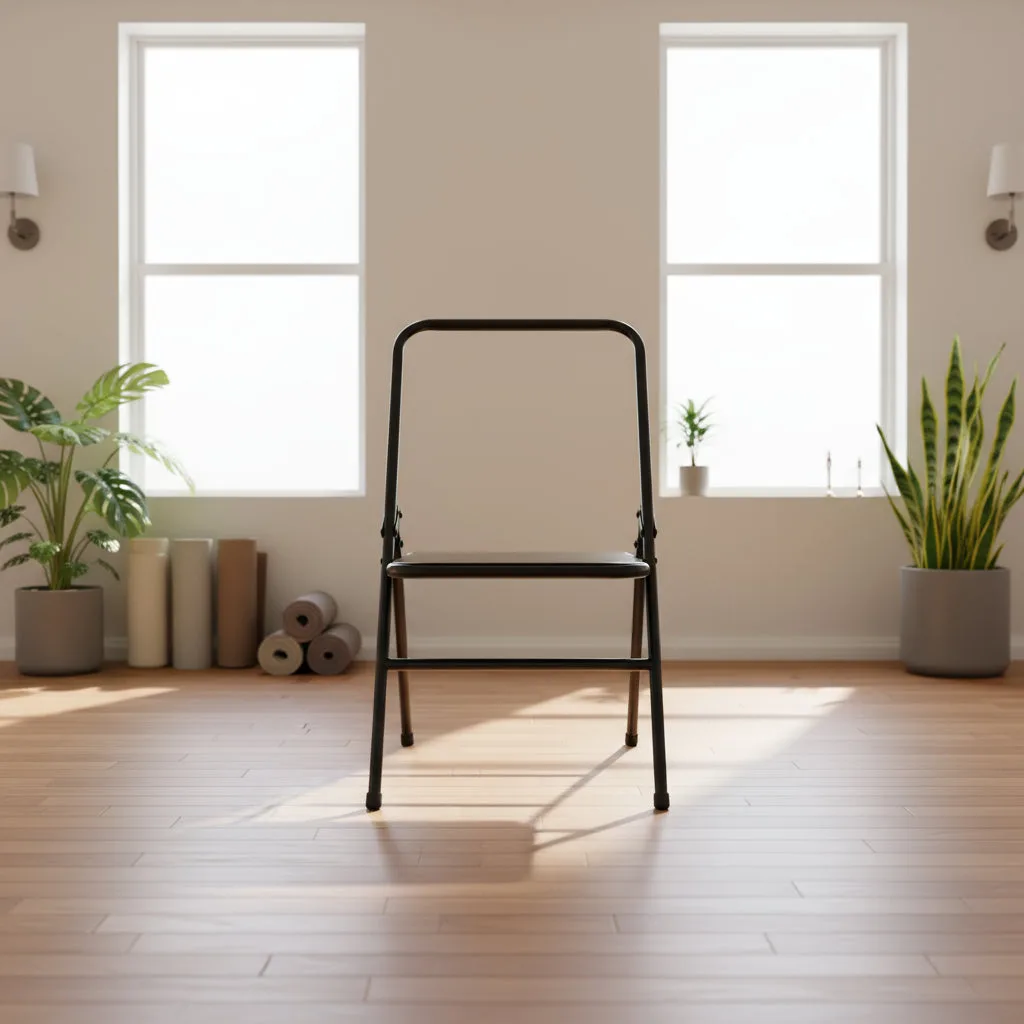
Stability is another priority. A bolster with a firm but soft surface can support a child’s back or knees without collapsing, while a stable chair with a flat seat can help with seated poses and gentle backbends. Always check that the prop is in good condition and place it on a non-slip surface.
When in doubt, start with one prop at a time. Let the child experiment and see what feels good. The goal is to make yoga feel safe and fun, not to create perfection.
- Choose props that are lightweight and sized for a child’s body.
- Prioritize stability—test that a block or bolster doesn’t wobble.
- Introduce one new prop per session to avoid overwhelming kids.
Safe Ways to Introduce Props to Kids
Begin with simple, familiar poses. For example, place a block under a child’s hand in Downward Dog to reduce pressure on the shoulders, or use a bolster under the hips in a gentle forward fold. These small adjustments help kids feel the benefits without needing complex instructions.
Always supervise children when using props, especially with items like a yoga chair or a larger block. Teach them how to place and adjust the prop themselves, and encourage them to listen to their bodies. If a pose causes pain or fear, stop and try a different variation.
Make it playful. Call the block a 'stepping stone' or the bolster a 'cloud'. When kids associate props with fun, they’re more likely to use them safely and return to the mat.
- Always spot children when they use a yoga chair or large block.
- Teach kids to place props themselves—it builds body awareness.
- Use imaginative names to make props feel fun and approachable.
Props to Skip for Younger Children (and Why)
Some props, like a yoga wheel, are generally not recommended for children under a certain age or experience level. A wheel requires core strength and balance that younger kids may not have yet, increasing the risk of falls. If you’re considering a wheel, wait until the child is older and has practiced with other props first.
Similarly, heavy or hard props like a large wooden block can be intimidating and difficult for small hands to hold. They may also hurt if dropped. For children, softer or lighter options are safer and more enjoyable.
When in doubt, choose props that are simple, stable, and easy to handle. The goal is to foster a positive relationship with yoga, not to introduce unnecessary risk.
- Avoid yoga wheels for young or beginner children—they require advanced strength and balance.
- Skip heavy or hard props that could cause injury if dropped.
- If a prop feels risky, leave it out and focus on bodyweight poses.
Is a Prop Right for Your Child? A Simple Decision Guide
- Child’s age and experience: For ages 3-6, use only soft props like a bolster. Ages 7 and up can handle small blocks and a stable chair with supervision. Match prop complexity to the child’s developmental stage.
- Type of pose: Use blocks for standing poses and balance, bolsters for restorative and relaxation, and a chair for seated or supported backbends. Choose the prop that directly addresses the pose’s challenge.
- Child’s comfort and interest: If a child resists using a prop, don’t force it. Let them practice without it and revisit later. Comfort and enjoyment come first.
How These Props Fit Into a Kid-Friendly Practice
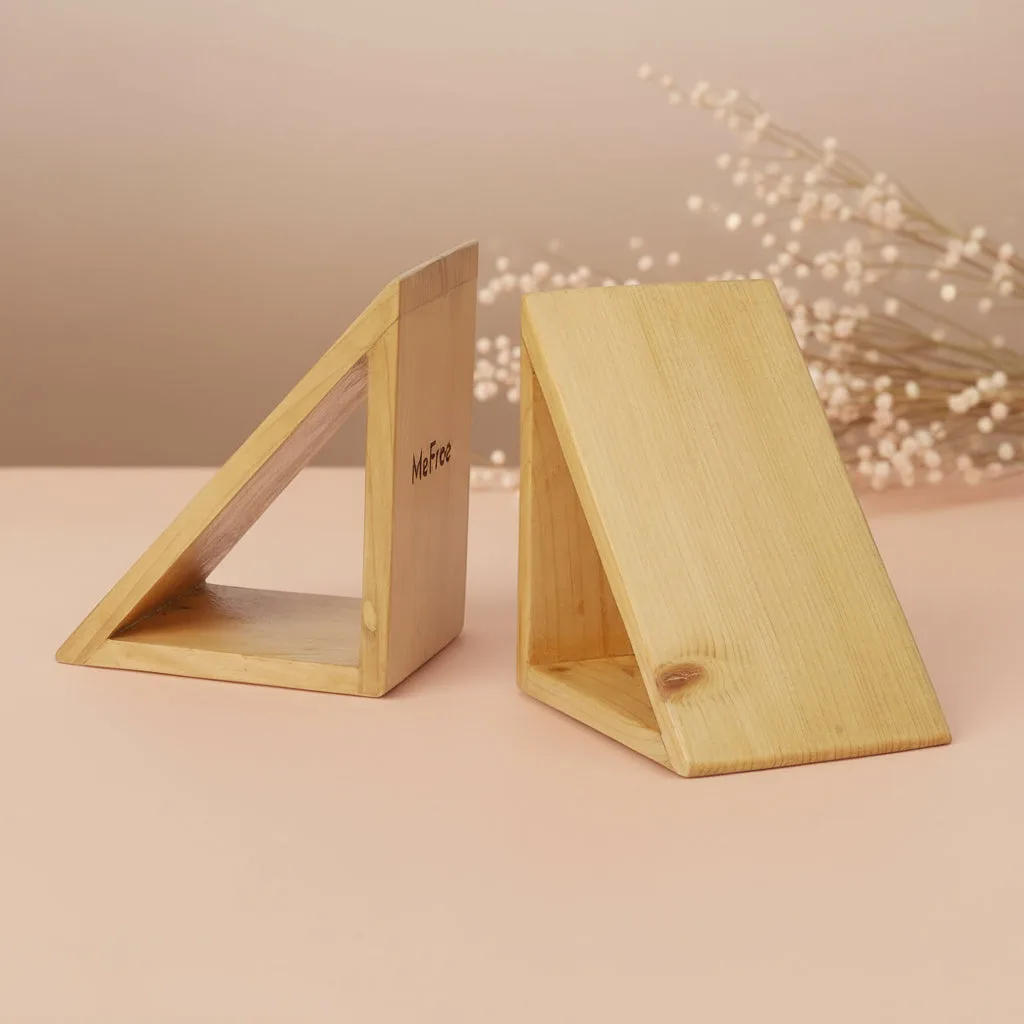
- Triangular Block- Small Pair: MeFree Small Yoga Triangular Blocks are engineered to support you in finding your perfect positioning during your practice, providing additional stability and precision to your body when completing a difficult pose. The small size and lightweight design make it easier for children to grip, adjust, and use as a stable base for poses like Triangle or Half Moon.
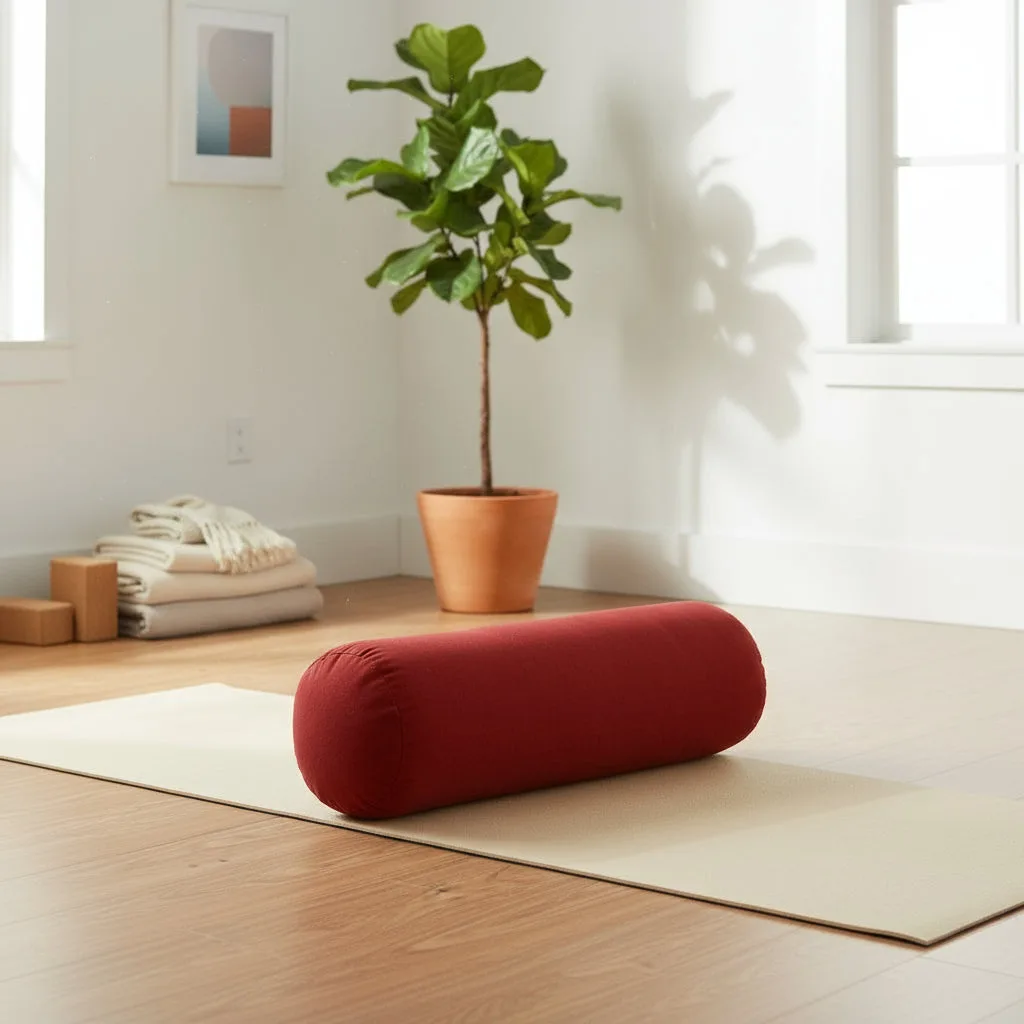
- Bolster: Our Yoga Bolster is created to add depth and fullness to any practice, allowing you to reach a fully relaxed state. It’s firm but soft surface offers a solid cushion for the body while providing the right amount of elevation for the chest, spine, and for relieving tension. A firm yet soft bolster can support a child’s back or knees in restorative poses, helping them relax and enjoy the practice without straining.
- Iyengar Yoga Chair With Flat Seat: The Iyengar Yoga Chair is designed to give you the ability to perform restorative yoga poses and to assist you in proper alignment while doing so, with a flat seat to provide support while practicing more advanced postures safely. A stable chair with a flat seat can help children practice seated poses and gentle backbends with proper alignment, reducing the risk of injury.
Choosing the Right Prop for Your Child
Best for
- Children who need extra support to reach the floor or maintain balance
- Kids who enjoy restorative or relaxing yoga and benefit from a bolster
Not for
- Very young children (under 6) who may not have the coordination for blocks or chairs
- Kids who are easily distracted or prefer moving freely without props
Yoga props can be a wonderful addition to a child’s practice when chosen and used thoughtfully. Start with simple, stable options like a small block or a firm bolster, and always supervise to ensure safety. The goal is to make yoga fun, accessible, and empowering—not to add pressure. Trust your child’s comfort and let them lead the way.