Quick answer
Choose an 8-foot cotton strap if you are a beginner or practice restorative and flexibility work, because the extra length lets you loop it around your foot without straining. Choose a shorter strap only if you are already flexible and want a compact prop for class. Cotton grips better and feels softer; nylon is lighter and dries faster.
A yoga strap is one of the simplest ways to reach further without forcing your body. It extends your arms in forward folds, shoulder openers, and hamstring stretches, so you can hold a pose with steady breath instead of gripping or straining. The right strap depends less on brand and more on length, material, and how you actually practice.
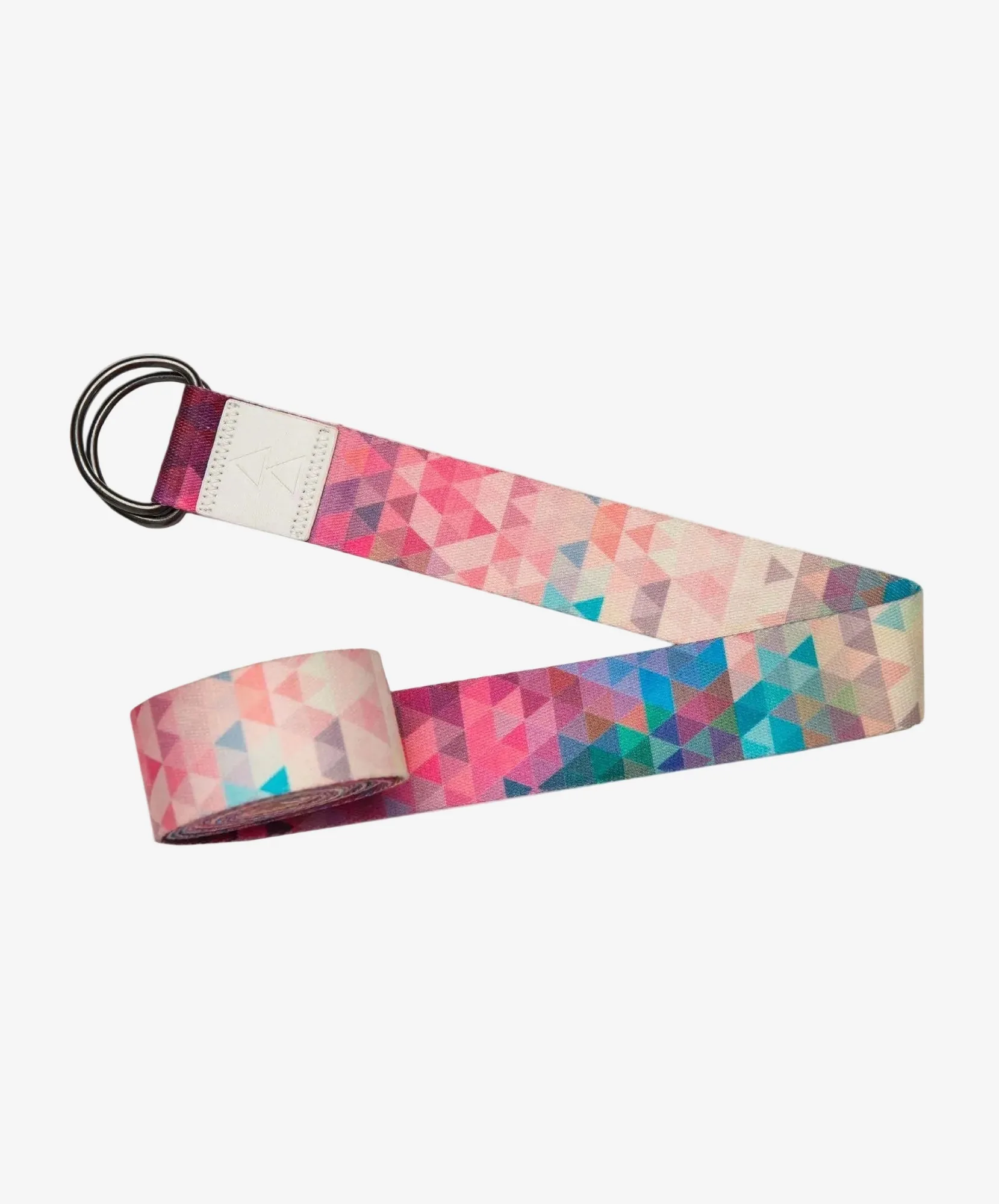
yoga strap
This guide walks through the most common yoga strap uses, explains yoga strap length in plain terms, and gives you decision rules for choosing between cotton and nylon. You will also find fit guidance so you can pick a strap that supports your body today and still works as your flexibility changes.
What a yoga strap actually does in your practice
A strap creates length where your arms cannot reach on their own. In a seated forward fold, looping it around the soles of your feet lets you sit tall and hinge from the hips instead of rounding your spine to grab your toes. In shoulder openers, holding the strap between both hands keeps the movement symmetrical and controlled. In restorative poses, it can hold a shape so your muscles can release.
The strap is also a feedback tool. When you pull gently against it, you can feel whether you are stretching from the right place or compensating with your lower back. That makes it useful for beginners learning alignment and for experienced yogis working on a specific tight area. It is not a substitute for a teacher, but it is one of the most affordable props you can own.
- Use a strap when your hands cannot reach without collapsing your posture.
- Loop it around the ball of your foot, not your arch, for hamstring stretches.
- Keep tension gentle; the strap should guide, not pull you deeper.
Yoga strap length: 6, 8, or 10 feet?
Most yoga straps come in 6-foot, 8-foot, and 10-foot lengths. An 8-foot strap is the most versatile starting point because it works for average-height adults in seated forward folds, shoulder openers, and supine hamstring stretches. A 6-foot strap can feel too short if you are tight or tall, but it is easier to manage in class and works well for binding poses once you are flexible. A 10-foot strap gives extra room for very tall practitioners, deeper restorative setups, or partner work.
If you are unsure, measure your reach. Sit with your legs extended and see how far your hands are from your feet. If the gap is more than about a foot, an 8-foot strap will serve you better than a 6-foot one. If you are under about 5 feet 4 inches and already comfortable in forward folds, a 6-foot strap may be enough.
- Beginners and tight hamstrings: start with 8 feet.
- Tall practitioners or restorative work: consider 10 feet.
- Flexible practitioners who want a compact prop: 6 feet can work.
Cotton vs nylon yoga strap: which material fits you
Cotton straps are woven, slightly textured, and hold their shape well. The texture gives you a reliable grip, which matters when your hands are sweaty or when you are pulling against the strap in a stretch. Cotton also feels softer against bare skin and tends to stay where you place it. The trade-off is that cotton absorbs moisture and takes longer to dry if you sweat heavily or practice in a hot room.
Nylon straps are smooth, lightweight, and dry quickly. They slide through buckles easily and pack down small, which makes them convenient for travel or studio bags. The trade-off is that nylon can feel slick against skin and may require a firmer grip. If you practice hot yoga or travel often, nylon has real advantages. If you practice restorative yoga or want a strap that feels stable in your hands, cotton is usually the better choice.
- Cotton: better grip, softer feel, slower to dry.
- Nylon: lighter, faster drying, can feel slick.
- Hot yoga or travel: lean nylon. Restorative or home practice: lean cotton.
How to choose a yoga strap for your body and practice
Start with the poses you do most. If you spend time in seated forward folds, supine hamstring stretches, and shoulder openers, an 8-foot cotton strap covers all of them. If you mainly use a strap for binding in standing poses, a shorter strap keeps things tidy. If you teach or practice restorative yoga, a longer strap gives you more options for supporting the body with props.
Check the buckle or loop style. A metal D-ring or buckle lets you adjust the length quickly and holds tension well. A loop-style strap is simpler but less adjustable. Also consider width: a slightly wider strap distributes pressure across your hand and foot, which is more comfortable in long holds. None of these details matter as much as length and material, so decide those first.
- Match strap length to your reach, not your height alone.
- Choose a buckle style you can adjust without looking.
- Wider straps are more comfortable for long holds.
Common mistakes when buying a yoga strap
The most common mistake is buying a strap that is too short. A 6-foot strap looks compact and appealing, but if you cannot loop it around your foot in a forward fold, it will sit unused. Another mistake is choosing nylon for a restorative practice where grip and softness matter more than drying speed. Finally, some people buy a strap and never adjust it, treating it as a fixed loop rather than an adjustable tool.
A strap is only useful if you actually use it. Keep it where you practice, learn two or three ways to loop it, and adjust the length before each pose. If you are between sizes, size up. Extra length can be shortened by holding higher on the strap, but a short strap cannot be stretched.
- Do not assume one length fits every pose.
- Adjust the buckle before you enter the pose, not during it.
- When in doubt, choose the longer strap.
Decision rules for buying a yoga strap
- If you cannot reach your feet in a seated forward fold: Choose an 8-foot cotton strap. It gives you enough length to loop around the foot and hold the pose without rounding your spine. Start with 8 feet unless you are already comfortable in forward folds.
- If you practice hot yoga or travel often: Choose a nylon strap. It is lighter, dries faster, and packs smaller than cotton, though it may feel slick against skin. Prioritize drying speed and portability over grip.
- If you mainly practice restorative yoga or long holds: Choose a wider cotton strap. The texture grips better and the width distributes pressure across your hand and foot during longer holds. Comfort and stability matter more than packability here.
- If you are between two lengths: Size up. You can always hold higher on a longer strap to shorten it, but you cannot lengthen a short strap. A longer strap stays useful as your practice changes.
Product facts
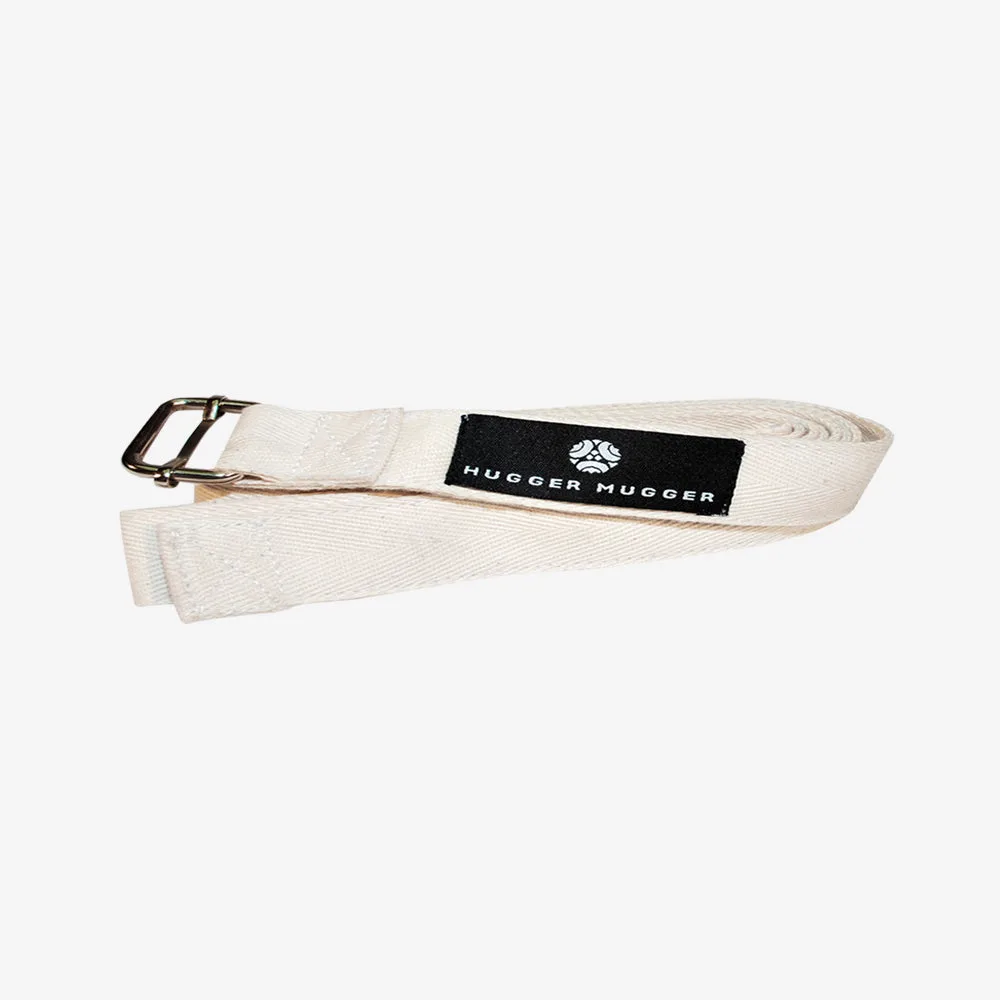
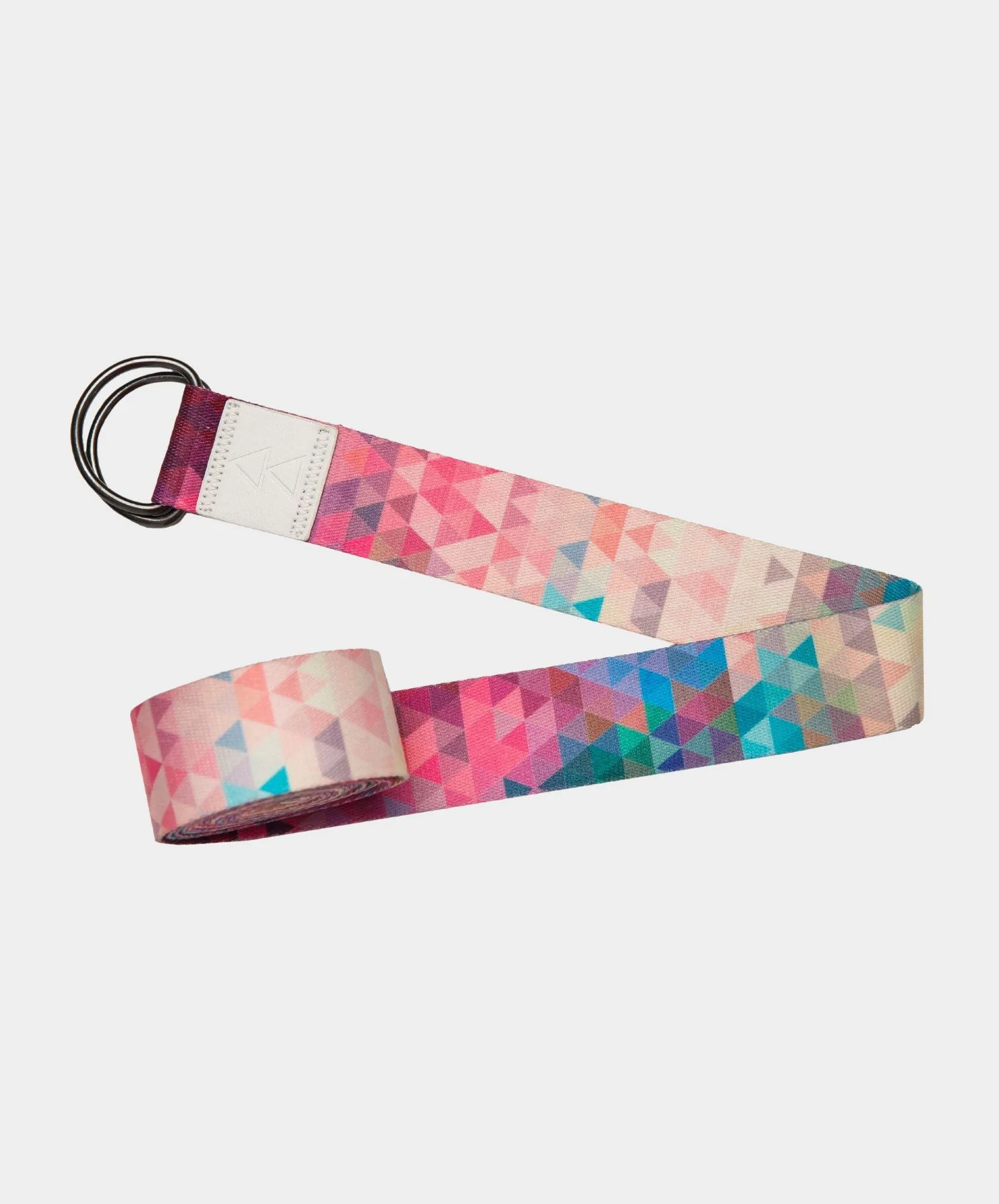
- India 8 ft. Yoga Strap: Crafted from durable, densely woven cotton in vibrant, traditional colors, this 8-foot strap provides secure, graceful support for forward folds, shoulder openers, hamstring stretches, and restorative work. The 8-foot length gives most beginners and average-height practitioners enough room to loop around the foot without straining, while the cotton weave offers reliable grip.
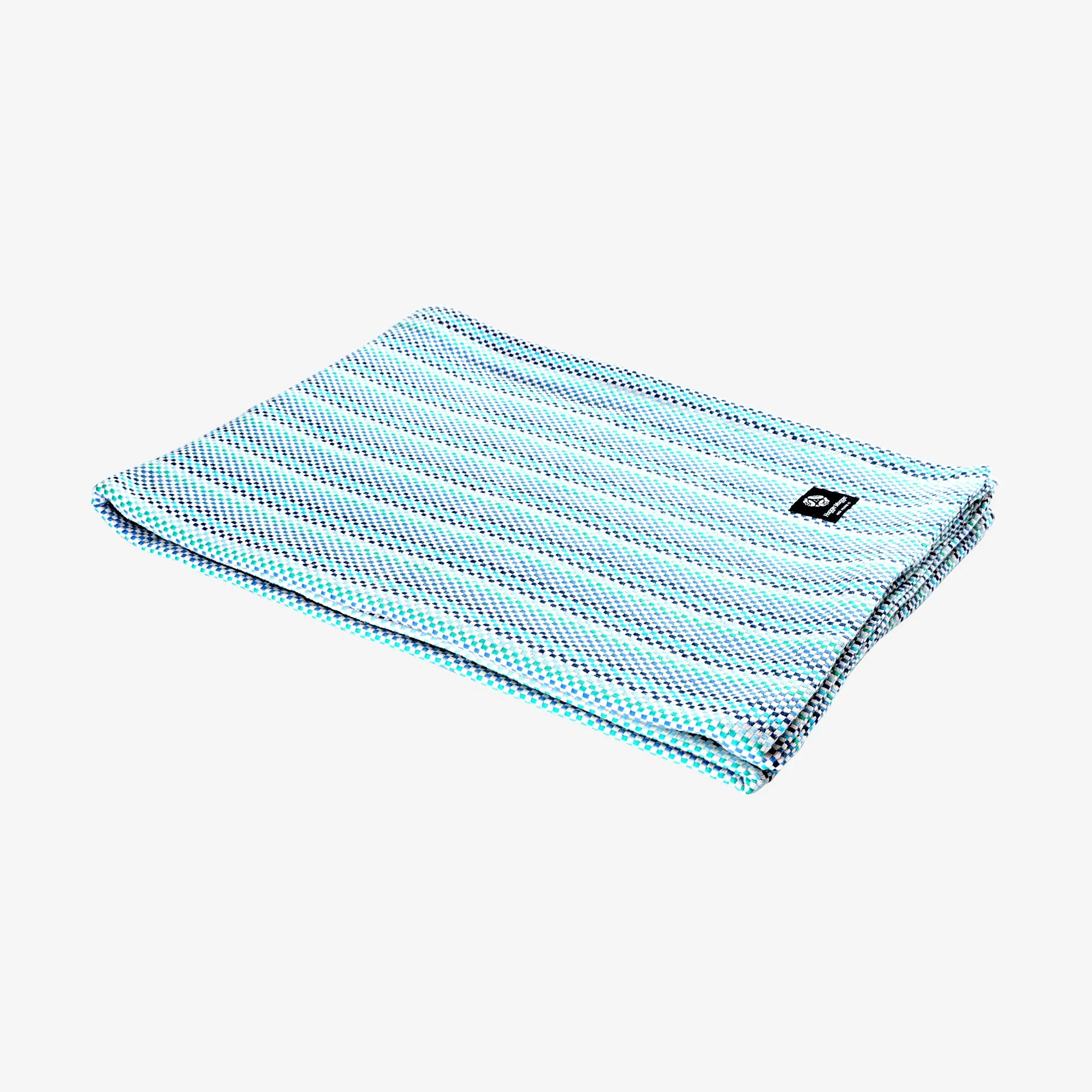
- Cotton Yoga Blanket: A staple in studios and home practices, this soft, sturdy cotton blanket can be folded, rolled, or stacked under hips for seated alignment, used as gentle lift in shoulderstand variations, or wrapped around you during Savasana and restorative practices. Pairs well with a strap for restorative setups where you need both length and support under the hips or shoulders.
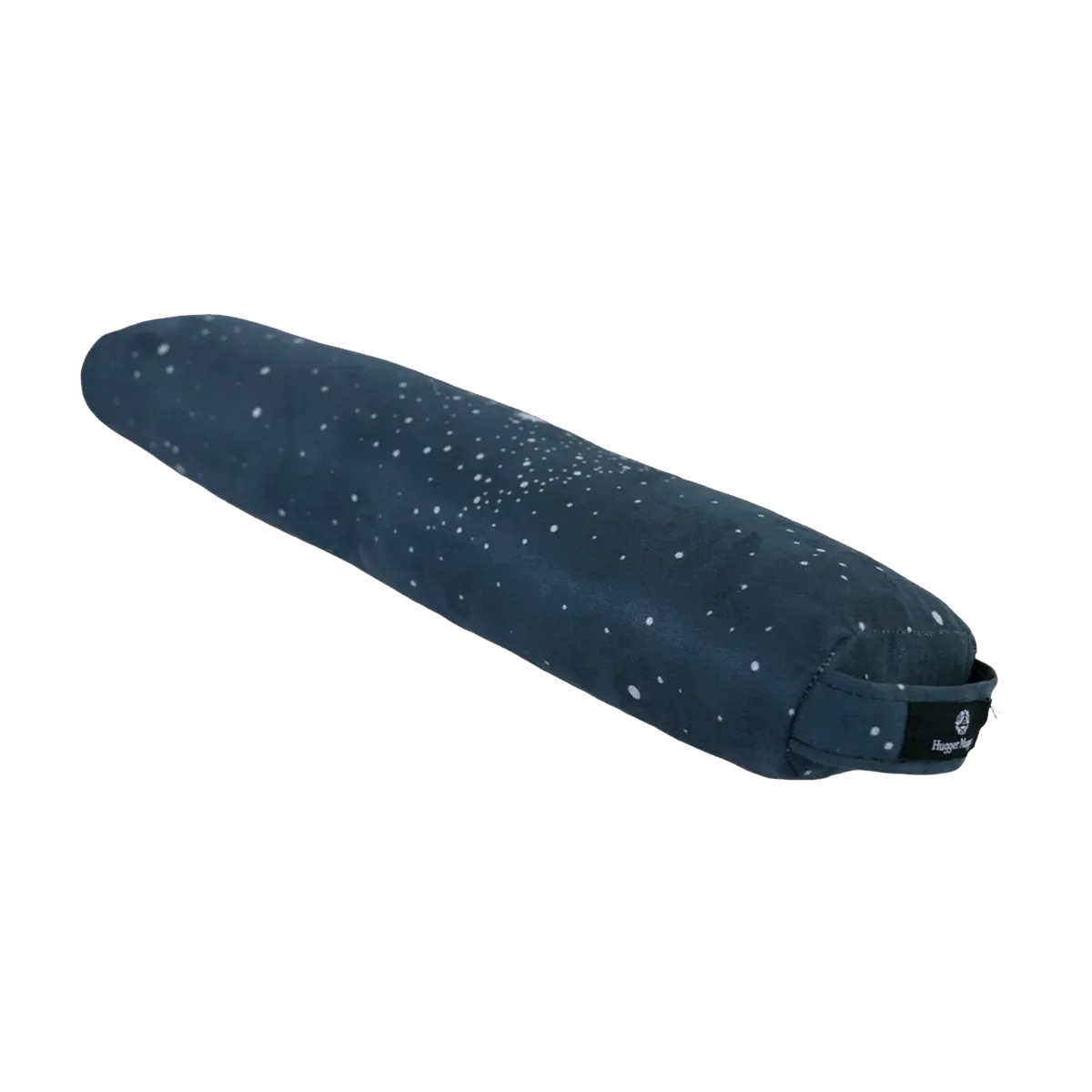
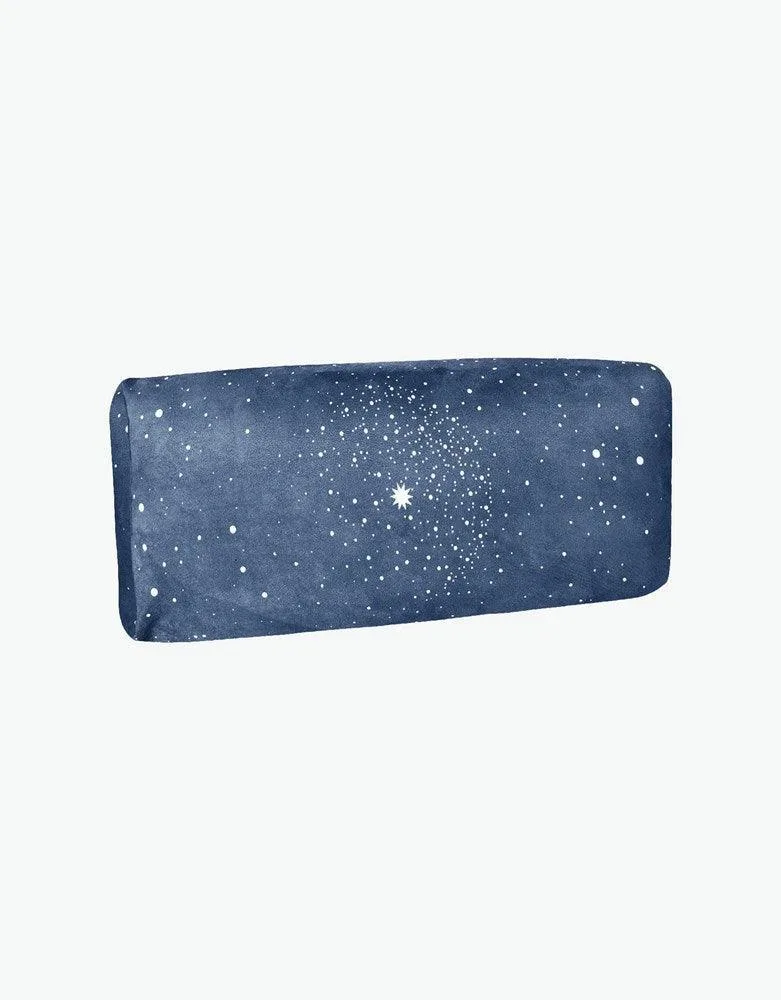
- https://huggermuggernxc.com/products/pranayama-yoga-bolster-microfiber-df053377c18e471b63fa84ae-1692244Pranayama Yoga Bolster - Microfiber: Designed for restorative sequences, meditation, and breathing-focused poses, this bolster provides gentle yet firm support to help open the chest, shoulders, and hips, with a plush microfiber cover over a resilient core. Useful alongside a strap when you want to hold a restorative shape longer without muscular effort.
Who should buy which yoga strap
Best for
- Beginners and anyone with tight hamstrings or shoulders who needs reach support
- Restorative and yin practitioners who hold poses for several minutes
- Tall practitioners who need extra length in forward folds and shoulder openers
Not for
- Flexible practitioners who only need a compact strap for binding poses in class
- Hot yoga practitioners who sweat heavily and want a strap that dries quickly
- Anyone looking for a resistance band or a strengthening tool rather than a positioning aid
A yoga strap is a small purchase that changes how poses feel. Decide your length first, then choose cotton for grip and comfort or nylon for lightness and quick drying. If you are unsure, an 8-foot cotton strap like the India 8 ft. Yoga Strap covers the widest range of poses and body types, and it will stay useful as your practice grows.