In 2026, screen-free audio players have become essential tools for parents seeking to reduce screen time while keeping kids entertained and educated. Two leading devices dominate the market: the Yoto Player and the Toniebox. Both offer a tactile, kid-friendly experience, but they differ significantly in features, content libraries, and overall value. This comprehensive comparison will help you decide which system best suits your family's needs.
We'll examine key factors such as ease of use, content variety, audio quality, durability, and cost. Whether you're a new parent exploring options or looking to upgrade your child's audio setup, this guide provides the insights you need to make an informed choice.
Design and Durability: Built for Little Hands
The Yoto Player is a compact, rectangular device with a bright pixel display that shows playful animations and clock faces. Its sturdy build includes a grille that protects the speaker, and the entire unit is designed to withstand drops and bumps. The Toniebox, on the other hand, is a soft, cube-shaped player covered in fabric, with a simple squeeze-and-tilt interface. Its plush exterior makes it safe for toddlers, but the fabric can be harder to clean over time.
Both devices are designed for children aged 3 and up, but the Yoto Player's hard plastic construction may appeal to parents looking for a more durable, long-term investment. The Toniebox's softness is great for younger kids, but it may not hold up as well to rough play. Overall, the Yoto Player edges ahead for longevity, while the Toniebox offers a cozier initial experience.
- Yoto Player: hard plastic, pixel display, replaceable grille covers
- Toniebox: soft fabric, no screen, squeeze controls
Content Library: Cards vs. Tonies
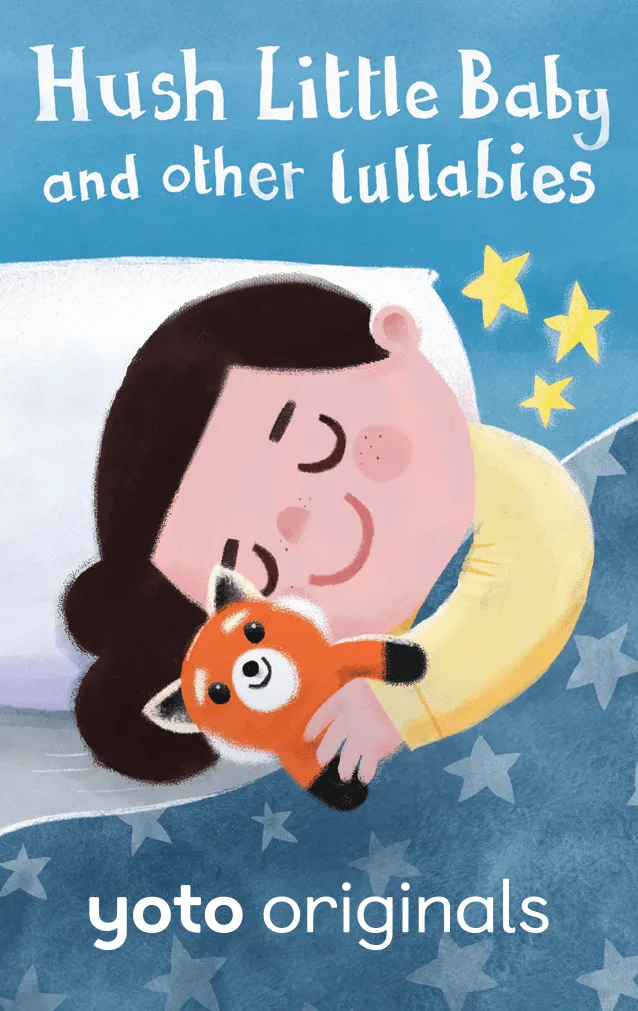
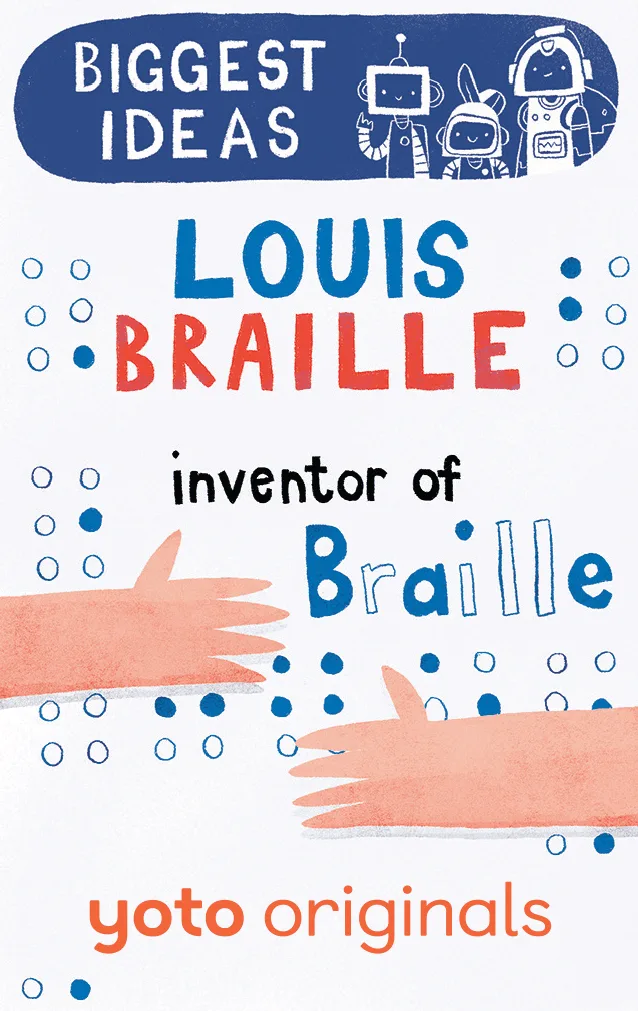
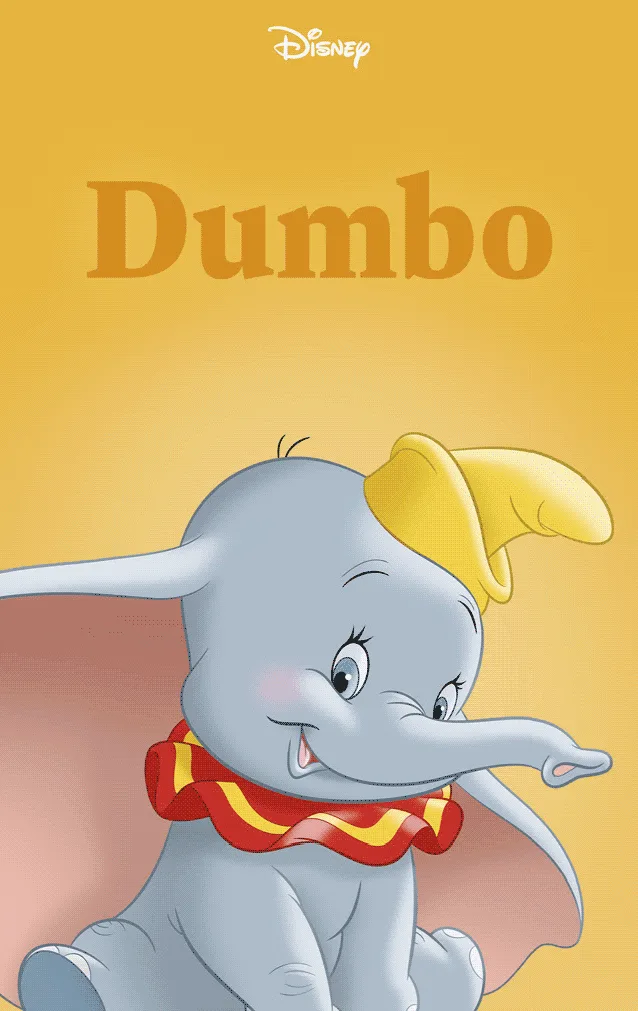
Content is where these two systems diverge most. The Yoto Player uses credit-card-sized audio cards that kids insert into the top slot. The library includes thousands of titles, from beloved stories like Dumbo and Fairy Folk to music albums like Sing with Raffi and Hush Little Baby and Other Lullabies. Yoto also offers digital-only content, such as https://yotoplaynxz.com/products/biggest-ideas-louis-braille-inventor-of-braille-digital-186747Biggest Ideas: Louis Braille Inventor of Braille (Digital), which can be played without a physical card. This hybrid approach gives parents flexibility and a vast selection.
The Toniebox uses small, hand-painted figurines called Tonies, each representing a specific story or song set. While the figurines are charming and collectible, they are more expensive per title and the library is smaller. Additionally, Toniebox content is tied to physical figurines, so you cannot access digital-only titles. For families who want a growing library of diverse content—including educational, musical, and bilingual options—the Yoto Player offers superior variety and value.
- Yoto: physical cards + digital titles, huge library, frequent new releases
- Toniebox: physical figurines only, smaller library, higher per-title cost
Audio Quality and Features
Both devices deliver clear, kid-friendly audio, but the Yoto Player has a slight edge in sound quality, with a 3.5mm headphone jack and Bluetooth connectivity for wireless headphones. It also includes a built-in sleep timer, nightlight, and a podcast feature. The Toniebox offers a simple, intuitive interface but lacks a headphone jack, which can be a downside for car trips or quiet time. The Yoto Player's additional features make it more versatile for growing children.
For parents who value customization, the Yoto Player allows you to create your own playlists via the Yoto app—perfect for recording your own stories or compiling favorite songs. The Toniebox has a limited 'Creative Tonie' that lets you upload audio, but it's less flexible. Overall, the Yoto Player provides more advanced features that adapt as your child ages.
- Yoto: headphone jack, Bluetooth, sleep timer, nightlight, customizable playlists
- Toniebox: no headphone jack, no Bluetooth, simple controls
Price and Value: Which Gives You More?
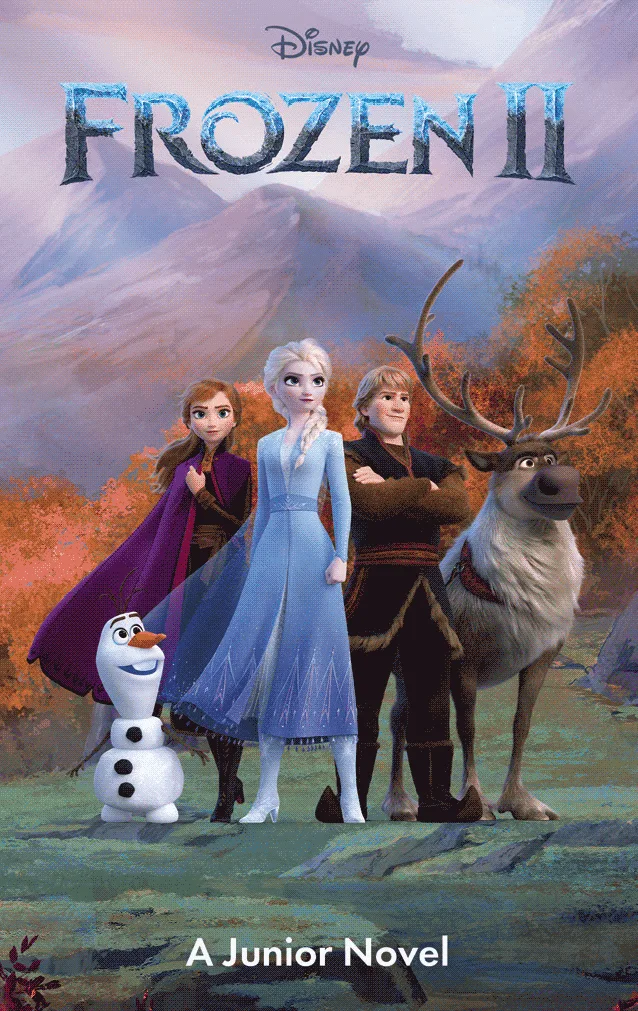
The Yoto Player is priced slightly higher than the Toniebox, but the total cost of ownership depends on content. Yoto cards are generally cheaper than Tonies, and the ability to use digital-only content reduces ongoing expenses. For example, a set of Yoto cards like Frozen 2: The Songs or Everybody Sing costs less than a comparable Tonie figurine. Over time, the Yoto ecosystem can save you money while offering more titles.
Additionally, Yoto frequently releases new cards and digital content, ensuring the library stays fresh. The Toniebox's figurines are adorable but can become costly if your child wants many stories. For families on a budget or those who want the best long-term value, the Yoto Player is the more economical choice.
- Yoto Player: higher upfront, lower per-title cost, digital options
- Toniebox: lower upfront, higher per-title cost, no digital library
Both the Yoto Player and Toniebox offer wonderful screen-free audio experiences, but the Yoto Player stands out for its larger content library, better audio features, and greater long-term value. Whether you choose classic cards like Dumbo or educational titles like Fairy Folk, Yoto provides a flexible, durable system that grows with your child. Explore the Yoto Player and its vast card collection to give your child the gift of imaginative, screen-free play.