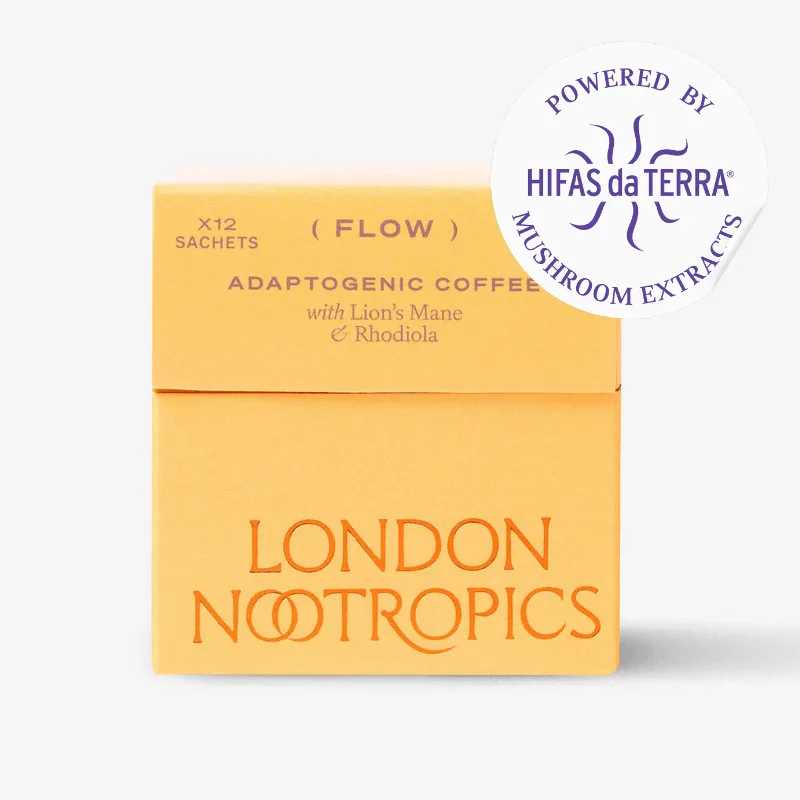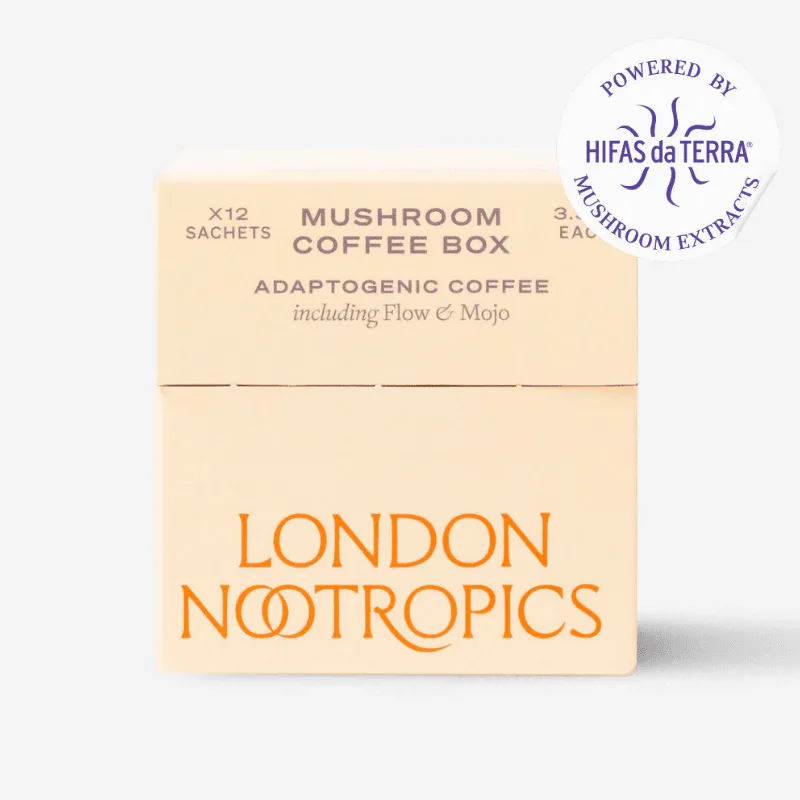
For millions of people, the morning cup of coffee is a sacred ritual. It signals the start of the day, provides a comforting warmth, and delivers that familiar caffeine jolt. But as the world of functional beverages expands, a new contender has emerged: mushroom coffee. Among the most popular options is https://coffeehiveai.shop/products/zen-coffee-138592Zen Coffee, a nootropic blend that promises calm focus instead of jittery energy. How does it really compare to your regular cup of joe? In this side-by-side review, we’ll break down the differences in taste, energy effects, focus benefits, and overall value so you can decide which brew deserves a spot in your morning routine.
Whether you’re a lifelong coffee drinker curious about adaptogens or someone who has already tried products like the https://coffeehiveai.shop/products/mojo-coffee-refill-138607https://coffeehiveai.shop/products/mojo-coffee-138593Mojo Coffee Refill and wants to explore a more mellow alternative, this comparison will give you the facts you need. Let’s dive into the ultimate showdown: Zen Coffee vs regular coffee.
Taste and Aroma: Earthy Zen vs Classic Roast
When it comes to flavor, regular coffee is a familiar friend. Depending on the roast and origin, you can expect notes ranging from chocolate and caramel to bright citrus or smoky undertones. The aroma alone can wake you up before the first sip. Zen Coffee, on the other hand, introduces a subtle earthiness thanks to the addition of lion’s mane and reishi mushrooms. Don’t worry—it doesn’t taste like a forest floor. The mushroom powders are carefully processed to blend seamlessly with the coffee, resulting in a smooth, slightly nutty flavor that many find pleasantly mellow. If you’re used to black coffee, the transition is easy. If you prefer lattes, the Zen Coffee Refill works beautifully with milk or oat milk, softening the earthiness further.
In a blind taste test, most people can tell the difference, but not everyone prefers one over the other. Regular coffee is bolder and more acidic, while Zen Coffee is gentler on the palate and stomach. For those who find traditional coffee too harsh or bitter, Zen Coffee offers a welcome alternative without sacrificing the comforting coffee experience.
- Tip: Start with a half-and-half blend of Zen Coffee and your regular brew to ease into the flavor profile.
Energy and Focus: Smooth Flow vs Caffeine Spike
The most significant difference lies in how each coffee affects your energy and mental clarity. Regular coffee delivers a rapid spike in caffeine, often followed by a crash a few hours later. This can lead to jitters, anxiety, and an afternoon slump that leaves you reaching for a second cup. Zen Coffee, by contrast, contains a lower dose of caffeine (about half of a standard cup) combined with adaptogenic mushrooms like lion’s mane and reishi. Lion’s mane is known for supporting cognitive function and focus, while reishi promotes relaxation without drowsiness. The result is a steady, calm alertness that lasts for hours without the rollercoaster effect.
For people who need sustained focus for deep work, studying, or creative projects, Zen Coffee often outperforms regular coffee. Users report feeling ‘in the zone’ rather than wired. This makes it an excellent choice for afternoon productivity when you want to avoid disrupting your sleep cycle. If you’re someone who loves the ritual of coffee but hates the crash, switching to Zen Coffee can be a game-changer. You can even pair it with the Find Your Flow Zip Hoodie for the ultimate cozy, focused work session.
- Key difference: Regular coffee gives a short, intense burst; Zen Coffee provides a smooth, extended flow.
Health Benefits and Side Effects
Regular coffee has its own health perks—it’s rich in antioxidants and linked to reduced risk of certain diseases. However, it can also cause digestive discomfort, acid reflux, and anxiety in sensitive individuals. Zen Coffee takes the benefits of regular coffee and adds a layer of functional wellness. The adaptogens in Zen Coffee are believed to support the immune system, reduce stress, and improve gut health. Reishi mushrooms, in particular, are known for their calming properties, making Zen Coffee a great option for those who experience anxiety from caffeine. Additionally, the lower acidity in mushroom coffee is gentler on the stomach, so you can enjoy your morning brew without the burn.
That said, there are trade-offs. If you rely on a high caffeine dose to wake up, Zen Coffee might feel too mild at first. It’s also slightly more expensive than standard coffee due to the premium mushroom ingredients. But for many, the added health benefits and smoother energy are worth the investment. Consider trying the 24 Sachets to test the waters before committing to a larger purchase.
- Regular coffee: high caffeine, high acidity, potential jitters.
- Zen Coffee: moderate caffeine, low acidity, adaptogenic support.
- Best for: Zen Coffee suits stress-prone or health-conscious drinkers.
Price and Value Comparison
Let’s talk numbers. A typical bag of regular coffee costs between $10 and $20 per pound, depending on the brand and quality. Zen Coffee is priced higher—usually around $30 for a similar quantity—because of the added functional mushrooms. However, because Zen Coffee has less caffeine, you might find yourself drinking fewer cups per day, which can offset the cost. Many users report that one cup of Zen Coffee satisfies their needs for hours, whereas with regular coffee they might have two or three cups. Over a month, the total cost can be comparable or even lower with Zen Coffee.
For those who want to explore the range, London Nootropics offers several formats. The Zen Coffee Refill is an economical way to stock up, while the Build Your Box allows you to customize your nootropic coffee experience. If you’re a regular coffee drinker looking to transition, starting with a smaller pack like the 12 Sachet Refill is a smart, low-risk move. The value isn’t just in the price—it’s in the improved focus, reduced stress, and better sleep that many users experience.
- Cost per cup: Regular coffee ~$0.20–$0.40; Zen Coffee ~$0.60–$1.00.
- Value add: Fewer cups needed, health benefits, no crash.
Choosing between Zen Coffee and regular coffee ultimately comes down to your personal goals. If you crave a quick, strong caffeine hit and don’t mind the potential jitters or crash, regular coffee is a reliable classic. But if you want a smoother, more focused energy that supports your overall well-being, Zen Coffee is a clear winner. It’s a simple swap that can transform your daily ritual into a moment of calm productivity. Ready to experience the difference? Explore the Zen Coffee Refill and start your journey to a more balanced brew today.