Quick Answer
If you want to cut electricity bills and use solar energy daily, choose a Zendure SolarFlow balcony power plant. If you need portable, on-demand backup power for outages or off-grid activities, a Zendure Power Station is more versatile. Assess your primary need: continuous solar savings or flexible portable power.
SolarFlow
When planning home backup power, Zendure offers two distinct approaches: the SolarFlow series, which turns balconies into mini solar power plants, and the Power Station line, which provides portable, battery-based electricity. Both can keep devices running during outages, but they serve different lifestyles and energy goals.
This comparison breaks down the practical differences between Zendure SolarFlow and Power Station options, so you can choose the right solution for your home.
How SolarFlow and Power Stations Differ
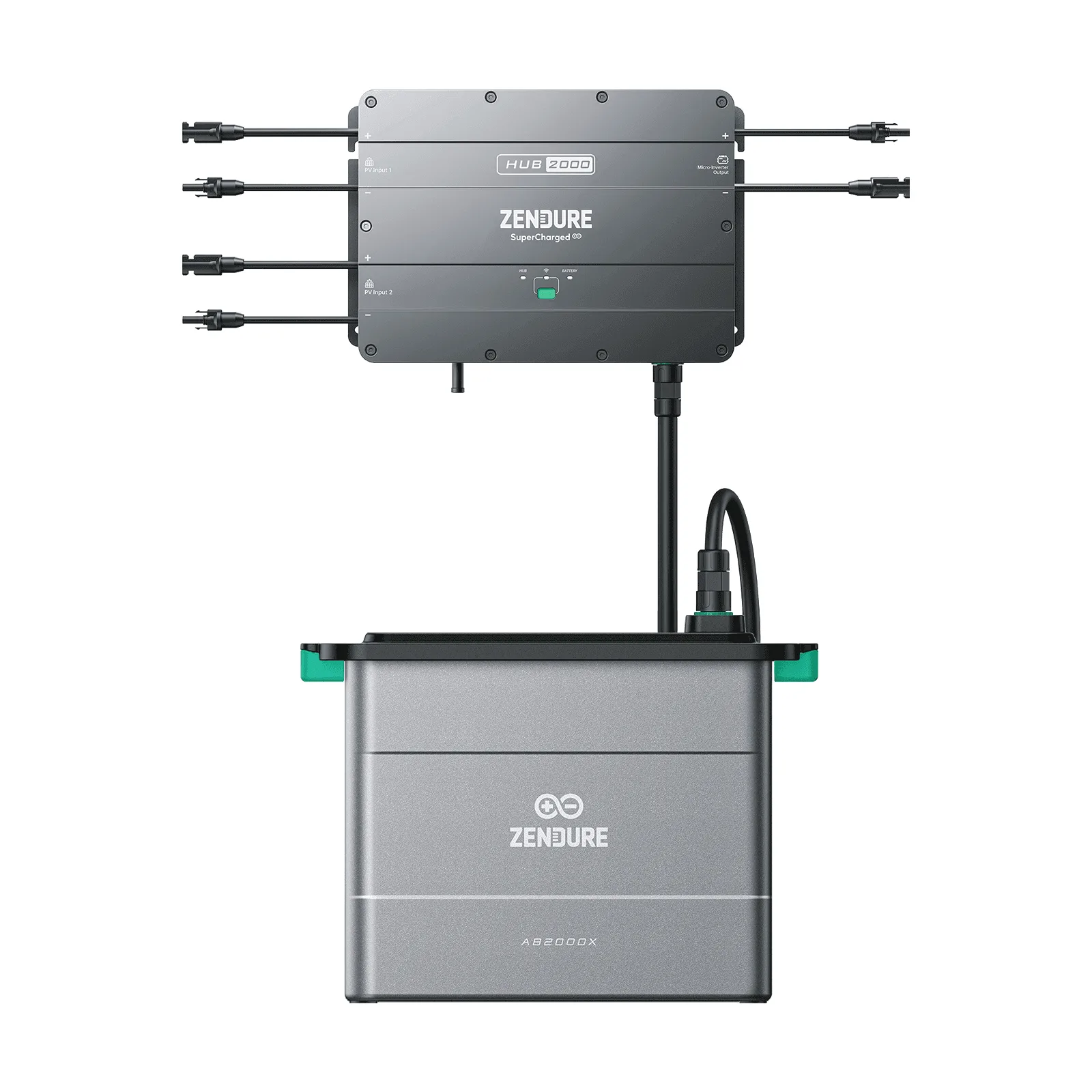
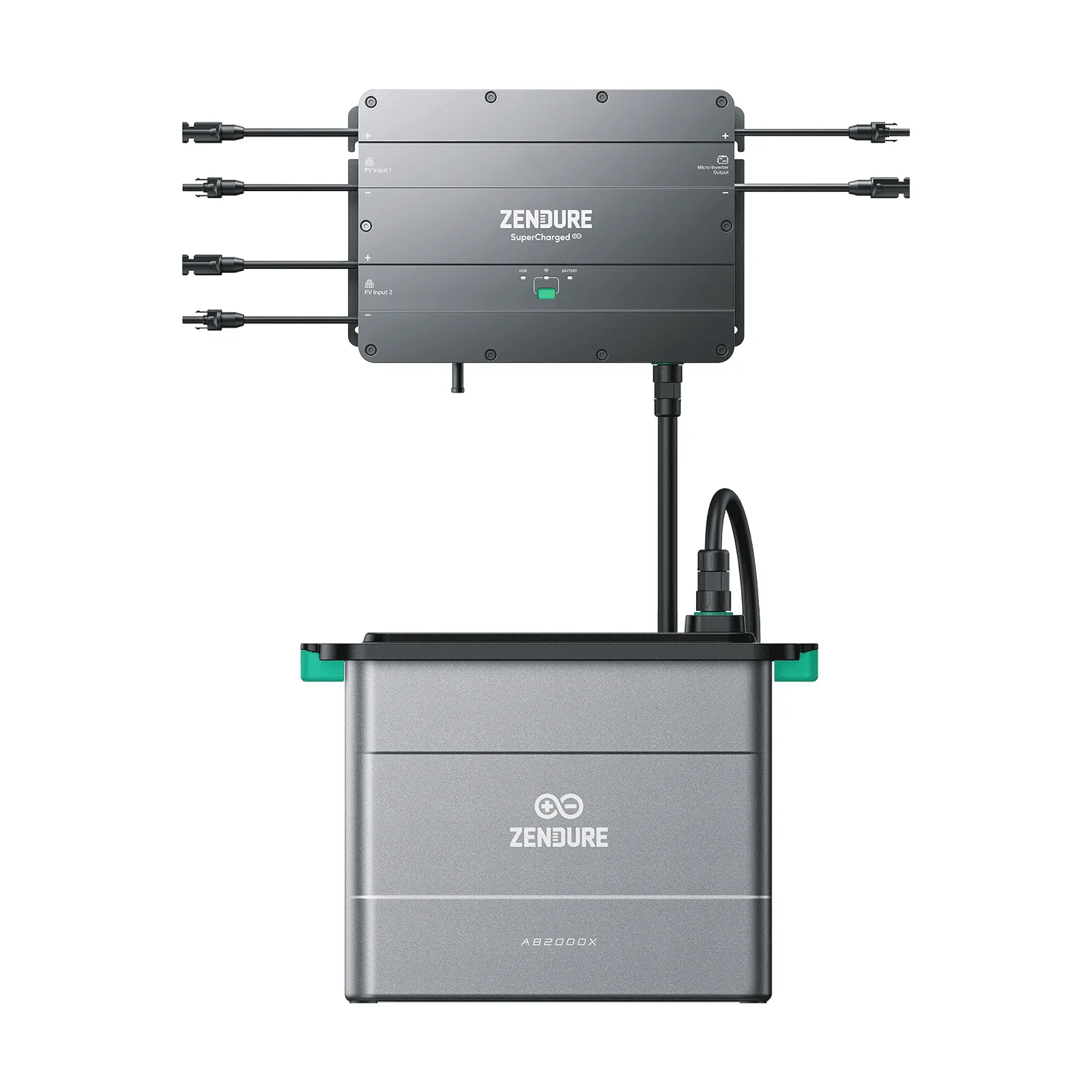
Zendure SolarFlow systems, like the SolarFlow Hub 2000, are designed as plug-in solar energy storage systems. They connect to solar panels and batteries to power home appliances during the day and use stored energy at night. The Hub 2000 can handle up to 1,800 W of solar power and its microinverter output is adjustable between 0 and 1,200 W, making it a continuous, grid-tied solution that reduces reliance on the utility.
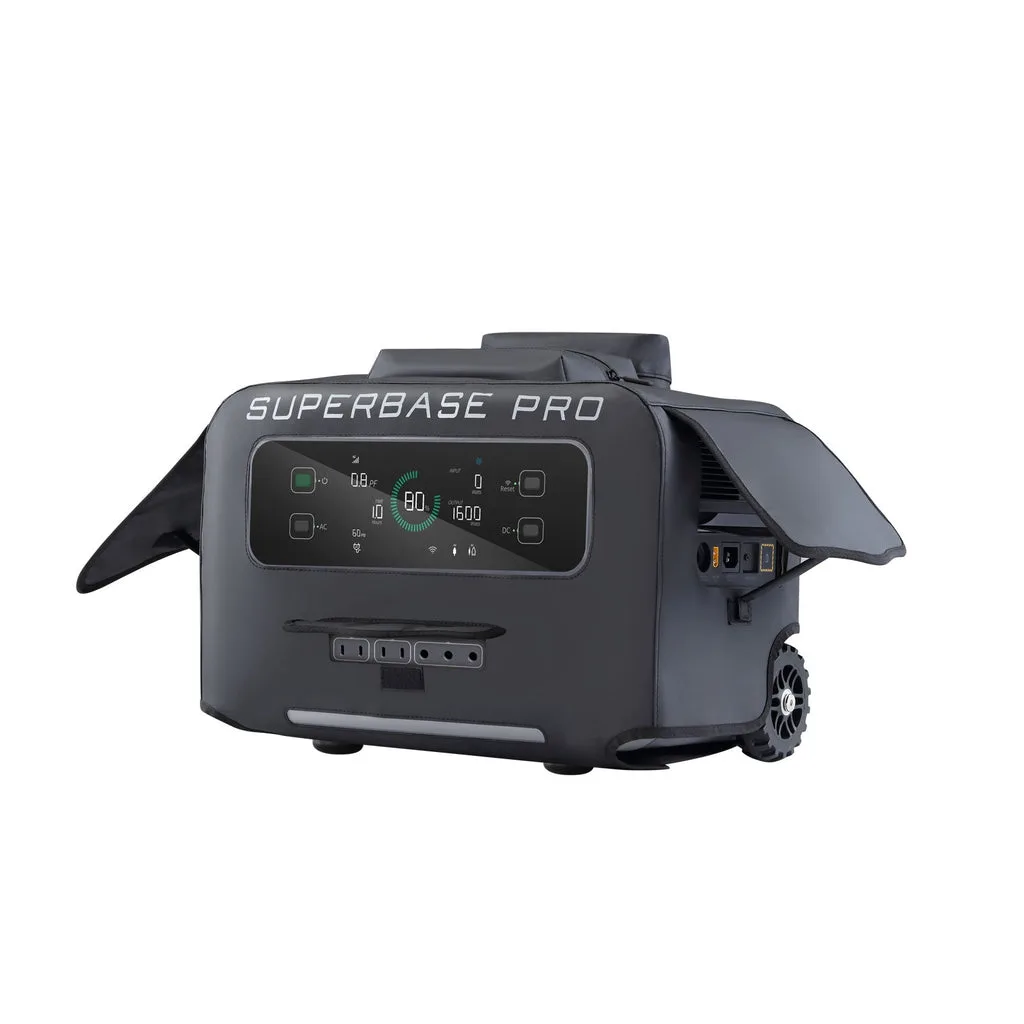
In contrast, Zendure PowerHub is a versatile power station that stores electricity in a battery and delivers it on demand. It is compact and portable, suitable for home, job sites, or outings. You charge it from a wall outlet or solar panels, but it is not designed to feed power back into your home's electrical system permanently.
- SolarFlow: continuous solar generation and consumption, potentially lowering your electricity bill.
- Power Station: portable energy storage for emergency backup and remote use, charged from various sources.
Energy Independence vs. Portability
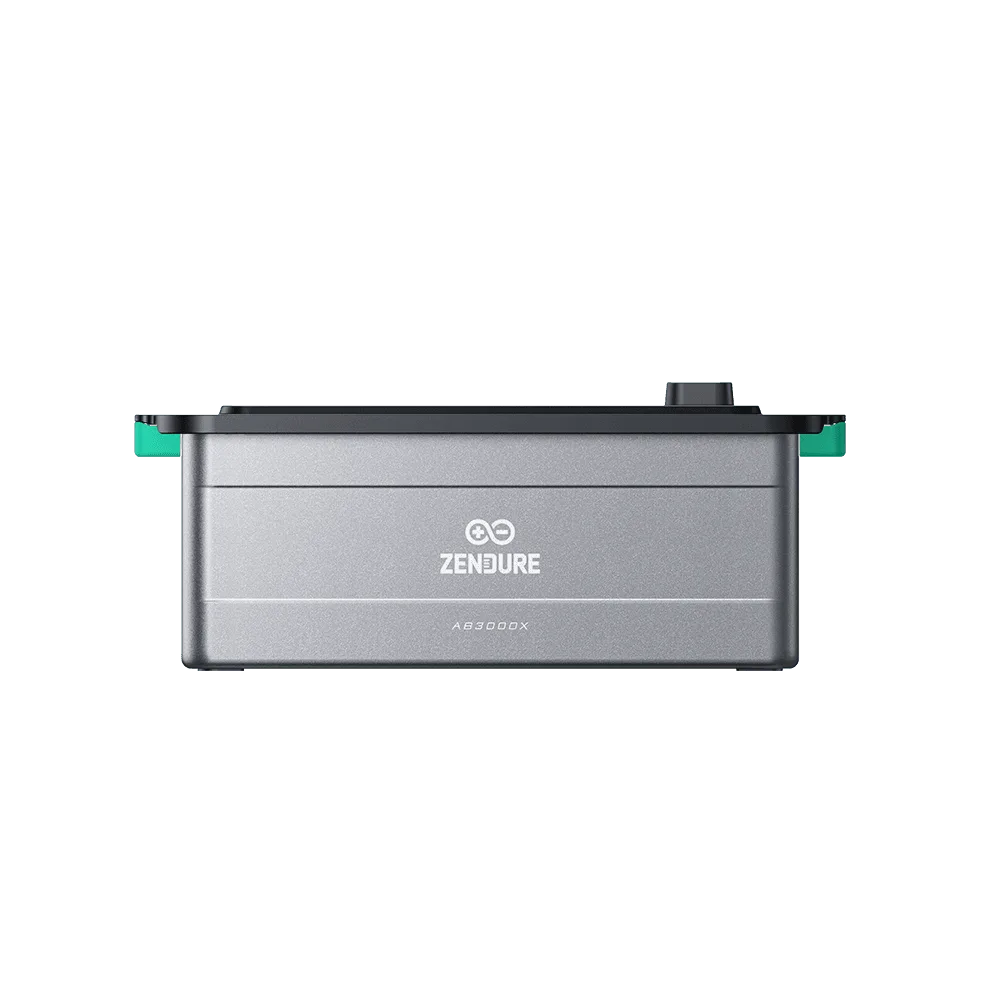
SolarFlow systems are the better choice if your goal is long-term energy independence. By pairing the SolarFlow Hub 2000 with expansion batteries like the AB2000L, you can store excess solar energy for nighttime use. The AB2000L works with multiple hosts, including the Hub 2000, and the system automatically manages charging and discharging based on your app settings.
Power stations like the PowerHub offer flexibility that a fixed balcony system cannot. They are ideal for renters, campers, or anyone who needs power in multiple locations. You can charge them from solar panels when available, but they don't provide the same round-the-clock solar savings as a dedicated balcony power plant.
- If you want to reduce monthly electricity costs, SolarFlow's continuous solar generation is more effective.
- If you need backup power that moves with you, a power station is more practical.
Installation and Setup Considerations
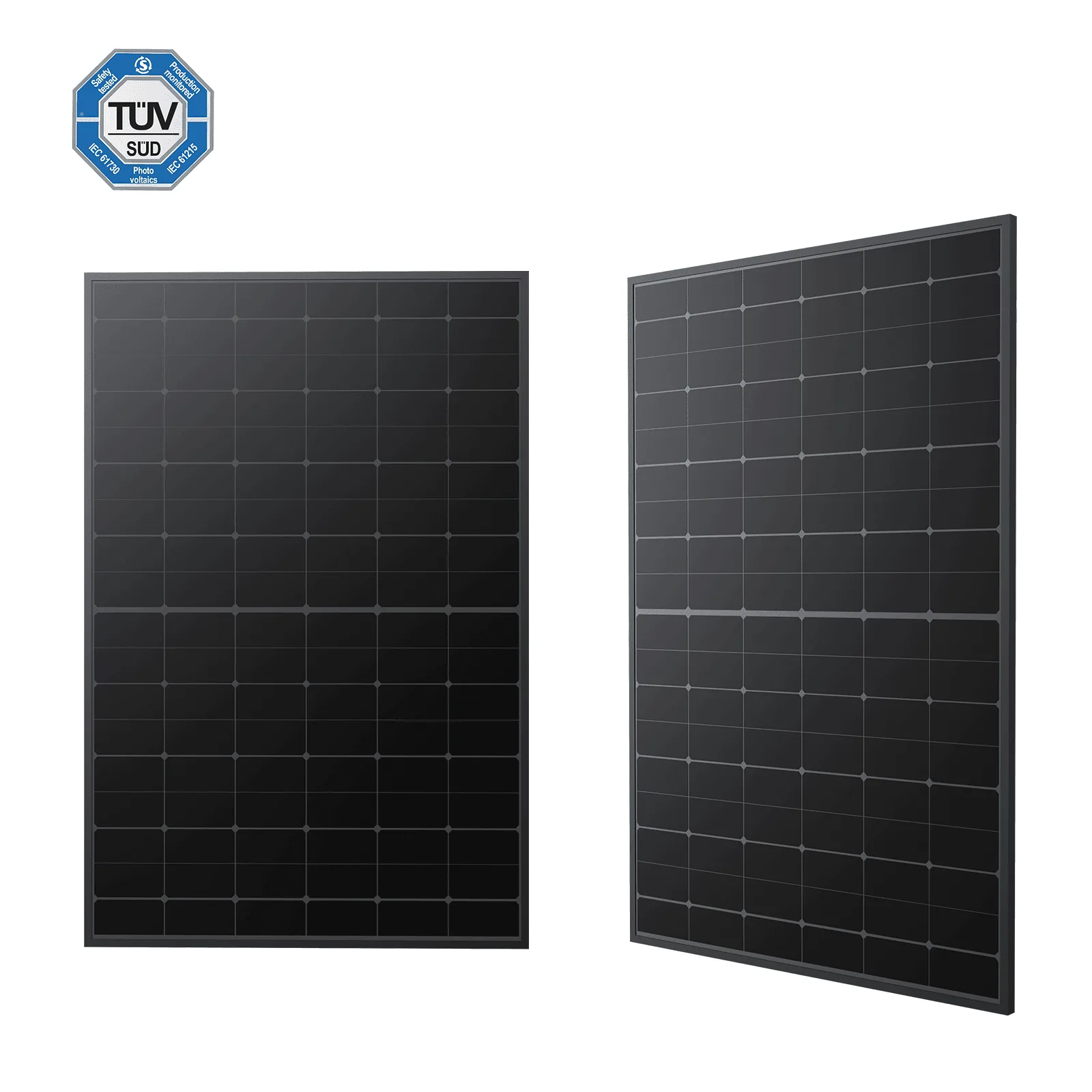
SolarFlow requires a balcony or outdoor space for solar panels and a stable mounting solution. Zendure offers support brackets and balcony brackets designed for easy installation. For example, the Balcony Easy Solar Bracket is pre-assembled and can be unfolded and secured to a balcony rail, while ground brackets allow tilt adjustment from 20° to 35° to optimize sunlight capture.
Power stations are simpler to set up: just charge them and plug in your devices. No permanent installation is needed. However, you need to plan how you will recharge them during extended outages, which may require portable solar panels—an additional investment.
- SolarFlow setup involves mounting panels and connecting batteries, but Zendure provides brackets to simplify the process.
- Power stations are plug-and-play, but you must manage their charging source.
Cost and Value Over Time
SolarFlow systems typically have a higher upfront cost because they include solar panels, a hub, and batteries. Over time, they can offset electricity bills, making them a long-term investment. For instance, the SolarFlow Hub 2000 is priced at USD 19,950, and adding an AB2000L battery (USD 29,950) increases storage capacity. While these costs are significant, the potential savings on utility bills can make them worthwhile for homeowners.
Power stations like the Zendure PowerHub (USD 35,950) offer immediate backup power but do not generate electricity. Their value lies in convenience and portability. If you rarely face outages and don't want to deal with solar panels, a power station might be more cost-effective upfront.
- SolarFlow: higher initial cost but potential long-term savings on energy bills.
- Power Station: lower entry cost for backup power, but no ongoing energy savings.
Trade-Offs to Consider
- Daily savings vs. emergency readiness: SolarFlow saves money every sunny day; a power station only helps when you need it. If you want ongoing benefits, choose SolarFlow.
- Installation effort vs. plug-and-play: SolarFlow requires mounting panels and configuring a hub; a power station works out of the box. If you rent or move often, a power station is simpler.
- Expandability vs. portability: SolarFlow can be expanded with more batteries (e.g., AB2000L) but is fixed to your balcony; a power station is portable but has a set capacity. If you plan to grow your system, SolarFlow offers more flexibility.
Product Facts
- SolarFlow Hub 2000: Handles up to 1,800 W of solar power, and the microinverter output can be set between 0 and 1,200 W. This gives you control over how much power goes to your home, helping you match solar generation to your consumption.
- Zendure SolarFlow Battery AB2000L: Can be paired with different hosts, such as SolarFlow Hub 2000, to form a plug-in solar energy storage system. The host automatically adjusts charging and discharging based on user settings in the Zendure app. This expandable battery lets you increase storage capacity as your energy needs grow, and the app simplifies management.
- Zendure PowerHub: A versatile power station designed to keep essential devices running, available in single-phase and three-phase configurations. The choice between single-phase and three-phase affects what appliances you can power, so consider your home's electrical setup.
Which Should You Choose?
Best for
- Homeowners who want to reduce electricity bills with solar energy.
- People with a suitable balcony or outdoor space for solar panels.
Not for
- Renters who cannot install permanent fixtures.
- Campers or those needing portable, on-the-go power.
Ultimately, the right Zendure solution depends on your priorities. If you seek long-term energy savings and have a space for solar panels, the SolarFlow series is a smart investment. If you need flexible, portable backup power for emergencies or travel, a Power Station like the PowerHub is the better fit. Evaluate your living situation, budget, and energy goals to make an informed choice.