The kitchen is often the heart of the home, but it's also where we generate the most waste—especially when it comes to cleaning. Paper towels, disposable wipes, and single-use sponges pile up quickly, contributing to overflowing landfills and unnecessary expenses. If you're looking to embrace a more sustainable lifestyle, switching to reusable cloths is one of the simplest and most effective changes you can make.
In this guide, we'll share practical zero waste kitchen cleaning tips using reusable cloths. From choosing the right materials to proper care and maintenance, you'll learn how to keep your kitchen sparkling clean while reducing your environmental footprint. Plus, we'll highlight some of our favorite eco-friendly products to help you get started.
Why Switch to Reusable Cloths?
The average household uses hundreds of rolls of paper towels each year, most of which end up in the trash after a single use. Not only does this contribute to deforestation and waste, but it also costs you money in the long run. Reusable cloths offer a durable, washable alternative that can be used again and again, making them a cornerstone of eco friendly kitchen hygiene.
Beyond the environmental benefits, reusable cloths are often more effective at cleaning. High-quality microfiber or cotton cloths can trap dirt and bacteria better than paper, and they're gentle on surfaces. Plus, with proper care, they can last for years, saving you money and reducing your household waste significantly.
- Reduce paper towel waste by up to 90%
- Save money by not constantly buying disposables
- More effective at trapping dirt and bacteria
- Available in various materials for different tasks
Choosing the Right Reusable Cloths
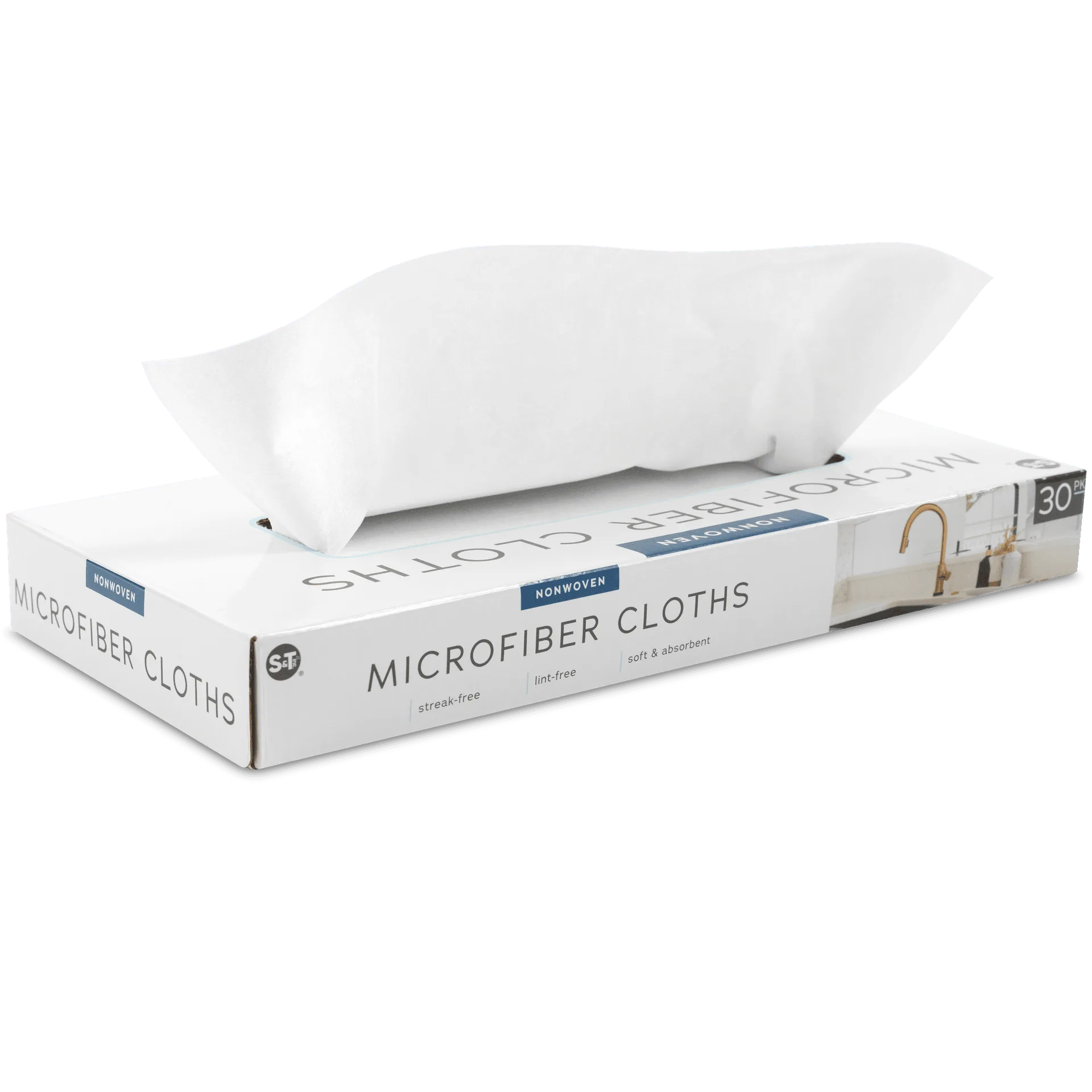
Not all reusable cloths are created equal. When selecting cloths for your kitchen, consider the material and intended use. Cotton cloths are absorbent and great for drying dishes, while microfiber cloths excel at picking up grease and polishing surfaces. Swedish dishcloths, made from cellulose and cotton, are a popular choice because they're highly absorbent, quick-drying, and compostable at the end of their life.
For a versatile option, look for a set that includes different types of cloths. For example, the Marley's Monsters Cotton Facial Rounds – Package Free are perfect for small spills and cleaning delicate surfaces, while a sturdy Swedish dishcloth can handle larger messes. Having a variety on hand ensures you're prepared for any cleaning task without reaching for a paper towel.

Package Free
- Cotton cloths: best for drying and absorbent tasks
- Microfiber cloths: ideal for polishing and grease removal
- Swedish dishcloths: versatile, quick-drying, and compostable
- Consider a mix for different kitchen needs
Practical Tips for Using Reusable Cloths
To get the most out of your reusable cloths, it's important to use them correctly. Designate specific cloths for different tasks—such as one for counters, one for dishes, and one for cleaning up raw meat spills—to prevent cross-contamination. Color-coding your cloths can make this easy and hygienic.
After each use, rinse the cloth thoroughly and hang it to dry. This prevents bacteria growth and odors. For deeper cleaning, wash your cloths regularly in hot water with eco-friendly detergent. You can also sanitize them by boiling or using a vinegar soak. With these habits, your cloths will stay fresh and effective for months.
- Use color-coded cloths for different tasks
- Rinse and hang to dry after each use
- Wash in hot water with eco-friendly detergent
- Sanitize weekly with vinegar or boiling water
Caring for Your Reusable Cloths
Proper care extends the life of your reusable cloths, maximizing your zero waste efforts. Most cotton and microfiber cloths can be machine washed, but avoid using fabric softeners as they can reduce absorbency. Swedish dishcloths are more delicate—they can be washed in the dishwasher or by hand, but should not be put in the dryer.
When your cloths start to show signs of wear, don't toss them immediately. Repurpose them for less glamorous tasks like cleaning the floor or wiping down outdoor furniture. Once they're truly past their prime, compost them if they're made from natural materials. This ensures that even the end of their life is sustainable.
- Machine wash cotton and microfiber cloths without fabric softener
- Hand wash or dishwasher-safe for Swedish dishcloths
- Repurpose worn cloths for dirty jobs
- Compost natural fiber cloths at end of life
Eco-Friendly Cleaning Products to Pair With Your Cloths
Reusable cloths work best when paired with eco-friendly cleaning solutions. Traditional cleaners often contain harsh chemicals that are harmful to both your health and the environment. Instead, opt for plant-based, biodegradable products that are safe for your family and the planet.
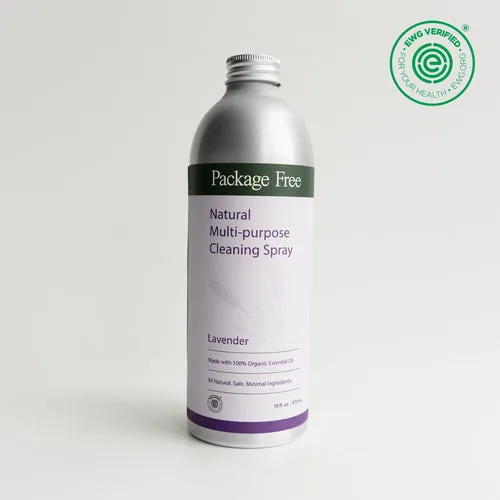
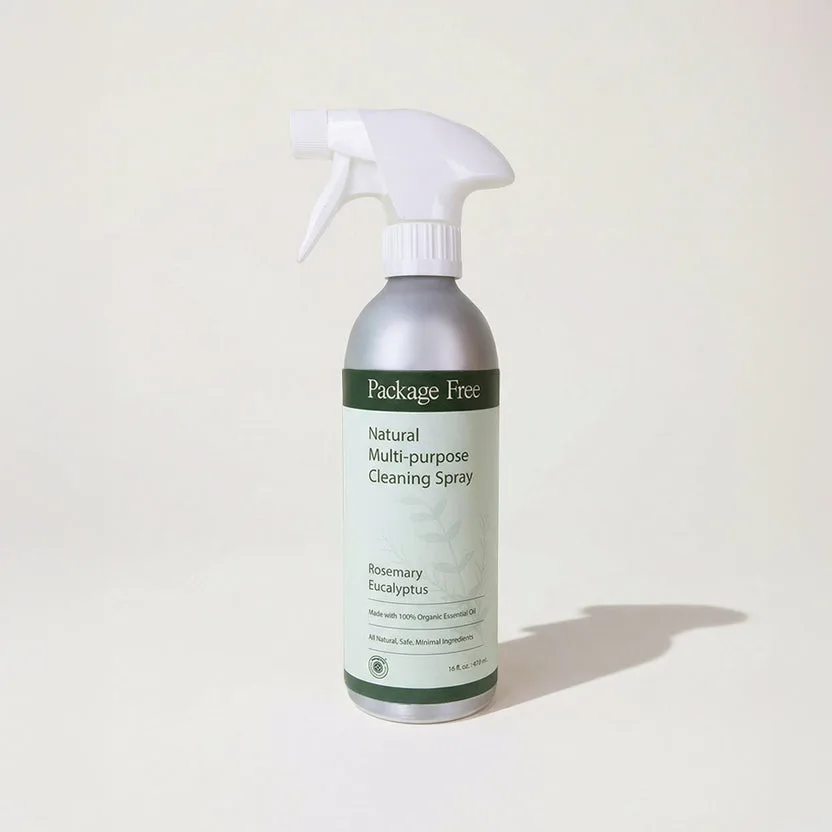
The Multi-Purpose Cleaning Spray (Single) – Package Free is a fantastic option for everyday counter and surface cleaning. It's non-toxic, effective, and comes in a reusable bottle. For a complete cleaning kit, consider the Multi-Purpose Cleaning Spray (4 Pack) – Package Free, which ensures you have a supply on hand for every room. These products complement your reusable cloths perfectly, creating a fully sustainable cleaning routine.
- Choose plant-based, biodegradable cleaners
- Use reusable spray bottles to reduce plastic waste
- Pair with microfiber cloths for streak-free shine
Switching to reusable cloths is a simple yet impactful step toward a zero waste kitchen. By choosing the right materials, using them mindfully, and pairing them with eco-friendly cleaners, you'll reduce waste, save money, and keep your kitchen spotless. Ready to make the change? Explore our range of sustainable cleaning products, including the Multi-Purpose Cleaning Spray (4 Pack) – Package Free, to elevate your eco-friendly routine.