Instant ramen is a beloved staple for millions, offering quick comfort and endless customization. But the convenience often comes with a hidden cost: single-use packaging, plastic wrappers, and disposable utensils that pile up in landfills. If you're a ramen enthusiast who also cares about the planet, it's time to rethink your kitchen habits. Building a zero-waste ramen kitchen isn't about sacrificing flavor or convenience—it's about making smart, sustainable swaps that reduce your environmental footprint without compromising your noodle experience.
From reusable measuring tools to eco-friendly storage solutions, small changes can have a big impact. In this guide, we'll explore practical ways to transform your ramen prep into a greener routine. Whether you're a seasoned zero-waste advocate or just starting your sustainability journey, these tips will help you enjoy every bowl with a clearer conscience.
Why Go Zero-Waste with Your Ramen Routine?
The average instant ramen packet generates about 10 grams of plastic waste—mostly from the wrapper, seasoning sachets, and noodle block packaging. Multiply that by billions of servings consumed annually, and the environmental toll is staggering. Beyond packaging, many home cooks rely on disposable chopsticks, paper towels, and single-use condiment packets, all of which add to the waste stream. By adopting a zero-waste approach, you can drastically cut down on what you throw away while often saving money in the long run.
A zero-waste ramen kitchen isn't about perfection—it's about progress. Start by identifying the biggest sources of waste in your current setup. Is it the plastic wrappers from bulk packs? The paper cups from instant cups? The lack of reusable tools? Once you know where your waste comes from, you can target those areas with sustainable alternatives. The goal is to create a system that works for your lifestyle while supporting a healthier planet.
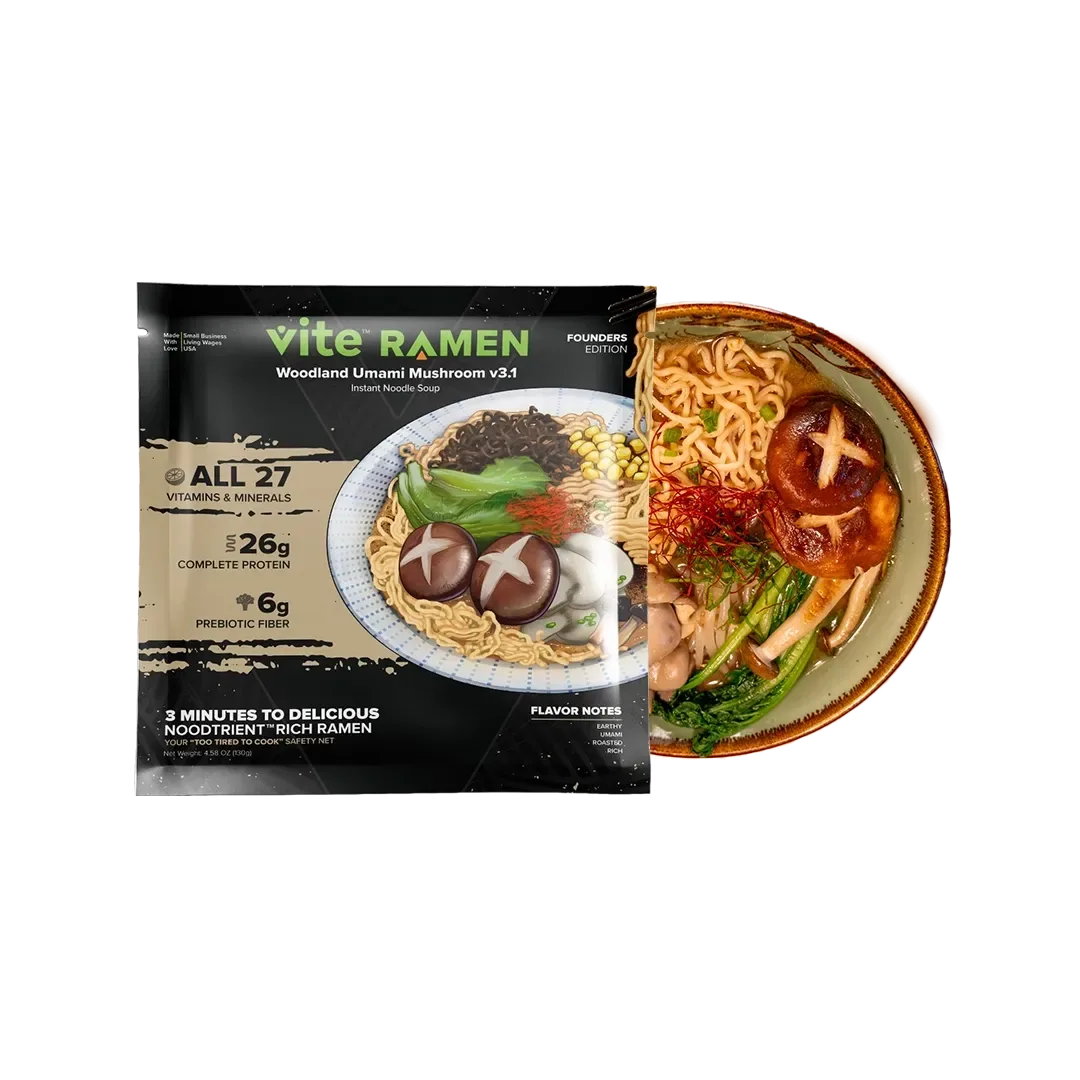
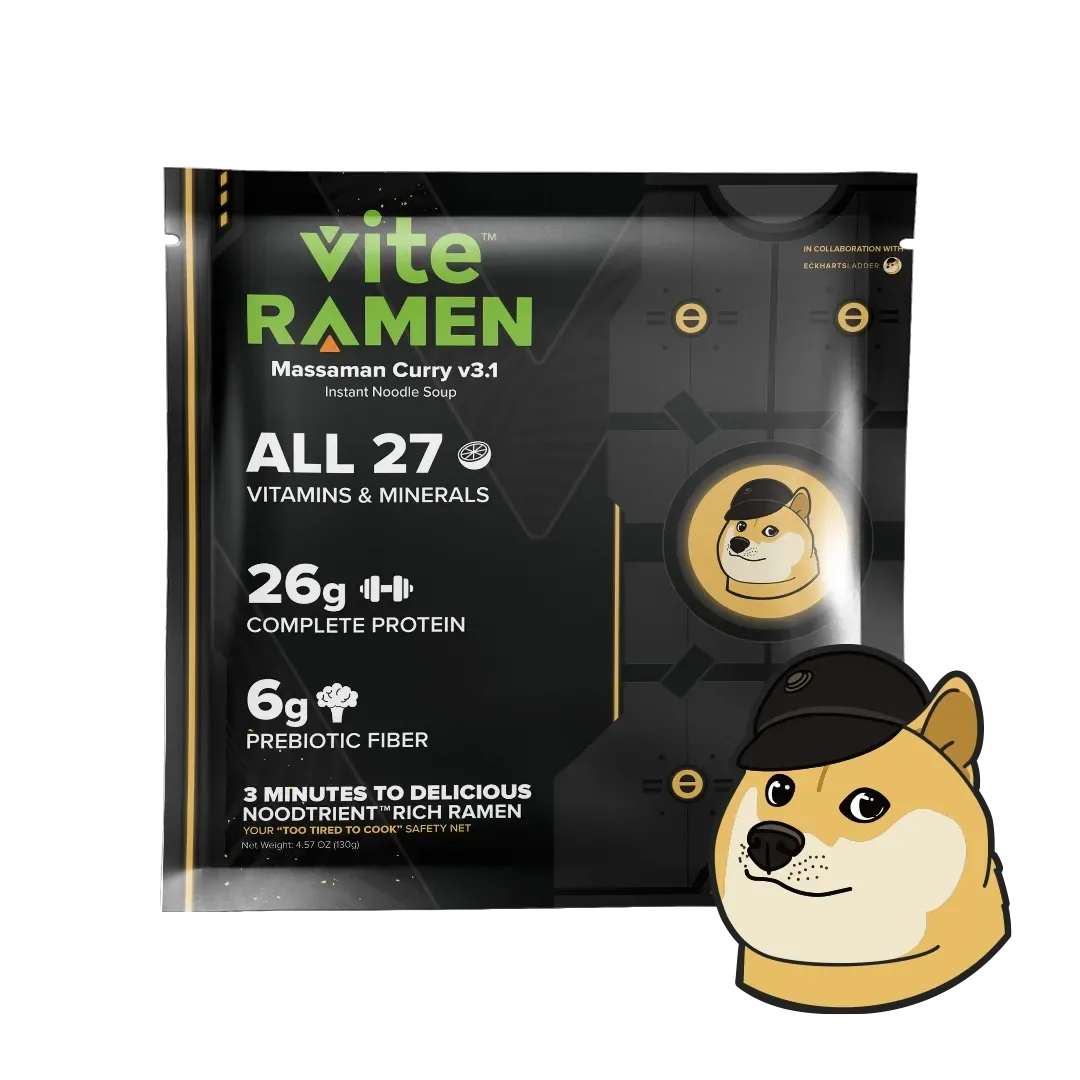
- Switch to bulk ramen packs that use less packaging per serving, like the 36 Pack - Vite Ramen Pro+ - Choose Your Flavor, which reduces individual wrapper waste.
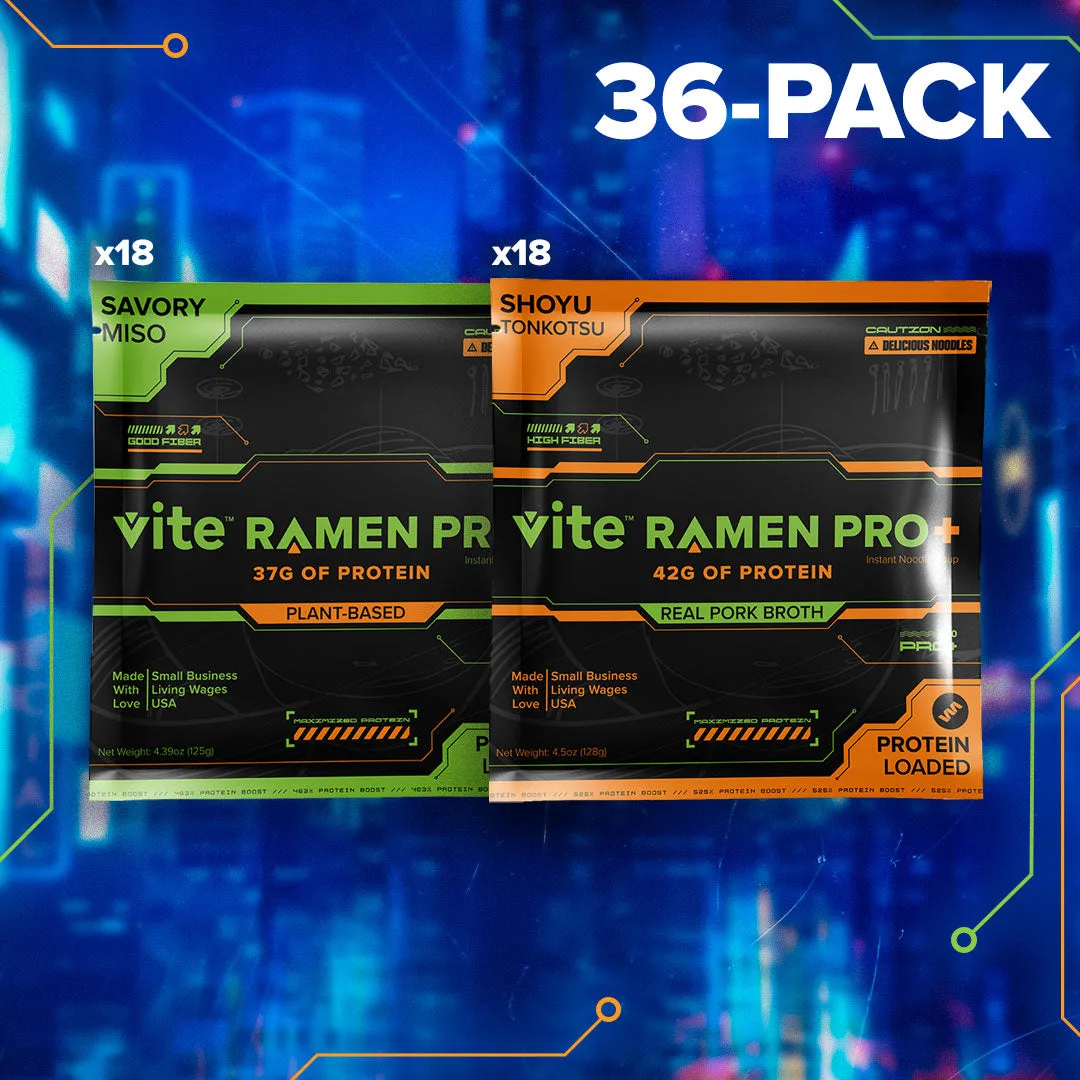
36 Pack - Vite Ramen Pro+ - Choose Your Flavor
- Invest in reusable kitchenware such as a Donhiki Measuring Beaker for precise broth measurements without plastic cups.
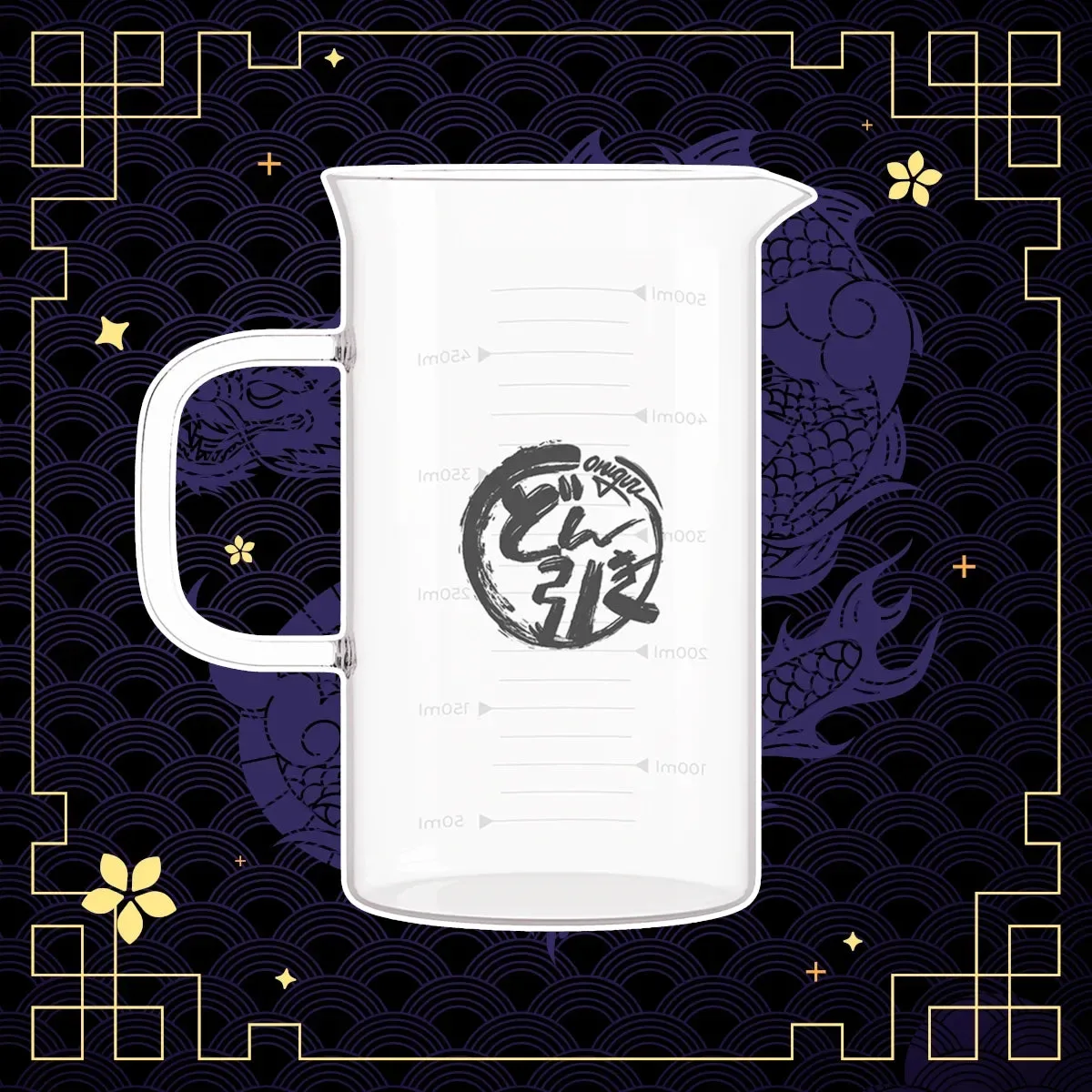
Donhiki Measuring Beaker
- Replace disposable chopsticks with durable, washable ones made from bamboo or stainless steel.
Essential Reusable Tools for a Zero-Waste Ramen Kitchen
Building a zero-waste ramen kitchen starts with the right tools. Instead of relying on single-use items, equip your kitchen with durable, reusable alternatives that can last for years. A quality set of kitchenware not only reduces waste but also enhances your cooking experience. For example, a wooden or silicone spoon can replace plastic stirrers, and a stainless steel strainer eliminates the need for disposable mesh bags when rinsing noodles.
One of the most versatile tools is a measuring beaker. Instead of using plastic measuring cups that crack over time, choose a borosilicate glass or BPA-free plastic beaker with clear markings. The Donhiki Measuring Beaker is an excellent choice for ramen lovers who want to portion broth, sauces, and seasonings accurately without creating waste. Its heat-resistant design makes it safe for hot liquids, and its easy-to-read measurements simplify recipe adjustments.
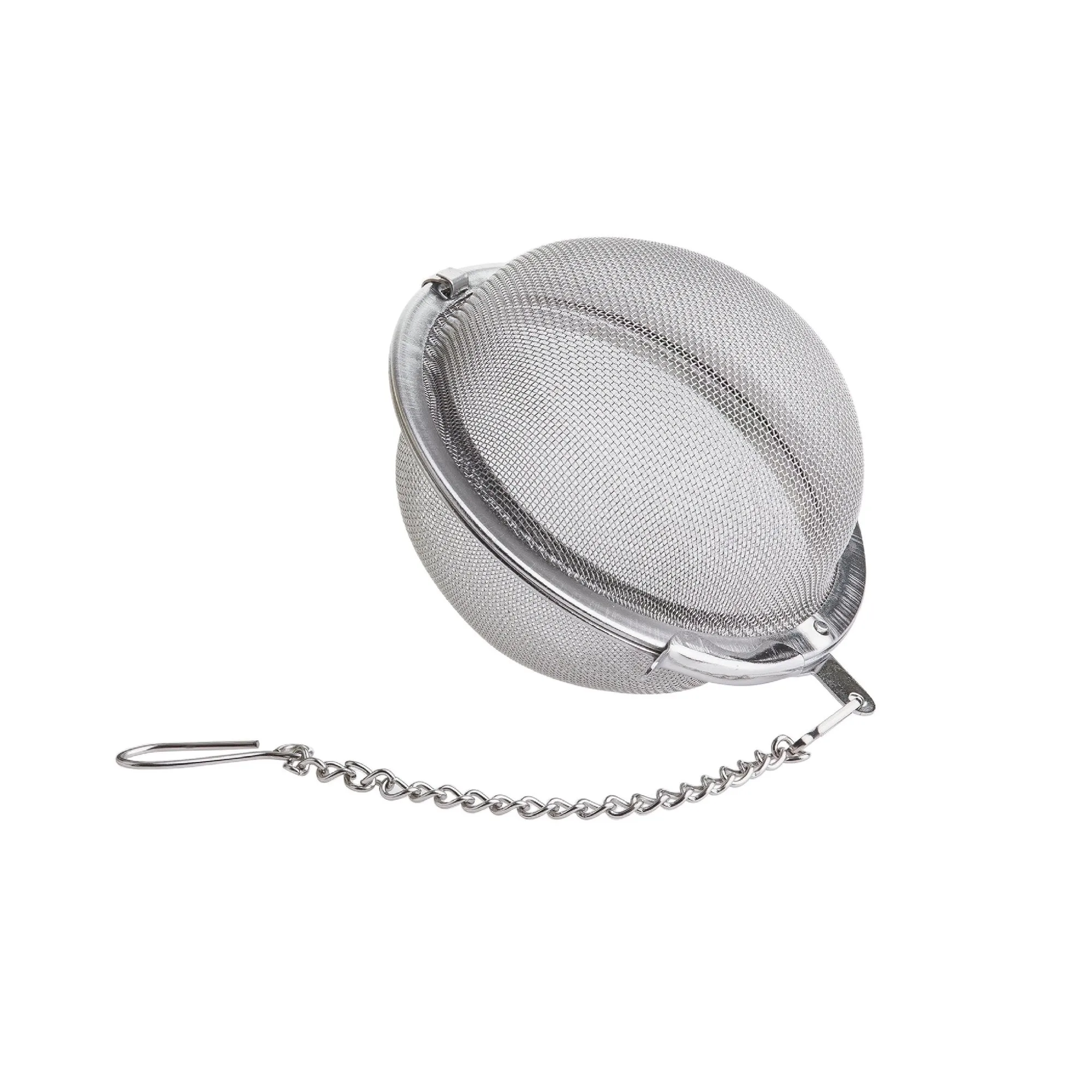
- Use a reusable tea infuser or spoon for steeping loose-leaf teas or herbs in your broth.
- Store leftover ramen noodles in glass containers instead of plastic bags or wraps.
- Opt for a bamboo cutting board and a high-quality knife like The Shadowbringer Knife for prepping vegetables and proteins without waste.
Eco-Friendly Swaps for Common Ramen Ingredients
Your ingredient choices also play a role in a zero-waste kitchen. Many ramen toppings come in plastic packaging—think seaweed sheets, sesame seeds, and chili oil. Look for bulk bins at local stores where you can bring your own containers, or choose brands that use compostable or recyclable materials. For protein, consider plant-based options like tofu or tempeh, which often have less packaging than meat.
Another smart swap is to make your own seasoning blends. Instead of buying individual packets, mix your own soy sauce, miso, and spice blends in reusable jars. The Vegan White Miso v3.1 is a fantastic base for creamy, umami-rich broths, and its packaging is designed with sustainability in mind. Pair it with homemade chili oil or garlic paste to eliminate those tiny plastic sachets.
- Buy ramen in bulk to minimize packaging waste per serving.
- Use a Tea Spoon to portion out loose-leaf tea or spices instead of using disposable tea bags.
- Grow your own green onions, bean sprouts, or herbs in a windowsill garden for fresh, package-free toppings.
How to Store and Repurpose Ramen Leftovers Waste-Free
Leftovers are a common source of food waste, but with a little planning, you can enjoy them without generating trash. Store leftover broth in a glass jar or silicone container, and keep cooked noodles separate to prevent sogginess. When reheating, avoid single-use microwave covers—use a plate or reusable silicone lid instead. If you have leftover vegetables or proteins, repurpose them into a stir-fry or salad the next day.
Another idea is to turn leftover ramen into a completely new dish. Crush dried noodles into crumbs for a crispy topping on casseroles or salads. Use leftover broth as a base for soups or stews. By being creative, you reduce waste and stretch your ingredients further. The key is to have reusable storage options on hand, such as beeswax wraps, glass containers, and silicone bags.
- Freeze leftover broth in ice cube trays for easy portioning later.
- Compost vegetable scraps from ramen prep to close the loop on food waste.
- Use a reusable container to pack leftover ramen for lunch the next day.
Building a zero-waste ramen kitchen is an achievable goal that starts with small, intentional swaps. By choosing reusable tools like the Donhiki Measuring Beaker, opting for bulk ramen packs, and embracing homemade seasonings, you can enjoy your favorite noodles while reducing your environmental impact. Every step counts—whether it's composting scraps, storing leftovers in glass, or investing in durable kitchenware. Ready to start your journey? Explore the 36 Pack - Vite Ramen Pro+ - Choose Your Flavor to stock up on bulk ramen that supports a greener kitchen.