Quick answer
To size the Zhara Bralette for light support, measure your underbust snugly and match it to the brand's size chart, then check that the band sits level and the cups lie smooth without digging. If you're between sizes, size up for comfort. The goal is a barely-there feel, not compression.
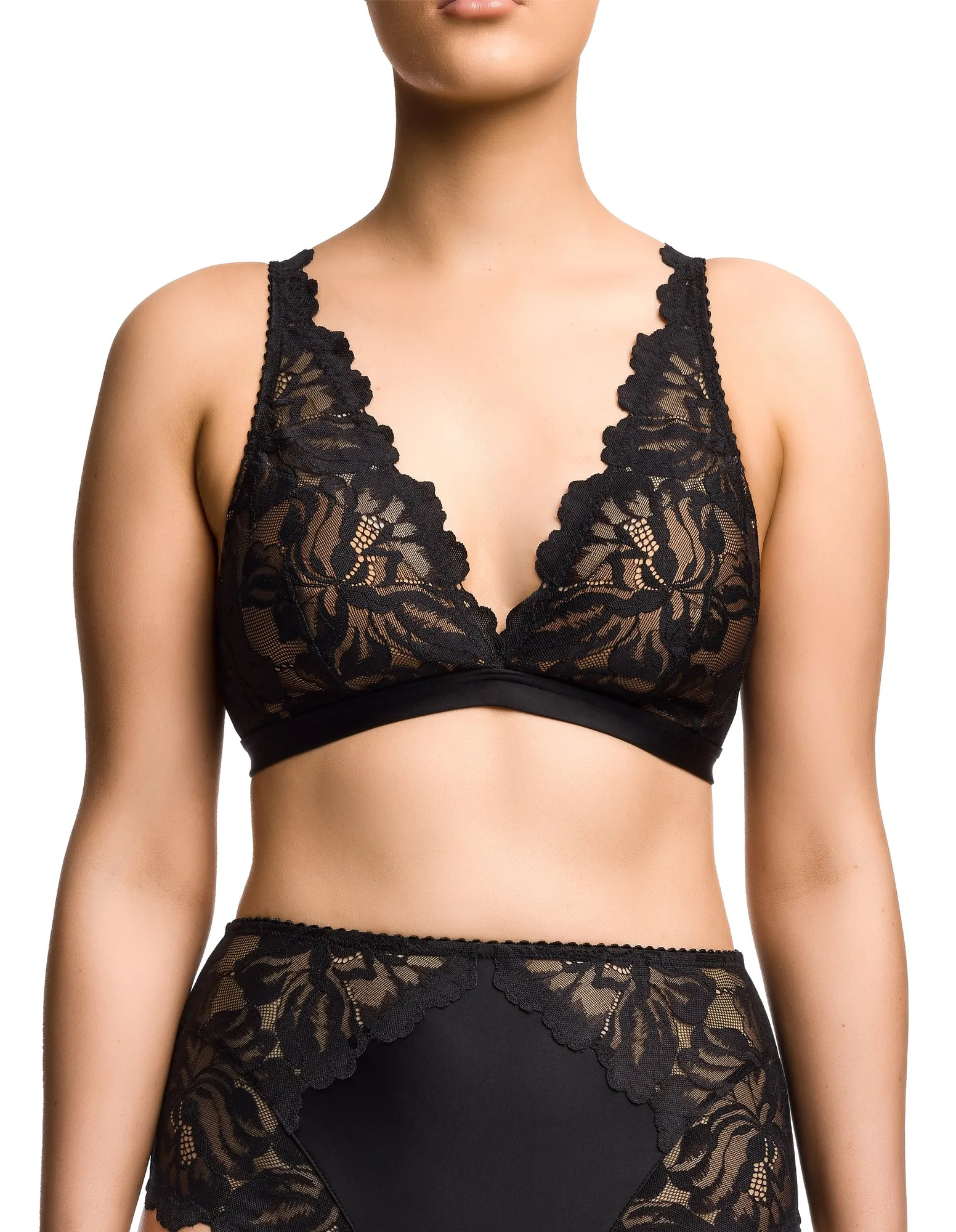
Zhara Bralette
Light support bralettes like the Zhara are designed for comfort, not lift. That changes how you should approach sizing: the band does most of the work, and the cups just need to cover without gaping or pressing. A soft cup bralette that fits well disappears under clothes and stays put through lounging, errands, or a work-from-home day.
This guide walks you through a simple, repeatable process to find your Zhara size. You'll measure your band, interpret the size chart, and run three quick fit checks. We'll also cover common mistakes and when to consider a different style.
Why light support changes the sizing rules
In a wired bra, the band and cups share the work of supporting breast tissue. In a light support bralette, the band provides most of the hold, while the soft cups keep things covered and comfortable. That means a snug-but-not-tight band matters more than cup volume. If the band is too loose, the bralette will ride up; if it's too tight, you'll feel it after an hour.
The Zhara Bralette uses a pull-on or hook-and-eye closure depending on the style, but the principle is the same: you want the band to stay level all the way around. Because there's no underwire, you also have more flexibility in cup fit. A little extra room in the cup is fine for light support; what you don't want is the band sliding around.
- Light support = band does the work, cups just cover.
- A band that stays level is more important than a perfect cup fit.
Measure your underbust for the band
Wrap a soft measuring tape snugly around your ribcage, directly under your bust. Keep the tape level and breathe normally. Round to the nearest whole inch. This is your underbust measurement, and it's the number you'll match to the Zhara size chart. If you're between sizes, go with the larger band size for a bralette, since light support styles are meant to feel easy.
Don't measure over a thick bra or clothing. If you don't have a tape measure, use a piece of string and hold it against a ruler. Write the number down. You'll use it in the next step.
- Measure under your bust, not across the fullest part.
- Round up if you're between sizes for a more comfortable band.
Match your measurement to the size chart
Check the Zhara Bralette product page for the size chart. Most bralettes use band sizes like S, M, L or numeric bands like 32, 34, 36. Find the range that includes your underbust measurement. If your measurement falls at the top of a range, consider sizing up, especially if you prefer a relaxed fit. If it falls at the bottom, your usual size should work.
Remember that bralette sizing isn't the same as bra sizing. A 34B bra doesn't automatically mean a size M bralette. Always use the brand's chart. If the chart shows both band and cup suggestions, prioritize the band measurement for light support.
- Use the brand's size chart, not your bra size.
- When in doubt, size up for comfort.
Check the band fit first
Put the bralette on and fasten it on the loosest hook if it has a closure. The band should sit level all the way around your ribcage, not riding up in the back or digging in at the front. You should be able to slide two fingers under the band comfortably. If you can pull the band more than an inch away from your body, it's too loose. If it leaves red marks or feels restrictive, it's too tight.
For a pull-on style, the band should feel snug but not compressive. Move your arms overhead and twist gently. The band shouldn't shift dramatically. If it does, you likely need a smaller band size or a different style with more adjustability.
- Band should be level and stay in place when you move.
- Two fingers under the band is a good snugness test.
Check the cup coverage
With the band settled, look at the cups. The fabric should lie smooth against your breast tissue without gaping at the top or cutting in at the sides. For light support, a tiny bit of extra room is okay, but you shouldn't see deep wrinkles or feel the cup floating away from your body. If the cups gape, try a smaller size or a different cup shape. If they dig in, size up.
The Zhara Bralette is designed for a natural shape, so don't expect cleavage or lift. The goal is coverage and comfort. If you want more shaping, a different style may suit you better.
- Cups should lie smooth, not gap or dig.
- Light support means a natural shape, not lift.
Move around and test comfort
Wear the bralette for at least 15 minutes before deciding. Sit, stand, reach, and bend. The band shouldn't roll or twist, and the straps shouldn't fall off your shoulders. Adjustable straps help, but if they're constantly slipping, the band may be too loose. If you feel pressure points or the band leaves deep marks, go up a size.
For lounging, you want to forget you're wearing it. If you're aware of it in a distracting way, the size or style isn't right. A well-fitting light support bralette should feel like a second skin.
- Test movement before removing tags.
- Comfort is the ultimate fit check for a lounging bralette.
Common mistakes to avoid
One frequent mistake is treating a bralette like a bra and expecting the same support. If you need lift or separation, a bralette isn't the right tool. Another mistake is ignoring the band size and focusing only on cup fit. In a soft cup bralette, the band is the foundation. Finally, don't assume your size in one brand translates to another. Always check the specific chart.
If you're between sizes and can't decide, consider your primary use. For lounging and sleep, size up. For wearing under clothes where you want a smoother look, your usual size may be better. But never sacrifice comfort for a slightly smoother line.
- Don't expect bra-level support from a bralette.
- Band size matters more than cup size in light support styles.
Your step-by-step Zhara Bralette sizing process
- Measure your underbust: Wrap a soft tape snugly under your bust, keep it level, and round to the nearest inch. Write it down. Checkpoint: the tape should feel snug but not leave marks.
- Consult the size chart: Find your measurement on the Zhara Bralette size chart. If you're between sizes, choose the larger one. Checkpoint: don't rely on your bra size; use the chart.
- Try it on and check the band: Fasten on the loosest hook. The band should sit level and allow two fingers underneath without digging. Checkpoint: if it rides up or digs in, adjust the size.
- Check cup coverage: Cups should lie smooth without gaping or cutting in. A little extra room is fine for light support. Checkpoint: deep wrinkles or floating fabric mean the cup is too big.
- Move around for 15 minutes: Sit, stand, reach, and bend. The band shouldn't roll or shift, and straps should stay put. Checkpoint: if you're constantly adjusting, try a different size.
Product facts
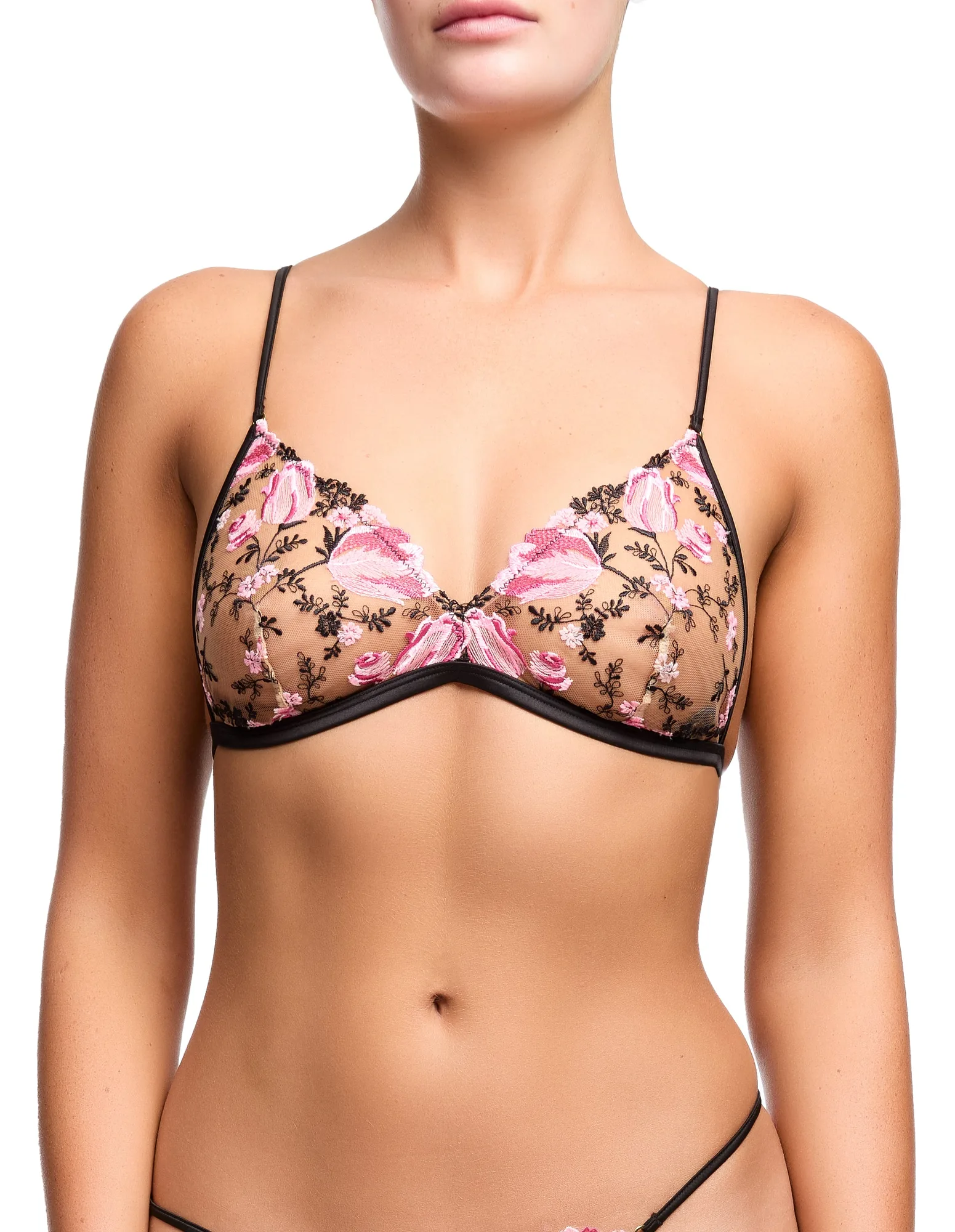
- Valentina Triangle Bralette: Features romantic rosebud embroidery on soft, sheer tulle with adjustable straps and a narrow back fastening. If you like the light support concept but want a decorative option, the Valentina offers adjustable straps and a similar pull-on feel with a bit of romance.
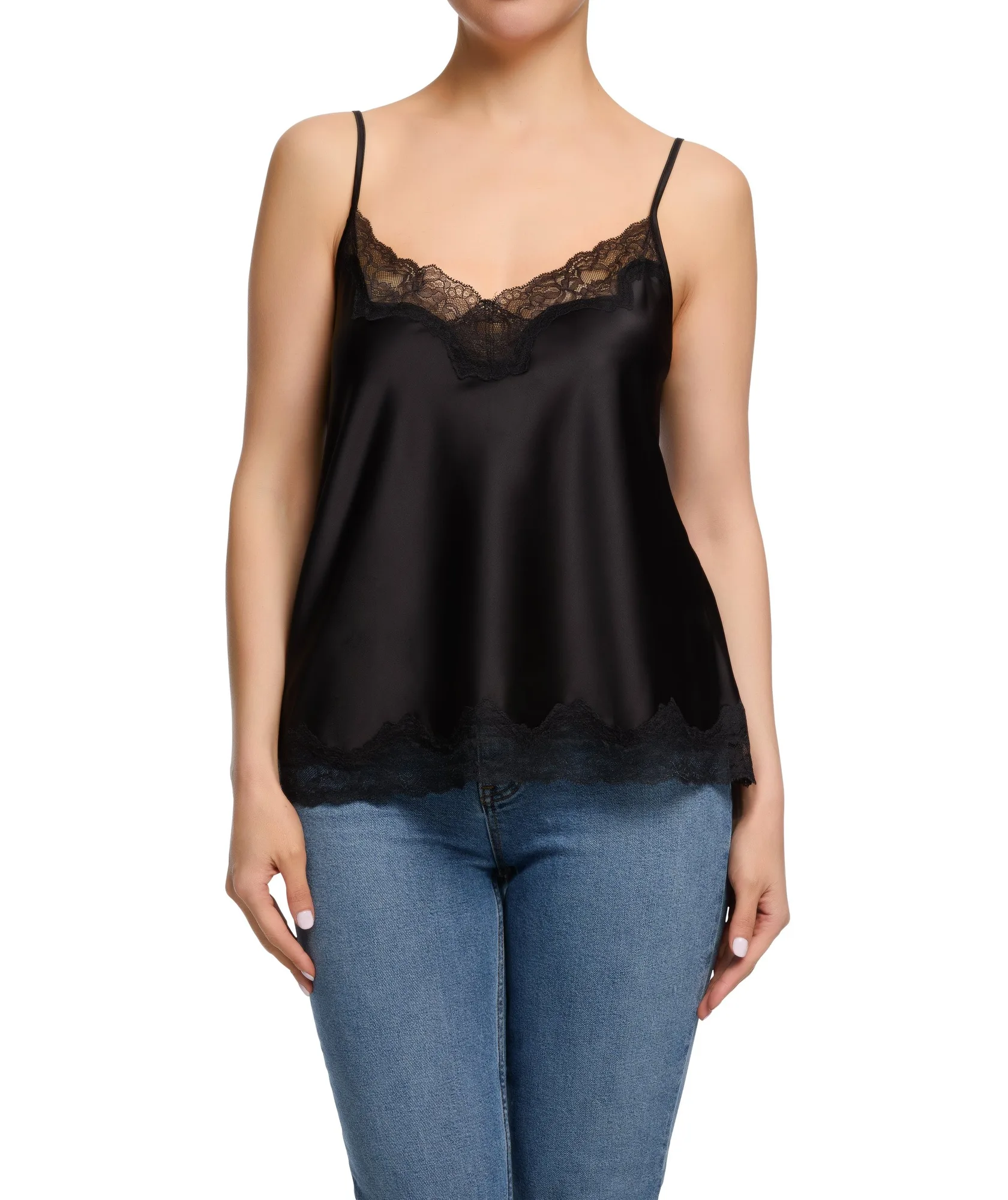
- Sofia Cami: Easy care stretch satin camisole with lace trim at the neck and hem, perfect for layering or wearing as a top. A cami like Sofia can work as an alternative to a bralette when you want a little more coverage or a layered look with light support.
Sizing a light support bralette like the Zhara comes down to a snug, level band and smooth cup coverage. Measure your underbust, follow the brand's chart, and trust how it feels when you move. If you're between sizes, size up for comfort. A well-fitting bralette should disappear under your clothes and let you forget you're wearing it.