Quick answer
Choose the non-nano zinc sunblock when you need a primary, all-over facial sunscreen with a simple ingredient list and no makeup disruption. Choose the brush-on SPF 50 powder when you want quick, dry reapplication over makeup or on sensitive, acne-prone skin. Many people benefit from using both: the lotion as the base layer and the powder for touch-ups.
Why the base layer and the touch-up layer are different decisions
A primary sunscreen needs to deliver an even, sufficient layer across the face. That usually favors a lotion or cream you can measure and spread. A powder is harder to apply evenly in a full face dose, but it excels at restoring protection over makeup without sliding or creasing. Treat the two formats as different jobs rather than direct substitutes.
The non-nano zinc option is a leave-on lotion-style sunblock. The brush-on powder is a dry mineral formula. Neither product record states a water-resistance rating or an exact SPF testing method beyond the labeled SPF 50, so do not assume either is swim-proof or exercise-proof without checking the label.
Ingredient and skin-sensitivity trade-offs
The non-nano zinc sunblock lists 25% zinc oxide plus red raspberry seed oil, and it is described as free of perfume, propylene glycol, parabens, and GMOs, vegan, and cruelty-free. That makes it a reasonable starting point for rosacea-prone or eczema-prone skin, though anyone with known sensitivities should still patch test.
The brush-on powder is described as an all-natural mineral sunscreen with simple ingredients, positioned for rosacea, acne, fungal acne, Malassezia-prone skin, and children. Its dry format avoids the creamy base that some fungal-acne-prone users prefer to limit. The catalog does not list the full powder ingredient deck, so if you have a specific allergen concern, verify the complete list before buying.
Finish, makeup, and reapplication realities
The lotion leaves a traditional sunscreen layer. It may feel heavier than a powder and can interfere with makeup if applied on top. Apply it first, let it settle, then continue with makeup. The powder is designed to avoid the summer slide-off of makeup and to avoid clogging pores, which makes it the more practical choice for midday touch-ups over a full face.
Reapplication is where most routines fail. A powder brush is easy to carry and quick to use, but it is not a reliable way to build a full initial dose. Use the lotion for the first application of the day and reserve the powder for topping up. If you are outdoors for hours, reapply the lotion or use a dedicated outdoor sunscreen rather than relying on powder alone.
Cost and sizing considerations
The zinc sunblock lists at USD 15.19 against a USD 24.50 comparison price, and the brush-on powder lists at USD 21.60 against USD 36.00. Both come in multiple sizes, but the catalog does not state the exact gram or ounce content per size, so compare cost per unit only after checking the size options on each product page.
If you plan to use the lotion daily on face and neck, the larger size is usually the better value. If you only need a powder for touch-ups, the smaller powder size may last longer than expected because each use is light.
Decision rules: which one to buy
- You need one sunscreen for the whole day: Buy the Zinc Sunblock Non-Nano as your primary facial sunscreen. Apply it generously before makeup and plan to reapply the lotion later if you are outdoors for long periods. A powder alone is not a reliable full-face first dose.
- You wear makeup and want midday touch-ups: Buy the Brush On SPF 50 Powder for reapplication. Use it over makeup to refresh protection without sliding or creasing. Keep a powder in your bag only if you already apply a base sunscreen in the morning.
- Your skin is rosacea-prone, eczema-prone, or sensitive: Start with the non-nano zinc lotion because its ingredient list is more fully disclosed and free of common irritants like perfume and propylene glycol. Patch test first. If the lotion stings or feels heavy, the powder may be a better touch-up alternative, but check its full ingredient list first.
- You have acne or fungal-acne-prone skin: The powder's dry format is less likely to feed Malassezia or clog pores, making it a strong choice for touch-ups. For the base layer, the non-nano zinc lotion is described as suitable for rosacea and eczema but does not explicitly claim fungal-acne suitability. If fungal acne is your main concern, verify the lotion's full ingredient list or ask the brand before using it as a base.
- You want the lowest upfront cost: The non-nano zinc sunblock lists at USD 15.19 versus USD 21.60 for the powder, before comparing sizes. Check the size options on each page to compare cost per use. Price per ounce, not sticker price, is the fair comparison.
Product facts
-
Brush On SPF 50 Powder Sun Block: Brush-on SPF 50 powder is described as a dry sunblock that won't clog pores or cause makeup to slide off. It is the more practical option for reapplication over makeup and for acne-prone skin that dislikes creamy layers.
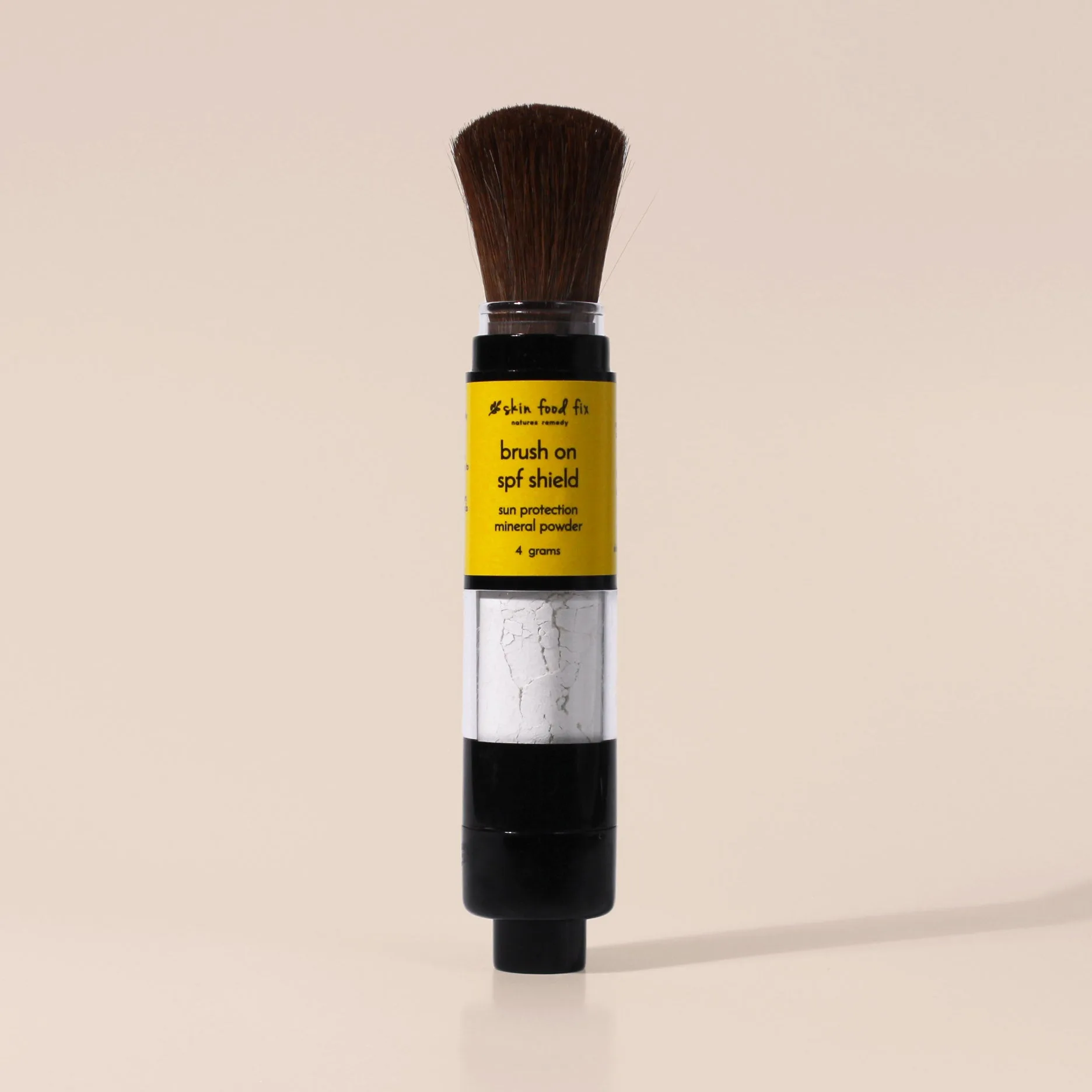
Brush On SPF 50 Powder Sun Block
-
Zinc Sunblock Non-Nano: Zinc Sunblock Non-Nano contains 25% non-nano zinc oxide plus red raspberry seed oil, with no perfume, propylene glycol, parabens, or GMOs. It provides a simpler base-layer option for rosacea-prone or sensitive skin, though it is not a powder and will feel like a lotion.
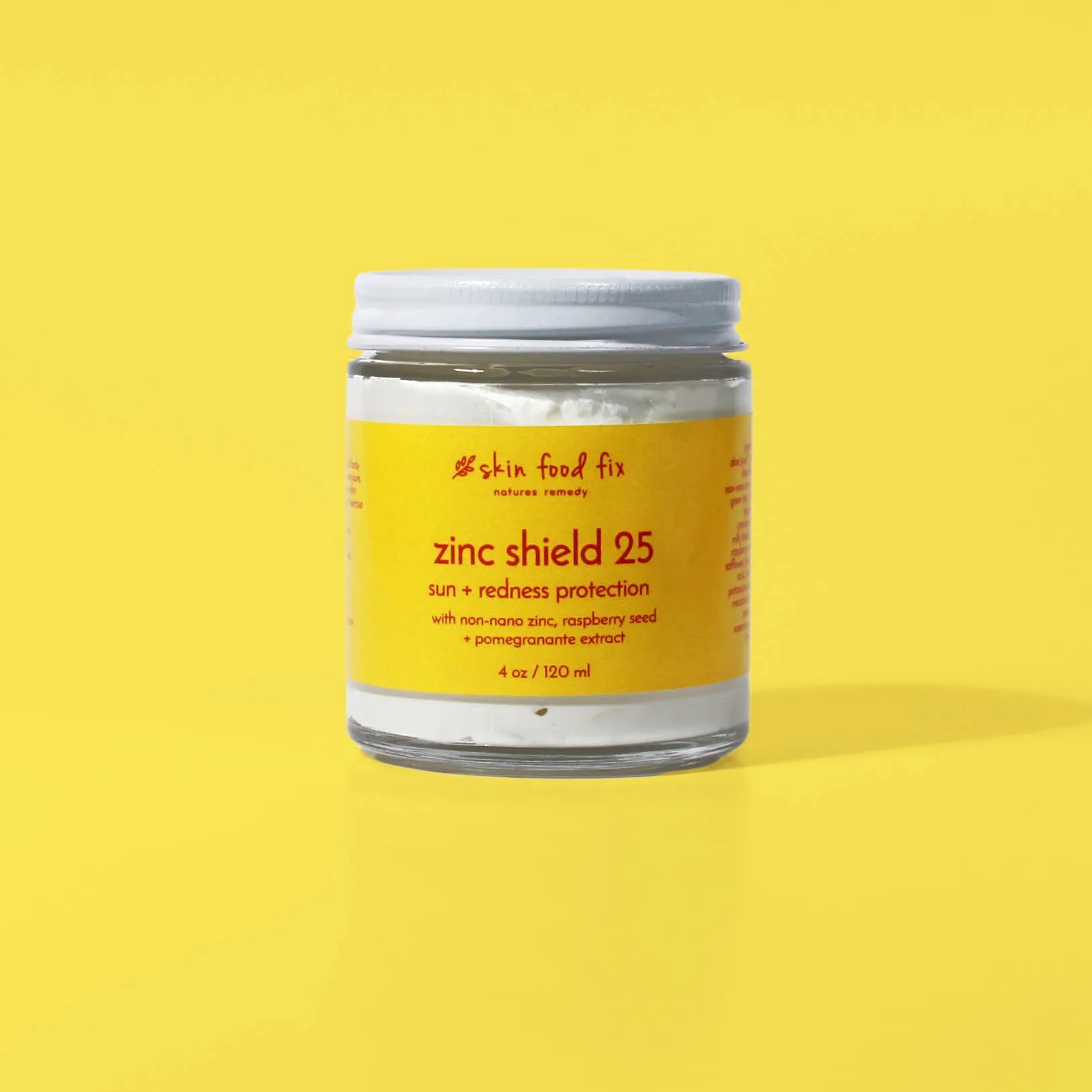
Zinc Sunblock Non-Nano
Who should choose which
Best for
- People who want a single, simple base-layer sunscreen for sensitive or rosacea-prone skin
- Makeup wearers who need quick, dry reapplication over foundation
- Anyone building a two-step routine: lotion first, powder for touch-ups
Not for
- Swimmers or heavy sweaters who need a water-resistant primary sunscreen (neither product lists a water-resistance rating)
- Anyone who wants a fully disclosed powder ingredient list before buying
- People who refuse to apply a separate base sunscreen and expect powder alone to cover a full day outdoors