Quick Answer
Zinc and quercetin serve different but complementary roles in immune health: zinc is essential for immune cell function and antioxidant defense, while quercetin helps modulate the immune response and may enhance zinc's absorption. Most people benefit from a combination, but if you must choose, prioritize zinc for general immune support, especially if you have a deficiency, and consider quercetin for seasonal immune challenges or as an antioxidant.
quercetin
When it comes to immune support, zinc and quercetin are two popular supplements that often compete for attention. But they work in distinct ways, and understanding their differences can help you make an informed choice. This comparison breaks down their unique benefits, potential trade-offs, and how to decide which to prioritize.
We'll also explore whether combining them might be the smarter strategy, and we'll highlight specific products that can help you put this knowledge into practice.
How Zinc Supports Immunity
Zinc is a trace mineral that plays a critical role in immune function. It helps develop and activate T-lymphocytes, a type of white blood cell that coordinates the immune response. Zinc also acts as an antioxidant, protecting cells from oxidative stress that can weaken immune defenses. A deficiency in zinc is known to impair immune function, making you more susceptible to infections.
While many foods contain zinc, factors like a vegan diet, digestive issues, or stress can increase your need for supplementation. When choosing a zinc supplement, look for bioavailable forms that are easy on the stomach. Our own Vitamin C supplement, derived from amla and black currant, is a great companion to zinc, as vitamin C can enhance zinc absorption and provide additional antioxidant support.
- Zinc is essential for immune cell development and function.
- Adequate zinc levels are crucial for maintaining a robust immune response.
- Consider pairing zinc with vitamin C for synergistic benefits.
How Quercetin Supports Immunity
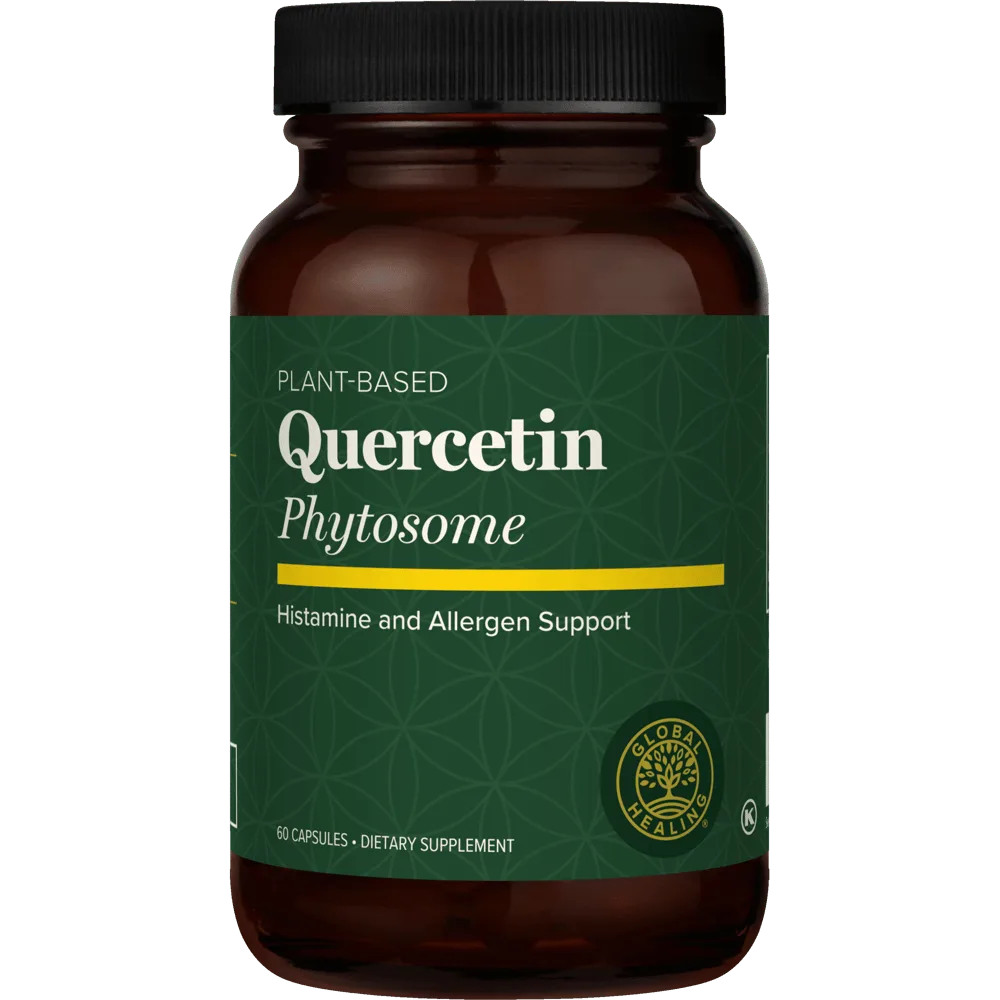
Quercetin is a flavonoid found in many fruits, vegetables, and herbs. It's known for its antioxidant and anti-inflammatory properties, which help modulate the immune system. Quercetin can stabilize mast cells and reduce the release of histamines, which may help with seasonal allergies and respiratory comfort. It also supports the body's natural defenses by promoting cellular health.
Interestingly, quercetin has been studied for its ability to act as a zinc ionophore, meaning it may help transport zinc into cells, where zinc can exert its antiviral effects. This makes quercetin a valuable partner to zinc, especially during times of immune stress. Many people turn to quercetin-rich foods or supplements to support their immune system naturally.
- Quercetin provides antioxidant and anti-inflammatory support.
- It may help modulate the immune response and reduce histamine release.
- Quercetin can enhance zinc's cellular uptake, making the combination more effective.
Zinc vs Quercetin: Key Differences
The primary difference lies in their mechanisms. Zinc is a mineral that the body cannot produce, so it must be obtained from diet or supplements. It's directly involved in immune cell function and is essential for overall health. Quercetin is a plant compound that acts as a signaling molecule, helping to regulate inflammation and oxidative stress.
In terms of immune support, zinc is fundamental for the immune system's ability to fight off pathogens, while quercetin is more about supporting the immune response and reducing excessive inflammation. If you're looking for a foundational immune supplement, zinc is the priority. If you're dealing with seasonal challenges or want to boost antioxidant defenses, quercetin may be more relevant.
- Zinc is a mineral; quercetin is a flavonoid.
- Zinc is essential for immune cell function; quercetin modulates immune response.
- Zinc deficiency is common; quercetin deficiency is not a recognized condition.
Why Combine Zinc and Quercetin?
Combining zinc and quercetin is a popular strategy because they complement each other. Quercetin's potential to act as a zinc ionophore means it may help shuttle zinc into cells, where it can be most effective. This synergy is why many immune support supplements include both ingredients.
If you decide to combine them, look for a balanced approach. You might take a zinc supplement along with a quercetin supplement, or choose a product that includes both. Always follow dosage recommendations and consult with a healthcare provider if you have underlying health conditions.
- Quercetin may enhance zinc absorption at the cellular level.
- Combining them provides comprehensive immune support.
- Look for supplements that offer both, or take them separately with meals.
Trade-Offs to Consider
- Zinc: Essential but Can Cause Nausea: Zinc is crucial for immunity, but taking it on an empty stomach can cause nausea. It's best taken with food. Also, high doses over time can lead to copper deficiency, so balance is key. Start with a moderate dose and take with meals to minimize stomach upset.
- Quercetin: Limited Absorption: Quercetin is poorly absorbed on its own. Many supplements include bromelain or use advanced formulations to enhance bioavailability. Look for products that address this. Choose a quercetin supplement that includes absorption enhancers or is labeled as highly bioavailable.
- Combination: Synergistic but Not Always Necessary: Combining zinc and quercetin may offer enhanced immune support, but it's not necessary for everyone. If your diet is rich in antioxidants, you might only need zinc. Assess your individual needs; if you're prone to seasonal allergies, the combination may be more beneficial.
Products to Support Your Immune Stack
- Vitamin C: Our Vitamin C supplement is derived from plant-based sources, specifically amla extract and black currant. These natural ingredients provide rich and potent vitamin C. With our supplement, you can enjoy the benefits of vitamin C, including immune support, antioxidant protection, and collagen synthesis. Vitamin C works alongside zinc to support immune function and can enhance zinc absorption. This plant-based formula is a great addition to your immune stack.
- Elderberry & Echinacea: Elderberry and echinacea provide a time-honored herbal combination known to support a healthy immune system and provide your body with a potent antioxidant. Our vegan blend of highly bioavailable, organic elderberry and echinacea is designed to defend against harmful organisms and seasonal distress. This herbal blend offers complementary immune support, especially during seasonal changes. It can be used alongside zinc and quercetin for a multifaceted approach.
How to Decide
Best for
- Zinc: Individuals with a known zinc deficiency, vegans, or those looking for foundational immune support.
- Quercetin: People dealing with seasonal allergies, frequent oxidative stress, or those wanting to support respiratory health.
Not for
- Zinc: Those who already get adequate zinc from their diet and don't have increased needs.
- Quercetin: Individuals looking for a primary immune supplement without considering zinc, as zinc is more essential for immune function.
Both zinc and quercetin play important roles in immune health, but they are not interchangeable. Zinc is a foundational mineral that your immune system relies on, while quercetin offers supportive antioxidant and anti-inflammatory benefits. For most people, prioritizing zinc is wise, but combining it with quercetin can provide a more comprehensive approach, especially during seasonal challenges. Evaluate your diet, health goals, and any deficiencies to make the best choice for your immune system.