Quick answer
For most backpackers, a roll-top dry sack is the better choice because it creates a watertight seal with no zipper to fail or leak. Choose a zip sack only if you need frequent, quick access to your gear and are willing to accept slightly less waterproof protection. If you already own a roll-top dry sack, adding Compression Caps can make it even more compact.
When you're packing for a trip, the last thing you want is wet gear. The closure on your dry sack—whether it's a zipper or a roll-top—plays a huge role in keeping water out and making your pack easy to use. But which one is actually better?
We'll break down the differences between zip sacks and roll-top dry sacks, using real examples from our catalog, so you can decide which closure type fits your adventures. We'll cover waterproofing, ease of access, packability, and durability.
How Roll-Top Dry Sacks Work
A roll-top dry sack seals by folding the top edge down at least three times and then clipping the buckle. This creates a tight, waterproof barrier that doesn't rely on a zipper. Because there's no zipper, there's less to break or leak. Roll-top closures are simple, reliable, and often lighter than zippered alternatives.
The main trade-off is access: you have to unroll and unclip every time you need something inside. That's fine for items you only need at camp, like a sleeping bag or spare clothes, but it's annoying for things you grab frequently, like a camera or snacks.
- Roll at least three times for a proper seal.
- Keep the buckle clipped to maintain compression.
How Zip Sacks Work
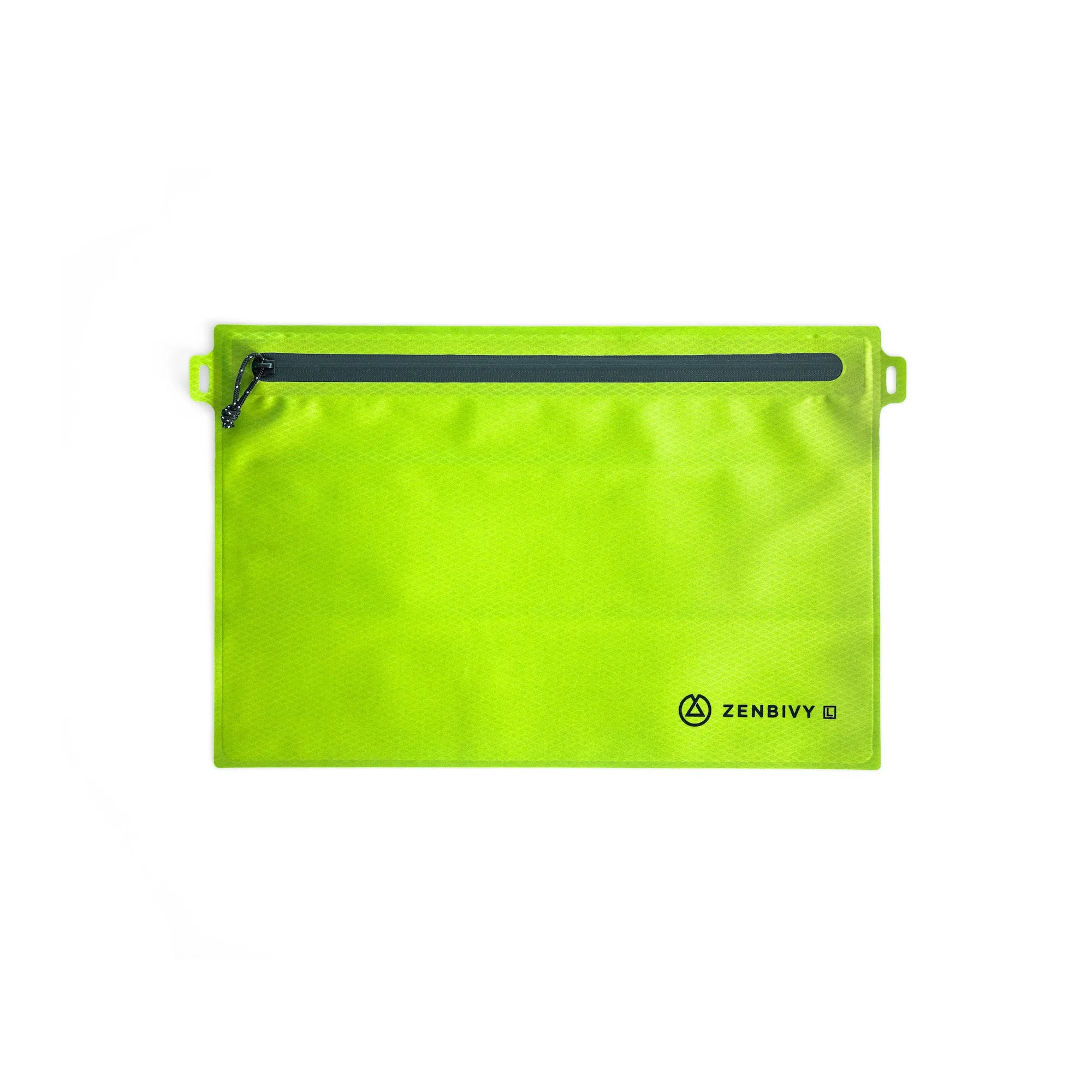
Zip sacks use a zipper, often with a waterproof coating or a covered flap, to close the bag. They offer instant access—just unzip and grab what you need. That convenience makes them popular for day trips or for organizing small items you'll reach for often.
However, zippers are the weak point. Even water-resistant zippers can leak over time, especially if submerged or exposed to heavy rain. They also add weight and can be more expensive to manufacture. If you choose a zip sack, look for one with a storm flap and treat it with care.
- Avoid overstuffing—it stresses the zipper.
- Clean and lubricate the zipper regularly to keep it working smoothly.
Waterproofing: Roll-Top Wins
When it comes to keeping water out, roll-top closures have the edge. A properly rolled and clipped top creates a watertight seal that doesn't depend on a fragile zipper. Even if the bag is submerged, water can't easily penetrate the folds.
Zip sacks, even with waterproof zippers, are generally only water-resistant. They can handle splashes and rain but may leak if submerged or exposed to prolonged wet conditions. For true waterproof protection, roll-top is the safer bet.
- For kayaking or wet climates, choose roll-top.
- For light rain and quick access, a zip sack may suffice.
Convenience and Access
Zip sacks are undeniably more convenient for frequent access. If you're stopping often to grab a map, snack, or camera, a zipper saves time and hassle. Roll-top sacks require unrolling and unclipping each time, which can be tedious.
But consider how often you actually need to open your dry sack. For items like your sleeping bag or spare clothes, you might only open it once or twice a day. In that case, the extra few seconds to unroll are negligible.
- Use a zip sack for your day pack or travel bag.
- Use a roll-top sack for gear you rarely access during the day.
Packability and Compression
Roll-top sacks can be compressed by rolling the top down further, which pushes air out and shrinks the bag. This is great for maximizing space in your backpack. You can also add Compression Caps to an already-compressed dry sack to keep it fully compressed and as compact as possible.
Zip sacks don't compress as effectively because the zipper limits how much you can squeeze the bag. If space is tight, a roll-top with compression accessories is the better choice.
- Roll-top sacks + Compression Caps = maximum space savings.
- Zip sacks are better for items you want to keep loose and accessible.
Trade-Offs at a Glance
- Waterproofing: Roll-top: watertight when rolled correctly. Zip: water-resistant at best, may leak when submerged. Choose roll-top for wet environments.
- Access: Zip: instant open and close. Roll-top: requires unrolling and unclipping each time. Choose zip if you need frequent access.
- Compression: Roll-top: can be rolled tighter to compress contents. Zip: limited compression due to zipper. Pair roll-top with Compression Caps for maximum space savings.
- Durability: Roll-top: no moving parts to fail. Zip: zipper can break or leak over time. Roll-top is more reliable long-term.
Product Facts
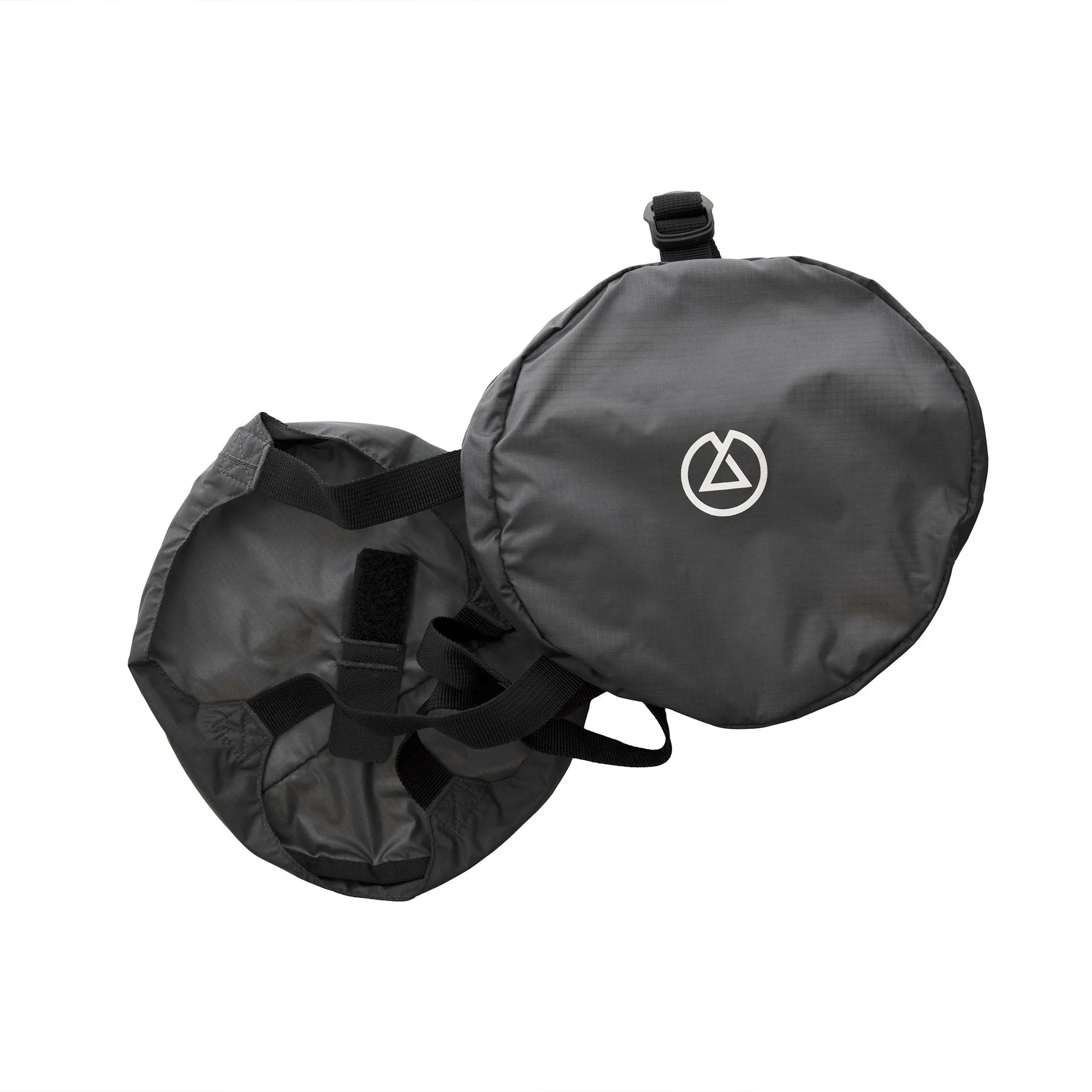
- Compression Caps: For those times when you need to maximize the space in your pack, simply add the Compression Caps onto your already-compressed Dry Sack to keep it fully compressed and as compact as possible. If you use a roll-top dry sack, these caps let you shrink it down even further, saving precious pack space.
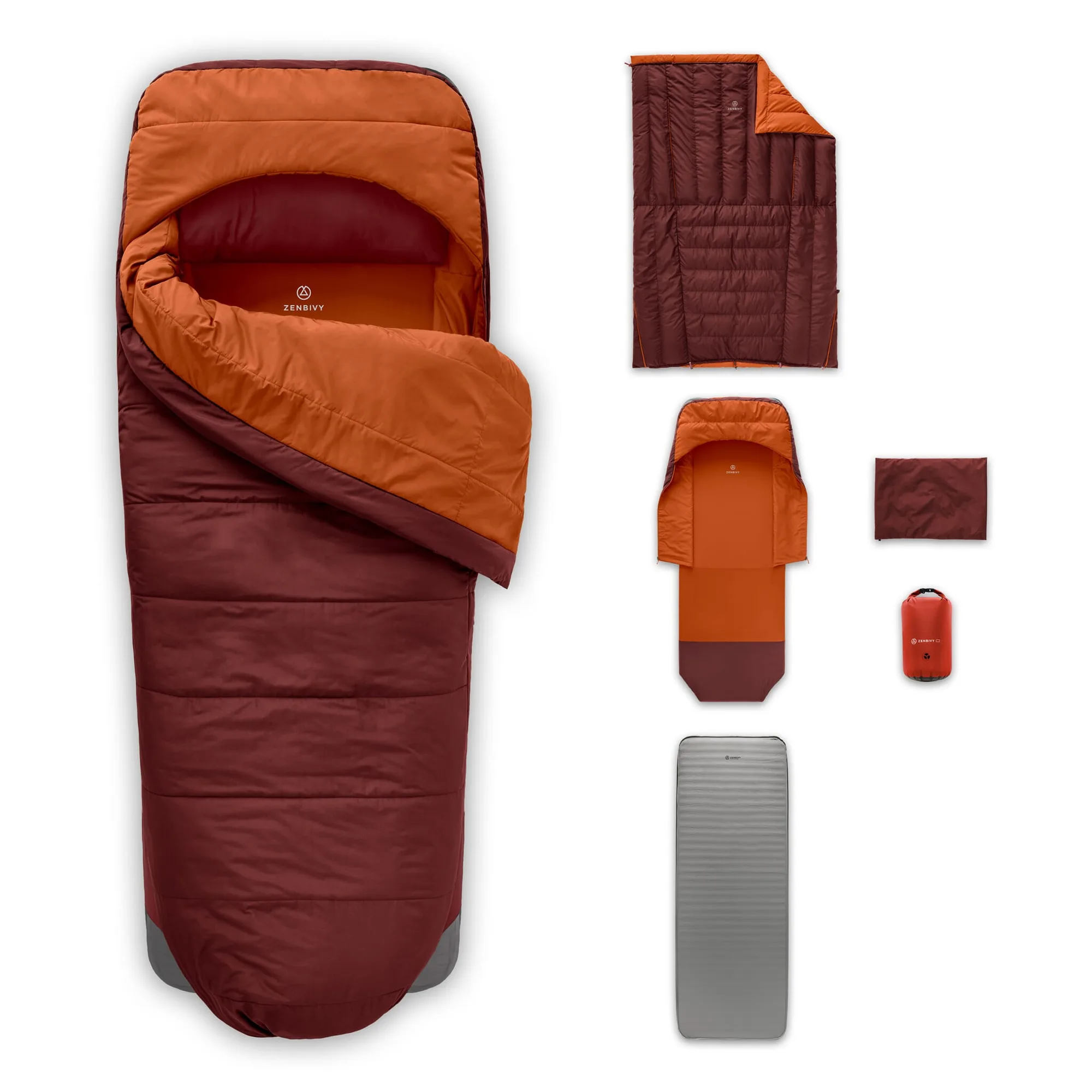
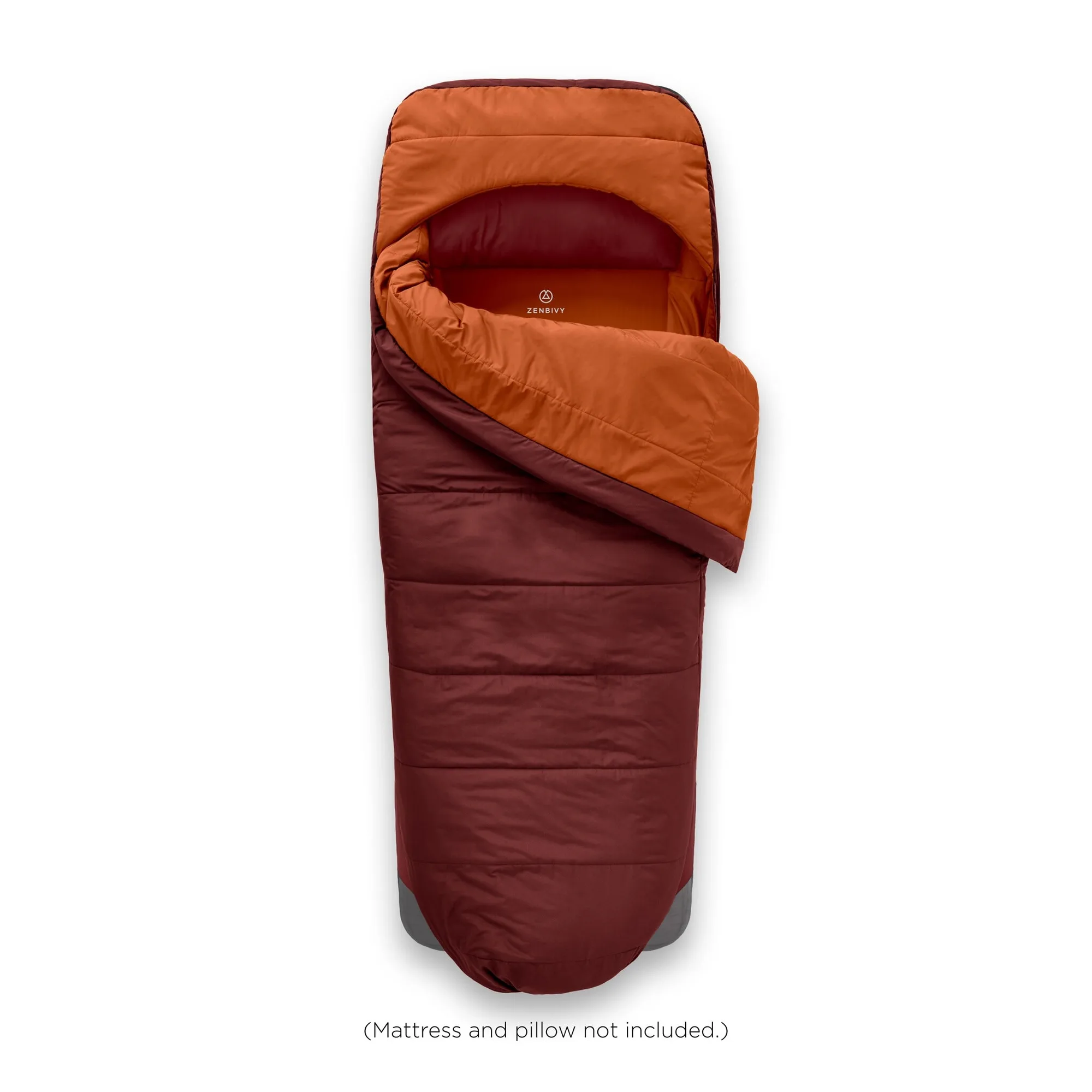
- https://zenbivyli.com/products/overland-zip-bed-bundle-38f58715881e71fb6a0bf694-1913152Overland ZipBed Bundle: Our go-to sleep system for car campers who want the highest level of comfort and convenience. This all-in-one complete bed bundle includes an Overland ZipBed which features a zippered Convertible Footbox quilt for maximum versatility and convenience, a FlexTM 3D Mattress for home-like supportive comfort, a B.Y.O.P. (Bring Your Own Pillow) Pillowcase, and a Dry Sack for waterproof storage when needed. This bundle includes a dry sack for storage, showing that even convenient systems need waterproof protection. It also highlights that zippered closures are used for comfort and versatility, not waterproofing.
Which Closure Is Right for You?
Best for
- Backpackers and paddlers who need reliable waterproof protection
- Trips where gear is accessed infrequently, like sleeping bags or spare clothes
- Anyone wanting to maximize pack space with compression
Not for
- People who need to grab items frequently throughout the day
- Those who prefer the convenience of a zipper despite slightly less waterproofing
Roll-top dry sacks offer superior waterproofing and compression, making them the top choice for most outdoor adventures. Zip sacks win on convenience but sacrifice some protection. Consider your priorities—if staying dry is critical, go roll-top; if quick access matters more, a zip sack could work. Whichever you choose, proper use and care will keep your gear dry.