快速解答
对于第一条果冻卷拼布被,选择由完整 2.5 英寸布条、直缝和简单布局构成的图案,例如条状拼布被或基本栅栏图案。这些设计直接使用布条宽度,因此无需修剪或对齐接缝。如果您想要较小的作品,条状友好的桌旗或婴儿被图案比全尺寸床被更宽容。主要权衡是速度与布局多样性:更简单的图案完成更快,但设计选择更少。
果冻卷拼布被图案在使用 2.5 英寸布条的方式上差异很大,这种差异比图案名称更重要。有些设计将布条首尾相接,让布料本身发挥作用。其他设计则在拼接前将布条裁成正方形、三角形或子布条,这增加了裁剪时间和接缝对齐工作。了解图案属于哪一类,有助于预测它是否适合您的技能水平以及成品被子的大小。
本对比考察了四种常见的适合初学者的果冻卷拼布被设计:简单条状拼布被、栅栏图案、半方三角拼布被和果冻卷竞速。每种都按布条使用方式、成品尺寸范围和布局难度进行描述。目标是帮助您根据可用时间、裁剪熟练度以及实际需要的被子尺寸来匹配图案。
简单条状拼布被:最快的起点
简单条状拼布被将2.5英寸布条首尾相接缝制,然后将长条列并排拼接。您不需要裁剪布条,因此图案使用整个果冻卷,几乎没有浪费。成品尺寸取决于您使用的布条数量和拼接的列数。一个典型的果冻卷包含约40条布条,用所有布条拼成列的被子的成品尺寸约为50×60英寸,但确切尺寸因图案和缝份而异。
代价是设计控制有限。因为布条保持完整,布局主要由您缝制的顺序决定。如果您想要有计划的颜色排列,需要在缝制前摆放好布条。这个图案最适合想要快速完成被面且不介意随机或半随机外观的拼布者。
- 使用一致的 1/4 英寸缝份;如果缝份不一致,条状拼布会呈现波浪边。
- 先成对缝制布条,再将成对布条拼接成列,以便控制被面。
Rail Fence: More Structure, Still Beginner-Friendly
The rail fence pattern groups three or four strips into a block, then rotates the blocks to create a woven look. You still work with full 2.5 inch strips, but you cut them to a consistent length before sewing. That extra cutting step adds time, yet it gives you more control over the finished layout. A rail fence quilt can be sized from a baby quilt to a throw by changing the number of blocks.
The trade-off is more up-front cutting and block trimming. If you dislike repetitive cutting, a simple strip quilt is faster. If you want a more structured design without triangles or angled seams, rail fence is a strong middle ground. It also handles a single jelly roll well, since each block uses three or four strips.
- Cut strips to the same length before piecing; a rotating cutting mat speeds this up.
- Press seams in alternating directions so blocks nest together when you join them.
Half-Square Triangle Quilt: More Design, More Cutting
Half-square triangle quilts made from jelly rolls require cutting strips into squares, then pairing and sewing them into triangle units. This opens up dozens of layout options, from pinwheels to chevrons. The cost is time: you cut every strip into squares, sew two seams per unit, trim, and press. For a beginner, the trimming step is where accuracy matters most, because small errors multiply across many units.
The trade-off is clear. You get the most design variety of the four patterns, but you also spend the most time cutting and trimming. If you want a quilt that looks complex without advanced piecing, this is a good choice. If you want a quick finish, choose a strip quilt or rail fence instead.
- Use a ruler with clear 45-degree markings and a sharp rotary blade for trimming.
- Sew a scant 1/4 inch seam, then trim units to the exact unfinished size before assembling.
Jelly Roll Race: Fast Top, Predictable Size
A jelly roll race sews all strips end to end into one very long strip, then folds and sews it repeatedly to build the quilt top. It is one of the fastest ways to use a full jelly roll. The finished size is fairly predictable because it depends on the total strip length and the number of folds. Many jelly roll race quilts finish around 50 by 64 inches, but the exact size changes with seam allowance and how you fold the strip.
The trade-off is layout control. The race method produces a random diagonal pattern, and you cannot easily plan where specific fabrics land. It is ideal for a quick charity quilt or a first project where speed matters more than a specific design. If you want a planned arrangement, rail fence or half-square triangles give you more control.
- Sew strips with a consistent seam allowance; the long strip amplifies any variation.
- Measure the finished top before adding borders, since race sizes can vary slightly.
How to Choose Based on Your Jelly Roll and Time
Start with the jelly roll you already own. A roll with 40 strips of 2.5 inch width gives you enough for a throw in any of these patterns. If your roll has fewer strips or you want a larger quilt, plan to add background fabric or a second roll. The pattern you choose should match both your available sewing time and your comfort with cutting. A simple strip quilt or jelly roll race can be finished in a weekend; half-square triangles take longer.
Fabric choice also affects the outcome. A print-heavy roll like Tula Pink Neon True Colors Pom Pom in Karma can carry a simple strip layout without extra design work. A blender like Vertex in Frond Green works well when you want the pattern to show more than the fabric. If you are unsure, buy the pattern first, then choose a jelly roll that matches its strip count and color plan.
- Check the pattern's required strip count before buying; most beginner patterns list it clearly.
- For a first quilt, choose a pattern that uses full strips and straight seams.
Trade-Offs at a Glance
- Simple strip quilt: Uses full 2.5 inch strips with no sub-cutting, so it sews up fast and wastes little fabric. The layout is mostly random unless you plan strip order in advance. Choose this if speed matters more than a controlled design.
- Rail fence: Adds one cutting step to create blocks, which gives you more layout control and a structured look. It takes longer than a simple strip quilt but less time than half-square triangles. Choose this if you want structure without angled seams.
- Half-square triangle quilt: Requires cutting strips into squares and trimming triangle units. It offers the most design variety but the highest time cost and the most chances for small accuracy errors. Choose this only if you enjoy trimming and want a complex look.
- Jelly roll race: Sews all strips into one long strip and folds it repeatedly. It is very fast and produces a predictable size, but the final layout is random and hard to control. Choose this for a quick charity or first quilt where design control is not the priority.
Fabric Facts That Affect Jelly Roll Patterns
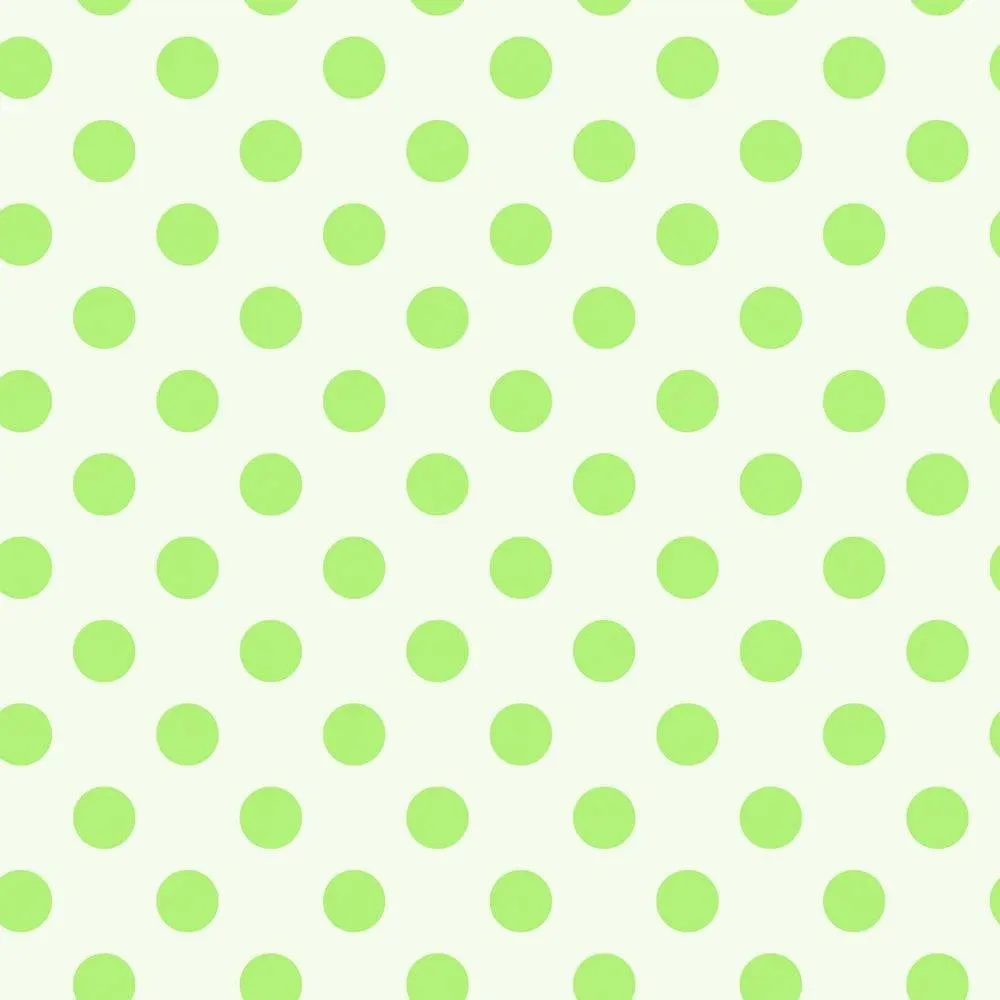
- Tula Pink Neon True Colors Pom Pom - Karma 1/2 yd: Tula Pink Neon True Colors Pom Pom in Karma is a 100% quilting-weight cotton print, 44/45 inches wide, sold by the 1/2 yard. A bold, playful print like this can make a simple strip quilt look intentional without a complicated layout, which suits beginners who want impact with less piecing.
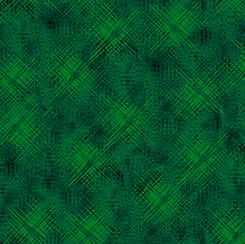
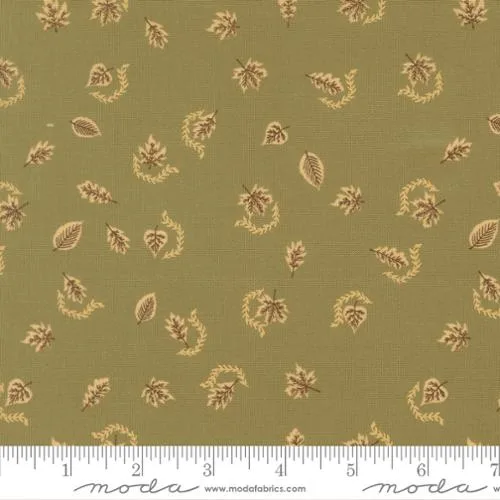
- Vertex – Frond Green (29513-F) 1/2 Yard: Vertex – Frond Green is a 100% cotton quilting-weight weave blender, 44/45 inches wide, sold by the 1/2 yard. Blenders like this work well when you want the pattern to show more than the fabric.
- Final Thoughts: For a first jelly roll quilt, the best pattern is the one that matches your time, your cutting comfort, and the size you need. A simple strip quilt or jelly roll race gives the fastest finish. A rail fence adds structure with one extra cutting step. Half-square triangles offer the most design variety but require the most trimming. If you are still unsure, start with a simple strip quilt: it uses the full roll, sews up quickly, and teaches the core skill of consistent seams. You can always add more complex blocks on your next quilt.
Who Each Pattern Fits
Best for
- Beginners who want a finished quilt top in a weekend
- Quilters who prefer straight seams and no triangle trimming
- Projects using a single jelly roll with 40 strips
Not for
- Quilters who want a planned, symmetrical layout with precise fabric placement
- Projects that require a specific finished size without adding borders or background fabric
- Sewists who dislike repetitive strip sewing or long seams
Pick the pattern that matches your time and comfort with cutting, not the one with the most impressive finished photo. For a first jelly roll quilt, a simple strip quilt or jelly roll race gets you to a finished top fastest. If you want more control, rail fence is the next step up, and half-square triangles reward the extra time with the most design options.