إجابة سريعة
معظم قطع الألعاب المفقودة تختفي أثناء اللعب أو التخزين، وليس في المصنع. قبل أن تلوم الناشر، افحص الحاوية الداخلية والأرضية وحقيبة أمسية اللعب. إذا كانت القطعة مفقودة حقًا، فتواصل مع الناشر لطلب قطعة بديلة؛ إذا كانت اللعبة خارج الطباعة أو اشتريتها مستعملة، فإن بديلًا عامًا أو قاعدة منزلية دقيقة هو الحل العملي عادةً.
تفتح الصندوق، وتجهّز اللوحة، وتصل إلى قطعة ليست موجودة. إنها واحدة من أكثر اللحظات إحباطًا في ألعاب الطاولة، وتحدث دائمًا تقريبًا في أسوأ وقت: عندما يكون الجميع مستعدًا للعب.
الخبر الجيد هو أن القطع المفقودة يمكن عادةً منعها، وعندما تختفي، لديك خيارات أكثر مما تظن. يشرح هذا الدليل الأسباب الحقيقية، والحلول التي تنجح، والنقطة التي يجب أن تتوقف فيها عن البحث وتستبدل القطعة فقط.
العَرَض: ينقصك قطعة عند تجهيز اللعبة
الخطوة الأولى هي التأكد مما هو مفقود فعلاً. قارن المكونات بقائمة المكونات في كتيب القواعد، وليس من الذاكرة. القطعة التي تظن أنها ضاعت قد تكون عالقة تحت الحشوة، أو داخل كيس بلاستيكي، أو ما زالت في لوحة القطع التي لم تفصلها بالكامل. افحص غطاء الصندوق، وقنوات الحشوة، وأي صوانٍ بلاستيكية قبل أن تعلن فقدانها.
إذا كان العدد ناقصًا، حدد بالضبط أي مكوّن مفقود وكم عدده. هذا التفصيل مهم عند التواصل مع الناشر، ويخبرك أيضًا ما إذا كانت الفجوة تجميلية أم تمنع اللعب. علامة النقاط المفقودة مزعجة؛ أما رمز الفصيل المفقود فقد يوقف اللعب تمامًا.
- قارن المكونات بقائمة القاعدة قبل افتراض فقدان قطعة.
- افحص الحشوة ولوحة الثقوب والأكياس أولاً.
- سجّل اسم المكوّن المفقود وكميته بدقة.
السبب المحتمل: عادات التخزين واللعب، وليس المصنع
نقص المصنع يحدث بالفعل، لكنه أندر مما يظن معظم اللاعبين. الأسباب الأكثر شيوعًا هي الأكياس غير المغلقة، وأغطية الصناديق المفتوحة، والقطع التي تتدحرج عن الطاولة أثناء اللعب. إذا كانت ألعابك في خزانة مع صناديق أخرى مكدسة فوقها، يمكن للقطع الصغيرة أن تزحزح من صوانيها وتنزلق إلى الصندوق الخطأ تمامًا.
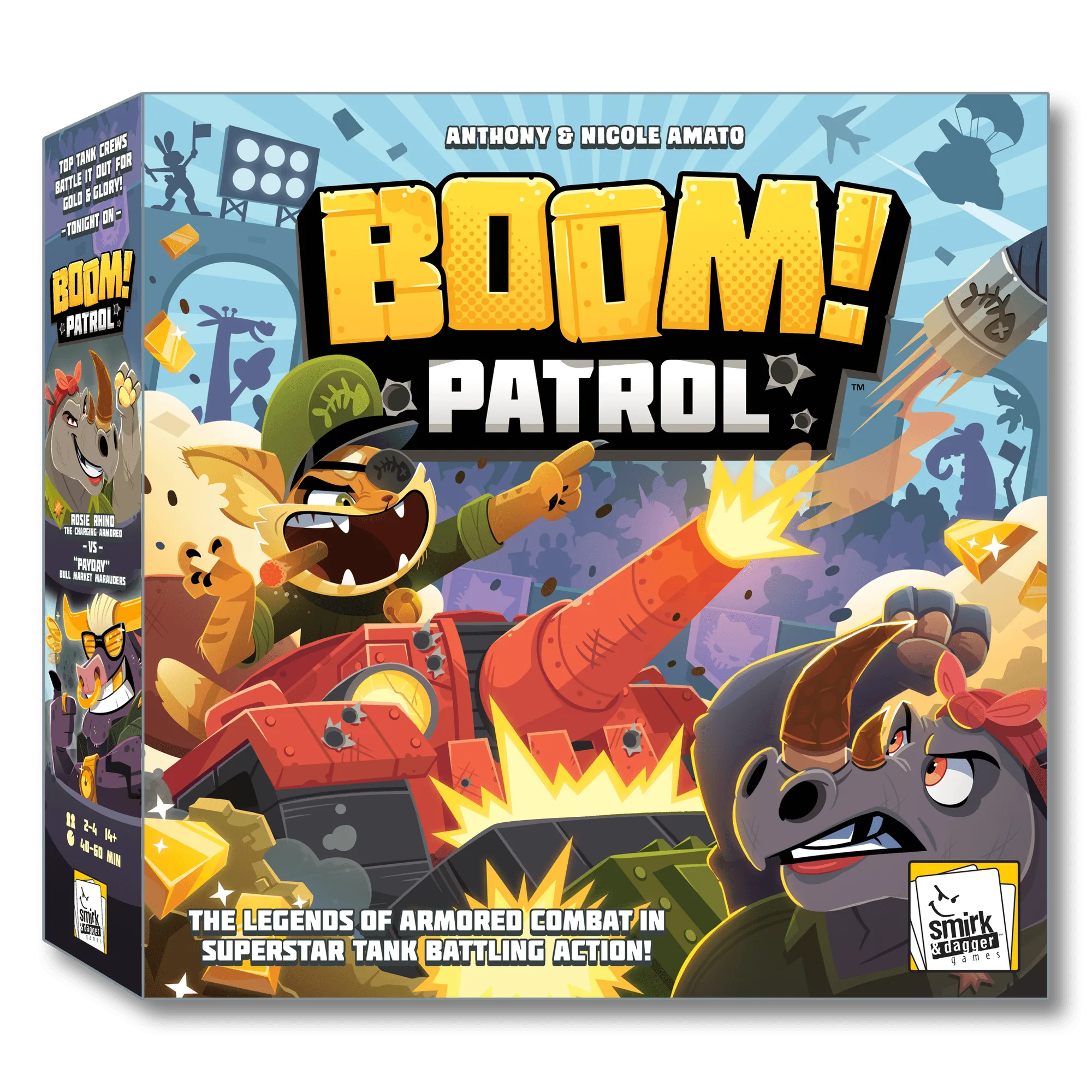
الألعاب التي تحتوي على قطع صغيرة كثيرة معرضة بشكل خاص. في لعبة Boom Patrol، على سبيل المثال، تستخدم اللعبة بطاقات أوامر مبرمجة وقوى خارقة إلى جانب مجسمات دبابات صغيرة، وهذه البطاقات والرموز الصغيرة هي بالضبط نوع القطع التي تضيع بين الجلسات. التنظيم الجيد للمكونات ليس مجرد ترتيب؛ إنه أفضل دفاع ضد فقدان قطع ألعاب الطاولة.
- استخدم أكياسًا قابلة للإغلاق أو منظم أجزاء صغيرة للرموز السائبة.
- خزّن الصناديق بشكل مسطح وتجنب تكديس الألعاب الثقيلة فوق الألعاب الأخف.
- قم بفحص سريع للمكونات بعد كل ليلة لعب.
الإجراء التصحيحي: ابحث عنها، استبدلها، أو ضع قاعدة بديلة
ابدأ ببحث شامل في منطقة اللعب. تحقق من تحت الطاولة، وداخل الكراسي، وعلى طول الألواح الجانبية. ثم افحص حقيبة اللعبة أو حقيبتك، لأن القطع غالباً ما تسقط في القاع أثناء النقل. إذا كنت تستضيف ليالي الألعاب، اسأل مجموعتك المعتادة عما إذا كانت قطعة ما قد انتهت في صندوق شخص آخر بعد جلسة ألعاب مختلطة.
If the piece is genuinely gone, contact the publisher's customer service with your game title, the component name, and your proof of purchase. Many publishers stock replacement parts for in-print games. For older or out-of-print titles, look for a used copy being sold for parts, or substitute a generic token that matches the function. A missing game piece solution doesn't have to be perfect; it just has to let you play.
- Search the play area, game bag, and other boxes before giving up.
- Contact the publisher with the exact component name and proof of purchase.
- For out-of-print games, a generic substitute or a clear house rule is a valid fix.
Prevention: build a simple component routine
The most reliable way to prevent losing game pieces is to make cleanup part of the game itself. Before anyone leaves the table, do a 60-second component check. Put loose pieces back in their baggies, close the box, and store it in the same place every time. This one habit prevents most missing-piece problems.
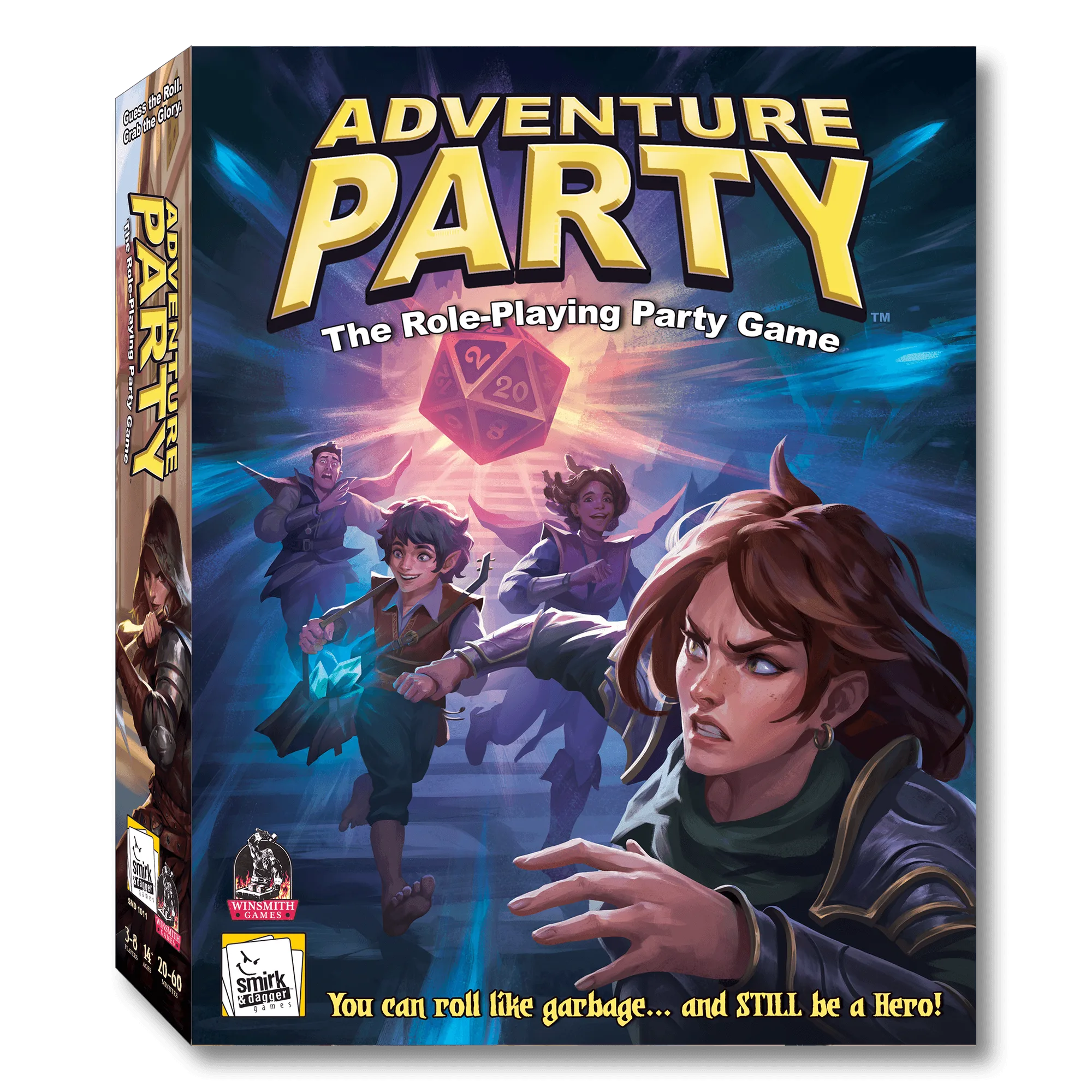
For games with lots of small parts, consider a dedicated storage solution. A bead organizer or a small tackle box keeps tokens separated and makes counting at setup fast. Board game piece storage doesn't need to be expensive; it needs to be consistent. If a game has a player screen or hidden components, like Adventure Party, keep each player's pieces in their own bag so nothing gets mixed into the wrong set.
- Do a 60-second component check before the box closes.
- Use a bead organizer or tackle box for games with many small tokens.
- Keep each player's pieces separate when the game uses hidden information.
When to stop searching and choose another option
Set a time limit on the search. If you've checked the box, the play area, and your game bag, and the piece hasn't turned up, stop. Continuing to hunt wastes game night and rarely works. At that point, decide between a publisher replacement, a used-parts copy, or a substitute token.
If none of those options are available and the missing piece is essential, it may be time to retire that copy and look for a new one. That's not a failure; it's a practical call. A game you can't play isn't doing you any good on the shelf, and a replacement copy often costs less than the time you'd spend chasing a single token.
- Cap your search at 15 minutes, then move to replacement options.
- If the missing piece is essential and no replacement exists, consider a new copy.
- Don't let a missing piece turn game night into a scavenger hunt.
Missing piece diagnosis: cause, action, and when to stop
- Symptom: piece missing at setup: Count components against the rulebook and check the insert, punchboard, and baggies before assuming it's gone. If the count matches, the piece isn't missing; you just haven't found it yet.
- Likely cause: storage or play loss: Loose baggies, stacked boxes, and pieces that roll off the table are the usual culprits, not factory shortages. Fix your storage routine first; it prevents most future losses.
- Corrective action: replace or substitute: Contact the publisher with the exact component name and proof of purchase. For out-of-print games, use a generic token or a clear house rule. If no replacement exists and the piece is essential, consider buying a new copy.
- Stop point: when to stop searching: After 15 minutes of searching the box, play area, and game bag, stop and move to replacement options. A missing piece shouldn't cost you the whole game night.
Component examples from games we carry
- Boom Patrol - Superstar Tank Battling Action!: Features an intuitive movement system and programmed command cards, plus animal tank captains with unique abilities. Small command cards and tokens are easy to lose, so bagging them separately after each game protects the game's core mechanics.
- Adventure Party: The Role-Playing Party Game: A cooperative party-weight guessing game where players roll a 20-sided die behind a player screen. The player screens and dice are essential components; storing each player's die with their screen prevents mix-ups and missing pieces.
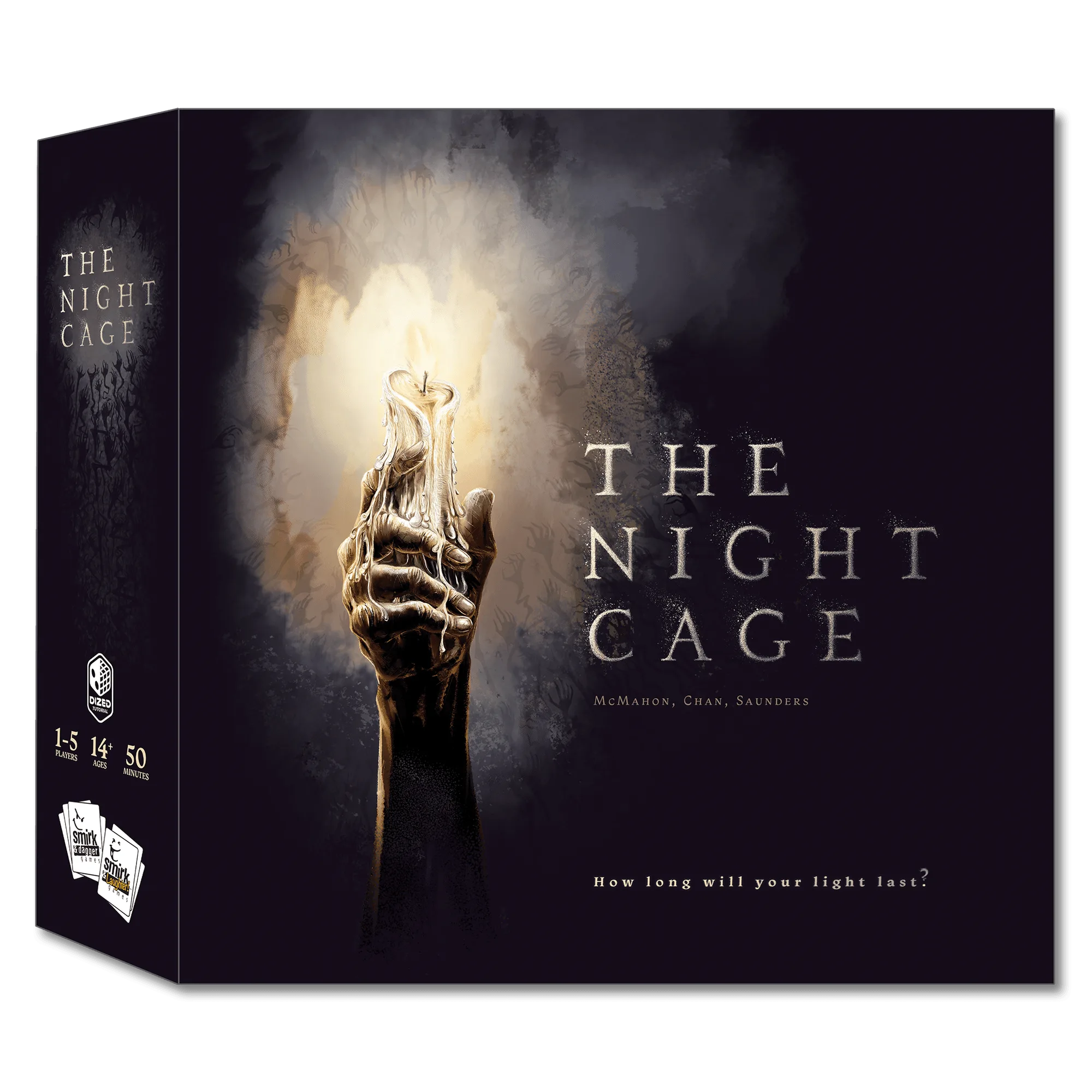
- The Night Cage: A fully cooperative, horror-themed tile-placement game for 1 to 4 players with a candle as the key component. Tile-placement games have many identical-looking pieces, so counting tiles against the rulebook at setup is the fastest way to spot a missing one.
Missing pieces are almost always a storage problem, not a manufacturing one. Count your components, bag the small parts, and do a quick sweep after every session. If something does disappear, contact the publisher or substitute a token and get back to playing. Your game night is worth more than a perfect component count.