빠른 답변
대부분의 보드게임 부품 분실은 공장이 아니라 플레이 중이나 보관 중에 발생합니다. 출판사를 탓하기 전에 인서트, 바닥, 게임 가방을 확인하세요. 부품이 정말로 없다면 출판사에 연락해 교체 부품을 요청하세요. 절판된 게임이거나 중고로 구매한 경우에는 범용 대체품이나 신중한 하우스 룰이 현실적인 해결책입니다.
상자를 열고 보드를 세팅한 뒤, 토큰을 집으려는데 그 자리에 없습니다. 테이블탑 게임에서 가장 답답한 순간 중 하나이며, 거의 항상 최악의 타이밍에 발생합니다. 바로 모두가 게임을 시작할 준비가 된 순간이죠.
좋은 소식은 분실된 게임 조각은 대개 예방할 수 있고, 실제로 사라졌을 때도 생각보다 많은 해결 방법이 있다는 것입니다. 이 가이드에서는 실제 원인, 효과적인 해결책, 그리고 언제 더 찾는 것을 멈추고 부품을 교체해야 하는지 설명합니다.
증상: 세팅 중 조각이 부족합니다
첫 번째 단계는 실제로 무엇이 없는지 확인하는 것입니다. 기억에 의존하지 말고 규칙서의 구성품 목록과 대조해 부품을 세어 보세요. 잃어버렸다고 생각한 조각이 인서트 아래, 지퍼백 안, 또는 완전히 분리하지 않은 펀치보드에 남아 있을 수 있습니다. 잃어버렸다고 판단하기 전에 상자 뚜껑, 인서트 채널, 플라스틱 트레이를 확인하세요.
If the count is short, note exactly which component is missing and how many. That detail matters when you contact a publisher, and it also tells you whether the gap is cosmetic or game-breaking. A missing score marker is annoying; a missing faction token can stop play entirely.
- Count components against the rulebook list before assuming a piece is lost.
- Check the insert, punchboard, and baggies first.
- Record the exact component name and quantity missing.
Likely cause: storage and play habits, not the factory
Factory shortages do happen, but they're rarer than most players assume. The more common culprits are loose baggies, open box lids, and pieces that roll off the table during play. If your games live in a closet with other boxes stacked on top, small tokens can shift out of their trays and slip into the wrong box entirely.
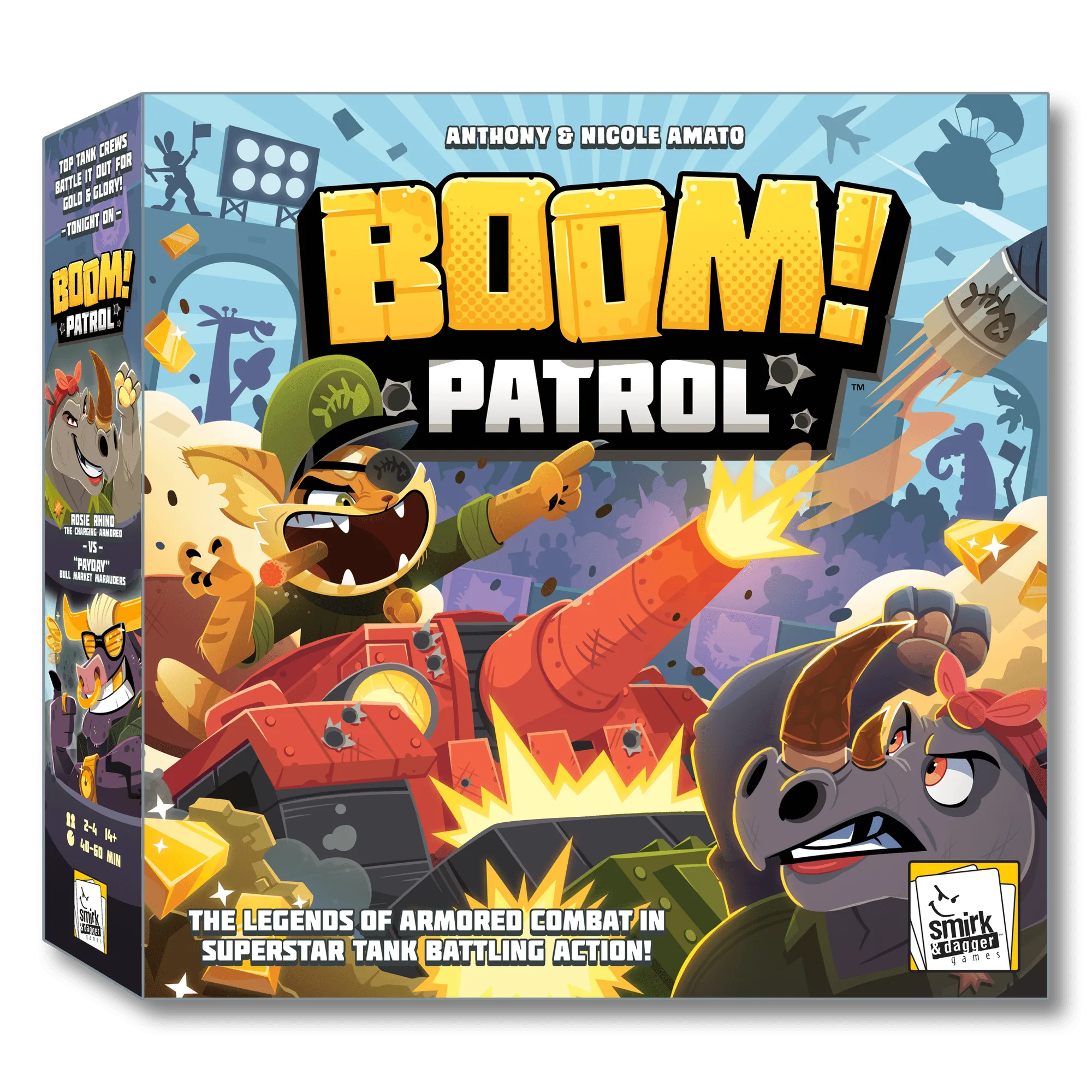
Games with many small pieces are especially vulnerable. In Boom Patrol, for example, the game uses programmed command cards and power-ups alongside tank miniatures, and those small cards and tokens are exactly the kind of components that go missing between sessions. Good component organization isn't just tidiness; it's the single best defense against lost board game pieces.
- Use resealable baggies or a small parts organizer for loose tokens.
- Store boxes flat and avoid stacking heavy games on top of lighter ones.
- Do a quick component sweep after every game night.
Corrective action: find it, replace it, or rule around it
Start with a full search of your play space. Check under the table, inside chairs, and along the baseboards. Then check your game bag or tote, because pieces often fall into the bottom during transport. If you host game nights, ask your regular group whether a piece ended up in someone else's box after a mixed-game session.
If the piece is genuinely gone, contact the publisher's customer service with your game title, the component name, and your proof of purchase. Many publishers stock replacement parts for in-print games. For older or out-of-print titles, look for a used copy being sold for parts, or substitute a generic token that matches the function. A missing game piece solution doesn't have to be perfect; it just has to let you play.
- Search the play area, game bag, and other boxes before giving up.
- Contact the publisher with the exact component name and proof of purchase.
- For out-of-print games, a generic substitute or a clear house rule is a valid fix.
Prevention: build a simple component routine
The most reliable way to prevent losing game pieces is to make cleanup part of the game itself. Before anyone leaves the table, do a 60-second component check. Put loose pieces back in their baggies, close the box, and store it in the same place every time. This one habit prevents most missing-piece problems.
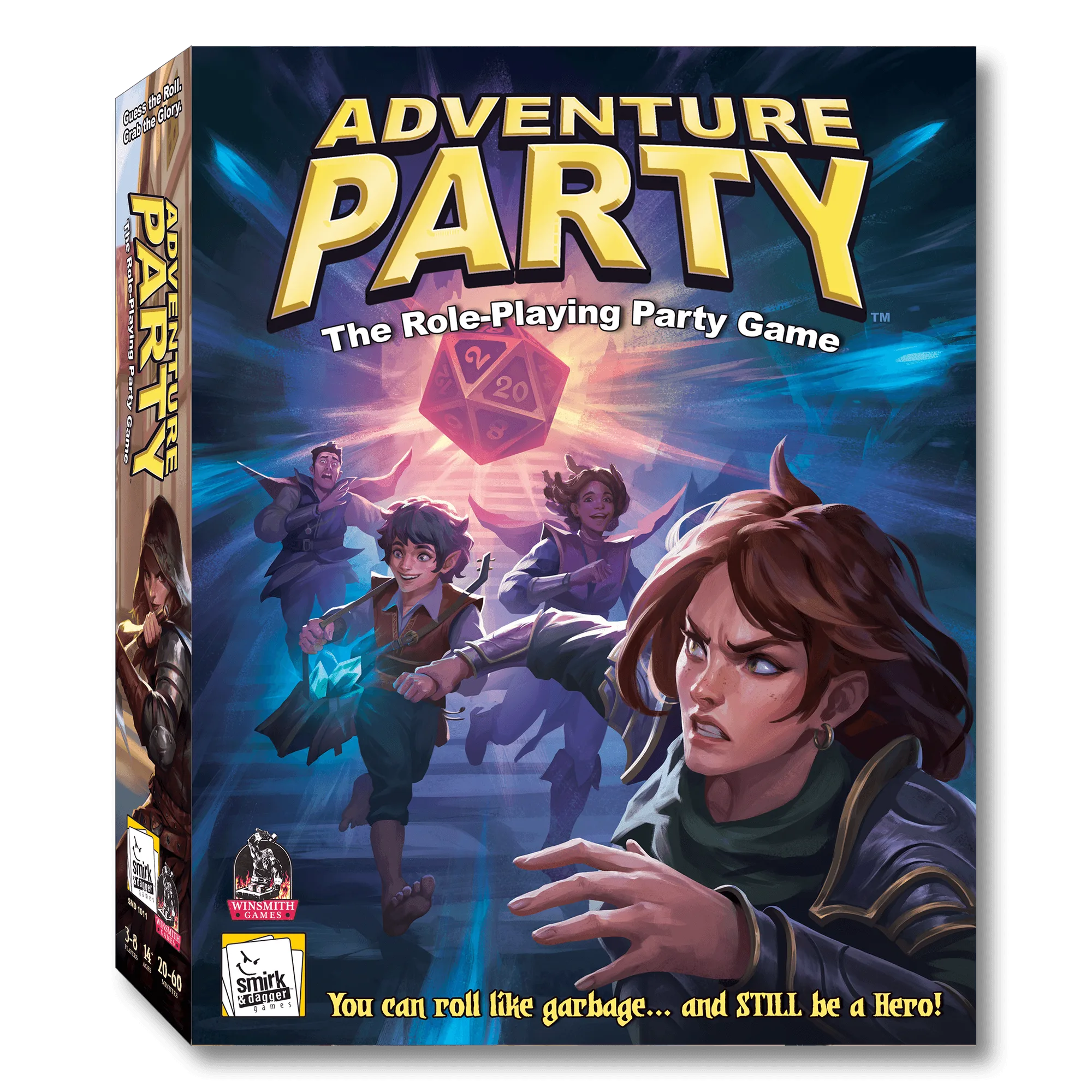
For games with lots of small parts, consider a dedicated storage solution. A bead organizer or a small tackle box keeps tokens separated and makes counting at setup fast. Board game piece storage doesn't need to be expensive; it needs to be consistent. If a game has a player screen or hidden components, like Adventure Party, keep each player's pieces in their own bag so nothing gets mixed into the wrong set.
- Do a 60-second component check before the box closes.
- Use a bead organizer or tackle box for games with many small tokens.
- Keep each player's pieces separate when the game uses hidden information.
When to stop searching and choose another option
Set a time limit on the search. If you've checked the box, the play area, and your game bag, and the piece hasn't turned up, stop. Continuing to hunt wastes game night and rarely works. At that point, decide between a publisher replacement, a used-parts copy, or a substitute token.
If none of those options are available and the missing piece is essential, it may be time to retire that copy and look for a new one. That's not a failure; it's a practical call. A game you can't play isn't doing you any good on the shelf, and a replacement copy often costs less than the time you'd spend chasing a single token.
- Cap your search at 15 minutes, then move to replacement options.
- If the missing piece is essential and no replacement exists, consider a new copy.
- Don't let a missing piece turn game night into a scavenger hunt.
Missing piece diagnosis: cause, action, and when to stop
- Symptom: piece missing at setup: Count components against the rulebook and check the insert, punchboard, and baggies before assuming it's gone. If the count matches, the piece isn't missing; you just haven't found it yet.
- Likely cause: storage or play loss: Loose baggies, stacked boxes, and pieces that roll off the table are the usual culprits, not factory shortages. Fix your storage routine first; it prevents most future losses.
- Corrective action: replace or substitute: Contact the publisher with the exact component name and proof of purchase. For out-of-print games, use a generic token or a clear house rule. If no replacement exists and the piece is essential, consider buying a new copy.
- Stop point: when to stop searching: After 15 minutes of searching the box, play area, and game bag, stop and move to replacement options. A missing piece shouldn't cost you the whole game night.
Component examples from games we carry
- Boom Patrol - Superstar Tank Battling Action!: Features an intuitive movement system and programmed command cards, plus animal tank captains with unique abilities. Small command cards and tokens are easy to lose, so bagging them separately after each game protects the game's core mechanics.
- Adventure Party: The Role-Playing Party Game: A cooperative party-weight guessing game where players roll a 20-sided die behind a player screen. The player screens and dice are essential components; storing each player's die with their screen prevents mix-ups and missing pieces.
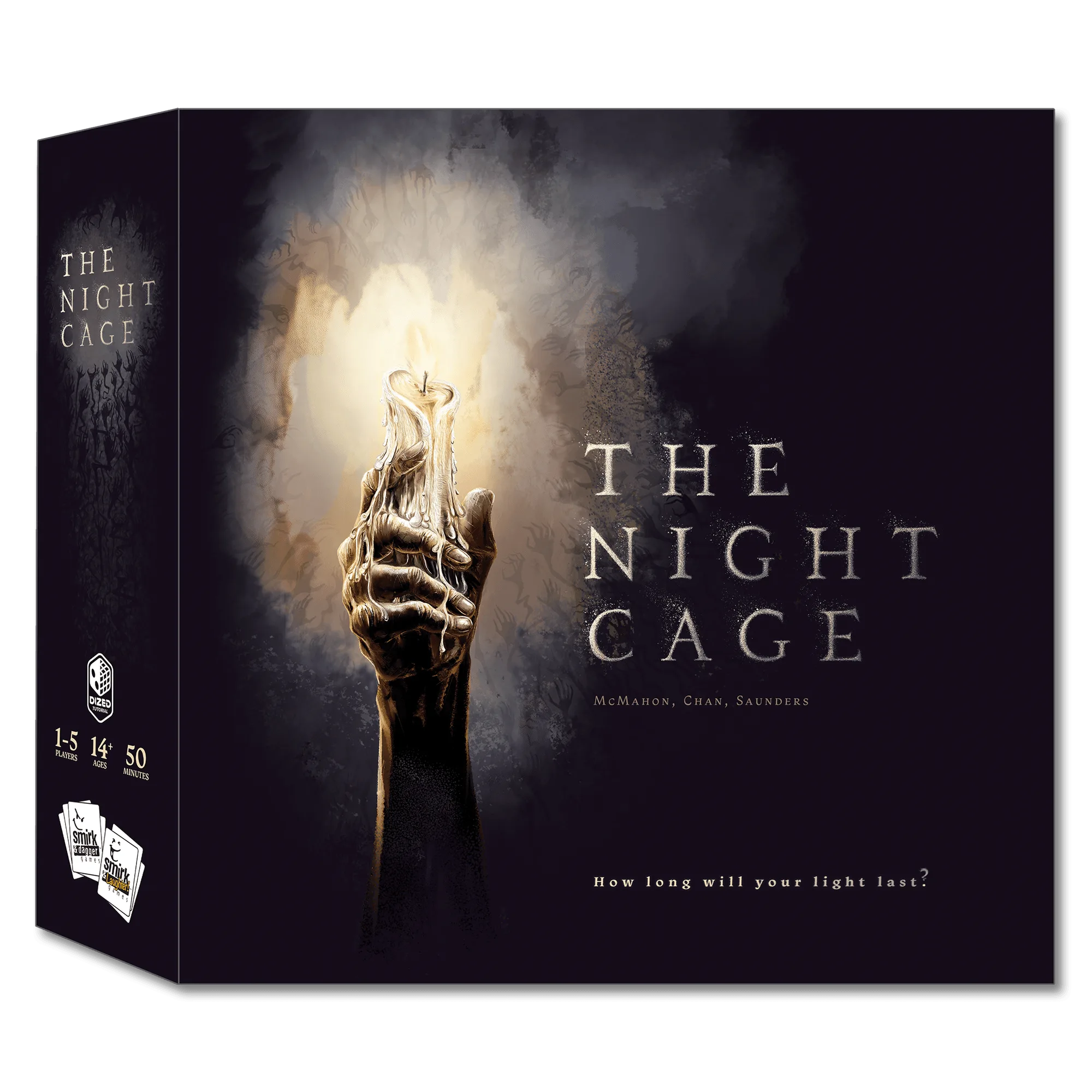
- The Night Cage: A fully cooperative, horror-themed tile-placement game for 1 to 4 players with a candle as the key component. Tile-placement games have many identical-looking pieces, so counting tiles against the rulebook at setup is the fastest way to spot a missing one.
Missing pieces are almost always a storage problem, not a manufacturing one. Count your components, bag the small parts, and do a quick sweep after every session. If something does disappear, contact the publisher or substitute a token and get back to playing. Your game night is worth more than a perfect component count.