إجابة سريعة
اشترِ المقاس الذي يناسب قياسات طفلك اليوم، وليس المقاس الذي تأمل أن يكبر إليه — فطقم فستان الخريف الأكبر من اللازم ينزلق عن الكتفين، ويتجمع عند الخصر، ويرفضه الطفل. أعطِ الأولوية لطبقة أساسية ناعمة قابلة للتنفس، وقصّة واسعة عبر الصدر والوركين، وحاشية تعلو الركبة بحيث تتناسب مع اللباس الضيق الآن والجوارب الطويلة لاحقًا. إذا كنت بين مقاسين، فاختاري المقاس الأكبر فقط عندما يحتوي الطقم على خصر قابل للتعديل أو أكمام قابلة للطيّ.
Autumn is the trickiest season to dress a child for. Mornings are cold, afternoons are warm, and indoor classrooms swing between both. A dress set that only works at one temperature ends up in the bottom of the drawer by October.
This guide walks through the decisions that actually matter when you're choosing a kids autumn clothing set: what fit to buy, which fabrics earn their place, how to layer without bulk, and where to spend versus save. It's written for parents shopping online who can't hold the garment first — so the rules are based on measurements and construction details you can check from a product page.
Start with measurements, not age labels
Age labels on children's clothing are a rough average, not a specification. A 4-year-old can comfortably wear anything from a 3 to a 5 depending on height and build. Before you compare dress set sizing, measure three things: chest circumference at the fullest point, total height, and shoulder-to-knee length. Write them down and keep them in your phone notes — you'll reuse them for every autumn purchase.
The most common fit failure in autumn dress sets is a bodice that's long enough but too narrow, or wide enough but too short. If the product page lists only one measurement, treat it as a starting point and check the return window before ordering. When a brand publishes chest and length together, trust those numbers over the age tag.
- Measure over a light t-shirt, not a thick sweater, so the numbers reflect what the set will actually layer over.
- Re-measure every 8–10 weeks during a growth spurt; autumn sizing decisions go stale fast.
- If only one size is left and it's at the edge of your measurements, decide based on the return policy, not hope.
Fabric choices that survive real autumn days
For the base layer of an autumn dress set for kids, look for cotton, cotton-blend jersey, or a soft brushed knit. These breathe during indoor play and don't trap sweat the way synthetic lining does. Corduroy and heavier woven cottons work well as the outer dress because they hold shape and block wind, but they need a smooth lining or a base layer underneath to avoid itching.
Wool blends add warmth but demand more careful washing, and some children find them prickly at the neck and wrists. If your child is sensory-sensitive, choose a smooth cotton outer with a jersey lining and add warmth through tights or leggings instead. There's no single right fabric — the trade-off is warmth and durability versus ease of care and comfort.
- Check the care label before buying: machine-washable at 30°C is a realistic baseline for autumn pieces worn several times a week.
- Avoid heavily embellished fronts on everyday sets; sequins and glued-on trim are the first things to fail.
- If the fabric composition isn't listed, ask before ordering — it's a legitimate gap, not a detail you should guess at.
Layering rules that keep the set wearable from September to November
The most useful autumn dress set is one that works across three temperatures: alone on a mild day, over a long-sleeve tee on a cool day, and under a cardigan or lightweight jacket on a cold one. That means the bodice should have a little ease — roughly a finger's width of room at the chest — so a base layer doesn't pull the seams.
Sleeve length is the detail parents overlook most. A sleeve that ends exactly at the wrist leaves no room for a long-sleeve tee underneath, and it rides up the moment your child reaches for something. Look for sleeves that finish just past the wrist bone, or a cut that's designed to be worn over another layer.
- Test the layer plan before you buy: if you can't name the two pieces you'd add underneath, the set may only work for a narrow window.
- Choose darker hems and cuffs if your child plays outdoors daily — they hide mud far better than pale trim.
- A slightly A-line skirt layers over leggings more easily than a straight cut.
Construction details worth paying for
Two features justify a higher price in kids' autumn clothing: a lined bodice and a properly finished hem. A lined bodice prevents the scratchy feel of exposed seams and helps the dress hold its shape after washing. A deep hem — around 5 cm or more — can be let down once, which effectively extends the set by a season during a growth spurt.
Adjustable waistbands, elasticated backs, and generous armholes are the other markers of a set that will still fit in six weeks. If a product page doesn't mention any of these, assume a standard straight cut and buy to your current measurements rather than sizing up.
- Check whether buttons or zips are on the back or front; back closures are harder for children to manage independently at preschool.
- Reinforced side seams matter if the set will be worn for climbing and crawling.
- If you're comparing two similar sets, the one with more fit adjustment is usually the better long-term buy.
Where a dress set fits into a play-and-toy routine
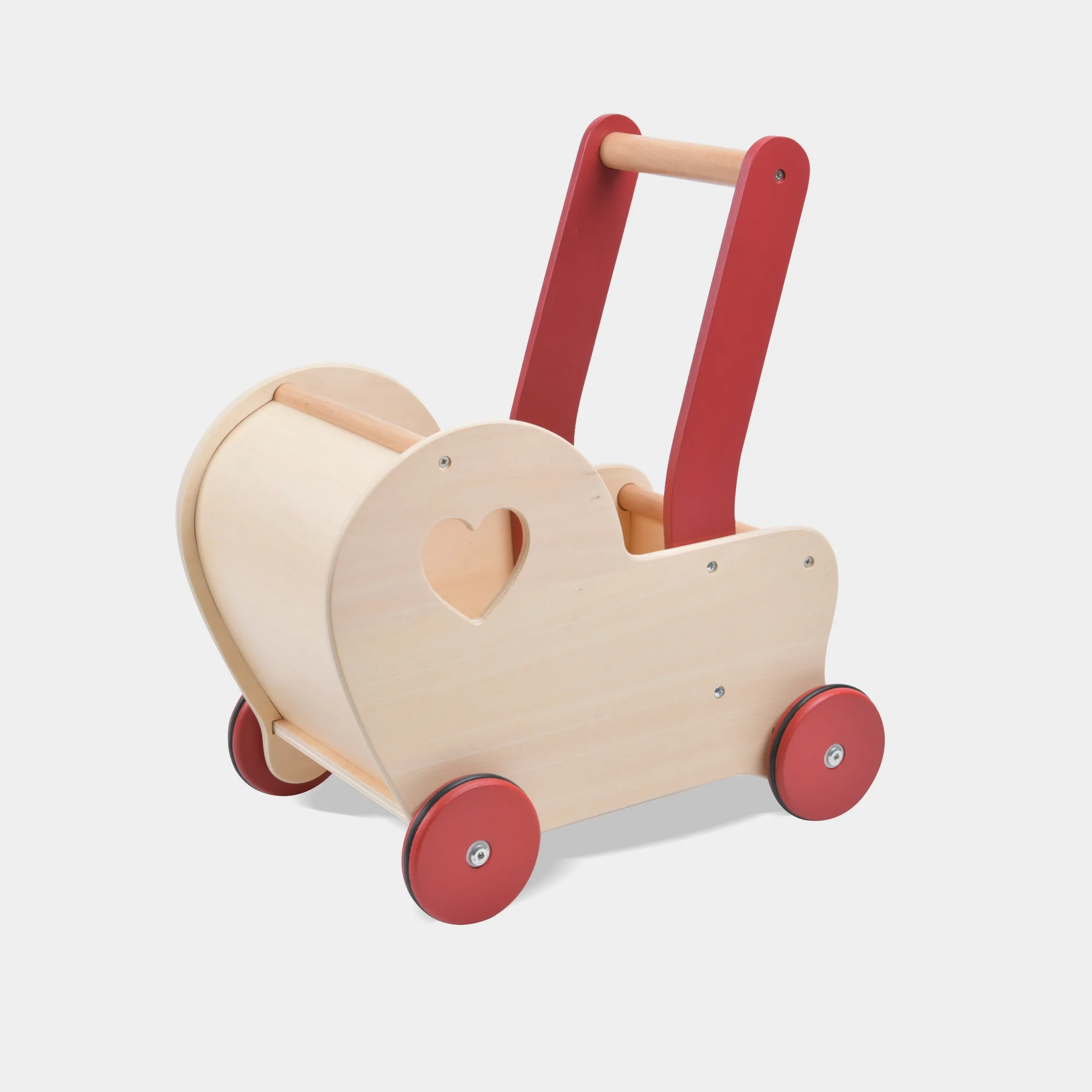
Autumn clothing gets tested by play, not by standing still. If your child spends afternoons pushing a dolls stroller around the garden or setting up small-world scenes on the floor, a dress that restricts kneeling or squatting will be abandoned within minutes. Look for a skirt that clears the knee and a bodice that doesn't ride up when arms are raised.
The same principle applies indoors. A set that's comfortable enough for floor play is more likely to stay on through the whole afternoon, which means fewer changes and less laundry. Practicality and style aren't in conflict here — the best autumn dress sets are the ones children forget they're wearing.
- Squat test: if the hem touches the floor when your child crouches, it's too long for active play.
- Choose a set with pockets if your child likes carrying small toys around.
- Keep one 'good' set aside for occasions and let the everyday set take the wear.
Decision rules for buying an autumn dress set
- If your child is between two sizes: Choose the smaller size when the set has no adjustable waist or deep hem, because an oversized bodice slips off shoulders and gets refused. Choose the larger size only when the product page confirms an adjustable waistband or a hem you can let down. Adjustability is the deciding factor, not the age label.
- If your child plays on the floor every day: Prioritize a hem that clears the knee and a bodice with a finger's width of ease at the chest. Longer, fitted silhouettes look neat but restrict kneeling and squatting, which is how most autumn play actually happens. Movement-friendly fit beats a longer line for daily wear.
- If the fabric composition isn't listed: Don't assume it's cotton. Ask the seller or check the care label photo before ordering, especially if your child has sensitive skin or you need machine-washable fabric for frequent wear. An unlisted composition is a real limitation — treat it as a reason to pause, not to guess.
- If you're buying for one season only: Spend on the base layer and the seams, not the embellishment. A lined bodice and reinforced side seams survive repeated washing and outdoor wear; decorative trim usually doesn't. The most common fit failure in autumn dress sets is a bodice that's long enough but too narrow, or wide enough but too short. If the product page lists only one measurement, treat it as a starting point and check the return window before ordering. When a brand publishes chest and length together, trust those numbers over the age tag.
- Measure over a light t-shirt, not a thick sweater, so the numbers reflect what the set will actually layer over. Re-measure every 8–10 weeks during a growth spurt; autumn sizing decisions go stale fast. If only one size is left and it's at the edge of your measurements, decide based on the return policy, not hope.
Fabric choices that survive real autumn days
- For the base layer of an autumn dress set for kids, look for cotton, cotton-blend jersey, or a soft brushed knit. These breathe during indoor play and don't trap sweat the way synthetic lining does. Corduroy and heavier woven cottons work well as the outer dress because they hold shape and block wind, but they need a smooth lining or a base layer underneath to avoid itching.: Wool blends add warmth but demand more careful washing, and some children find them prickly at the neck and wrists. If your child is sensory-sensitive, choose a smooth cotton outer with a jersey lining and add warmth through tights or leggings instead. There's no single right fabric — the trade-off is warmth and durability versus ease of care and comfort.
- Check the care label before buying: machine-washable at 30°C is a realistic baseline for autumn pieces worn several times a week.: Avoid heavily embellished fronts on everyday sets; sequins and glued-on trim are the first things to fail.
- If the fabric composition isn't listed, ask before ordering — it's a legitimate gap, not a detail you should guess at.: Layering rules that keep the set wearable from September to November
- The most useful autumn dress set is one that works across three temperatures: alone on a mild day, over a long-sleeve tee on a cool day, and under a cardigan or lightweight jacket on a cold one. That means the bodice should have a little ease — roughly a finger's width of room at the chest — so a base layer doesn't pull the seams.: Sleeve length is the detail parents overlook most. A sleeve that ends exactly at the wrist leaves no room for a long-sleeve tee underneath, and it rides up the moment your child reaches for something. Look for sleeves that finish just past the wrist bone, or a cut that's designed to be worn over another layer.
Test the layer plan before you buy: if you can't name the two pieces you'd add underneath, the set may only work for a narrow window.
Choose darker hems and cuffs if your child plays outdoors daily — they hide mud far better than pale trim.
- A slightly A-line skirt layers over leggings more easily than a straight cut.
- Families who want one autumn dress set that layers across mild, cool, and cold days
- Children aged roughly 2–6 who play actively indoors and outdoors and need a movement-friendly cut
Not for
- Parents looking for a formal occasion outfit where a longer, more fitted silhouette matters more than play comfort
- Shoppers who want a single set to last multiple years — children's growth makes that unrealistic regardless of construction
- Buyers who won't check fabric composition or care labels and prefer to choose on appearance alone
A good autumn dress set comes down to three things you can check before you buy: measurements that match your child today, a fabric and lining that suit your child's skin and your laundry routine, and a cut that lets them kneel, reach, and play without adjusting. Get those right and the set earns its place from the first cool morning to the last one.