クイックアンサー
木製の動物玩具は数を減らし、名前を呼んで持ち運べるフィギュアと、そのフィギュアの住まいになるセットという、2つの役割を果たすものを選びましょう。最初の安全な購入品として迷ったら、小さな動物フィギュアと簡単な積み木やマッチングトイから始めてください。お子様が実際に手に取る動物が分かってから、背景やストーリーセットを追加しましょう。
多くの木製動物玩具が失敗するのは、退屈な理由です。それは、遊びではなく飾りとして買われているからです。棚から決して離れない美しいフィギュアは、子どもが毎日使う3つのおもちゃよりも価値がありません。このガイドは、場所を確保する価値のある少数の動物玩具を選ぶためのものです。
良い知らせは、木製の動物フィギュアが異常に柔軟であることです。同じキツネが、農場の動物にも、森の探検家にも、数えるためのカウンターにもなります。コツは、おもちゃの役割を子どもの現在の段階に合わせ、遊びを置き換えるのではなく広げるピースを追加することです。
動物からではなく、役割から始める
種類を見る前に、おもちゃに何をさせるかを決めましょう。持ち歩いたり名前を呼んだりするフィギュアは、語彙を増やしている幼児に合います。積み重ねやマッチングの玩具は、色・数字・手先のコントロールを学ぶ子どもに合います。情景ピースは、すでに物語を考え出して舞台を必要とする子どもに合います。役割に合わせて買うことで、同じことをする動物を集めてしまうよくある失敗を防げます。
This is why a mixed first order often works better than a themed one. One figure, one skill-building toy and one piece of scenery cover naming, matching and storytelling without duplicating any of them. You can always add more animals later, and by then you will know which ones your child reaches for.
- Write down the job before you shop: carry, stack, count or tell stories.
- If two toys do the same job, buy the one your child can use today.
Figures, stackers and sets: what each type is for
Wooden animal figures are the simplest purchase and the easiest to justify. They are open-ended, they survive being dropped, and they work with whatever else you already own. Their limitation is that a plain figure offers no built-in challenge, so it depends on your child supplying the imagination.
Stacking and matching toys add a task: sort the rings, match the bodies, count the pieces. That structure helps children who need a goal, and it gives you something concrete to talk about together. The trade-off is narrower play; once the puzzle is solved, some children move on quickly. Scenery and story sets sit in the middle, giving figures a place to be without dictating what happens there.
- Buy one structured toy for every two open-ended figures if your child likes goals.
- Skip scenery until your child already acts out stories with plain figures.
Age and stage rules that actually change your choice
For children under three, prioritize chunky pieces with no small parts and toys that survive mouthing and throwing. Stackers and matching toys usually win here because the play is physical and immediate. For ages three to five, figures and simple scenery take over as pretend play grows. Above five, the same figures stay useful but the value shifts to storytelling, sorting games and collections.
A useful rule: if a toy needs an explanation before a child can use it, it is probably a year too early. Buy the simpler version now and let the child grow into the more complex set. This keeps the toy cupboard honest and your spending lower.
- Under three: choose chunky, single-purpose pieces with no loose small parts.
- Ages three to five: add figures and one scenery piece for pretend play.
- Ages five and up: figures become story props and sorting collections.
Materials, finishes and what the listing does not tell you
Solid wood with a painted or printed finish is the norm for quality animal toys, and it is what you should expect at this price level. What listings often omit is the finish type, the wood species and whether the paint is water-based. If a specification is missing, treat that as a decision limitation rather than a hidden feature, and ask the seller before buying if it matters to you.
The practical check is simpler than the chemistry: look for smooth edges, firmly fixed paint and pieces too large to swallow. If a toy arrives with a strong solvent smell or flaking finish, that is a return, not a project. Care is straightforward too, which is why these toys last through more than one child.
- Ask about finish and wood type if the listing is silent.
- Check edges and paint adhesion when the parcel arrives, not months later.
How to build a collection without wasting money
The cheapest collection is the one you stop adding to. Pick a theme your child already talks about, then add one piece at a time and watch what happens. If a new animal joins the game within a week, the theme is right. If it sits untouched, the theme was yours, not theirs.
Storage matters more than parents expect. A shallow tray or open basket keeps figures visible and usable, while a deep lidded box turns them into a chore. Keep the current favorites out and rotate the rest; a figure that reappears after a month feels new again without costing anything.
- Add one piece at a time and judge it after a week of play.
- Store figures in a shallow open tray so they stay in sight and in use.
Decision rules for buying wooden animal toys
- If your child is under three: Choose chunky, single-purpose toys such as a stacker or matching cube, and avoid sets with small loose pieces. Prioritize durability and hand control over scenery.
- If your child already invents stories: Buy figures plus one scenery piece, such as a hill or farm setting, rather than more individual animals. Scenery multiplies the value of figures you already own.
- If you are buying a first gift: Pair one animal figure with one structured toy so the gift covers both open-ended and goal-based play. Two complementary toys beat one large set.
- If the listing omits materials or finish: Ask the seller before buying, and treat the missing detail as a limitation rather than assuming quality. Unstated specifications are a reason to check, not to guess.
Product facts worth knowing
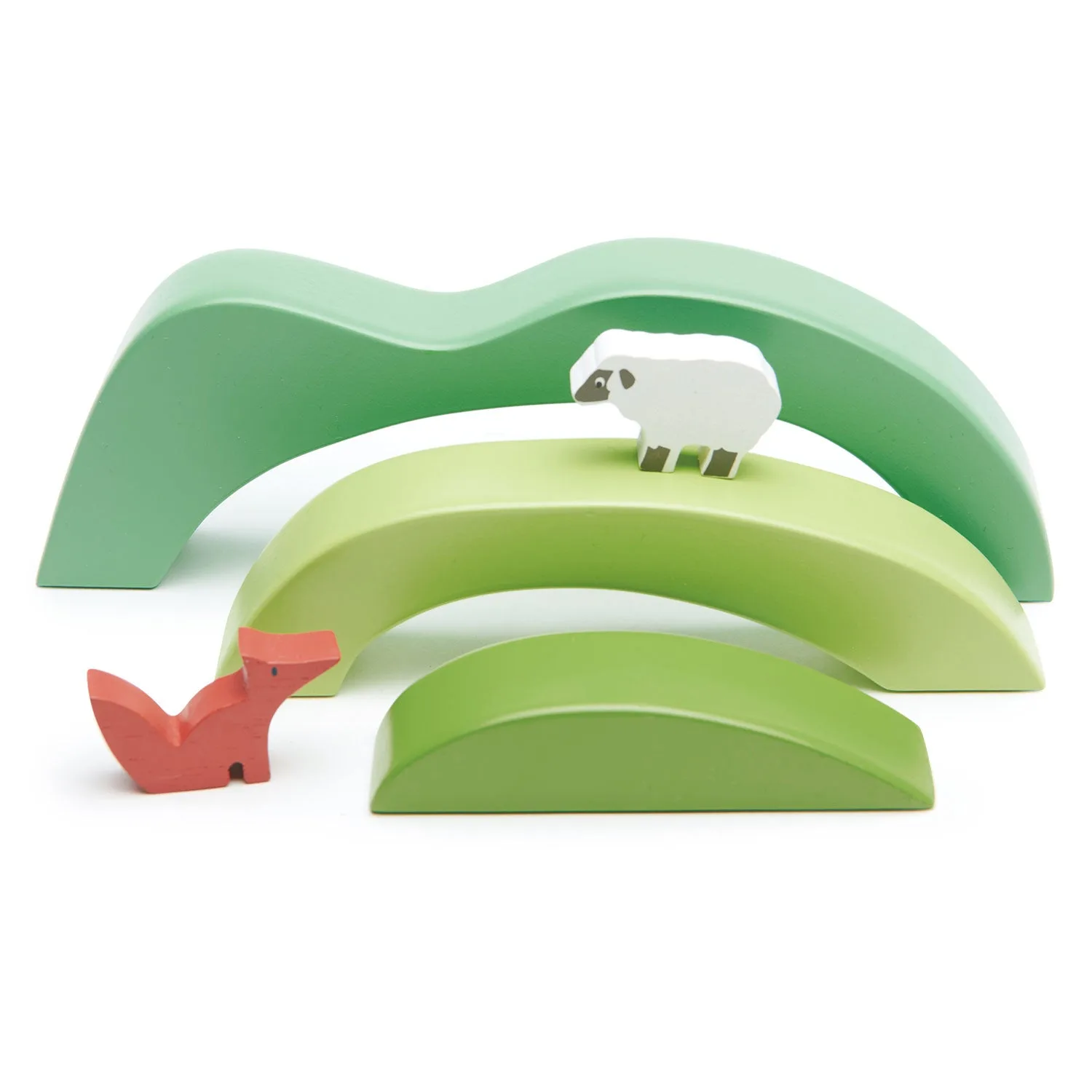
- Green Hills View: Three green solid wood hills for open-ended play, and the set includes a fox and a sheep. This is scenery plus two figures in one purchase, so it gives a plain animal collection somewhere to live without buying a separate play mat.
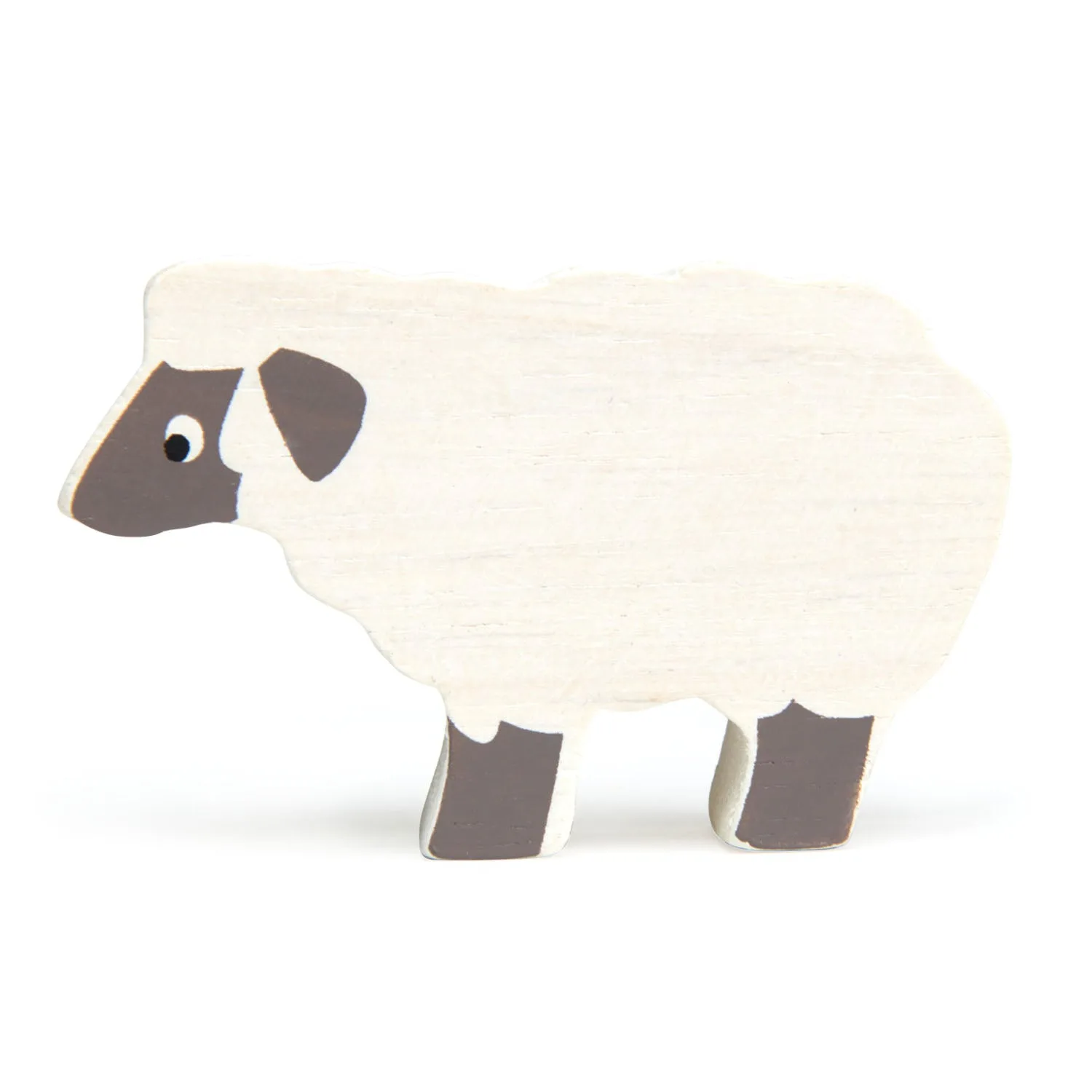
sheep
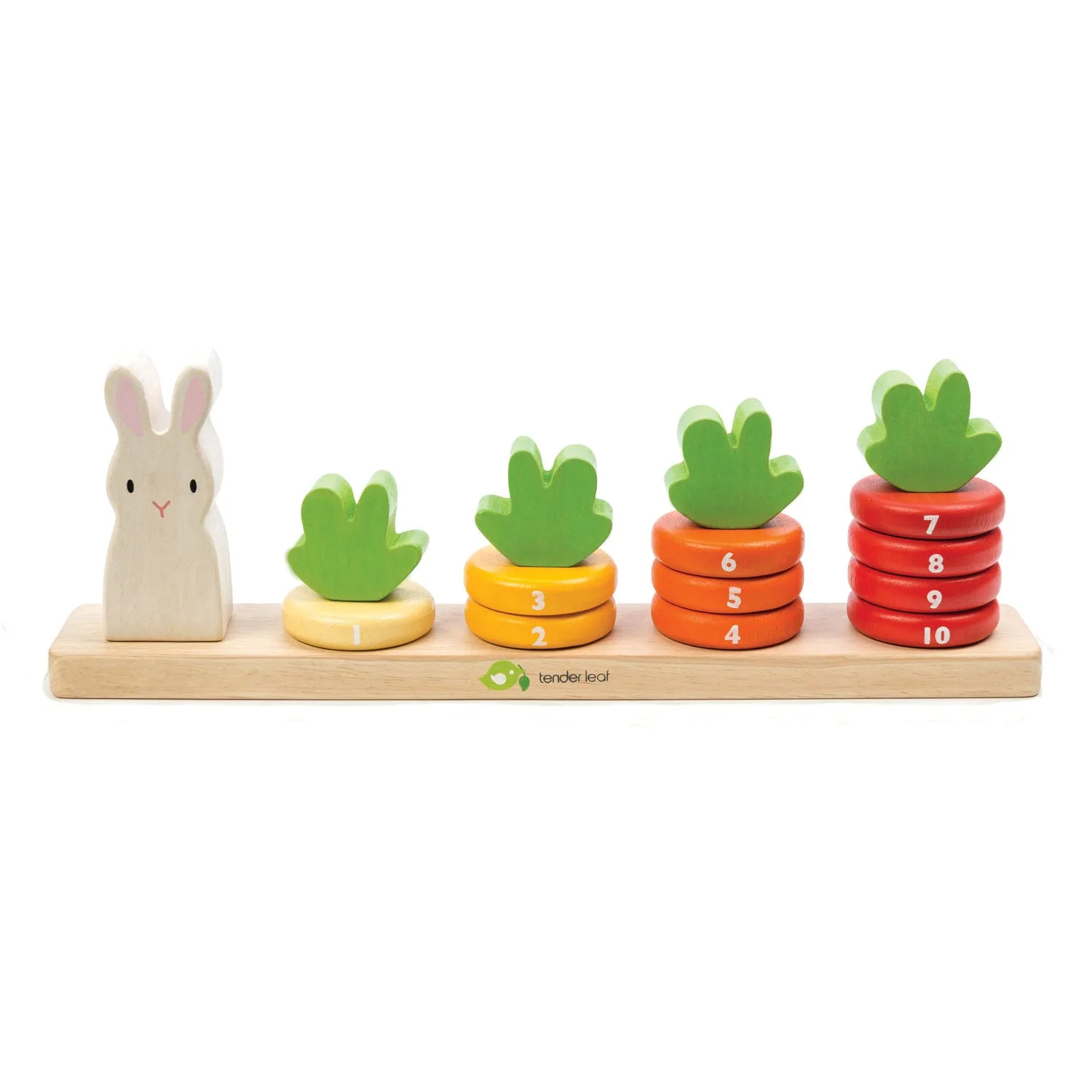
- Counting Carrots: A carrot stacker with numbered rings that teaches counting to 10 and encourages color sorting and hand-eye coordination. A structured option for children who need a task, and a way to get counting practice from a toy that still looks like play.
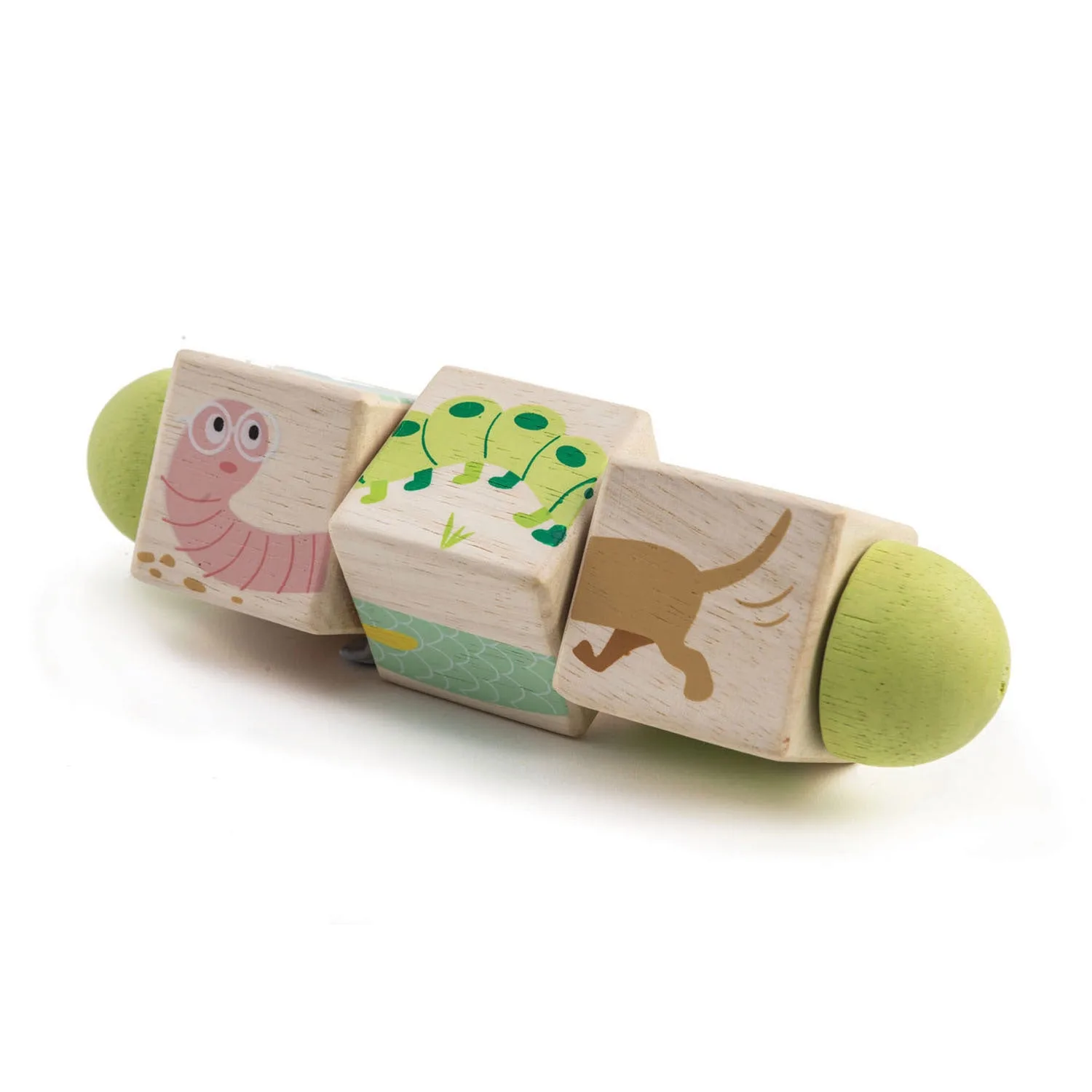
- Twisting Cubes: Twisting cubes where children match animal bodies, supporting manual dexterity and matching skills. A compact matching toy for toddlers that builds hand control and animal recognition without loose pieces to lose.
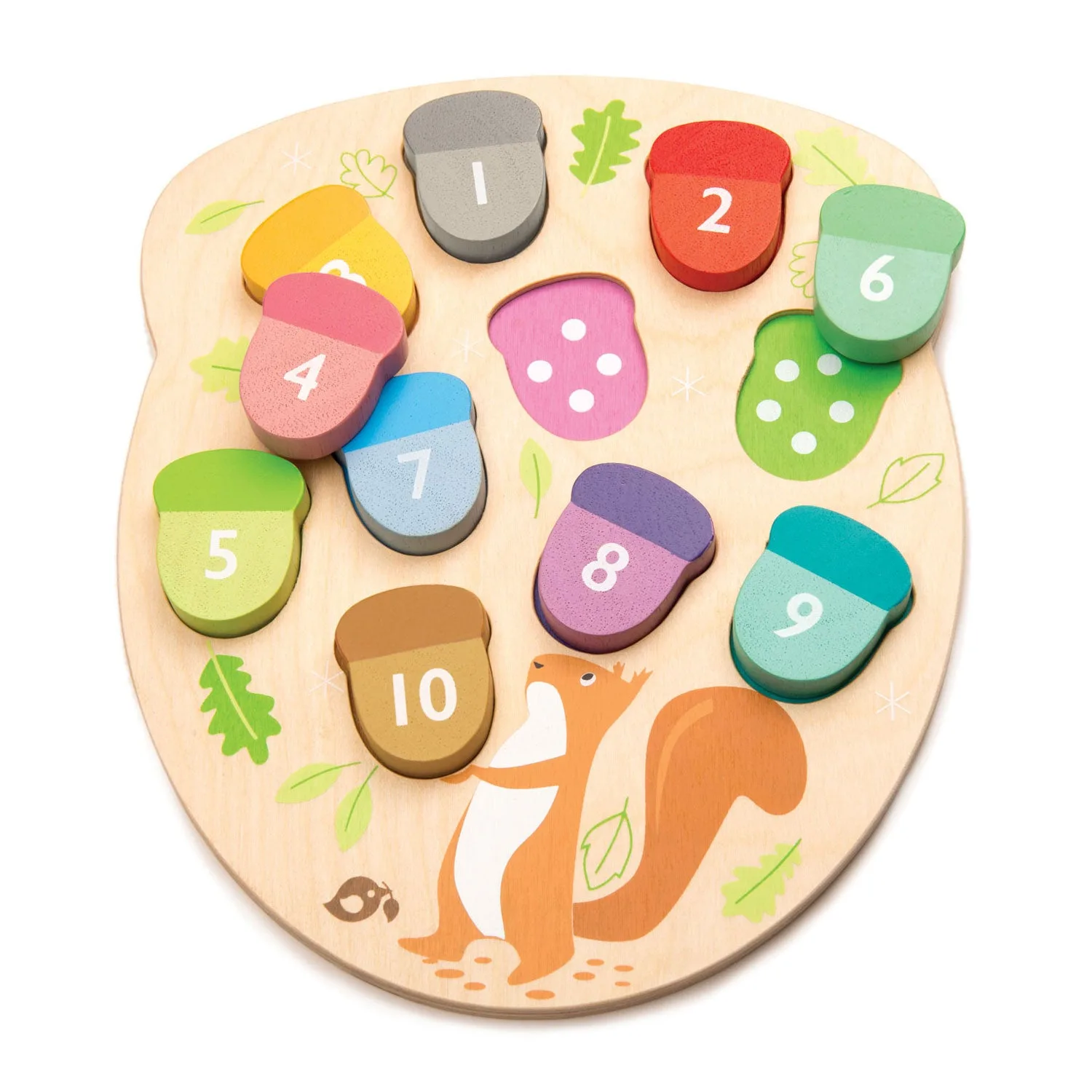
- How Many Acorns?: A set of 10 colored wooden acorns, each revealing the corresponding color and number of dots. Works as a counting and color-sorting activity, and the pieces double as small props for animal-themed pretend play.
Who this approach suits
Best for
- Parents building a first small collection of wooden animal figures
- Gift buyers who want one figure plus one structured toy
- Families who prefer open-ended play over single-purpose electronic toys
Not for
- Buyers wanting a large ready-made themed set in one purchase
- Children who need screens or sound to stay engaged
- Anyone shopping for toys with small parts for a child under three
Buy for the job your child has now, add one piece at a time, and let the collection grow from what actually gets played with. A few well-chosen wooden animal figures and one good structured toy will outperform a shelf of unused sets.