빠른 답변
나무 동물 장난감을 더 적게 사되, 두 가지 역할을 하는 제품을 고르세요: 아이가 이름을 붙이고 들고 다닐 수 있는 피규어, 그리고 그 피규어가 살 수 있는 공간을 제공하는 세트. 안전한 첫 구매를 원한다면, 작은 동물 피규어 하나와 간단한 쌓기 또는 맞추기 장난감으로 시작하세요. 아이가 실제로 다시 찾는 동물을 알게 된 후에만 배경과 스토리 세트를 추가하세요.
대부분의 나무 동물 장난감은 지루한 이유로 실패합니다. 장난감이 아니라 장식품으로 구매되기 때문입니다. 선반에서 벗어나지 않는 아름다운 피규어들보다 아이가 매일 사용하는 세 개의 장난감이 더 가치 있습니다. 이 가이드는 제자리를 찾는 소수의 동물 장난감을 선택하는 방법에 관한 것입니다.
좋은 소식은 나무 동물 피규어가 비정상적으로 유연하다는 것입니다. 같은 여우가 농장 동물, 숲 탐험가, 숫자 세기 교구가 될 수 있습니다. 핵심은 장난감의 역할을 아이의 현재 발달 단계에 맞추고, 놀이를 대체하지 않고 확장하는 조각을 추가하는 것입니다.
동물부터 보지 말고, 역할부터 정하세요
종을 보기 전에 장난감이 무엇을 해야 하는지 결정하세요. 들고 다니며 이름을 부르는 피규어는 어휘를 키우는 아이에게 맞습니다. 쌓기나 맞추기 장난감은 색, 숫자, 손 조작을 배우는 아이에게 맞습니다. 배경 조각은 이미 이야기를 만들고 무대가 필요한 아이에게 맞습니다. 역할에 맞춰 구매하면 같은 기능을 하는 동물만 모으는 흔한 실수를 피할 수 있습니다.
그래서 테마로 맞춘 첫 주문보다 섞어서 주문하는 것이 더 효과적인 경우가 많습니다. 피규어 하나, 기술 향상 장난감 하나, 배경 조각 하나면 이름 붙이기, 맞추기, 이야기 만들기를 중복 없이 모두 커버합니다. 나중에 동물을 더 추가할 수 있고, 그때쯤이면 아이가 어떤 동물에 손을 뻗는지 알게 됩니다.
- 쇼핑하기 전에 역할을 적어 두세요: 들고 다니기, 쌓기, 세기, 이야기 만들기.
- 두 장난감이 같은 역할을 한다면, 아이가 오늘 바로 사용할 수 있는 것을 사세요.
피규어, 쌓기 장난감, 세트: 각 유형의 용도
나무 동물 피규어는 가장 단순한 구매이며 가장 쉽게 정당화할 수 있습니다. 개방형 놀이가 가능하고, 떨어뜨려도 견디며, 이미 가지고 있는 다른 장난감과도 잘 어울립니다. 한계는 단순한 피규어에는 내장된 도전 과제가 없어서 아이의 상상력에 의존한다는 점입니다.
쌓기 및 맞추기 장난감은 고리를 분류하고, 몸통을 맞추고, 조각을 세는 과제를 추가합니다. 이러한 구조는 목표가 필요한 아이들에게 도움이 되고, 함께 이야기할 구체적인 주제를 제공합니다. 단점은 놀이의 범위가 좁다는 것입니다. 퍼즐이 풀리면 일부 아이들은 금방 다른 놀이로 넘어갑니다. 배경과 스토리 세트는 그 중간에 위치하여, 그림이 어디에 있어야 하는지 정해 주지 않으면서도 놓일 장소를 제공합니다.
- Buy one structured toy for every two open-ended figures if your child likes goals.
- Skip scenery until your child already acts out stories with plain figures.
Age and stage rules that actually change your choice
For children under three, prioritize chunky pieces with no small parts and toys that survive mouthing and throwing. Stackers and matching toys usually win here because the play is physical and immediate. For ages three to five, figures and simple scenery take over as pretend play grows. Above five, the same figures stay useful but the value shifts to storytelling, sorting games and collections.
A useful rule: if a toy needs an explanation before a child can use it, it is probably a year too early. Buy the simpler version now and let the child grow into the more complex set. This keeps the toy cupboard honest and your spending lower.
- Under three: choose chunky, single-purpose pieces with no loose small parts.
- Ages three to five: add figures and one scenery piece for pretend play.
- Ages five and up: figures become story props and sorting collections.
Materials, finishes and what the listing does not tell you
Solid wood with a painted or printed finish is the norm for quality animal toys, and it is what you should expect at this price level. What listings often omit is the finish type, the wood species and whether the paint is water-based. If a specification is missing, treat that as a decision limitation rather than a hidden feature, and ask the seller before buying if it matters to you.
The practical check is simpler than the chemistry: look for smooth edges, firmly fixed paint and pieces too large to swallow. If a toy arrives with a strong solvent smell or flaking finish, that is a return, not a project. Care is straightforward too, which is why these toys last through more than one child.
- Ask about finish and wood type if the listing is silent.
- Check edges and paint adhesion when the parcel arrives, not months later.
How to build a collection without wasting money
The cheapest collection is the one you stop adding to. Pick a theme your child already talks about, then add one piece at a time and watch what happens. If a new animal joins the game within a week, the theme is right. If it sits untouched, the theme was yours, not theirs.
Storage matters more than parents expect. A shallow tray or open basket keeps figures visible and usable, while a deep lidded box turns them into a chore. Keep the current favorites out and rotate the rest; a figure that reappears after a month feels new again without costing anything.
- Add one piece at a time and judge it after a week of play.
- Store figures in a shallow open tray so they stay in sight and in use.
Decision rules for buying wooden animal toys
- If your child is under three: Choose chunky, single-purpose toys such as a stacker or matching cube, and avoid sets with small loose pieces. Prioritize durability and hand control over scenery.
- If your child already invents stories: Buy figures plus one scenery piece, such as a hill or farm setting, rather than more individual animals. Scenery multiplies the value of figures you already own.
- If you are buying a first gift: Pair one animal figure with one structured toy so the gift covers both open-ended and goal-based play. Two complementary toys beat one large set.
- If the listing omits materials or finish: Ask the seller before buying, and treat the missing detail as a limitation rather than assuming quality. Unstated specifications are a reason to check, not to guess.
Product facts worth knowing
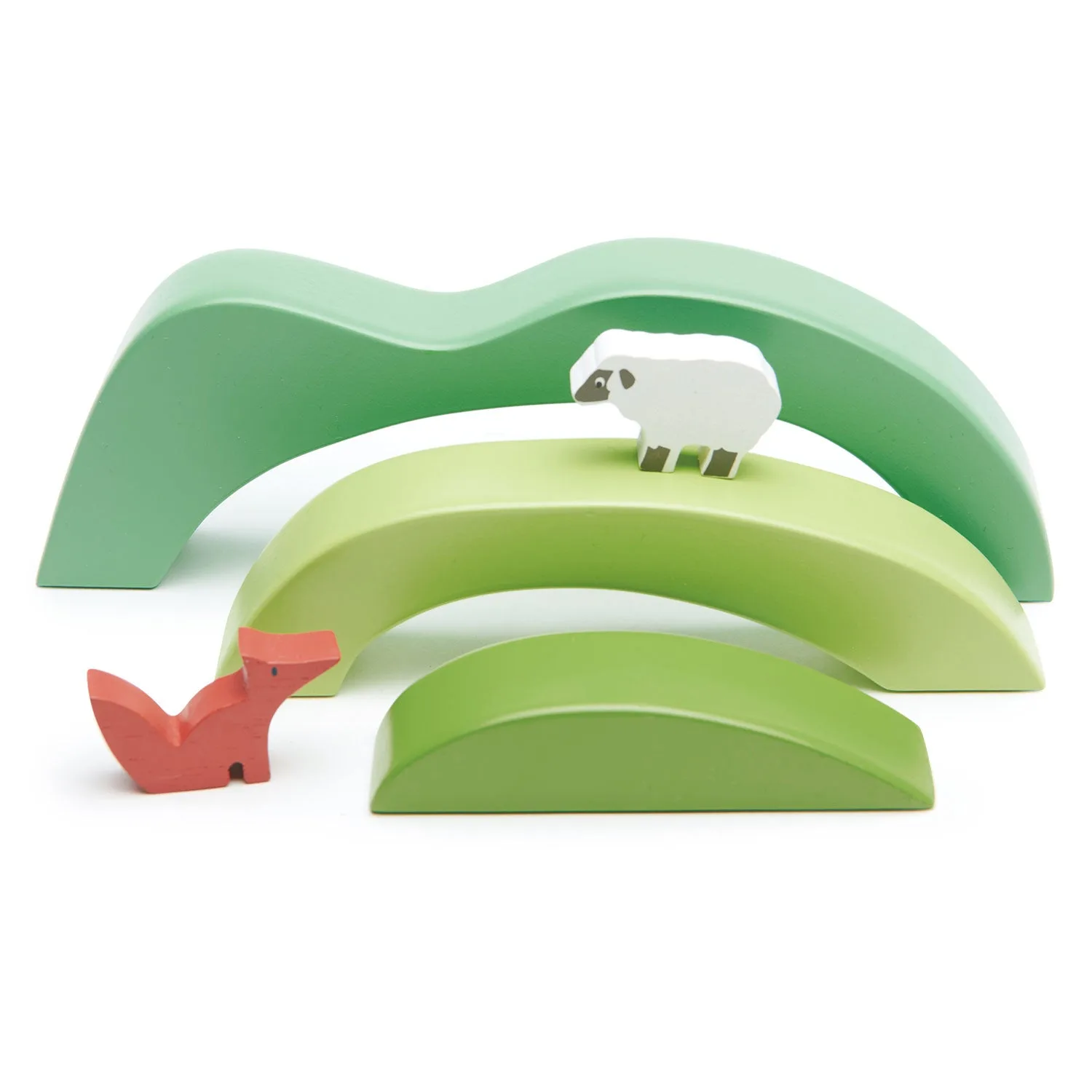
- Green Hills View: Three green solid wood hills for open-ended play, and the set includes a fox and a sheep. This is scenery plus two figures in one purchase, so it gives a plain animal collection somewhere to live without buying a separate play mat.
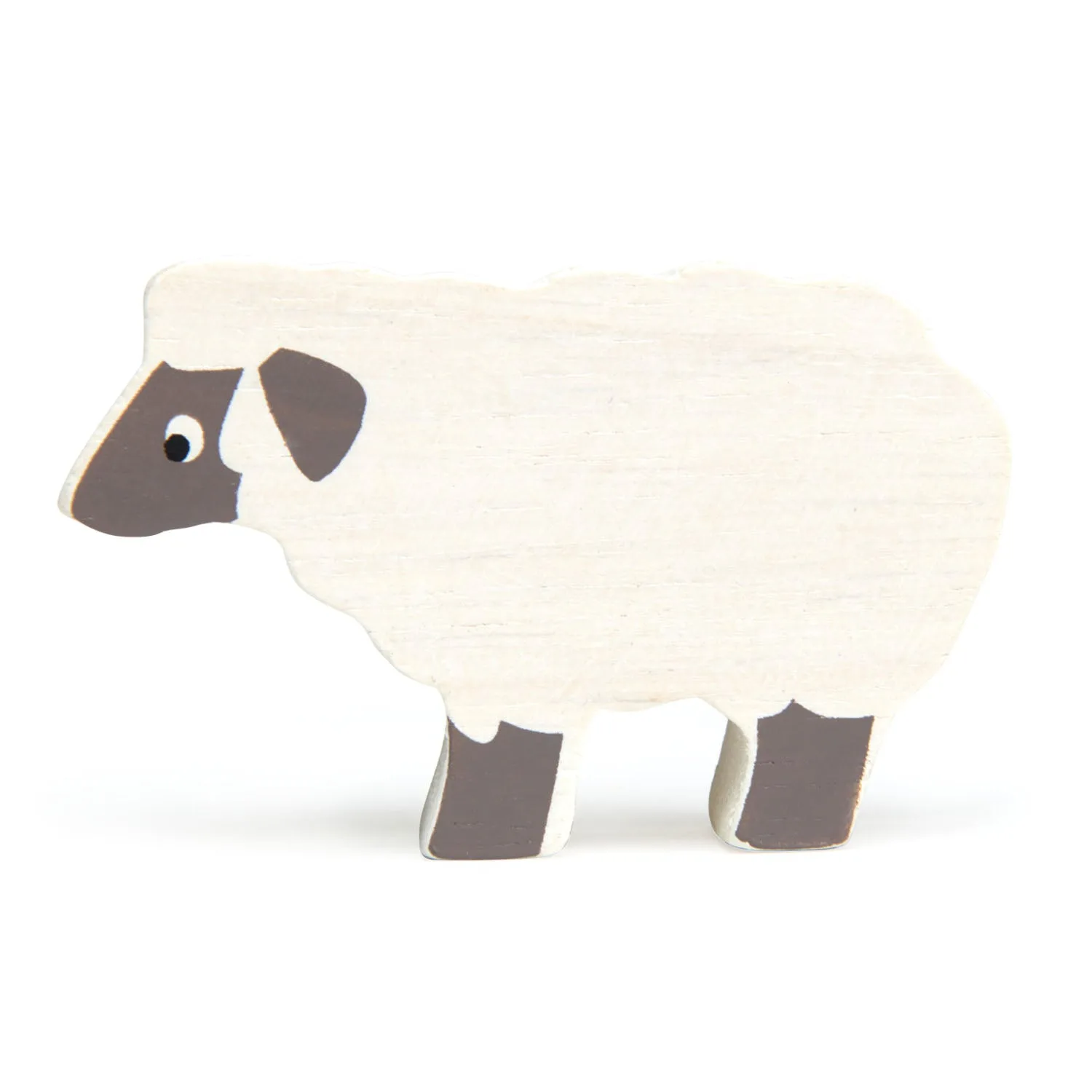
sheep
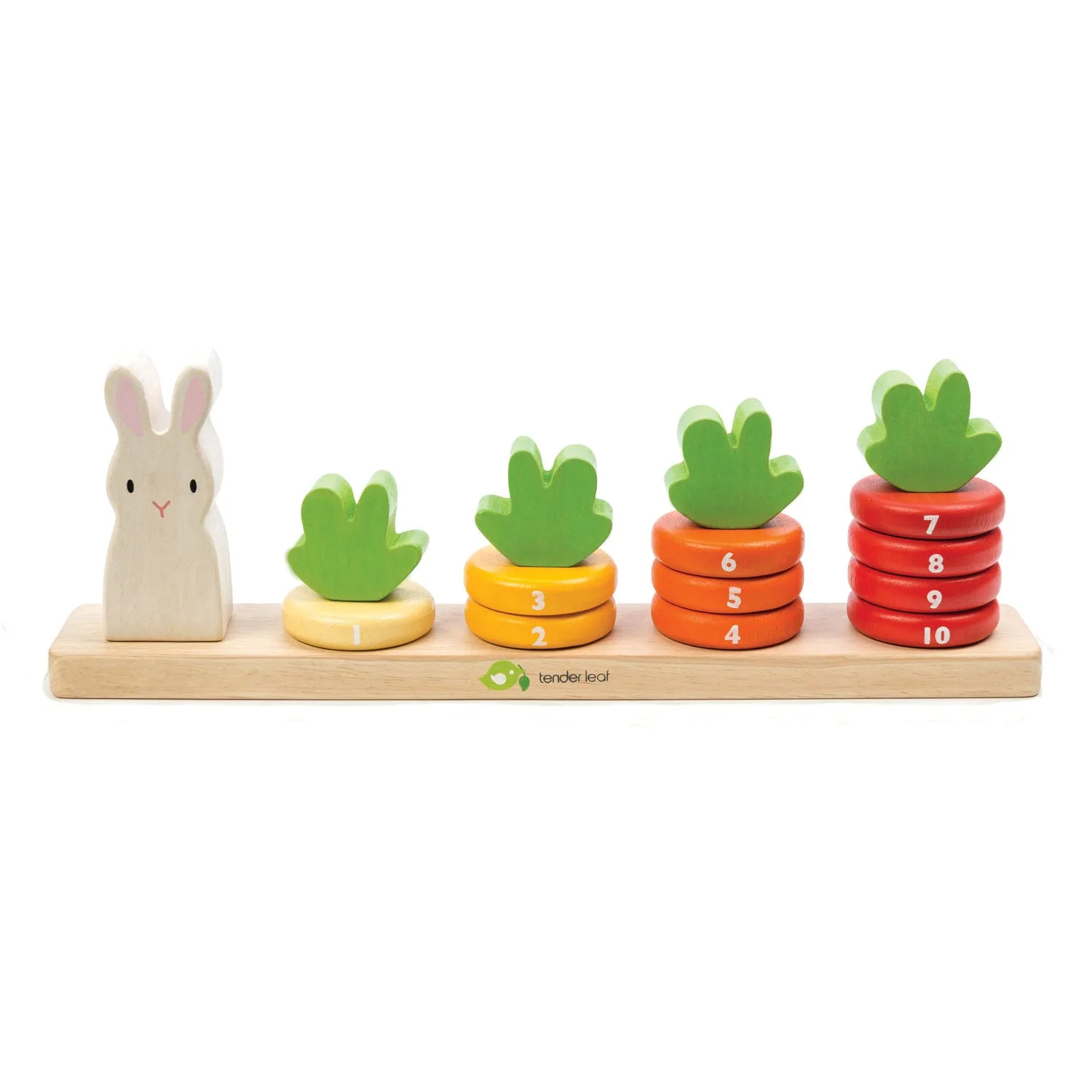
- Counting Carrots: A carrot stacker with numbered rings that teaches counting to 10 and encourages color sorting and hand-eye coordination. A structured option for children who need a task, and a way to get counting practice from a toy that still looks like play.
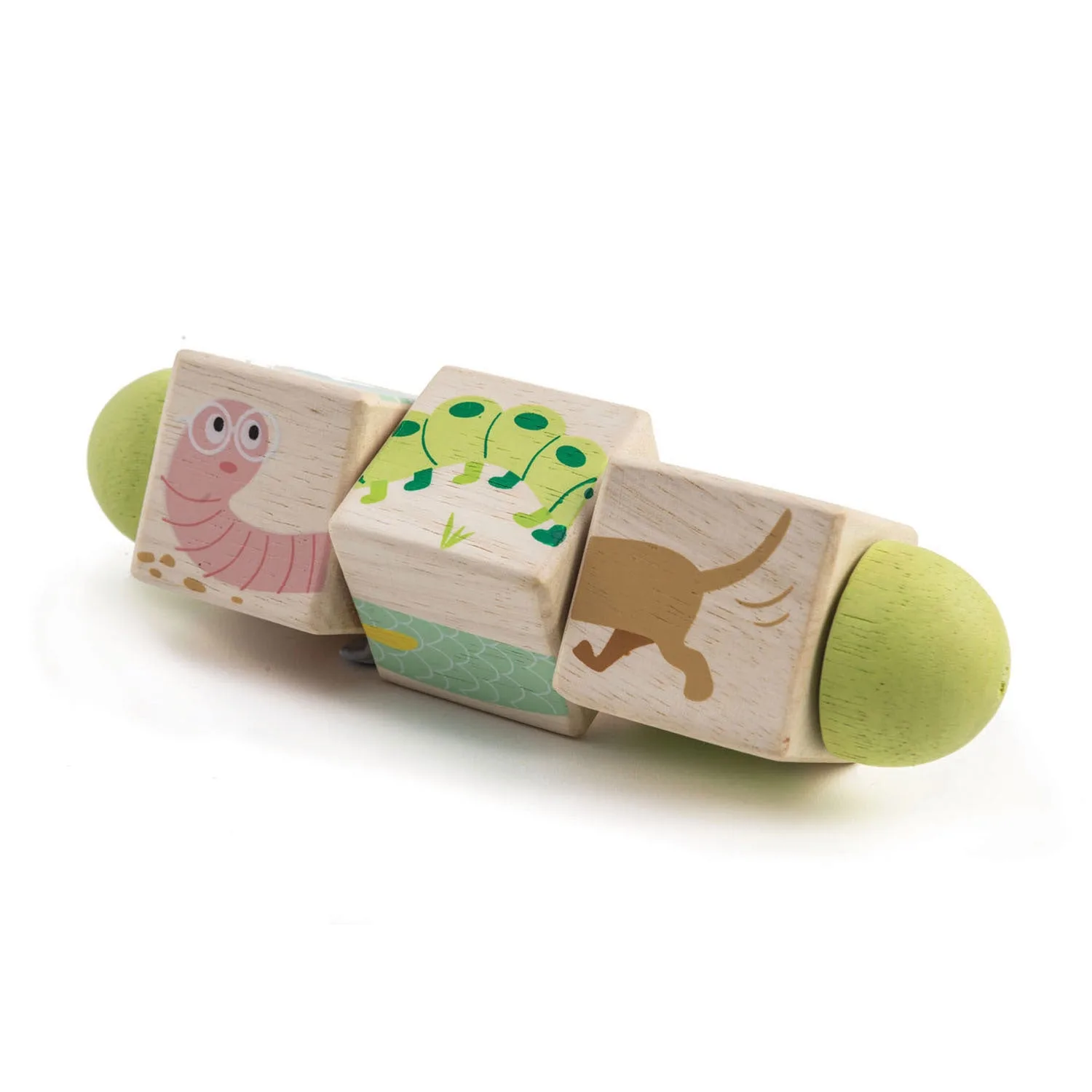
- Twisting Cubes: Twisting cubes where children match animal bodies, supporting manual dexterity and matching skills. A compact matching toy for toddlers that builds hand control and animal recognition without loose pieces to lose.
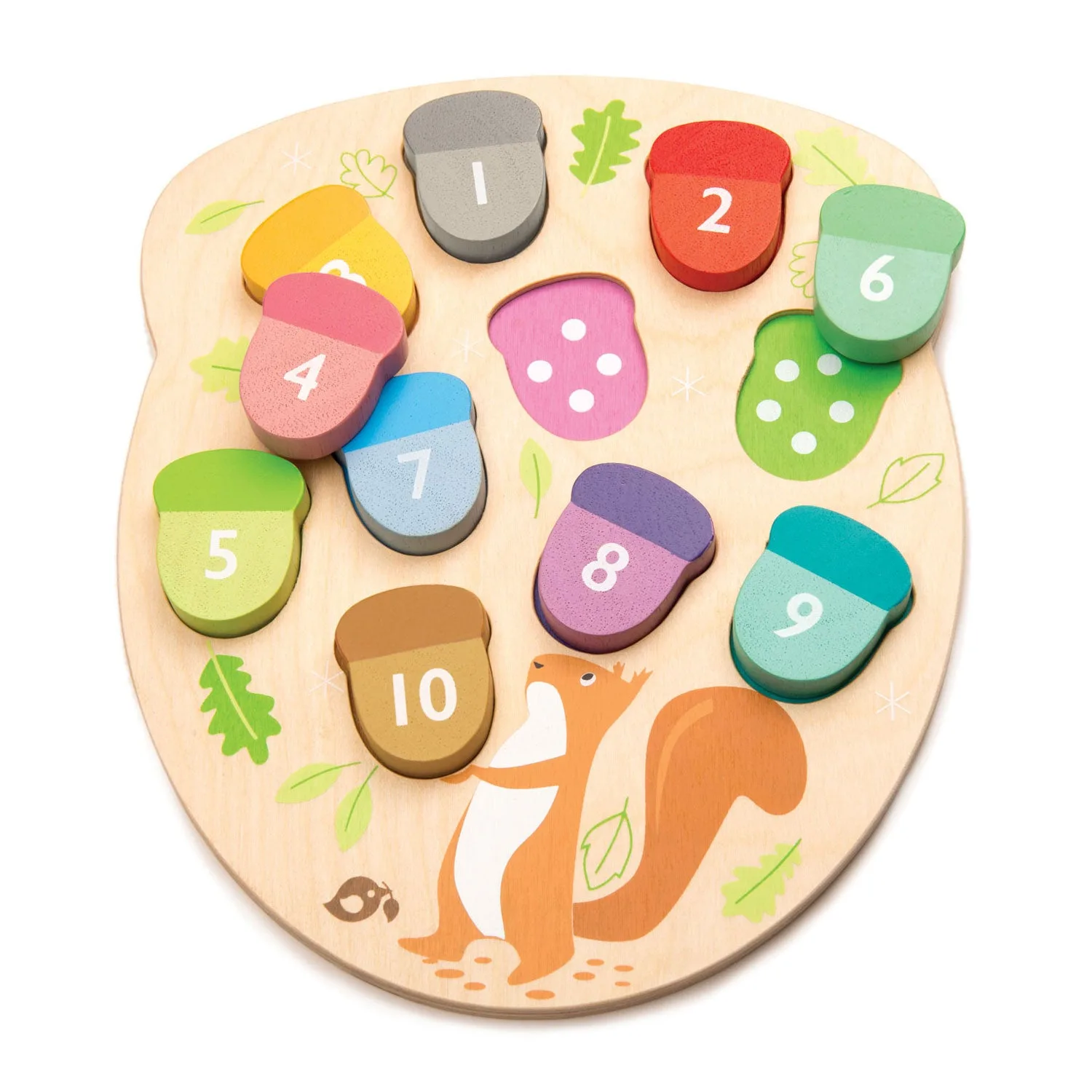
- How Many Acorns?: A set of 10 colored wooden acorns, each revealing the corresponding color and number of dots. Works as a counting and color-sorting activity, and the pieces double as small props for animal-themed pretend play.
Who this approach suits
Best for
- Parents building a first small collection of wooden animal figures
- Gift buyers who want one figure plus one structured toy
- Families who prefer open-ended play over single-purpose electronic toys
Not for
- Buyers wanting a large ready-made themed set in one purchase
- Children who need screens or sound to stay engaged
- Anyone shopping for toys with small parts for a child under three
Buy for the job your child has now, add one piece at a time, and let the collection grow from what actually gets played with. A few well-chosen wooden animal figures and one good structured toy will outperform a shelf of unused sets.