When you're new to collecting action figures or even a seasoned enthusiast, one of the first decisions you'll face is choosing a scale. The two most popular sizes in the market are 1/6 scale (about 12 inches) and 1/4 scale (about 18 inches). Each has its own strengths and trade-offs, and your choice will affect everything from display space to budget and customization options.
In this guide, we'll break down the differences between 1/4 scale and 1/6 scale figures, looking at size, detail, availability, price, and display considerations. By the end, you'll have a clear idea of which scale suits your collecting style—or whether a mix of both might be the way to go.
Understanding Scale: What Do 1/4 and 1/6 Mean?
Before diving into the comparison, it's important to understand what the numbers mean. A 1/6 scale figure is one-sixth the size of the actual character, which typically results in a figure about 12 inches (30 cm) tall. This is the standard for many high-end action figure lines, especially those from companies like S.H. Figuarts and Hot Toys. A 1/4 scale figure is one-quarter the size, standing around 18 inches (45 cm) tall, making it significantly larger and more imposing.
The scale determines not only the height but also the level of detail and the amount of presence a figure has. 1/4 scale figures often have more intricate sculpting and paint applications because there's more surface area to work with. They also tend to be heavier and more expensive. On the other hand, 1/6 scale figures are more portable, easier to display in groups, and often have a wider range of accessories and interchangeable parts.
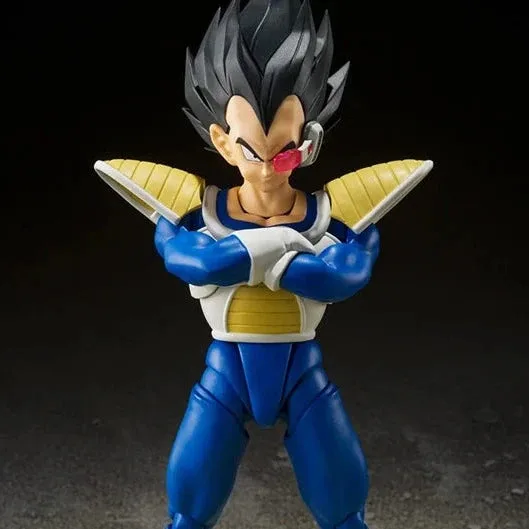
For example, the S.H. Figuarts Dragon Ball Z - Vegeta (24,000 Power Level Ver.) is a 1/6 scale figure that offers incredible detail and articulation in a compact size, making it perfect for dynamic poses on a shelf. In contrast, a 1/4 scale figure like the Marvel Rivals Blokees Champion Class 12 - Jeff the Land Shark would dominate a display case with its sheer size and presence.
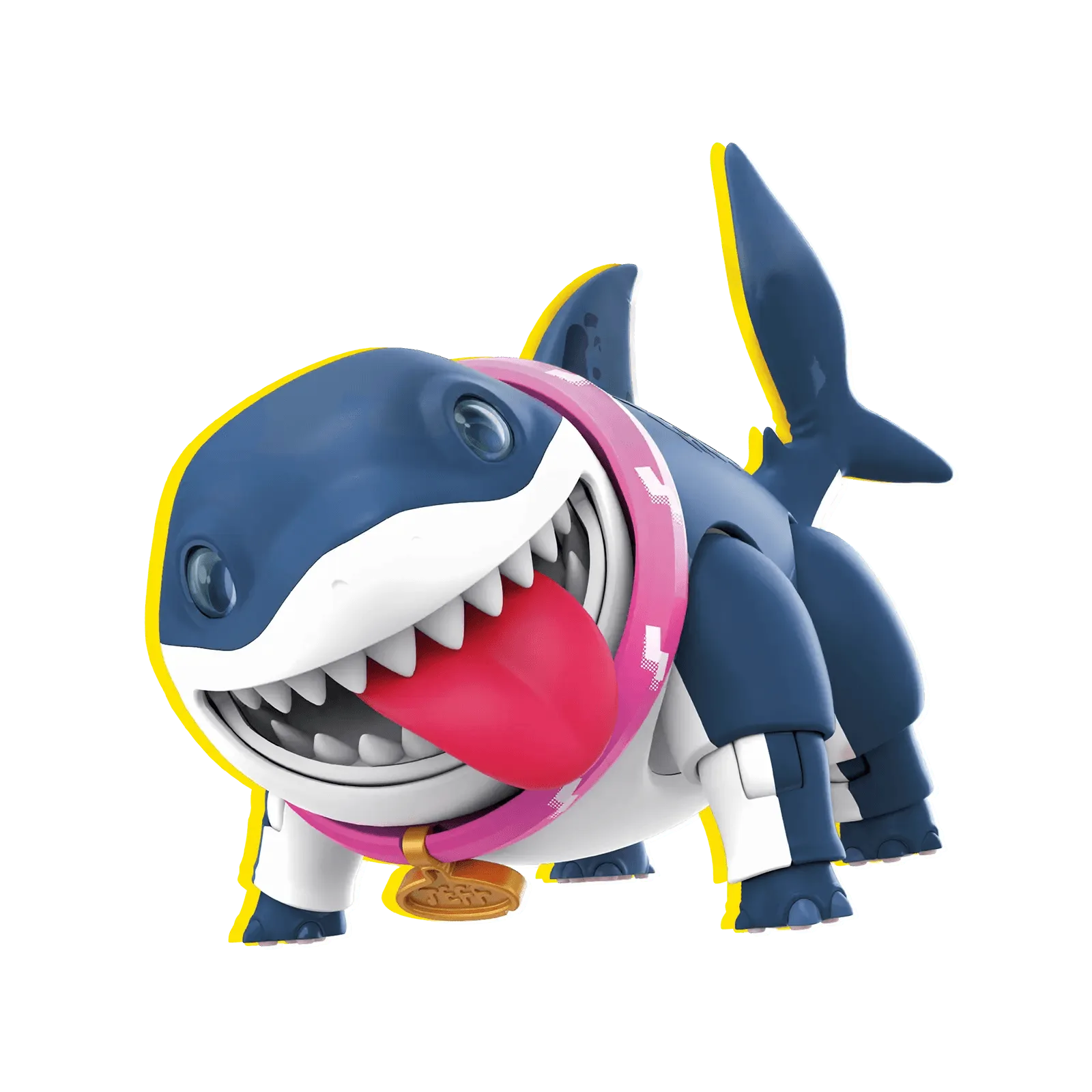
Marvel Rivals Blokees Champion Class 12 - Jeff the Land Shark
- 1/6 scale: ~12 inches, standard for many premium action figures
- 1/4 scale: ~18 inches, larger and more display-dominant
Size and Display: Space Considerations
One of the most practical differences between 1/4 and 1/6 scale figures is the amount of space they require. If you have a dedicated display cabinet or a large shelf, 1/4 scale figures can become the centerpiece of your collection. Their size makes them impossible to ignore, and they can showcase intricate details that are harder to see on smaller figures. However, they also take up a lot of room, and you'll likely need to display them individually or in small groups.
1/6 scale figures, on the other hand, are more versatile when it comes to display. You can fit several of them on a single shelf, create dynamic scenes, and even mix them with vehicles or dioramas. For instance, the Star Wars: The Vintage Collection Razor Crest is a 1/6 scale vehicle that pairs beautifully with 1/6 scale figures, allowing you to recreate iconic scenes without needing an entire room. If you're limited on space, 1/6 scale is often the more practical choice.
When planning your display, consider not just the figure's height but also its base and any accessories. A 1/4 scale figure with a large base can take up even more space than you'd expect. Measure your shelves and plan ahead to avoid disappointment.
- Measure your display area before committing to a scale
- 1/4 scale figures are best for large, open shelves or dedicated display cases
Detail and Realism: The Closer You Look
Detail is a major factor for many collectors, and here 1/4 scale figures often have the edge. Because they're larger, manufacturers can include more intricate sculpting, finer paint applications, and even realistic fabric clothing or hair. The larger canvas allows for a level of realism that can be breathtaking, especially in high-end lines.
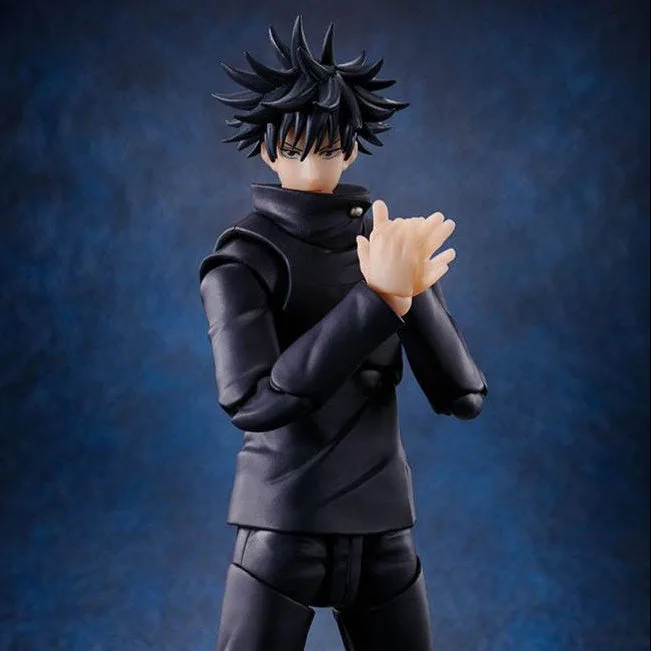
However, 1/6 scale figures have come a long way in recent years. Many 1/6 scale figures now feature incredibly detailed head sculpts, realistic skin tones, and a wide range of articulation that allows for natural poses. For example, the S.H. Figuarts Jujutsu Kaisen - Megumi Fushiguro (Reissue) PRE-ORDER offers detailed facial expressions and clothing textures that rival larger figures. The key is to look at the specific figure and brand, as quality varies.
If you're a fan of characters with complex costumes or armor, 1/4 scale might be the way to go, as the larger size allows for more accurate reproduction. But if you value articulation and the ability to recreate action poses, 1/6 scale figures often have better joint design and flexibility.
Price and Value: Budgeting for Your Collection
Price is often the deciding factor for many collectors. Generally, 1/4 scale figures are more expensive than their 1/6 scale counterparts. This is due to the larger amount of material, more complex manufacturing, and often higher production costs. You might pay two to three times as much for a 1/4 scale figure, depending on the brand and character.
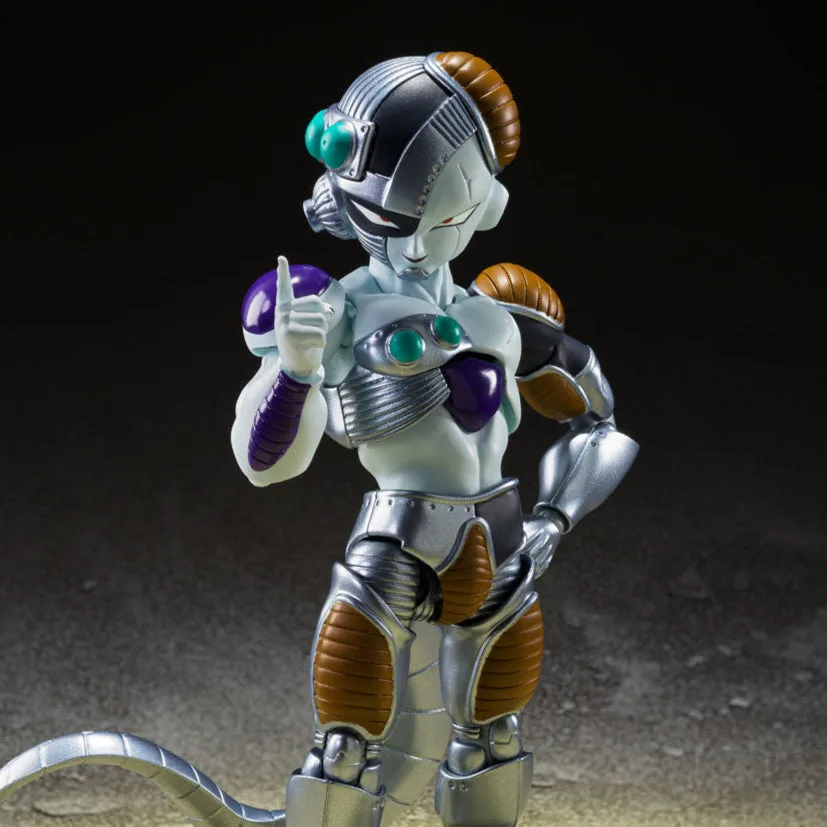
1/6 scale figures offer a more accessible entry point, especially for those new to collecting. They also allow you to collect more characters for the same budget. For example, you could purchase several 1/6 scale figures like the S.H. Figuarts Dragon Ball Z - Mecha Frieza or the S.H. Figuarts DragonBall - Kid Chi-Chi for the price of one 1/4 scale statue. This makes 1/6 scale a great choice for building a diverse collection quickly.
That said, 1/4 scale figures can be a better long-term investment in terms of display impact. A single, stunning 1/4 scale piece can be the highlight of your collection, and many retain their value well. Consider your budget and what you value more: quantity or a few show-stopping pieces.
- 1/4 scale figures often cost 2-3x more than 1/6 scale
- 1/6 scale allows you to collect more figures for the same budget
Customization and Accessories: Making It Your Own
For collectors who love to customize, 1/6 scale figures are the clear winner. The market is flooded with third-party clothing, head sculpts, weapons, and accessories that can be swapped out to create unique versions of your favorite characters. The standardized size makes it easy to mix and match parts from different figures.
1/4 scale figures, while less customizable, often come with more accessories in the box. For example, the Iron Factory - IF EX-72R Chaos Blaze (Rahu) includes multiple weapons and interchangeable parts, allowing for some display variety. However, finding third-party upgrades for 1/4 scale is much harder, so your options are limited.
If you enjoy tinkering and creating your own versions of characters, 1/6 scale is the way to go. If you prefer a ready-to-display masterpiece with minimal fuss, 1/4 scale might be more appealing.
Which Scale Should You Choose?
Ultimately, the choice between 1/4 and 1/6 scale comes down to your personal preferences and circumstances. If you have ample display space and a larger budget, and you want figures that make a bold statement, 1/4 scale is an excellent choice. They offer unmatched detail and presence, and they're perfect for showcasing your favorite characters in a prominent way.
If you're just starting out, have limited space, or prefer a more interactive experience with articulation and customization, 1/6 scale is likely the better fit. It's more affordable, more versatile, and offers a wider range of characters and accessories. Many collectors eventually end up with a mix of both scales, using 1/4 scale for their absolute favorites and 1/6 scale for the rest of their collection.
No matter which scale you choose, the most important thing is that your collection brings you joy. Whether you're posing a 1/6 scale action figure or admiring a 1/4 scale statue, the passion is the same.
Both 1/4 and 1/6 scale figures have their own unique appeal, and the right choice depends on your space, budget, and collecting goals. If you're leaning towards 1/6 scale, check out the S.H. Figuarts Jujutsu Kaisen - Megumi Fushiguro (Reissue) PRE-ORDER for a great example of the detail and articulation this scale offers. And if you're ready to go big, the Marvel Rivals Blokees Champion Class 12 - Jeff the Land Shark is a fantastic 1/4 scale piece to start with. Happy collecting!