Quick answer
If you prioritize screen-accurate detail and have room to display large pieces, 1/6 scale is your best bet. If you want a budget-friendly, space-saving collection with high poseability, 1/12 scale offers more variety for less money. Choose based on your display space, budget, and how much articulation you need.
When you start collecting action figures, one of the first decisions you'll face is scale. The two most common options are 1/6 scale (about 12 inches tall) and 1/12 scale (about 6 inches tall). Each has its own strengths and trade-offs, and the right choice depends on your personal preferences and circumstances.
This guide breaks down the key differences between 1/6 and 1/12 scale action figures, including size, detail, cost, display requirements, and playability. By the end, you'll know which scale aligns with your collecting goals.
Size and display space
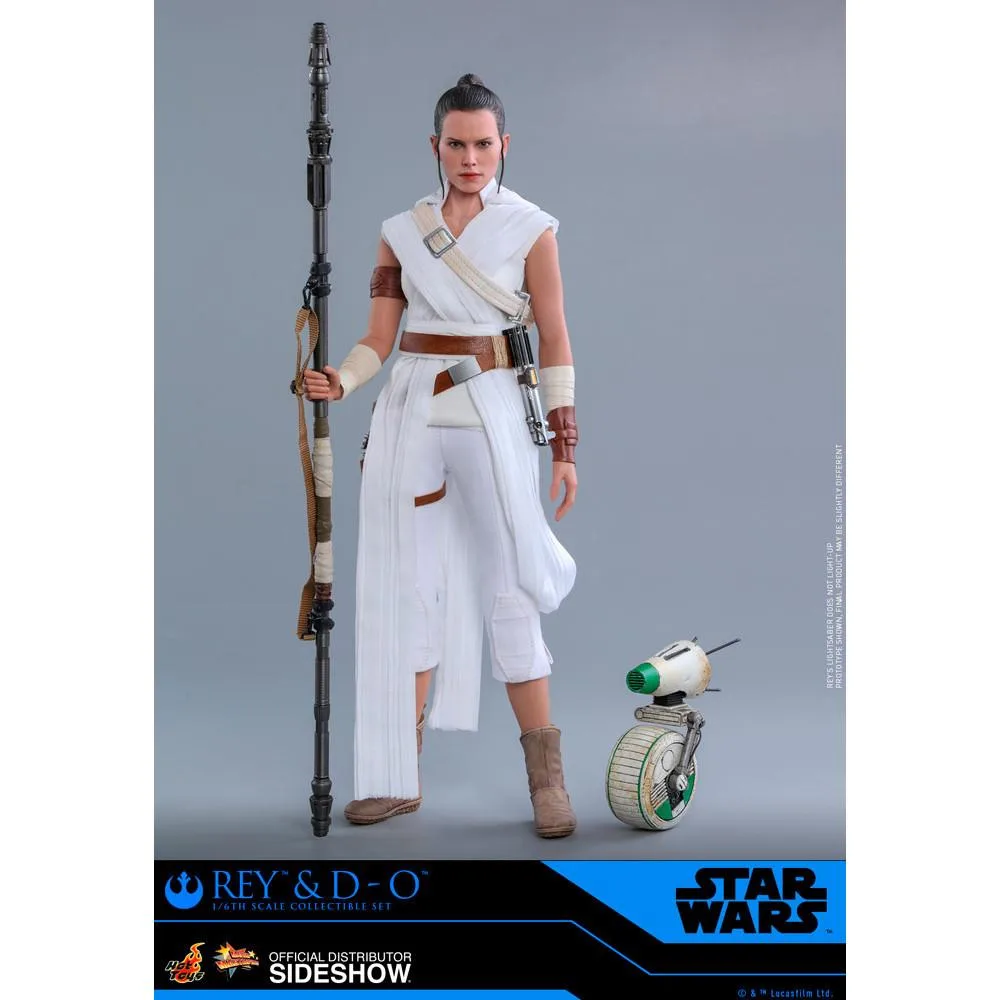
The most obvious difference is physical size. A 1/6 scale figure stands roughly 12 inches tall, while a 1/12 scale figure is about 6 inches. That might not sound like much, but the volume difference is substantial. A single 1/6 figure takes up as much shelf space as two or three 1/12 figures.
If you live in a small apartment or share a display area, 1/12 scale lets you fit more characters in the same footprint. On the other hand, 1/6 figures make a bold centerpiece and are easier to appreciate from across a room. Consider your available shelf depth and height before committing.
- Measure your display shelves to ensure 1/6 figures will fit with room to spare.
- 1/12 scale is easier to store in detolf-style cabinets or on standard bookshelves.
Detail and realism
Larger scale generally allows for more surface detail, especially in fabric clothing, skin texture, and accessories. 1/6 scale figures often feature tailored outfits, realistic weathering, and intricate sculpting that mimic the source material closely. For collectors who value screen accuracy, this is a major draw.
That said, 1/12 scale has improved dramatically. Modern lines like S.H.Figuarts pack surprising detail into a small package, with precise paint apps and multiple points of articulation. You might sacrifice some realism, but you gain the ability to pose and play without worrying about delicate fabric or heavy accessories.
- If you love hyper-detailed realism, 1/6 scale is the way to go.
- If you prefer dynamic poses and frequent handling, 1/12 scale is more forgiving.
Cost and value
Price is a practical consideration. 1/6 scale figures typically cost more due to larger production runs, more materials, and intricate tailoring. For example, a premium 1/6 figure might retail for $85, while a high-quality 1/12 figure might be $45 or less. The price gap can be significant, especially if you plan to collect multiple characters.
However, value isn't just about the sticker price. 1/6 figures often include more accessories and display bases, and their presence can justify the higher cost for serious collectors. 1/12 figures offer a lower barrier to entry, allowing you to build a larger collection or experiment with different series without breaking the bank.
- Set a budget per figure and per month to avoid overspending.
- Compare the included accessories and articulation when assessing value.
Articulation and playability
Articulation is another key factor. 1/12 scale figures are often designed with poseability in mind, featuring multiple joints that allow for dynamic action poses. They're easier to handle and less prone to damage from frequent repositioning. This makes them ideal for photographers or collectors who like to change displays often.
1/6 scale figures, especially those with fabric clothing, may have more restricted movement. The clothing can limit articulation, and the larger size makes them less convenient to handle. But when they do pose well, the visual impact is unmatched. Think about whether you'll display static or dynamic poses most of the time.
- For action-packed poses, 1/12 scale offers more freedom.
- For museum-style display, 1/6 scale can be more impressive.
The trade-offs at a glance
- Size and presence: 1/6 figures are large and command attention. 1/12 figures are compact and easier to arrange. Choose 1/6 if you want a centerpiece; choose 1/12 if you want variety.
- Detail vs. playability: 1/6 often has more realistic detail but may restrict articulation. 1/12 offers better poseability and handling. Decide if you'll display or actively pose your figures.
- Budget and collection size: 1/6 figures cost more per piece, limiting how many you can buy. 1/12 figures are more affordable, letting you collect more characters. Consider your long-term collecting goals.
Scale in practice: examples from our catalog
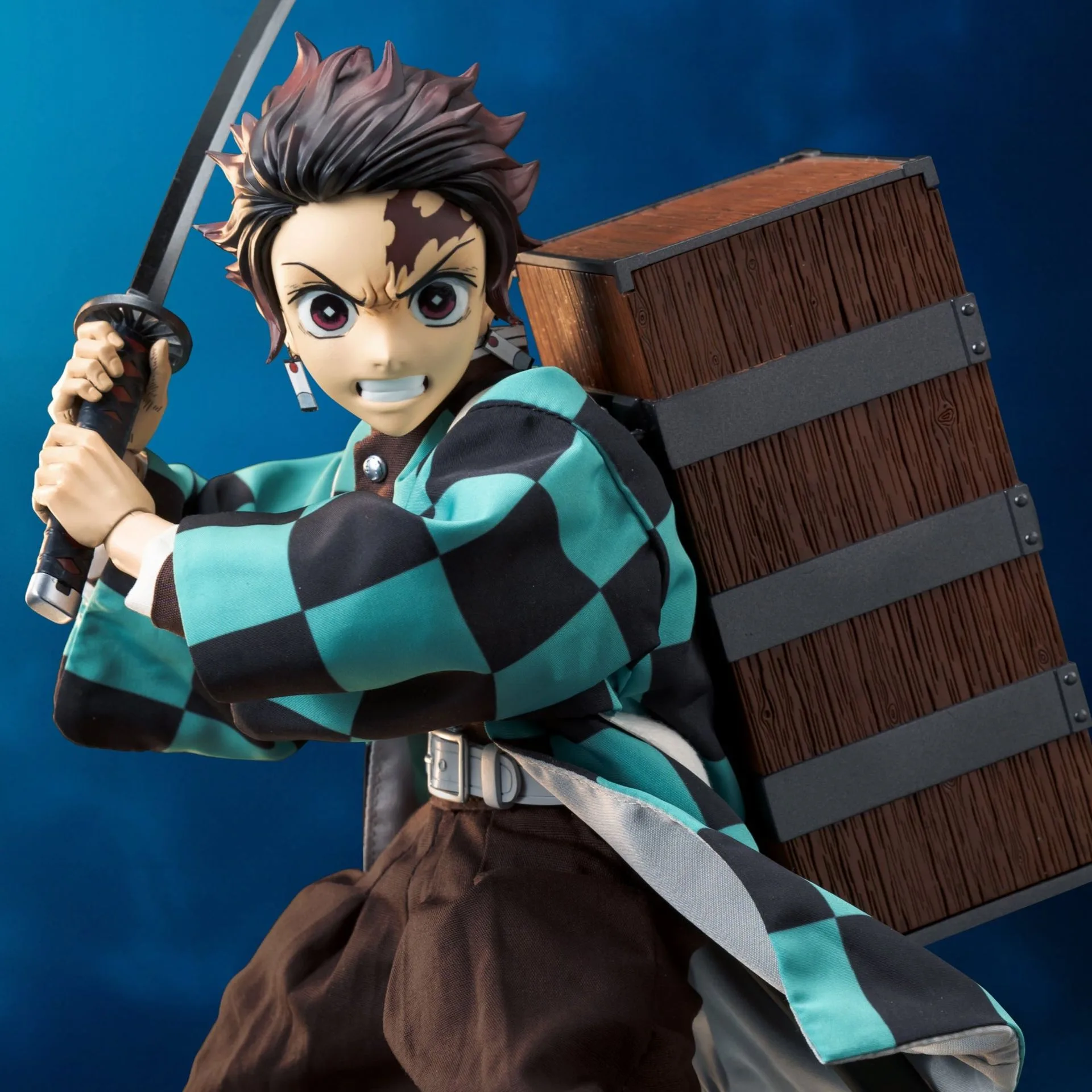
- Threezero 1/6 Scale Figure - Demon Slayer: Kimetsu No Yaiba - Tanjiro Kamado: This FigZero figure is approximately 27.5 cm tall with around 37 points of articulation, made from ABS, PVC, POM, and other materials. It shows how a 1/6 scale figure can deliver both presence and poseability, but you'll need shelf space for its height.
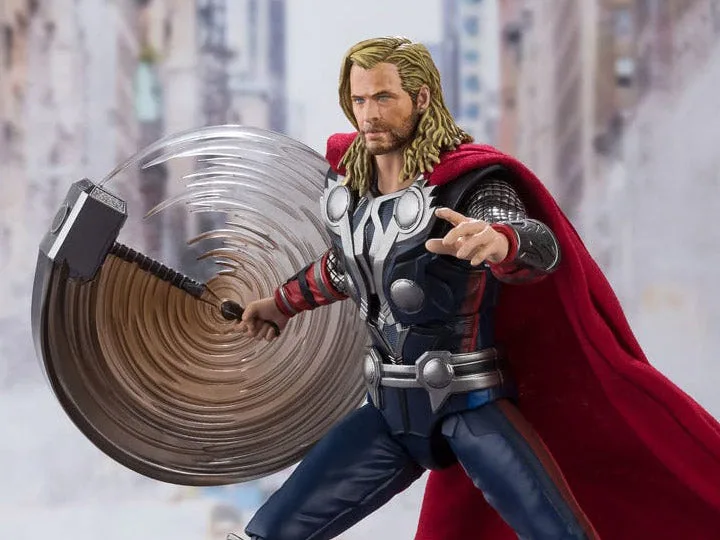
- The Avengers S.H.Figuarts Thor (Avengers Assemble Edition): This S.H.Figuarts figure includes Mjölnir with hammer-spinning and lightning effects, plus a posable cape. It demonstrates the accessory and effect detail you can get in a 1/12 scale figure, at a lower price point and smaller footprint.
Which scale fits you?
Best for
- Collectors with ample display space who value screen-accurate detail and don't mind higher prices.
- Fans of premium lines like Threezero's FigZero who want a statement piece.
Not for
- Collectors with limited shelf space or a tight budget, who should look at 1/12 scale lines like S.H.Figuarts.
- Those who prefer to frequently handle and pose their figures without worry.
Both 1/6 and 1/12 scale action figures have their merits. The best choice depends on your space, budget, and how you enjoy your collection. If you're still unsure, start with one figure in each scale and see which feels right. Happy collecting!