Quick answer
Choose 1-month lenses for better hygiene and flexibility, or 1-year lenses for a lower upfront cost and less frequent replacements.
Hygiene and eye health
Monthly lenses are replaced more often, reducing the buildup of protein deposits and bacteria that can cause irritation. Yearly lenses require diligent cleaning to stay safe over time.
Cost and convenience
Yearly lenses cost less per year than monthly lenses, but monthly lenses let you try different styles or switch prescriptions more easily.
Trade-offs at a glance
- Replacement frequency: Yearly lenses are replaced once a year; monthly lenses are replaced every 30 days.
- Hygiene risk: Monthly lenses have less time to accumulate deposits, lowering the risk of eye irritation.
- Upfront cost: A single pair of yearly lenses costs less than 12 pairs of monthly lenses over the same period. If budget is tight now, yearly lenses save money upfront.
Product facts
-
Unibling White Block (1-Year): The Unibling White Block (1-Year) is a yearly wear lens that covers both iris and pupil for a unique look. This long-lasting option is ideal if you want a consistent dramatic effect without frequent replacements.
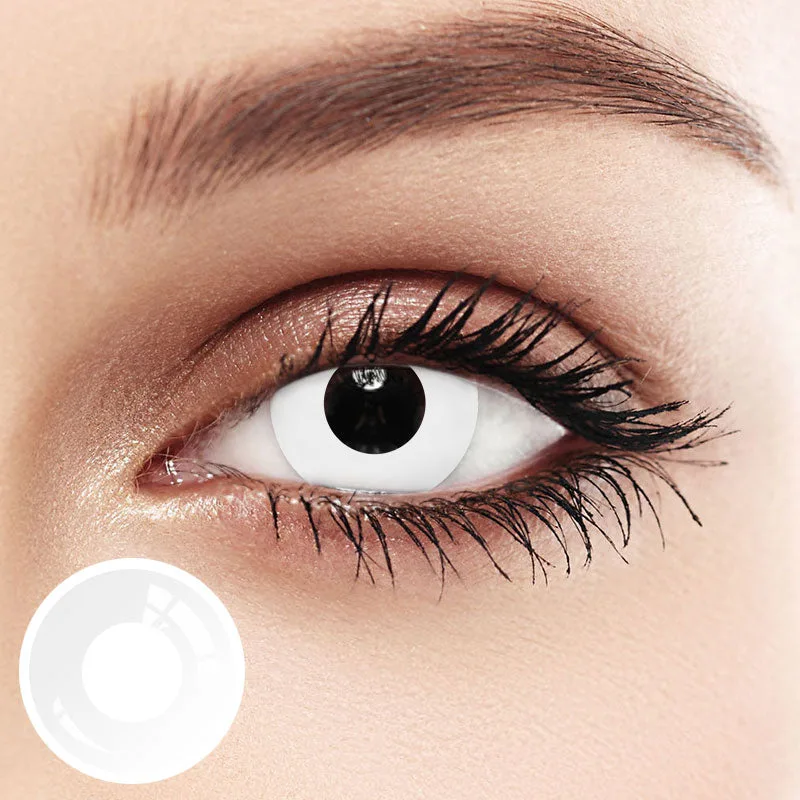
Unibling White Block (1-Year)
-
Unibling Opal Green (1-Month): The Unibling Opal Green (1-Month) is a two-tone lens with a 13.6mm graphic diameter for an eye-enlarging effect. Its monthly replacement schedule supports better hygiene and lets you change your look more often.
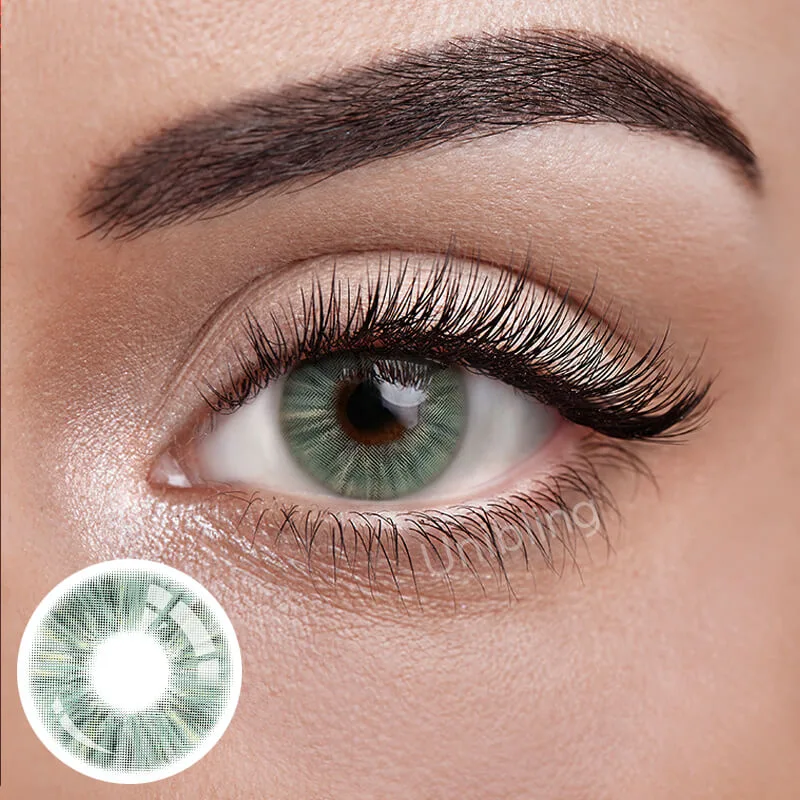
Unibling Opal Green (1-Month)
Which is right for you?
Best for
- People who prioritize eye hygiene and want a fresh pair each month
- Those who like to switch lens styles or colors frequently
Not ideal for
- Anyone who wants a set-it-and-forget-it option without monthly changes