Quick answer
Buy a 10 inch vinyl record when you want a focused release — an EP, a short album, or a collector's pressing — that plays longer than a 7 inch single but takes up less shelf space than a 12 inch LP. Expect roughly 10 to 15 minutes per side at 33⅓ RPM, and check the sleeve and label for the exact speed and track count before you buy. If you need maximum running time or the widest mastering options, choose a 12 inch record instead.
Most record shelves are built around two sizes: the 7 inch single and the 12 inch LP. The 10 inch record sits in the middle, and that's exactly why it gets skipped. It's too big to feel like a single and too small to feel like a full album, so buyers often walk past it without a second look.
middle
That's a mistake. A 10 inch pressing can be the best version of a short release — a tight EP, a live set, or a deluxe reissue — and it often costs less than the 12 inch equivalent. This guide gives you concrete rules for deciding when the mid-size vinyl format earns its place on your shelf and when you should spend your money elsewhere.
What actually fits on a 10 inch record
A 10 inch record spins at 33⅓ or 45 RPM, and the speed changes how much music fits. At 33⅓, you get roughly 10 to 15 minutes per side. At 45, that drops to about 6 to 8 minutes per side, but the wider groove spacing usually means louder, more dynamic playback. A 7 inch single typically holds 3 to 5 minutes per side, and a 12 inch LP can run 18 to 22 minutes per side at 33⅓.
music
That puts the 10 inch in a narrow but useful window. It's the right size for a four-to-six-song EP, a single with multiple mixes, or a reissue that was originally mastered for the format. If a release needs 40 minutes of music, a 10 inch will either be split across multiple discs or compressed onto one — and neither is ideal.
- Check the label for the RPM before buying; a 45 RPM 10 inch holds far less music than a 33⅓ one.
- Count the tracks, not the minutes. A 10 inch with six short songs often plays cleaner than one with four long ones.
10 inch vs 12 inch vinyl: sound and handling
Sound quality on a 10 inch record can be excellent, but it depends on how the release was cut. A 12 inch disc gives the mastering engineer more room to space the grooves, which usually means less inner-groove distortion and a stronger bass response. A 10 inch record can sound just as good when the running time is short and the cut is done carefully, but long sides on a small disc are where you hear the difference.
Handling is the other trade-off. The 10 inch size is lighter and easier to hold, and it fits standard turntables without any adapter. But it also fits fewer sleeves, inner sleeves, and storage boxes. Most record crates and shelves are sized for 12 inch LPs, so a 10 inch collection can end up leaning or sliding unless you add a dedicated divider.
- If a 10 inch release is under 15 minutes per side, expect it to sound close to a good 12 inch pressing.
- If a 10 inch release pushes past 18 minutes per side, the 12 inch version is usually the safer buy.
How to store and protect 10 inch records
Storage is where the mid-size vinyl format asks for a little extra planning. Standard 12 inch outer sleeves will swallow a 10 inch record, leaving it loose inside. Buy 10 inch outer sleeves or use a snug 12 inch sleeve with a backing board to keep the jacket from sliding. Inner sleeves matter too: a 10 inch anti-static inner sleeve protects the record without the record swimming in a 12 inch sleeve.
Shelve them vertically, not stacked. A small stack of 10 inch records is more likely to warp than a full row of 12 inch LPs because there's less weight and friction holding them upright. If your shelf is mostly 12 inch records, add a bookend or a foam divider so the 10 inch section stays vertical and easy to flip through.
- Use 10 inch outer sleeves; a loose 12 inch sleeve lets dust settle on the jacket opening.
- Keep 10 inch records in their own section so you don't have to dig past taller LPs to reach them.
When buying 10 inch vinyl makes sense
Buy the 10 inch version when the release was designed for it. EPs, singles with multiple B-sides, and anniversary reissues often use the format intentionally, and those pressings can be the definitive version. The smaller disc also costs less to ship and takes up less space, which matters if your collection is already crowded.
Skip the 10 inch when you need maximum running time, when the 12 inch version includes bonus tracks or a better mastering, or when you plan to DJ with the record. The narrower groove area and lighter weight make 10 inch records less ideal for back-cueing and heavy handling. For everyday listening at home, though, the format is perfectly practical.
- Choose 10 inch for short, focused releases and collector pressings.
- Choose 12 inch for full albums, loud cuts, and anything you plan to mix or scratch.
Decision rules for buying 10 inch vinyl
- Rule 1: Match the format to the running time: If the release is 10 to 15 minutes per side at 33⅓ RPM, a 10 inch record is a good fit. If it runs longer, look for a 12 inch pressing instead. Check the RPM and track count before you commit.
- Rule 2: Buy the 10 inch when it's the original format: EPs, multi-mix singles, and reissues cut for 10 inch often sound best on the size they were designed for. A later 12 inch reissue may add tracks but not necessarily better sound. Original format usually wins for short releases.
- Rule 3: Budget for the right sleeves: A 10 inch record needs 10 inch outer and inner sleeves. Using 12 inch sleeves leaves the jacket loose and exposes the opening to dust. Add sleeves to your cart at the same time as the record.
- Rule 4: Skip 10 inch if you DJ or need maximum loudness: The smaller disc has less groove area for loud cuts and is lighter for back-cueing. A 12 inch at 45 RPM is the better tool for mixing and scratching. Choose 12 inch for performance use.
10 inch records in context: what the catalog shows
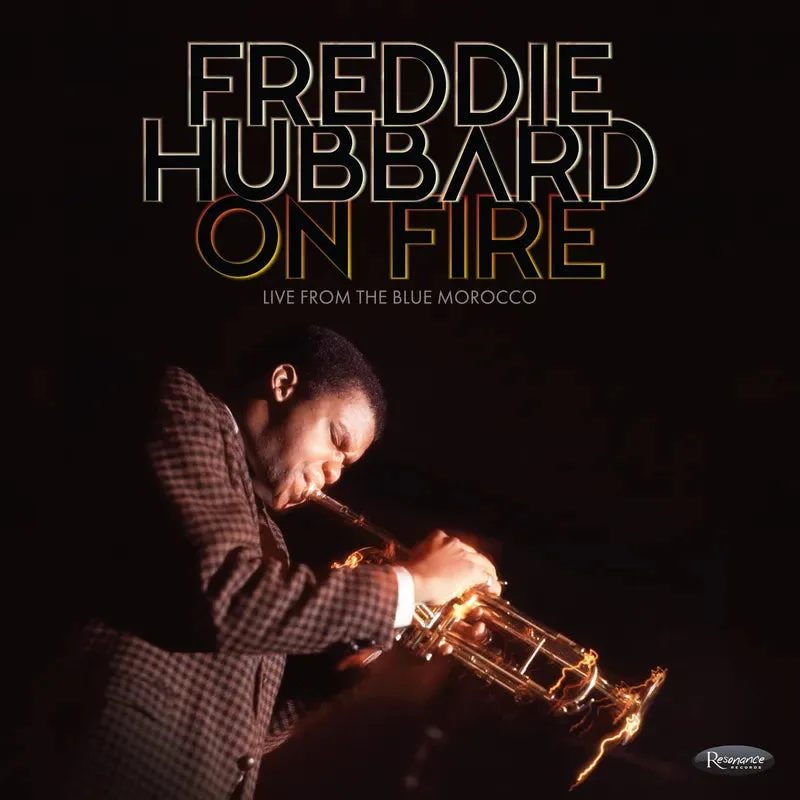
- On Fire: Live From The Blue Morocco: A never-before-released 1967 live recording from Freddie Hubbard, pressed as a limited edition 3 LP set and mastered by Matthew Lutthans. The catalog price is USD 38.00, compared with a list price of USD 76.00. This is a 12 inch release built for long-form listening. If you're weighing 10 inch vs 12 inch vinyl for a live jazz set, the 12 inch format is the one that fits the running time — and the price gap makes it an easy comparison point.
- Ape Escape 3 Originape Soundtracks in a Box (4XLP): A 4XLP box set with a hardcover slipcase, remastered for vinyl by Justin Perkins, pressed on translucent violet, ice, blue, and orange vinyl. The catalog price is USD 45.00, compared with a list price of USD 90.00. Box sets like this show why 12 inch remains the default for large soundtrack releases. A 10 inch version couldn't hold the same track count without doubling the disc count, so the format choice here is driven by content, not preference.
Who should buy 10 inch vinyl
Best for
- Collectors who want short EPs and singles without the bulk of a 12 inch LP
- Listeners with limited shelf space who still want more music per side than a 7 inch single offers
- Fans buying a release that was originally mastered and pressed as a 10 inch record
Not for
- DJs who need loud cuts and heavy back-cueing; choose a 12 inch at 45 RPM instead
- Buyers who want maximum running time from a single disc; a 12 inch LP holds far more music
- Collectors who only stock 12 inch sleeves and don't want to buy separate 10 inch storage
The 10 inch record isn't a compromise — it's a specific tool for short, focused releases that don't need a full LP's running time. Check the RPM, count the tracks, buy the right sleeves, and the mid-size vinyl format will earn its spot next to your 12 inch records.