Quick Answer
Buy a 10-lens box first if the shade or fit is new to you, because it limits both the money and the drawer space you risk on a lens you may not reorder. Move to a 30-lens box only after you have worn the same lens comfortably through several full days and know your power, base curve, and diameter are settled. The 30-lens box is not automatically cheaper per lens; it is a commitment, so it should follow a test, not replace one.
What the box size actually changes
Box size changes how many lenses you receive, not how the lens is made. A 10-lens box of daily lenses gives you five pairs if you wear the same power in both eyes, or ten days if you only need one lens. A 30-lens box of dailies gives fifteen pairs, or roughly a month of daily wear if you wear two lenses a day. Neither box changes the water content, pigment construction, or replacement schedule of the lens inside.
The practical difference is how much of your budget is tied up before you know whether you like the lens. That is why contact lens box sizes matter more for first-time shade buyers than for someone reordering a lens they have worn for months.
Daily lenses: where the 30-lens box earns its place
With daily disposable colored lenses, the 30-lens box makes sense once you know you will wear that shade at least a few times a week. Daily lenses are thrown away after each wear, so your consumption is predictable: two lenses per wearing day. If you wear colored lenses twice a week, a 30-lens box covers about three to four months. If you wear them twice a month, a 10-lens box is the better fit and the lenses will not sit around as long.
The trade-off is upfront cost against per-wear convenience. A larger box reduces the number of reorders you place, but it also locks you into one shade and one power. If your prescription changes, or you decide the shade reads too strong in daylight, the unused lenses are stranded.
Monthly lenses: the math is different
Monthly colored lenses are usually sold as a pair, not in 10- or 30-lens boxes, so the box-size question mostly applies to daily disposables. If you wear monthly lenses, buy one pair first and track how the lens feels on day 1, day 10, and day 25. Only then does buying multiple pairs make sense. A 30-lens box of monthly lenses would be an unusual purchase and is not how most monthly lenses are packaged, so do not assume that format exists for every brand.
If a product page does not state the replacement schedule, treat that as missing information and check the packaging or ask before buying in volume.
How to calculate how many lenses you actually need
Count your wearing days, not your calendar days. Write down how many days per month you realistically wear colored lenses, then multiply by two for a two-eye wearer. Divide that into the box size to get how long the box lasts. If a 10-lens box lasts you more than three months, a 30-lens box is probably too much unless the lens is your everyday pair.
Also confirm your power before ordering in bulk. If your prescription is stable and you have worn the exact lens before, a larger box is low risk. If you are between powers, or your eye doctor has adjusted your prescription recently, stay with the smaller box until the next check.
- Two lenses per wearing day for most two-eye wearers.
- 10-lens box = 5 pairs; 30-lens box = 15 pairs.
- If a box lasts longer than its replacement guidance allows, size down.
When a 30-lens box is the wrong buy
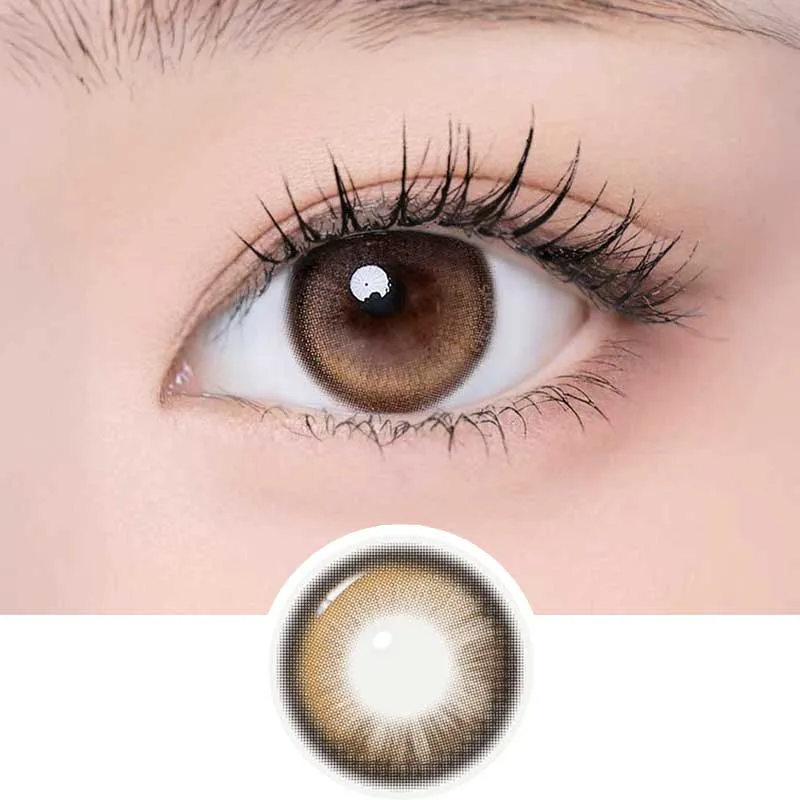
Skip the larger box if you are testing a new color, if you only wear colored lenses for occasional events, or if you have not worn the exact lens before. Colored lenses can look different on the eye than they do in product photos, and a shade that looks subtle on a swatch can read much stronger once it is on your iris. A 10-lens box lets you wear the lens in daylight, indoors, and in photos before you commit.
Also skip bulk buying if you are unsure about base curve or diameter. A lens that does not sit comfortably will not become comfortable in a larger box.
Trade-Offs at a Glance
- 10-lens box: Lower upfront spend and a smaller stash to store, but you will reorder sooner and pay more per lens in most cases. Best first purchase for a new shade, new brand, or new prescription.
- 30-lens box: Fewer reorders and a lower per-lens cost if you wear dailies often, but the full amount is committed before you know the lens suits you. Only buy after you have worn the exact lens comfortably for several full days.
- 2-lens box: The smallest possible commitment for a single event or a shade you want to try once, with the highest cost per lens. Use it as a trial, not as your regular supply.
Product Facts
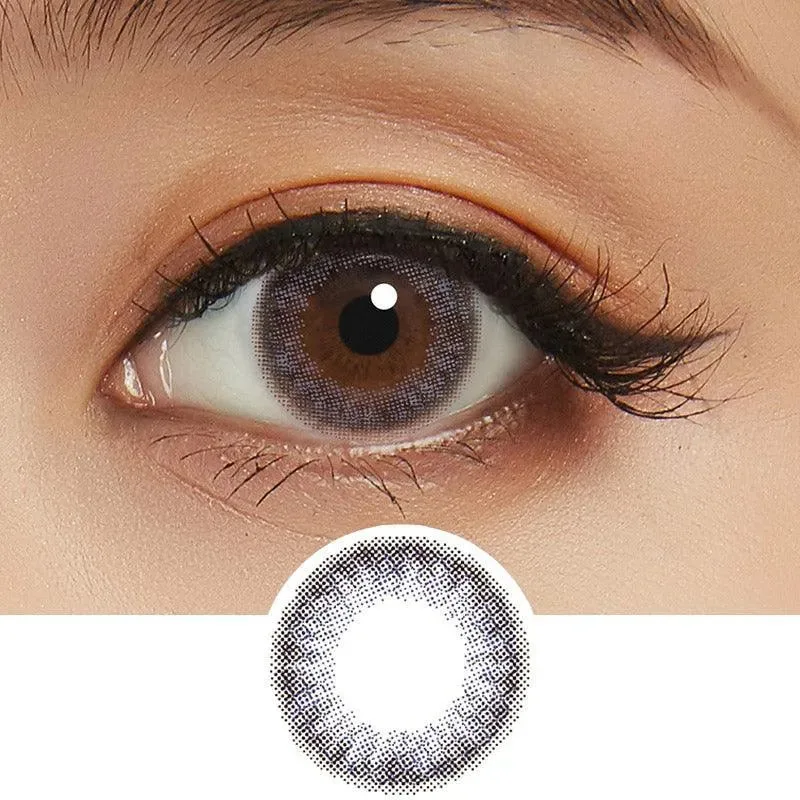
- Molak 1-Day Bubble Blue (10pk): Molak 1-Day Bubble Blue (10pk) is a 10-lens box with 55% water content and sandwich lens construction that seals the pigment between layers. A 10-lens box is the low-commitment way to test whether a muted blue-grey shade suits your natural eye color before buying a larger pack.
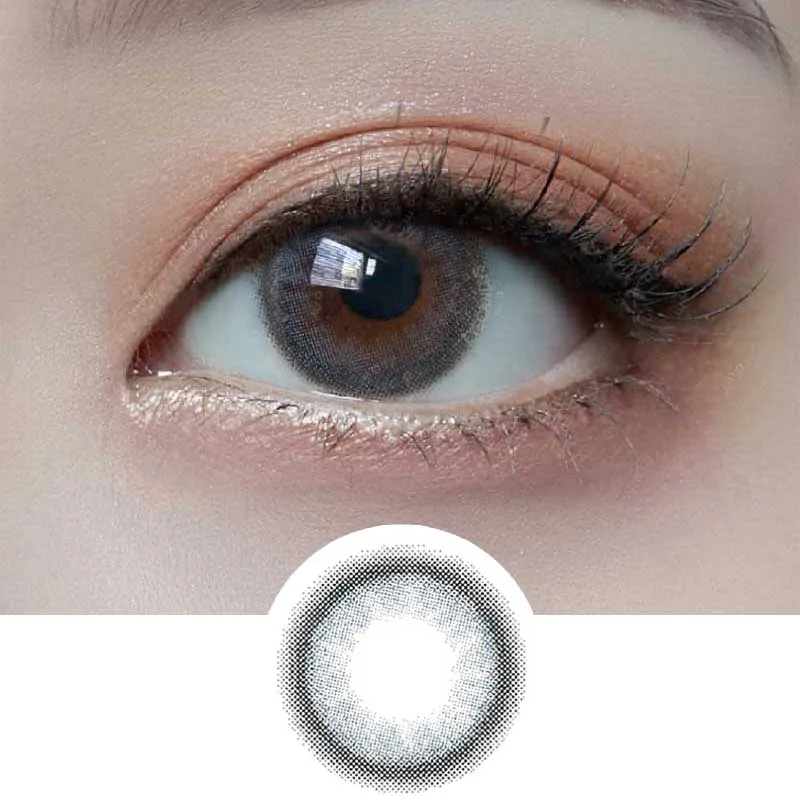
- Gemhour Demeter 1-Day 13.0 Ocean Blue (10pk): Gemhour Demeter 1-Day 13.0 Ocean Blue (10pk) is sold as a box of 10 lenses of the same power and is available in both non-prescription and myopia prescription from 0.00 to -8.00. Because the box holds one power, you need a settled prescription before ordering; the 10-lens format keeps that risk small while you test the shade.
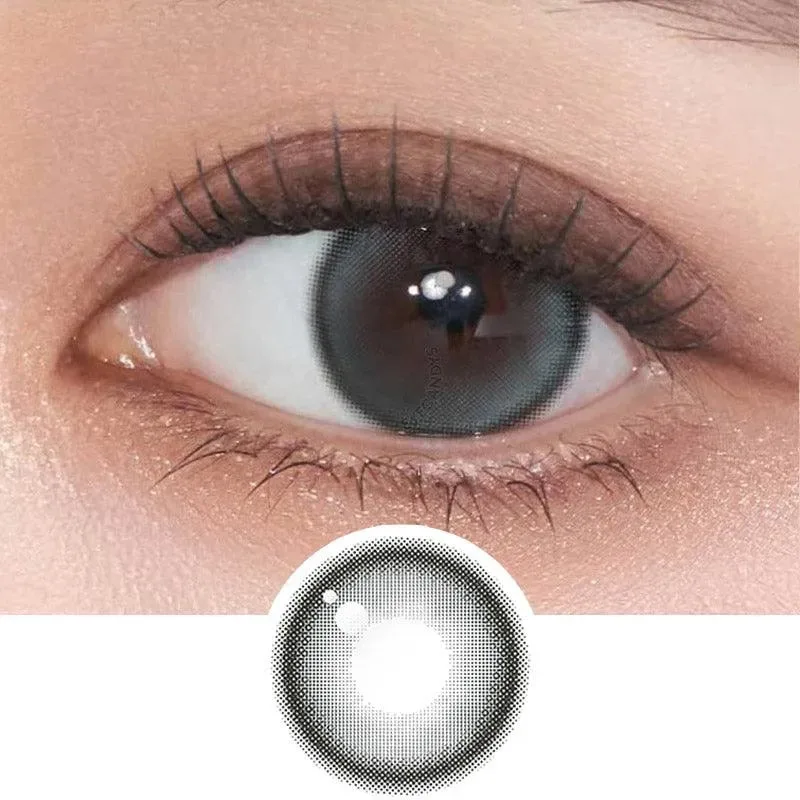
- N's Collection Coconuts Grey (10pk): N's Collection Coconuts Grey (10pk) is a 10-lens box from a PIA collaboration with Naomi Watanabe. Limited or collaboration shades are a good reason to start with a 10-lens box, since restocking a larger box later may not be possible.
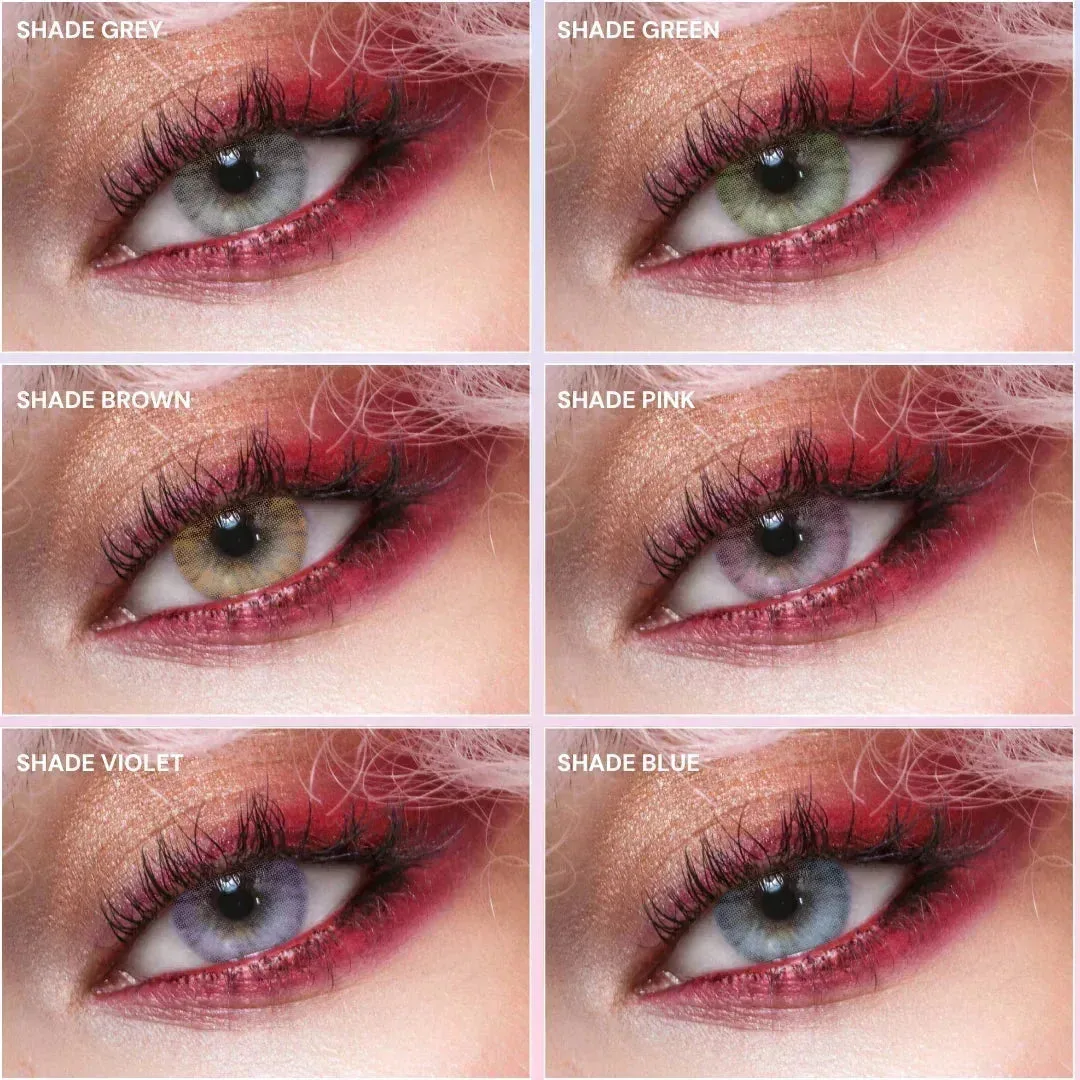
- EyeCandys Shade Color Contact Lens (1 PAIR): EyeCandys Shade Color Contact Lens (1 PAIR) is a 2-lens box designed for dark-eyed customers with strong pigmentation and a radial pattern for high-coverage color. If you only need one pair for an event, a 2-lens box is the smallest commitment and avoids buying a 10- or 30-lens box you will not finish.
Which Box Size Fits You
Best for
- First-time buyers testing a new shade or brand
- Occasional wearers who use colored lenses a few times a month
- Anyone whose prescription or base curve changed recently
- Buyers who want to try a collaboration or limited shade before it sells out
Not for
- Wearers who already know the exact lens, power, and fit and wear dailies several times a week
- Buyers who want the lowest cost per lens and are certain of their prescription
- Anyone who has not confirmed the replacement schedule and prescription on the product page