Quick answer
Choose 110 film if you want a tiny, fun camera you will actually carry and you accept more grain and higher cost per frame. Choose 35mm if you want the widest film choice, finer grain, and easier scanning and printing. For a pocketable creative color look, the Lomography Lomomatic 110 paired with Lomochrome Purple 110 is a strong match; for sharp black-and-white work, 35mm with Kodak T-Max 100 gives you more control.
How the formats differ in size and grain
110 film has a much smaller frame than 35mm, so any given film stock will show more grain and less fine detail when enlarged. That is not a flaw; it is the character of the format. If you want a lo-fi, nostalgic look straight out of the camera, 110 delivers it without cropping. If you want the sharpest possible results from a small camera, 35mm remains the practical choice.
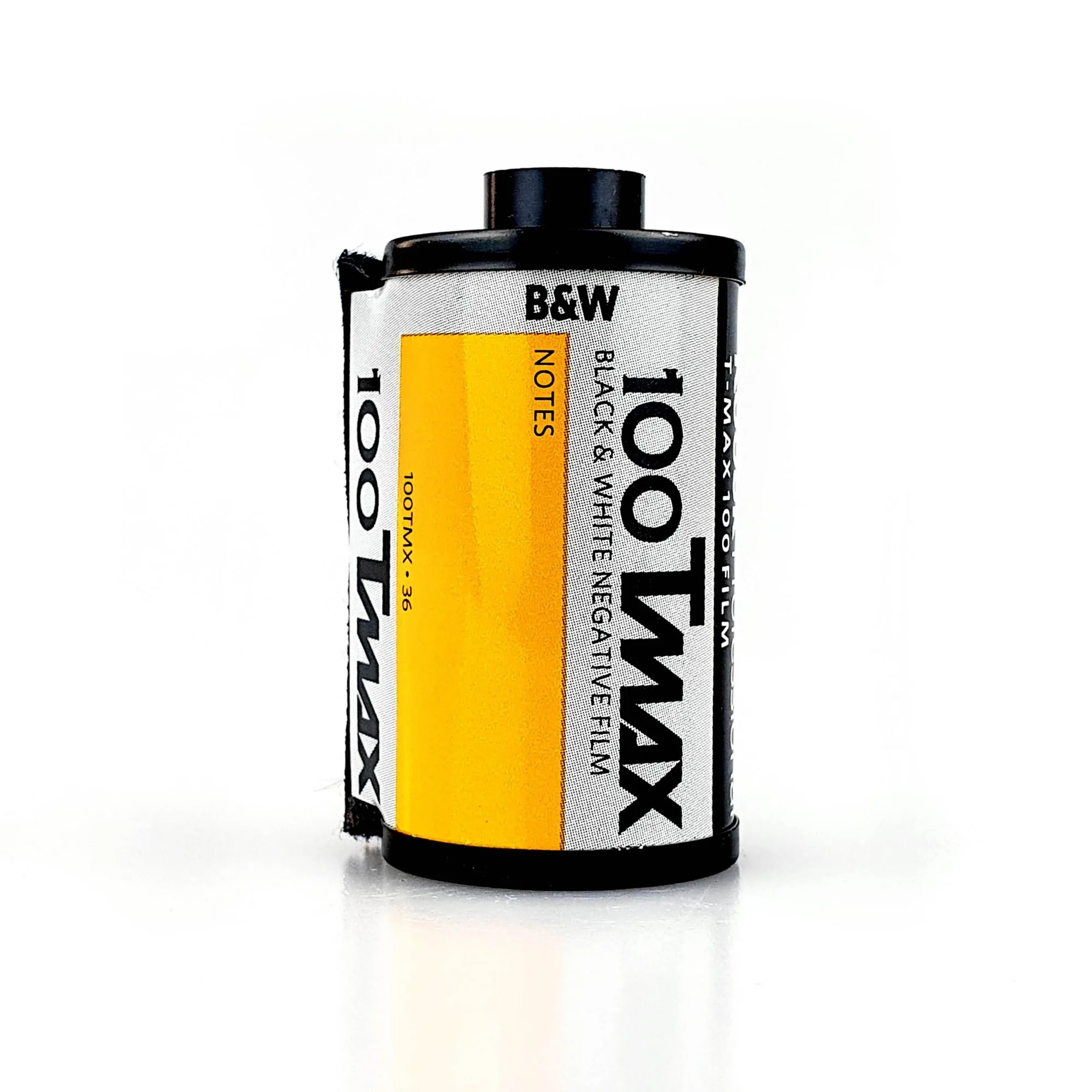
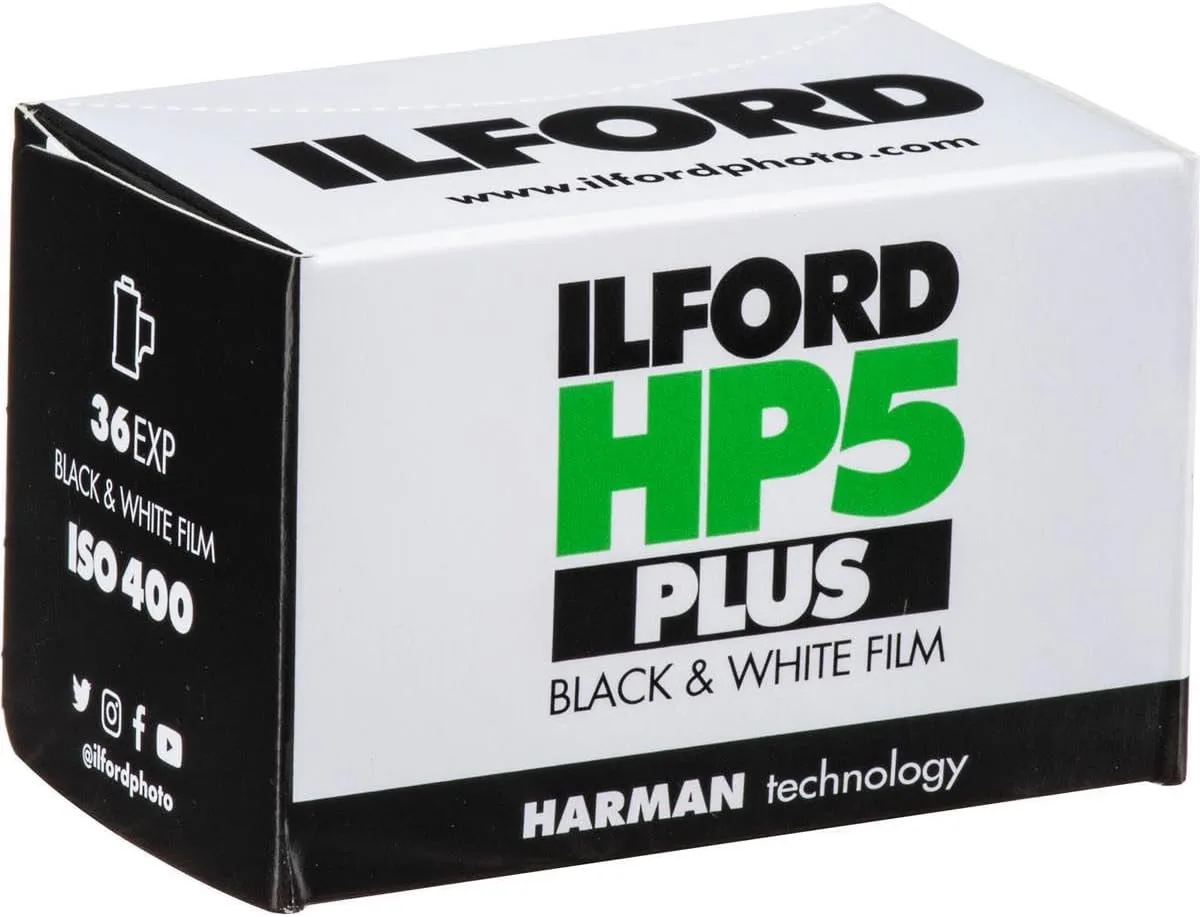
Grain quality also depends on the film stock. A fine-grain 35mm black-and-white film like Kodak T-Max 100 uses a T-GRAIN emulsion for very fine grain, high sharpness, and wide exposure latitude. In 110, you are limited to the few stocks cut for that format, so you cannot simply switch to a finer emulsion when you want more detail.
Cost per frame and real-world value
110 film often costs more per frame than 35mm because the format is niche and fewer rolls are produced. A 110 roll typically yields 24 exposures, while a standard 35mm roll gives you 36 exposures. That difference matters if you shoot often. For example, Kodak T-Max 100 35mm offers 36 exposures per roll at ISO 100, so your cost per frame is lower and you get more frames to practice with.
That said, 110 cameras are often cheaper and more portable, so the total kit cost can be lower. If you already own a 110 camera or want a camera you can slip into a pocket, the higher film cost may be worth it. If you are budget-conscious and shoot volume, 35mm gives you more frames for your money.
Scanning and printing realities
Scanning 110 film requires a holder or adapter that fits the smaller negatives. Many labs handle 110, but not all, and some charge the same as 35mm even though the frames are smaller. If you scan at home, check that your scanner or digital camera setup can hold 110 negatives flat. 35mm is the most widely supported format, so scanning and printing are simpler and often cheaper.
When you print, the smaller 110 negative means you cannot enlarge as far before grain and softness become obvious. 110 prints look best at small to medium sizes, where the format's charm shines. 35mm, especially with a fine-grain film like T-Max 100, can be enlarged much larger while keeping detail.
Camera choices and handling
The camera you choose often decides the format for you. The Lomography Lomomatic 110 Film Camera 'Golden Gate' is a pocket-sized 110 camera with a glass lens, automatic exposure, and a detachable flash. It is designed to make 110 easy and fun, with a colorful body that invites you to carry it. If you want a camera that feels like a toy but can still produce crisp snaps, this is a strong option.
For 35mm, you have hundreds of cameras from point-and-shoots to professional SLRs. That choice means you can match the camera to the job: a compact for street, an SLR for portraits, or a rangefinder for travel. The trade-off is size and complexity. A 110 camera is almost always smaller and simpler, but you give up lens selection and advanced controls.
Film stock availability and creative options
35mm wins on sheer variety. You can find ISO 100 to 3200 black-and-white, vivid color negative, slide film, and specialty stocks. Kodak T-Max 100 35mm is a popular modern black-and-white film with fine grain and wide exposure latitude, and it is also available in 400 and 3200 speeds. That range lets you shoot in bright sun or low light with the same camera.
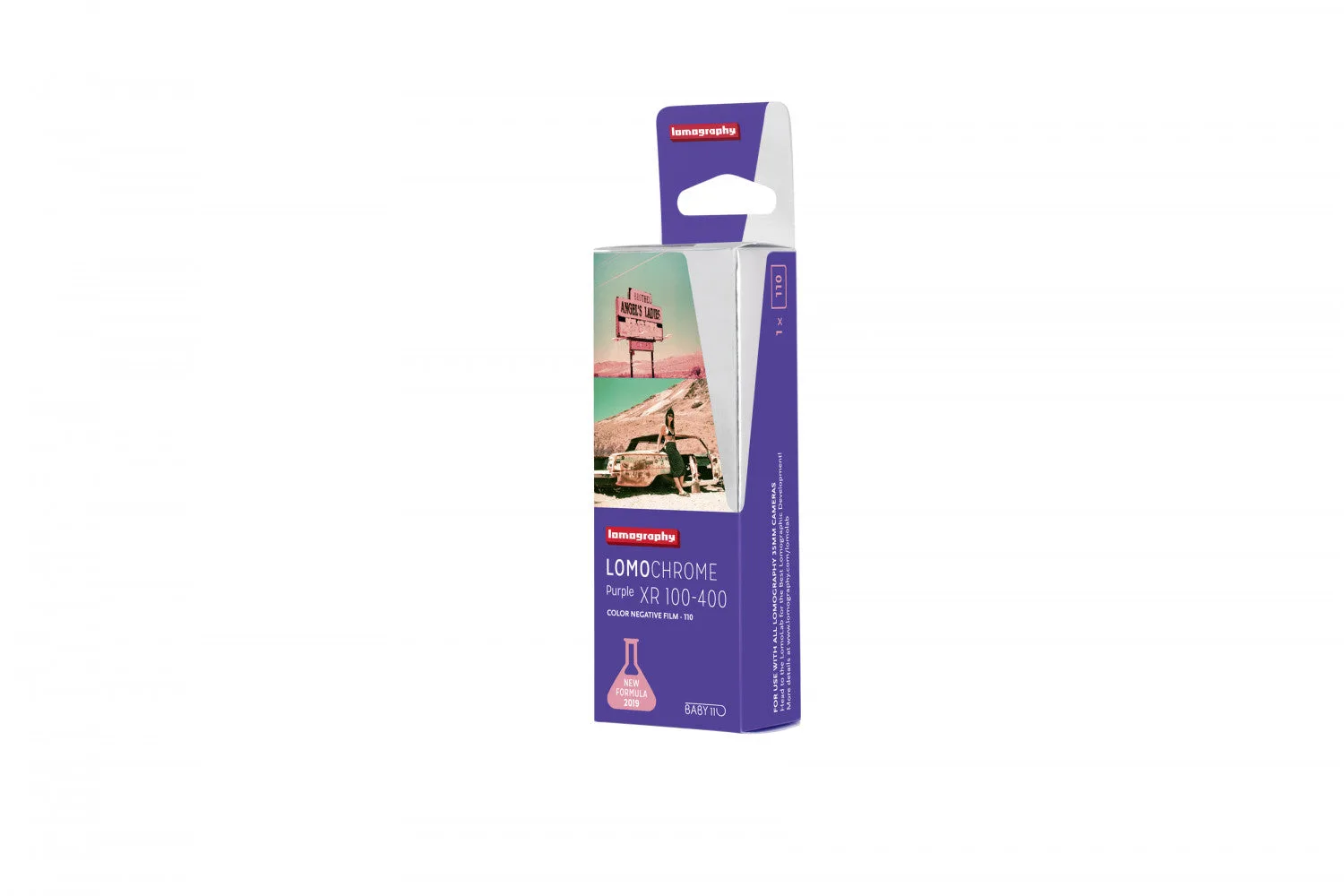
110 film is more limited, but it includes creative emulsions like Lomochrome Purple 110. This film is crafted to yield earthy reds, crisp plums, and velvety violet tones, giving you a distinctive color shift without filters. If you want that specific look, 110 is a convenient way to get it in a tiny camera. If you want to experiment across many stocks, 35mm is the better playground.
Trade-offs at a glance
- Portability vs image quality: 110 cameras are genuinely pocketable, but the smaller negative means more grain and less fine detail than 35mm. 35mm cameras are larger but can use fine-grain films like T-Max 100 for sharp results. Pick 110 if you carry a camera everywhere; pick 35mm if you print large or crop often.
- Cost per frame vs kit cost: 110 film usually costs more per frame and gives 24 exposures per roll. 35mm film like T-Max 100 gives 36 exposures per roll and often costs less per frame, but 35mm cameras can be more expensive. If you shoot a lot, 35mm is cheaper long-term. If you shoot occasionally, 110's lower camera cost may win.
- Creative look vs versatility: 110 offers unique stocks like Lomochrome Purple 110 for instant color shifts. 35mm offers hundreds of films from ISO 100 to 3200, including fine-grain black-and-white and vivid color. Choose 110 for a specific look; choose 35mm if you want to experiment across many films.
Product facts
- Lomochrome Purple 110 film: Lomochrome Purple 110 film is a color negative film that produces earthy reds, crisp plums, and velvety violet tones. If you want a distinctive color shift straight from the camera, this 110 stock delivers it without digital editing.
- Lomography Lomomatic 110 Film Camera 'Golden Gate': The Lomography Lomomatic 110 Film Camera 'Golden Gate' is a pocket-sized 110 camera with a glass lens, automatic exposure, advanced creative features, and a detachable flash. It makes 110 shooting easy and portable, so you are more likely to carry it and actually use the format.
- Kodak T-Max 100 35mm: Kodak T-Max 100 35mm is a panchromatic black-and-white negative film with a T-GRAIN emulsion, very fine grain, high sharpness, and wide exposure latitude, offering 36 exposures per roll. It shows why 35mm can deliver finer detail and more frames per roll, which matters if you print large or shoot frequently.
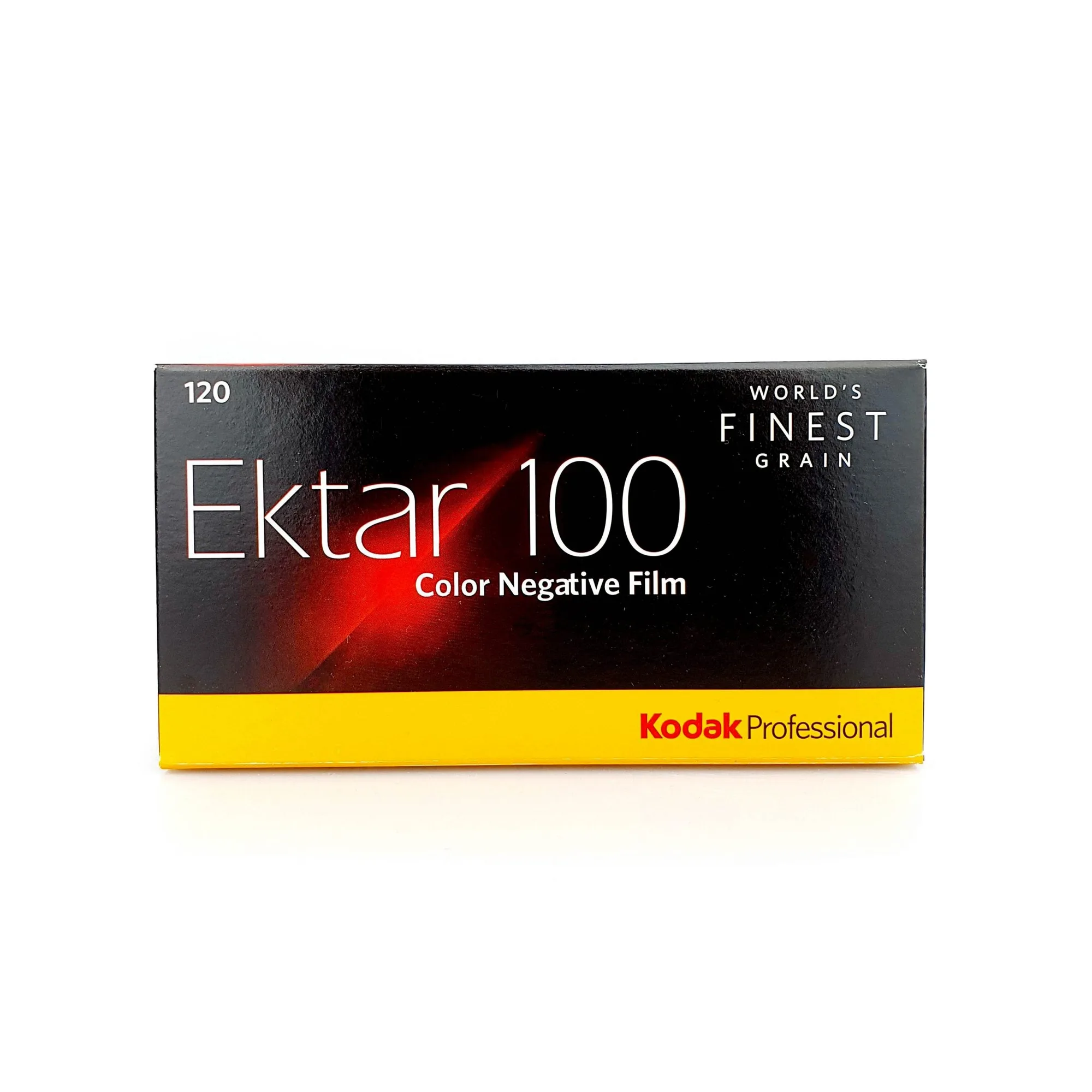
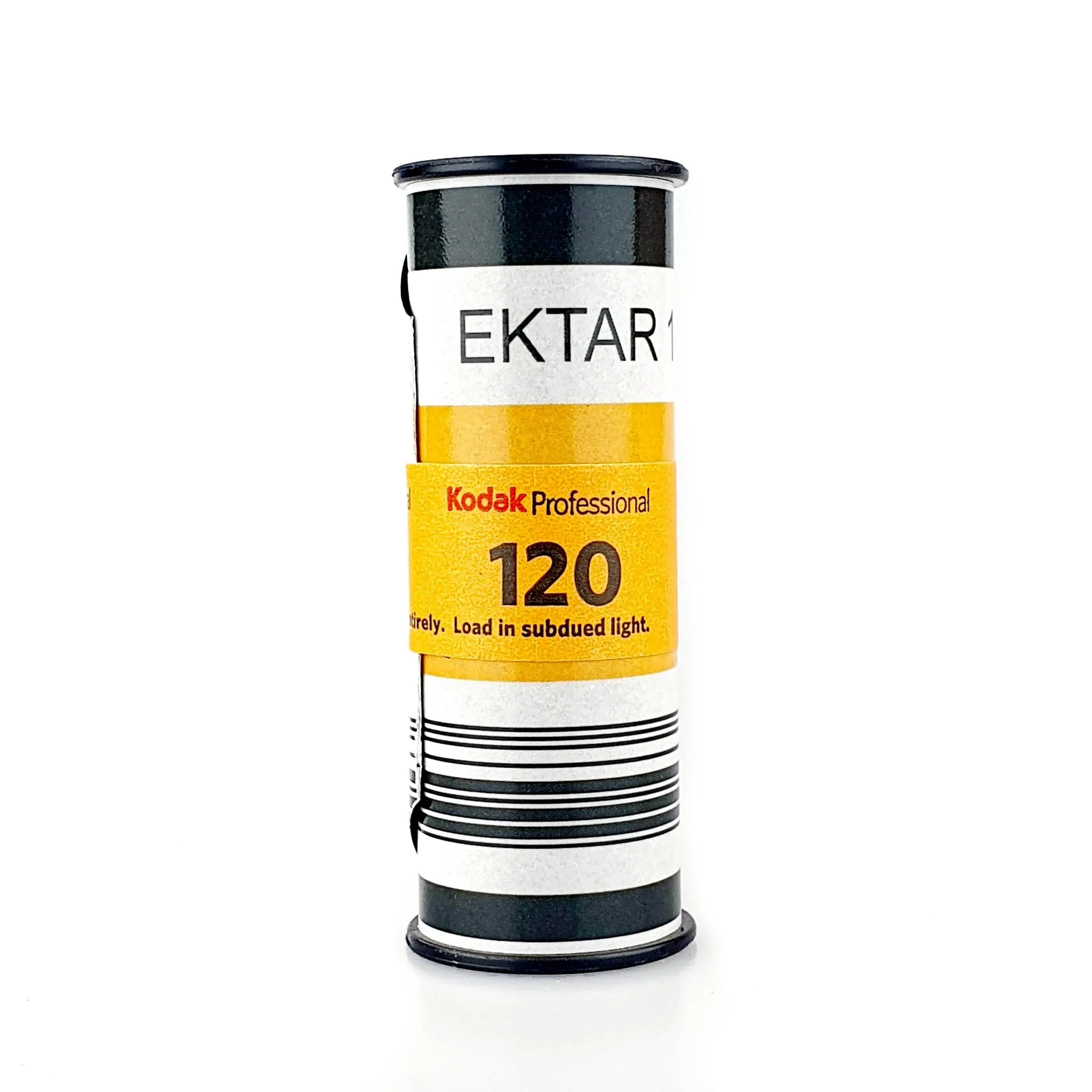
- Kodak Ektar 100 120 Film - 5 rolls Pro-Pack: Kodak Ektar 100 120 Film - 5 rolls Pro-Pack produces super fine grain and beautiful saturation, and is often praised for reproducing water, nature, and big blue skies accurately. It is a reminder that if you want maximum detail and color accuracy, medium format is another step up, though it requires a different camera.
Which format fits you?
Choose 110 if you...
- Want a camera that fits in your pocket and goes everywhere
- Love the nostalgic, grainy look and want it without editing
- Want to shoot creative color films like Lomochrome Purple 110
- Are happy with small prints or social media sharing
Choose 35mm instead if you...
- Need the sharpest detail for large prints or cropping
- Want the widest choice of film stocks, including fine-grain black-and-white
- Shoot frequently and want a lower cost per frame
- Prefer a camera system with interchangeable lenses and manual controls