Quick Answer
For most medium format shooters, start with a versatile ISO 400 black and white film like Kodak Tri-X 400 or T-Max 400, then branch out based on your lighting and grain preferences.
Film Speed and Your Shooting Conditions
The ISO of a film determines how sensitive it is to light. Higher ISO films like 400 allow you to shoot in dimmer conditions, freeze motion, or use smaller apertures for more depth of field. Lower ISO films like 125 are best for bright, controlled lighting and reward you with finer grain and sharper detail.
Your choice also affects your camera's flexibility. If you often shoot handheld in variable light, a 400-speed film gives you more latitude. If you work with a tripod or in consistent daylight, a slower film can yield cleaner enlargements.
Grain and Contrast Preferences
Black and white films differ in their grain structure and contrast. Some films have a classic, noticeable grain that adds character, while others are designed for minimal grain and maximum sharpness. Your preference for the final look should guide your selection.
Think about how you'll use the images. For portraits or fine art prints, finer grain may be preferable. For street or documentary work, a bit of grain can add texture and mood.
Decision Rules for Choosing Your 120 Film
- Assess your typical lighting: If you often shoot in low light, fast action, or need to extend flash range, choose an ISO 400 film. If you mostly shoot in bright daylight or with a tripod, a slower ISO 125 film is sufficient. Check the weather forecast before a shoot to confirm your film speed matches the light.
- Decide on grain and sharpness: For a classic, textured look, choose a traditional grain film like Tri-X 400. For minimal grain and maximum sharpness at the same speed, opt for a tabular-grain film like T-Max 400. If you are unsure, buy one roll of each and compare prints from the same subject.
- Consider exposure latitude: If you want forgiveness for metering mistakes, choose a film with wide exposure latitude like FP4 Plus, which tolerates overexposure well. This is great for beginners or when using vintage cameras. When in doubt, overexpose slightly rather than underexpose—it's easier to recover highlights.
Black and White 120 Film Options
-
Kodak Professional Tri-X 400 Black & White Negative Film (120 Roll): Kodak Professional Tri-X 400 is a high-speed panchromatic film suited for dim light, fast action, and extending flash range. Its ISO 400 speed makes it a flexible choice for handheld shooting in varied conditions, with a classic grain character.
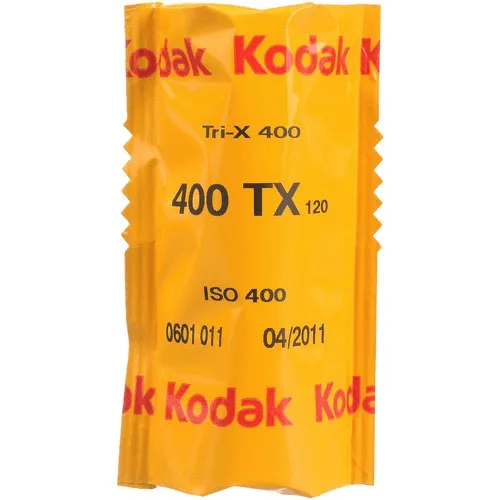
Kodak Professional Tri-X 400 Black & White Negative Film (120 Roll)
-
Kodak Professional T-Max 400 Black & White Negative Film (120 Roll): Kodak Professional T-Max 400 is a continuous-tone panchromatic film designed for maximum image quality at its speed. If you need 400-speed versatility but prefer finer grain and sharper detail, T-Max 400 delivers that balance.
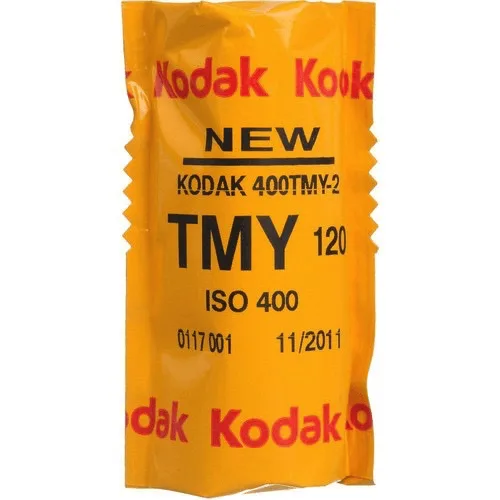
Kodak Professional T-Max 400 Black & White Negative Film (120 Roll)
-
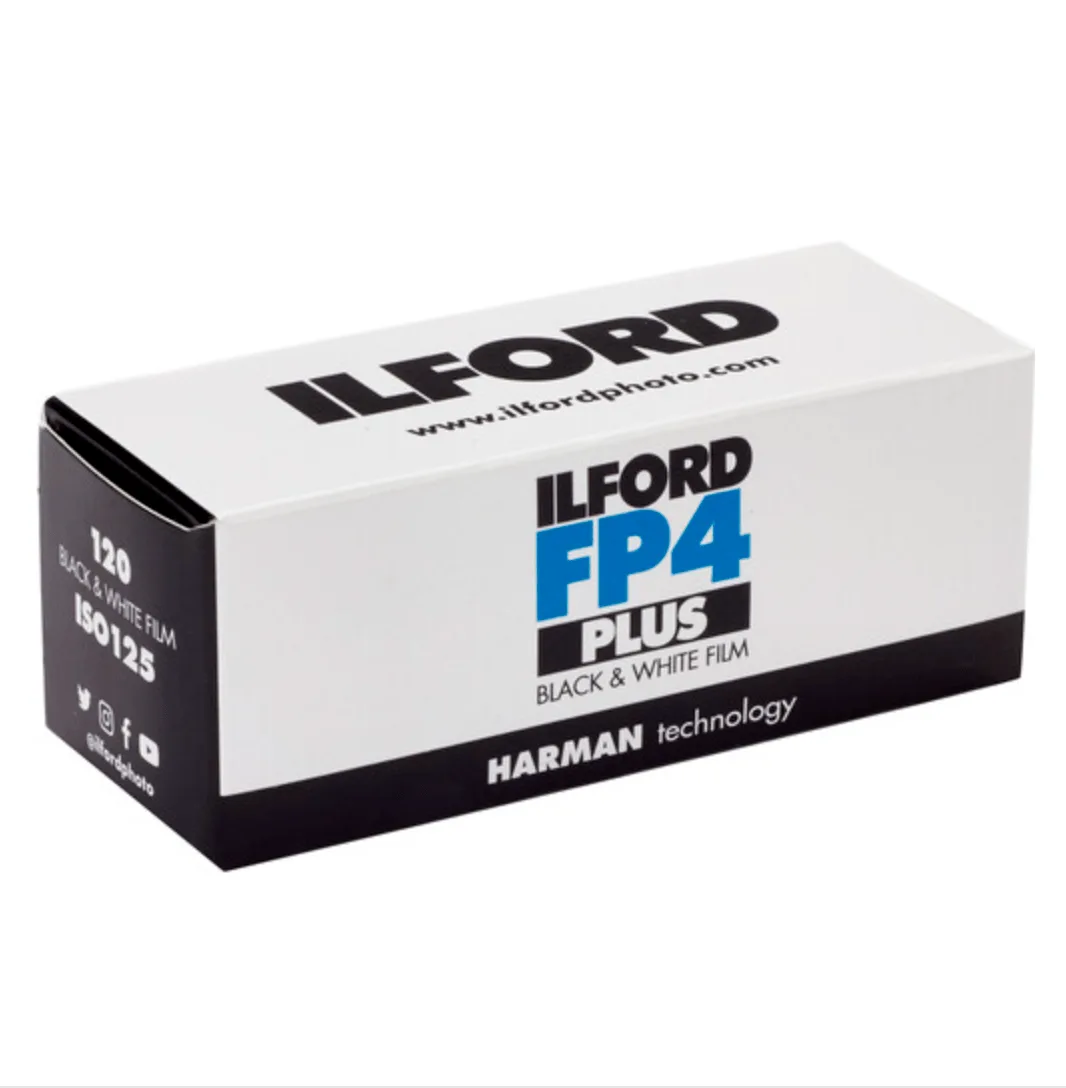
Ilford FP4 Plus Black and White Negative Film (120 Roll Film): Ilford FP4 Plus is a medium-speed film with fine grain, high acutance, and wide exposure latitude. Its ISO 125 speed and forgiving exposure make it ideal for tripod work or bright conditions when you want maximum sharpness.
Who Should Choose Which Film
Best for
- Kodak Tri-X 400: street photographers and those shooting in variable light who want a classic grain look.
- Kodak T-Max 400: photographers needing 400-speed versatility with minimal grain for larger prints.
- Ilford FP4 Plus: landscape or studio shooters using a tripod who prioritize sharpness and fine grain.
Not for
- If you need to freeze fast action in low light without flash, a slower film like FP4 Plus will not be suitable.