Quick Answer
The 14W 5600K LED studio lamp with an E27 base is ideal for close-range product photography and small video setups that need daylight-balanced continuous light. Choose it when you need an affordable, low-heat bulb that fits standard fixtures—not for lighting large scenes or distance work.
Why 5600K and CRI Matter for Your Shoot
5600K is the daylight color temperature commonly used in photography and video, so it matches window light and many camera white balance presets. This reduces color correction time and keeps skin tones natural when mixing with daylight.
The CRI of 80+ means colors are rendered reasonably accurately, but it is not the highest available. For critical color work like product catalogs or fashion, you may want a bulb with CRI 90 or above. For general content and casual video, 80+ is usually acceptable.
Brightness and Coverage Trade-offs
At 1400 lumens and roughly 50 lux at 10 feet with a 10-inch reflector, this bulb provides useful output only at close range. A single 14W bulb will struggle to light a full-body portrait or a large backdrop. You can combine multiple bulbs in a multi-socket fixture to increase overall output, but each adds cost and heat.
The E27 base is a standard screw-in size, so you can use it in many household lamps and studio fixtures. This makes it easy to build a small lighting kit, but it also means you need to check that your fixture is rated for the bulb's wattage and heat output.
Decision Rules for Choosing a 14W 5600K E27 LED Bulb
- Rule 1: Match the base and voltage: Confirm your fixture uses an E27 base and supports 120V. The Promaster bulb is compatible with 120-volt systems, so it works in standard US lamps and studio fixtures. Check your fixture's max wattage rating before installing.
- Rule 2: Match the color temperature to your scene: Use a 5600K bulb when you want daylight-balanced light that matches window light or your camera's daylight white balance. For mixed lighting with tungsten lamps, consider a 3200K bulb or use gels.
- Rule 3: Assess the brightness for your subject distance: Use the 14W bulb for subjects within a few feet (e.g., tabletop product shots, close-up video). For larger scenes or distances beyond 5-6 feet, combine multiple bulbs or choose a higher-wattage LED panel. If you need to light a full-body portrait, this bulb alone is not enough.
- Rule 4: Evaluate color accuracy needs: If your work demands precise color reproduction (e.g., product catalogs, art reproduction), look for a bulb with CRI 90 or higher. For everyday content and casual video, CRI 80+ is acceptable. Test with your camera and a color chart to see if the color is acceptable.
Product Facts
-
Promaster LED Studio Lamp 14W/5600K E27: The Promaster LED Studio Lamp 14W/5600K E27 delivers 1400 lumens with a photo luminance of PL50 and 50 lux at 10 feet using a 10-inch reflector. This tells you the bulb is best for close-range lighting; at 10 feet the light is too dim for most subjects, so position it within a few feet of your subject.
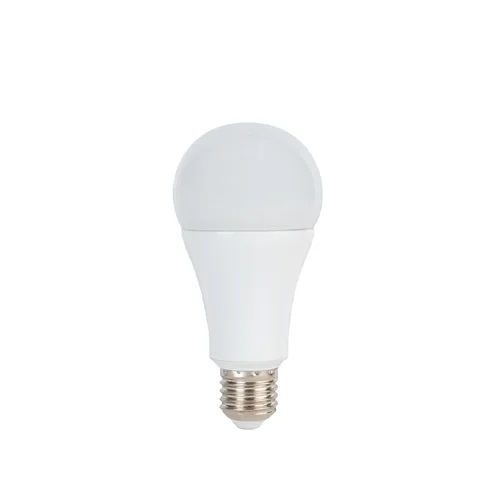
Promaster LED Studio Lamp 14W/5600K E27
-
Promaster LED Studio Lamp 14W/5600K E27: It has a daylight balanced color temperature of 5600K (+/- 250K) and a CRI of 80+. The 5600K matches daylight for easy white balance, but the 80+ CRI is not ideal for color-critical work, so plan for some color grading if accuracy is essential.
Who This Bulb Is For
Best for
- Close-range product photography on a small tabletop
- Video interviews or streaming with the subject seated within a few feet of the light
Not for
- Lighting large scenes or full-body shots that require high output
- Color-critical work that demands CRI 90 or higher