Quick answer
A #15 narrow saw blade is best for fine, curved cuts in wood, plastic, and soft metals up to about 1/8 inch thick. It excels at tight curves and model-making tasks where a wider blade cannot turn. Do not use it for thick stock, hard metals, or heavy production cutting.
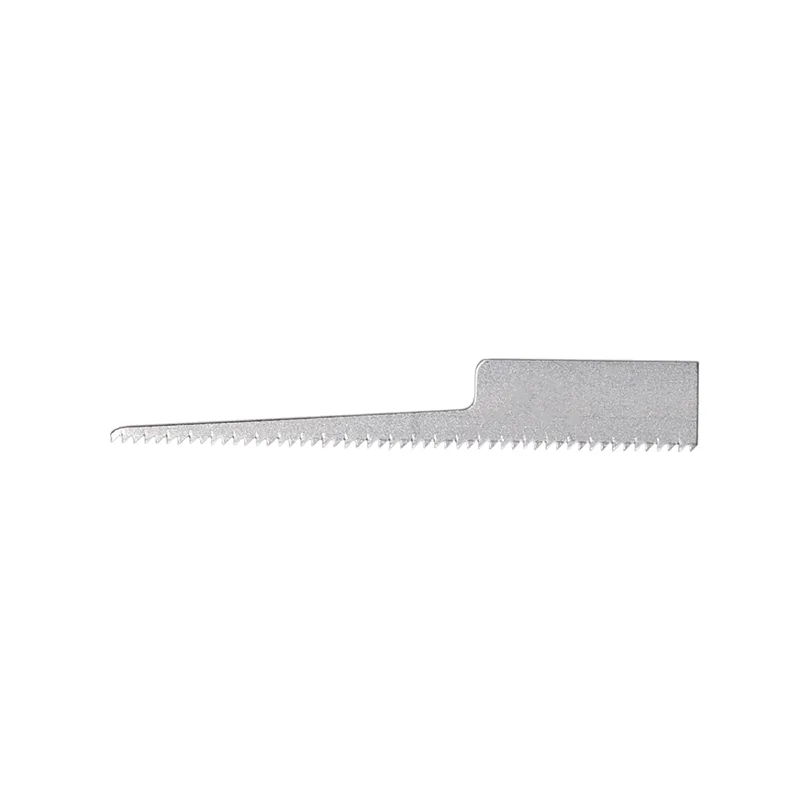
#15 narrow saw blade
A #15 narrow saw blade is not a magic wand for every cutting job. It is a specialized tool for fine, curved cuts in thin materials. If you try to force it through thick hardwood or steel, you will break blades and ruin your project.
This guide gives you realistic limits and clear decision rules so you can choose the right blade for tight curves, model making, and everyday craft cuts. You will also learn when a different blade or tool is the better choice.
What a #15 narrow saw blade actually cuts
A #15 blade has fine teeth and a narrow kerf, which lets it turn tight radii without binding. It works well on basswood, balsa, pine, plastic sheet, and soft metals like brass or copper up to about 1/8 inch thick. In model making, it is the go-to for cutting out window frames, wing ribs, and small brackets.
The narrow width means less material is removed, so you get cleaner edges with less sanding. But that same narrowness makes the blade fragile. Side pressure will snap it. Use a light touch and let the teeth do the work.
- Best materials: thin wood, plastic, soft metal, and foam board.
- Avoid: hardwoods thicker than 1/4 inch, steel, and ceramic tile.
- Use a scroll saw or jeweler's saw frame that accepts 5-inch pin-end or plain-end blades.
Realistic limits: thickness, hardness, and curve radius
Every blade has a limit. For a #15, the practical thickness limit is about 1/8 inch for wood and plastic, and 1/16 inch for soft metals. If you need to cut thicker material, step up to a wider blade or a different tool. Trying to cut thick stock with a #15 will overheat the blade and cause it to snap.
Curve radius matters too. A #15 can cut circles as small as 1/8 inch in diameter in thin wood. If your curve is tighter than that, you need a smaller blade or a different cutting method. For straight cuts longer than a few inches, a wider blade tracks better and cuts faster.
- Measure your material thickness before choosing a blade.
- Test on scrap to find the smallest curve the blade can handle.
- If the blade starts to wander, reduce feed rate or switch to a wider blade.
When to choose a #15 over other narrow blades
Choose a #15 when you need a balance of fine detail and reasonable cutting speed. It is more durable than a #2/0 or #4/0 blade, so it handles slightly thicker stock and less delicate work. But it is not as aggressive as a #7 or #9 blade, which are better for straight cuts and thicker materials.
For intricate fretwork in 1/8-inch plywood, a #15 is ideal. For cutting 1-inch pine, use a #9 or a band saw. For cutting brass shim stock, a #15 works if you go slowly and use a lubricant.
- Use #15 for general fine scrollwork and model making.
- Use smaller blades (#2/0) for extremely tight curves in thin veneer.
- Use larger blades (#7 or #9) for straight cuts and thicker stock.
Fit guidance: matching the blade to your saw and project
Not every saw accepts a #15 blade. Check your saw's manual for the blade length and end type. Most scroll saws take 5-inch plain-end or pin-end blades. If your saw uses pin-end blades, you need a #15 with pins. If it uses plain-end, you need a blade without pins.
Also consider the material you are cutting. For plastic, use a blade with skip teeth to clear chips. For wood, a standard tooth pattern works. For metal, use a finer tooth count and slow speed. The wrong blade for the material will dull quickly or break.
- Verify blade length and end type before buying.
- Match tooth pattern to material: skip tooth for plastic, standard for wood, fine for metal.
- When in doubt, buy a variety pack and test.
Alternatives when a #15 is not the right fit
If you need to cut thick wood, a #15 will not work. Choose a wider blade like a #9 or use a band saw. For straight cuts in sheet goods, a utility knife or a rotary cutter is faster. For cutting vinyl or paper, a hook weeder or a craft knife is more precise.
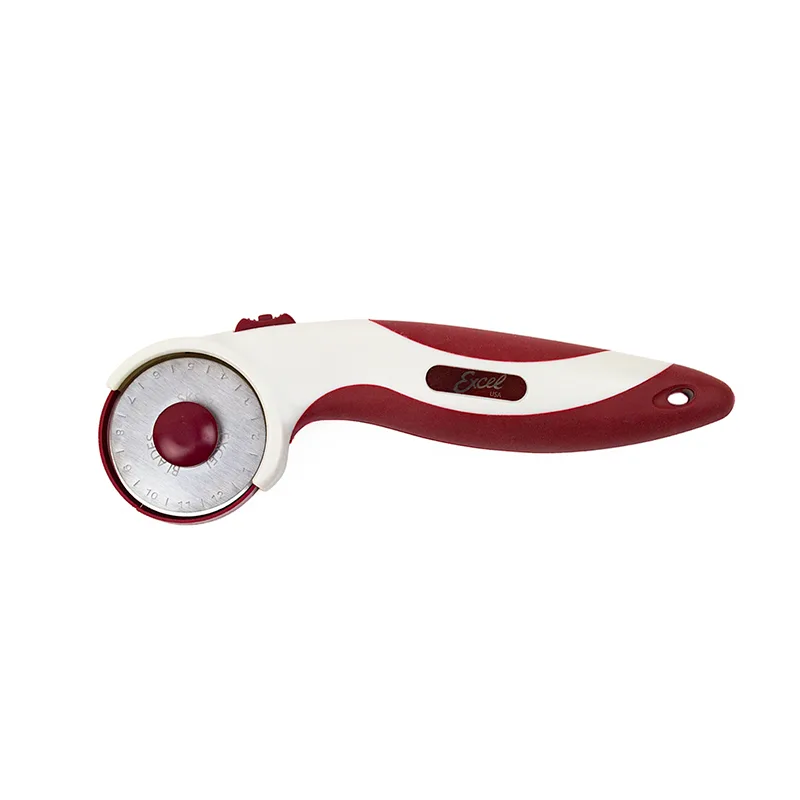
rotary cutter
For model makers who need to cut plastic and wood, a #15 is a solid choice. But if you also cut metal, consider a jeweler's saw with a #4/0 blade for finer work. And for wood burning, a pyrography pen is the right tool, not a saw blade.
- Thick wood: use a band saw or a larger scroll saw blade.
- Straight cuts in thin sheet: use a craft knife or rotary cutter.
- Metal cutting: use a jeweler's saw with a fine blade.
Decision rules for choosing a #15 narrow saw blade
- Material thickness: If your material is 1/8 inch or thinner, a #15 blade is a good choice. If it is thicker, step up to a wider blade or a different tool. Measure twice, cut once.
- Curve radius: If your curve is tighter than 1/8 inch radius, use a smaller blade like a #2/0. If it is wider, a #15 works well. Test on scrap first.
- Material hardness: For soft woods, plastic, and soft metals, a #15 is fine. For hardwoods or steel, choose a different blade or tool. Do not force the blade.
- Saw compatibility: Check that your saw accepts 5-inch plain-end or pin-end blades. Buy the correct end type for your saw. Match the blade to your saw.
Products that support these cuts
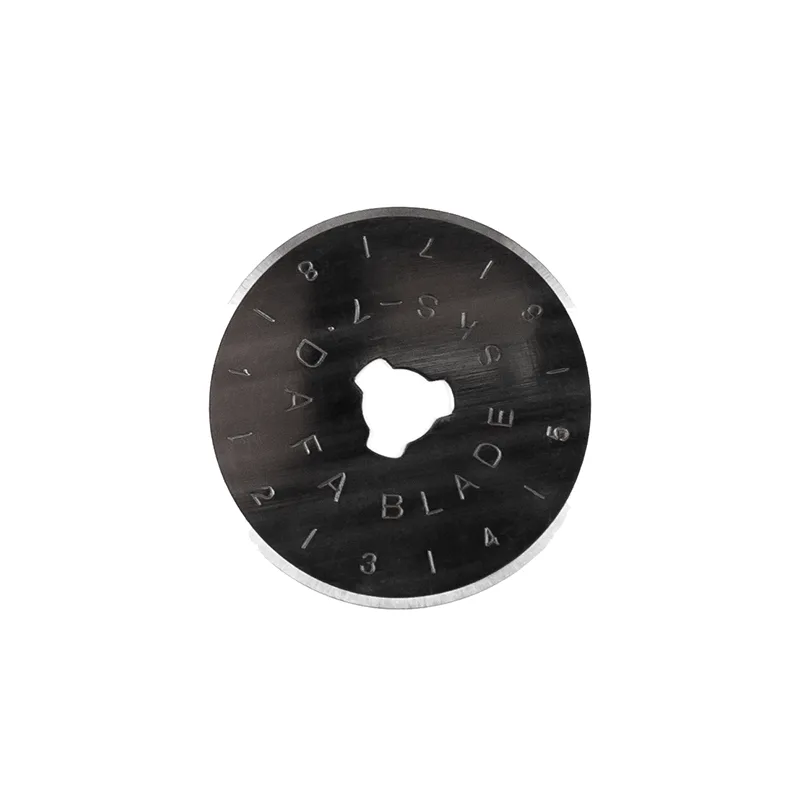
- Small Rotary Blade 20mm: Excel Blades 20mm Small Rotary Blades - 2 Pack, Carbon Steel, Olfa Compatible. Each blade features a 20mm straight cutting edge. A rotary blade is not a saw blade, but it is a better choice for straight cuts in fabric, paper, and vinyl. Use it when your project does not need curved saw cuts.
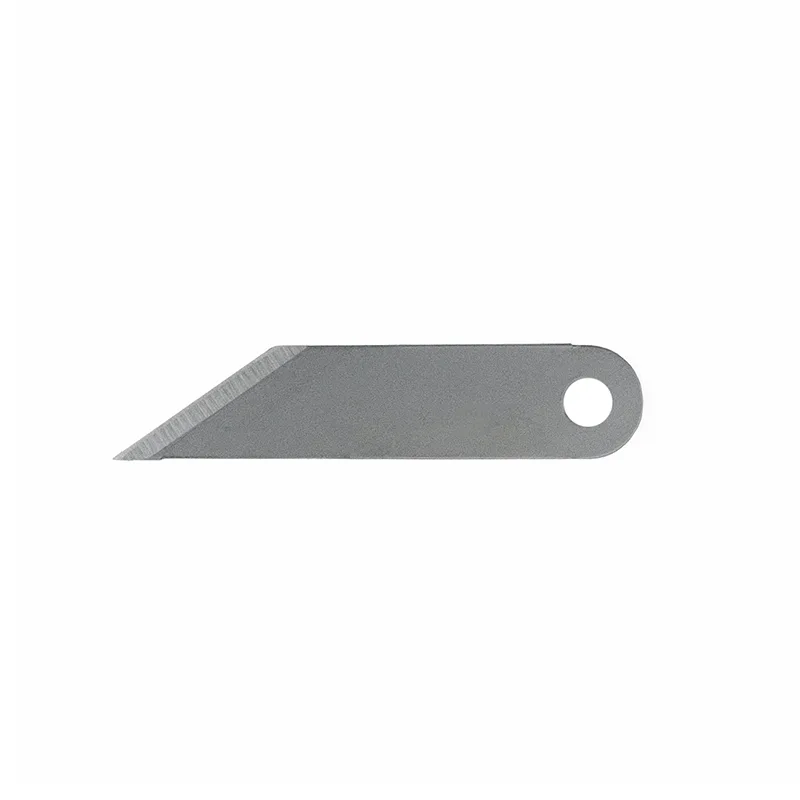
- Dexter Mat Cutter Blades: Excel Blades Dexter Blades Carbon Steel - 5 Pack & 100 Pack. Each blade is crafted from durable carbon steel. These are mat cutter blades, not saw blades. They are for cutting mat board and foam board in picture framing. If you need to cut straight lines in mat board, these are the right blades.
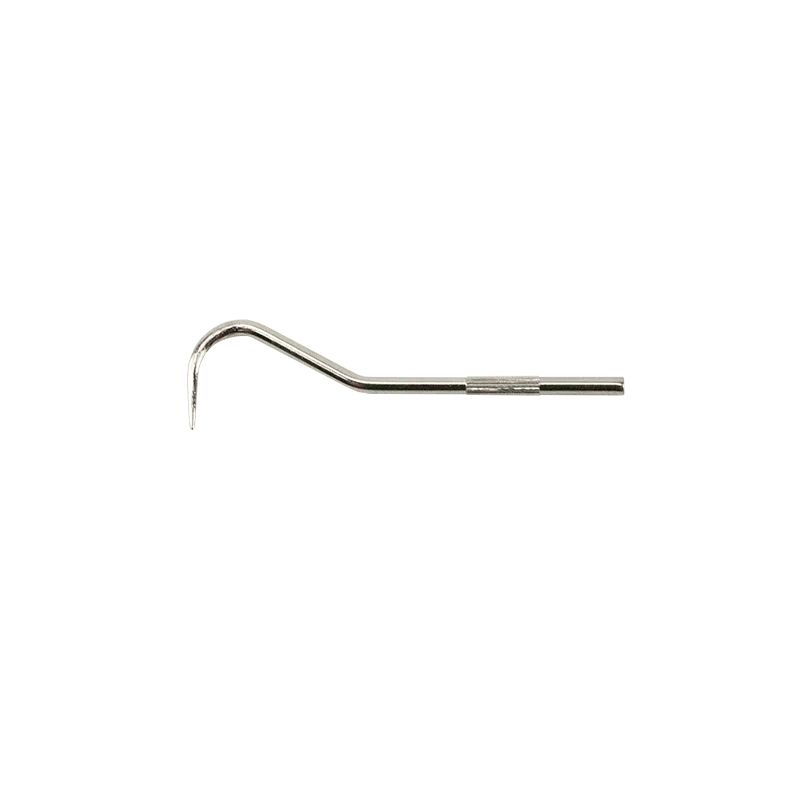
- Vinyl Weeding Tool Replacement Tip: Excel Blades - Grip On Hook Weeder Replacement Tips. Includes two replaceable .058" hook tips. Used for easily removing tiny negative and undesired pieces from vinyl, paper, card stock. A weeding tool is for removing cut pieces from vinyl, not for sawing. It complements a #15 saw blade when you are doing vinyl crafts that involve both cutting and weeding.
- Small V Triangle Carving Router: Excel Blades Router20720 Carbon steel Replacement routers. Used for shaving, plaster, linoleum, carving wood, wax and clay. Fits K2 Aluminum Knife, K5 Heavy Duty Plastic Knife, and K6 Heavy Duty Aluminum Knife. A carving router is for shaping and detailing, not sawing. Use it after your #15 saw blade cuts to add texture or clean up edges in wood, wax, or clay.
Is a #15 narrow saw blade right for you?
Best for
- Model makers cutting thin wood, plastic, and soft metal
- Crafters doing fine scrollwork and tight curves
- Hobbyists who need a balance of detail and durability
Not for
- Cutting thick hardwoods or steel
- Heavy production cutting
- Straight cuts in sheet goods where a knife or rotary cutter is faster
A #15 narrow saw blade is a precise tool for fine curves in thin materials. Respect its limits, match it to your saw and material, and it will serve you well. For everything else, choose the right blade for the job.