Quick answer
24-pocket pages hold more cards per page, but 18-pocket pages are the safer default for most binders because they fit standard ring-binder spines and keep cards closer to the rings for less flex. If you already own a wide-spine binder and want maximum cards per page, 24-pocket pages make sense. For standard binders, Japanese-size cards, and double-sleeved decks, choose 18-pocket side-loading pages.
How page capacity actually translates to binder storage
A binder page's capacity is the number of pockets multiplied by the number of pages your binder holds. The 18-Pocket Pages Side-Loading come in bags of 10 and are designed for standard- and Japanese-sized cards, with 18 side-loading pockets per page. That means a 10-page bag stores 180 cards before you factor in double-sleeving. A 20-page binder filled with 18-pocket pages stores 360 cards, which matches the stated capacity of the Magic: The Gathering Casual 18-Pocket Album.
A 24-pocket page adds six pockets per page, so a 20-page binder would hold 480 cards if the binder spine and rings can accommodate the wider page. The trade-off is not just pocket count: wider pages need a wider binder, and the extra width can put more stress on the page edges and the binder rings if the spine is too narrow.
Binder fit: the spec most buyers overlook
The 18-Pocket Pages use an 11-hole spine, which the catalog states fits almost all standard-sized ring-binders. That universal fit is the main reason 18-pocket pages are easier to buy without measuring your binder first. If you already own a standard ring binder, 18-pocket pages are the low-risk choice.
24-pocket pages are not listed in the supplied catalog, so there is no verified spine-hole count, page dimensions, or binder compatibility to quote here. That absence matters: you cannot assume a 24-pocket page fits a standard binder just because it has more pockets. Before buying 24-pocket pages, measure your binder's ring spacing and page width, or check the product listing for an explicit hole count and page size.
Protection differences that affect card condition
Side-loading pockets keep cards from sliding out when the binder is turned upside down or carried in a bag. Both 18-pocket and 24-pocket pages are typically side-loading, but the 18-pocket format keeps each card closer to the binder spine, which reduces how much the page flexes when you flip it. Less flex means less chance of bending a card near the rings.
The Zip-Up Album 18-Pocket shows how a dedicated 18-pocket system protects cards: soft microfiber lining inside the album, reinforced rigid covers, and a Nexofyber surface. If you use loose 18-pocket pages in a ring binder, you get the pocket protection but not the rigid cover, so the binder itself still needs to be stored flat and not overfilled. Overfilling any binder page, 18-pocket or 24-pocket, is the fastest way to damage cards regardless of pocket count.
Double-sleeving and Japanese-size cards
The 18-Pocket Pages Side-Loading are stated to protect even double-sleeved cards, and they fit standard- and Japanese-sized cards. That makes them a practical choice for TCG players who double-sleeve Japanese-size cards and still want binder storage. Because the pockets are side-loading, double-sleeved cards slide in without catching on a top edge.
If you are comparing 18-pocket vs 24-pocket pages for double-sleeved cards, remember that thicker cards reduce how many fit comfortably per pocket. A 24-pocket page may hold the same number of double-sleeved cards as an 18-pocket page if the pockets are tighter, so the capacity advantage is not guaranteed. Check the pocket dimensions before assuming 24 pockets always means more usable storage.
Trade-offs: 18-pocket vs 24-pocket pages
- Cards per page: 24-pocket pages hold six more cards per page than 18-pocket pages, but only if the binder spine and page width support the wider format. Choose 24-pocket only when your binder is explicitly wide enough; otherwise the extra pockets go unused.
- Binder compatibility: 18-pocket pages use an 11-hole spine that fits almost all standard ring-binders. No verified spine spec is supplied for 24-pocket pages. Without a listed hole count, 18-pocket pages are the safer buy for an existing binder.
- Card protection and flex: 18-pocket pages keep cards closer to the spine, reducing page flex and ring-area bending. Wider 24-pocket pages flex more if the binder is overfilled. For high-value cards, prioritize fit and rigid storage over maximum pocket count.
- Double-sleeved capacity: The 18-Pocket Pages Side-Loading are stated to hold double-sleeved cards. Thicker double-sleeved cards can reduce usable capacity in any page format. Test one page with your actual sleeves before buying a full set of either format.
Products that match this comparison
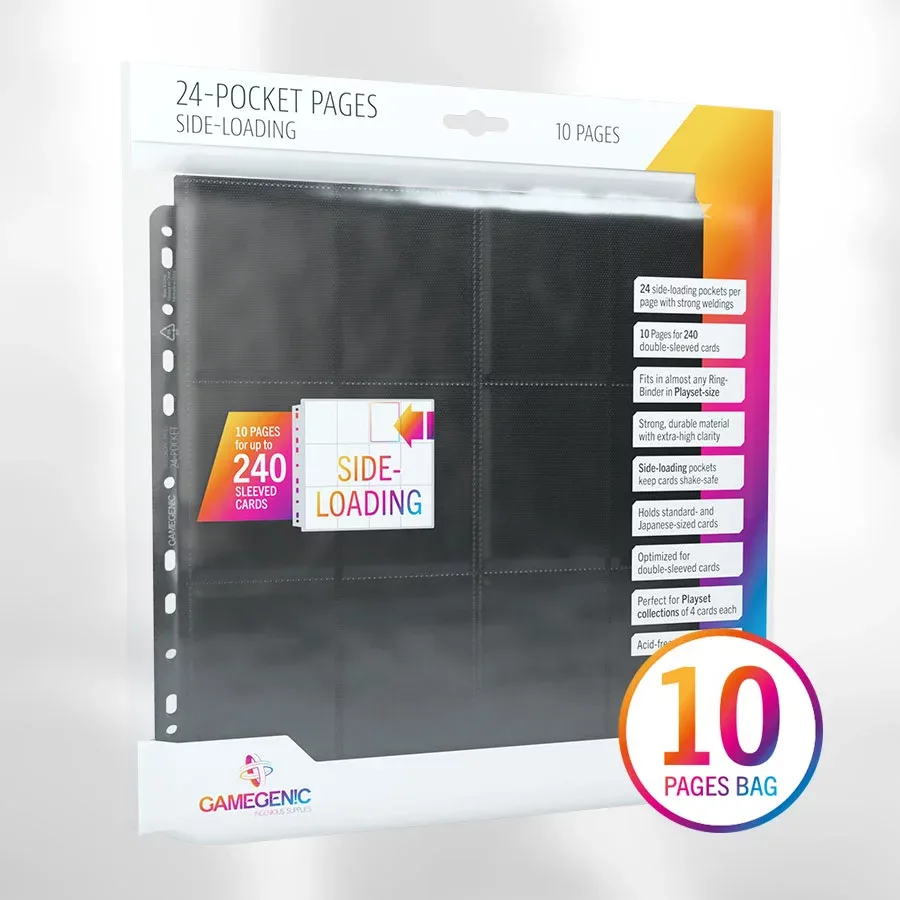
- 18-POCKET PAGES SIDE-LOADING (10 pages bag): 18 side-loading pockets per page, fits standard- and Japanese-sized cards, 11-hole spine for almost all standard ring-binders, sold in bags of 10 pages. This is the safe, universal 18-pocket option: it fits common binders and protects double-sleeved cards without measuring your spine first.
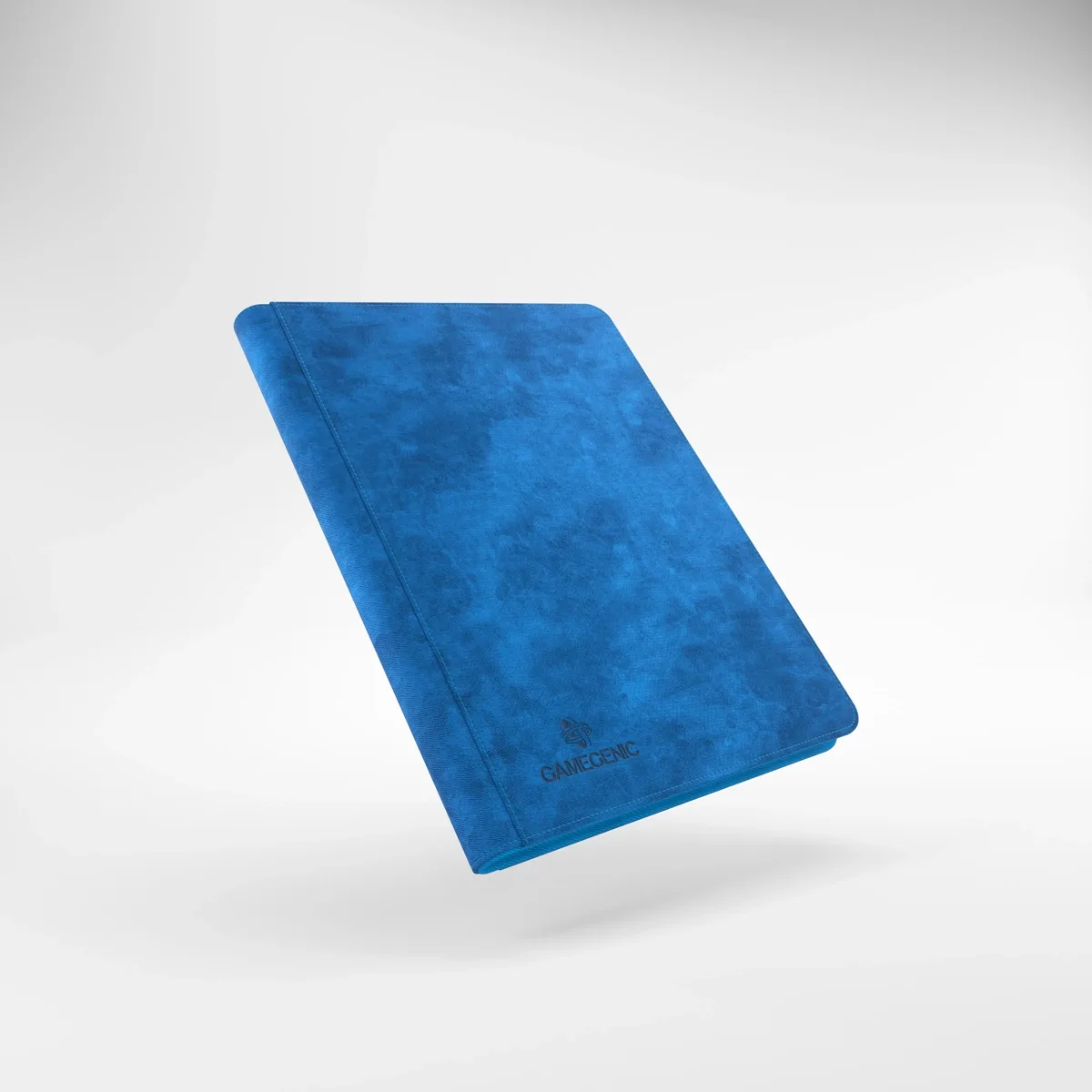
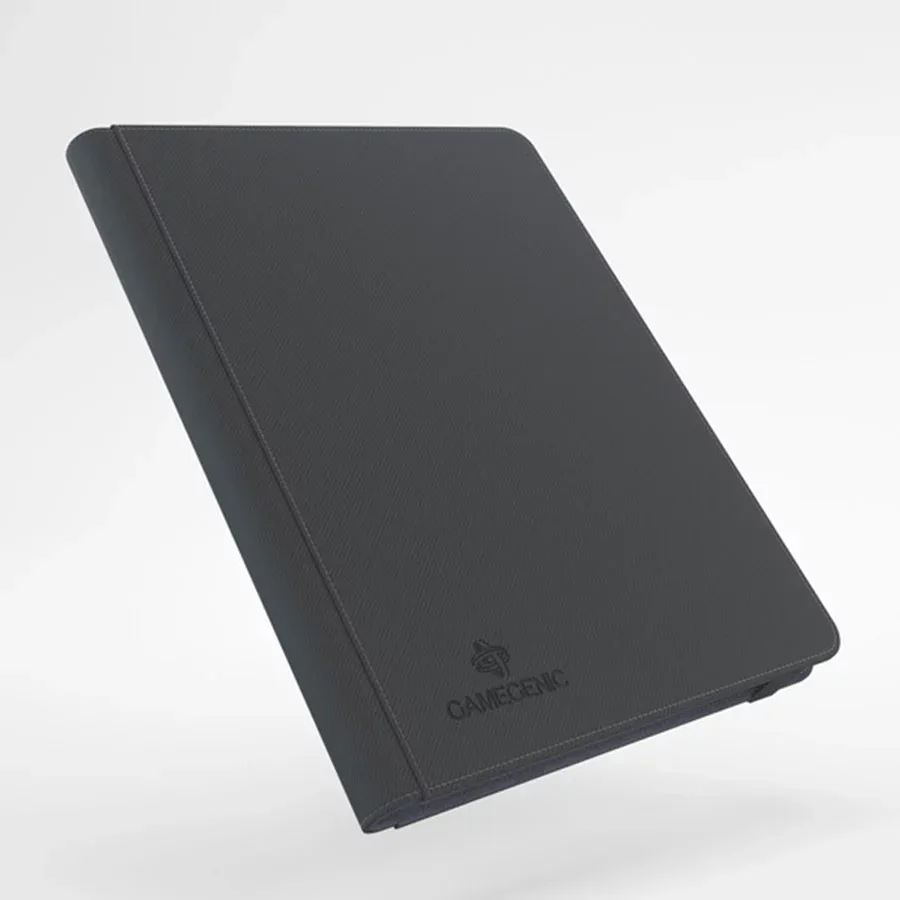
- ZIP-UP ALBUM18-POCKET: Holds 20 pages with 18 pockets each, for a total capacity of 360 cards, with microfiber lining and reinforced rigid covers. If you want a complete 18-pocket storage system rather than loose pages, this album shows the capacity and protection you get when pages and cover are designed together.
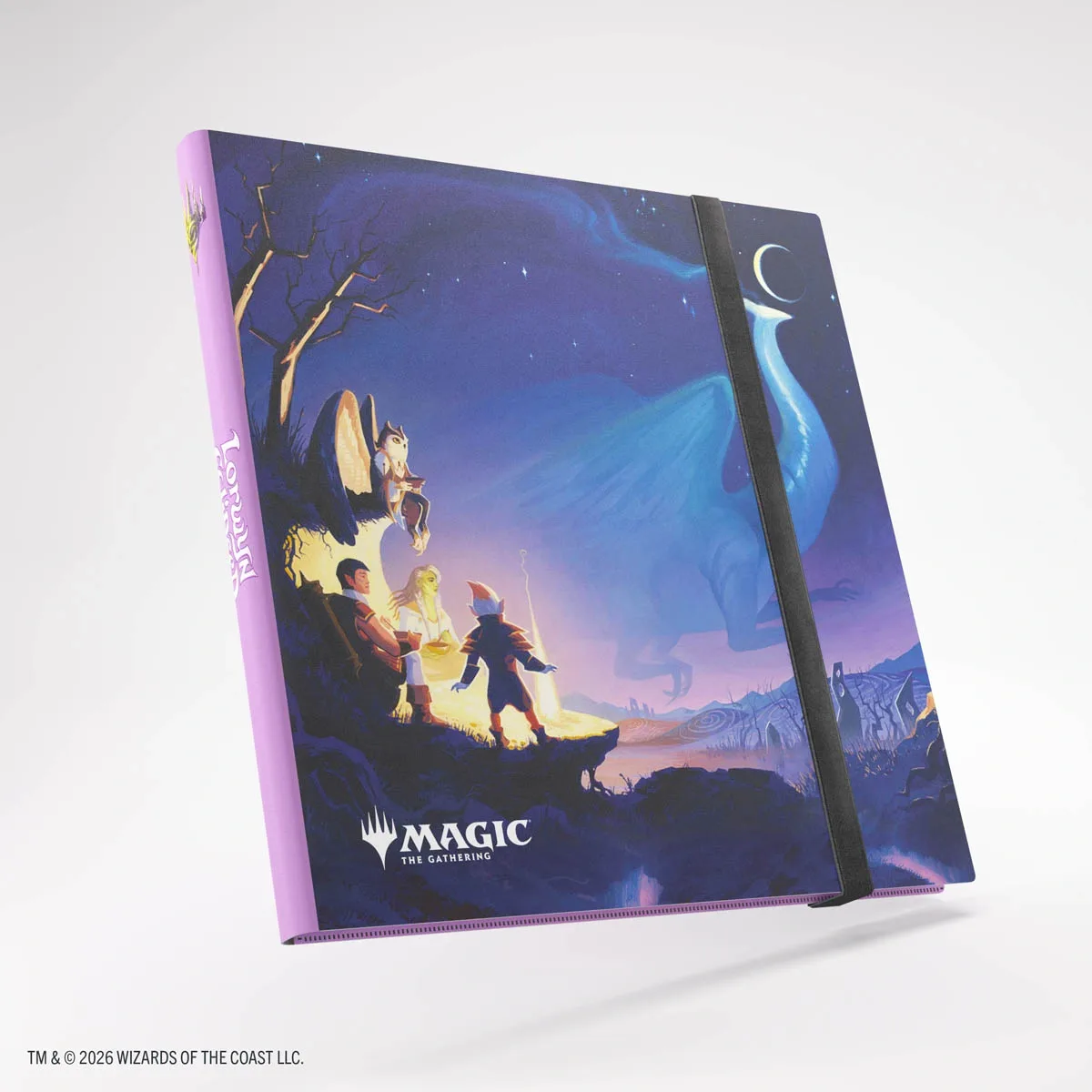
- Magic: The GatheringCASUAL ALBUM18-POCKET: Officially licensed 18-pocket album with 20 pages, 18 side-loading pockets per page, 360-card capacity, black pages, and an extra-wide elastic strap. A licensed 18-pocket album is a ready-made alternative if you prefer a themed cover and a strap closure over buying pages separately.
Which binder pages should you buy?
Best for
- Collectors using a standard ring binder who want pages that fit without measuring
- Players storing Japanese-size or double-sleeved cards in side-loading pockets
- Buyers who want a complete 18-pocket album system with rigid covers and microfiber lining
Not for
- Collectors with a verified wide-spine binder who need maximum cards per page and have confirmed 24-pocket compatibility
- Buyers who want a single themed album with a strap closure instead of loose pages