Quick answer
A 1A USB charging cable is best for low-power devices like older e-readers, basic cameras, and small Bluetooth accessories that don't support or need faster charging.
Why not all cables deliver the same current
USB cables are rated for different current capacities. A 1A (1 amp) cable is designed to safely carry up to 1 amp of current. If you plug it into a device that draws more—like a modern smartphone or tablet—the cable may become a bottleneck, leading to slower charging or, in rare cases, overheating. Understanding this limit helps you choose the right cable for each device.
Where a 1A cable still makes sense
Many older devices were designed when 1A was the standard. E-readers like the Tolino Shine, basic digital cameras, and some GPS units charge perfectly at 1A. For these, a 1A cable is sufficient and often more affordable. It also works as a data cable for syncing photos or files, since data transfer doesn't depend on charging current.
Decision rules for choosing a 1A USB charging cable
- Check your device's charging spec: Look at the original charger or manual for the rated input current. If it says 1A or less, a 1A cable is fine. If it says 2A or more, consider a higher-rated cable.
- Consider cable length and build: Longer cables (over 1 meter) can introduce voltage drop. For 1A cables, a 1-meter length like the one from Subtel is a safe choice—short enough to maintain performance, long enough for most desk or bedside setups.
- Use for data sync, not fast charging: A 1A cable works well for transferring photos or files from a camera or e-reader to a computer. But if you need to top up a smartphone quickly, choose a cable rated for 2.4A or higher. For daily phone charging, skip 1A cables and go for a higher-amp option.
Product facts at a glance
-
USB Kabel voor cameras, mobiele telefoons, smartwatches, tablets, luidsprekers of koptelefoons - 1m Oplaadkabel 1A Laad Snoer PVC Datakabel zwart: USB datakabels voor Tolino Shine, Shine 2, Tab 7 tablets bestel je bij Subtel.nl - Vandaag besteld, snel geleverd. Drie jaar garantie. This 1A USB cable is a reliable match for older e-readers and tablets that don't support fast charging, and the three-year warranty adds peace of mind.
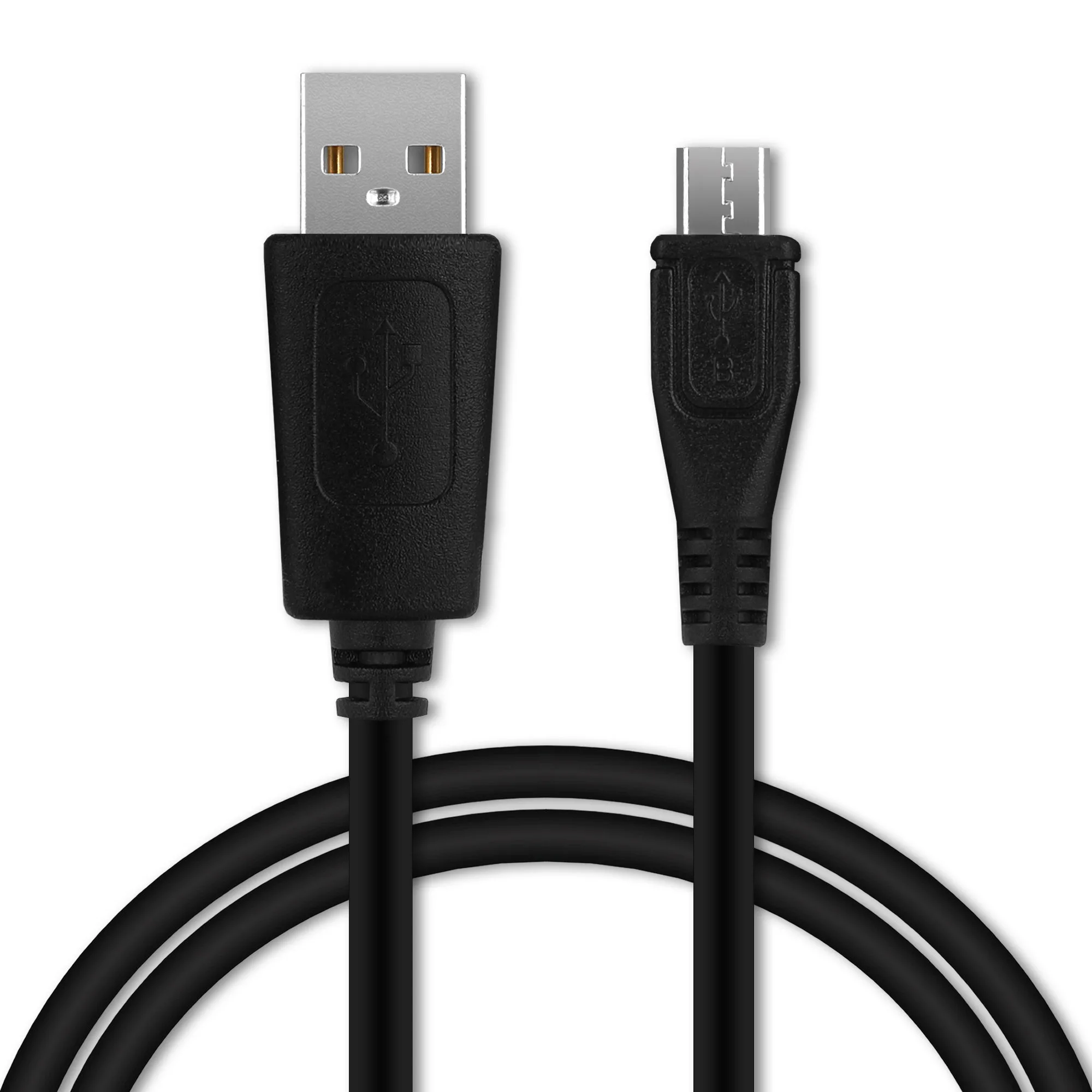
USB Kabel voor cameras, mobiele telefoons, smartwatches, tablets, luidsprekers of koptelefoons - 1m Oplaadkabel 1A Laad Snoer PVC Datakabel zwart
Who should buy a 1A USB charging cable?
Best for
- Owners of older e-readers like Tolino Shine or basic tablets that charge at 1A
- Users who need a spare or replacement cable for a digital camera or GPS device
Not for
- Anyone who wants to fast-charge a modern smartphone or tablet
- Users with devices that specify 2A or higher charging current