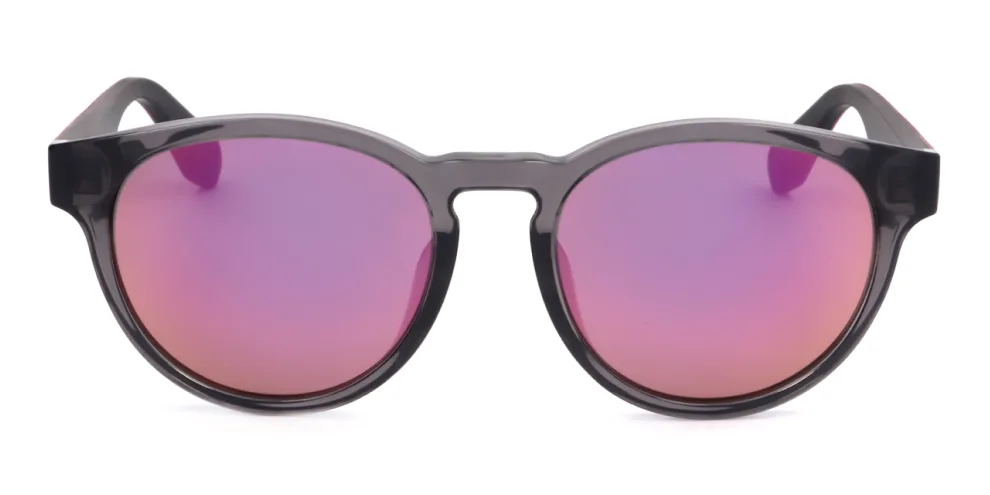
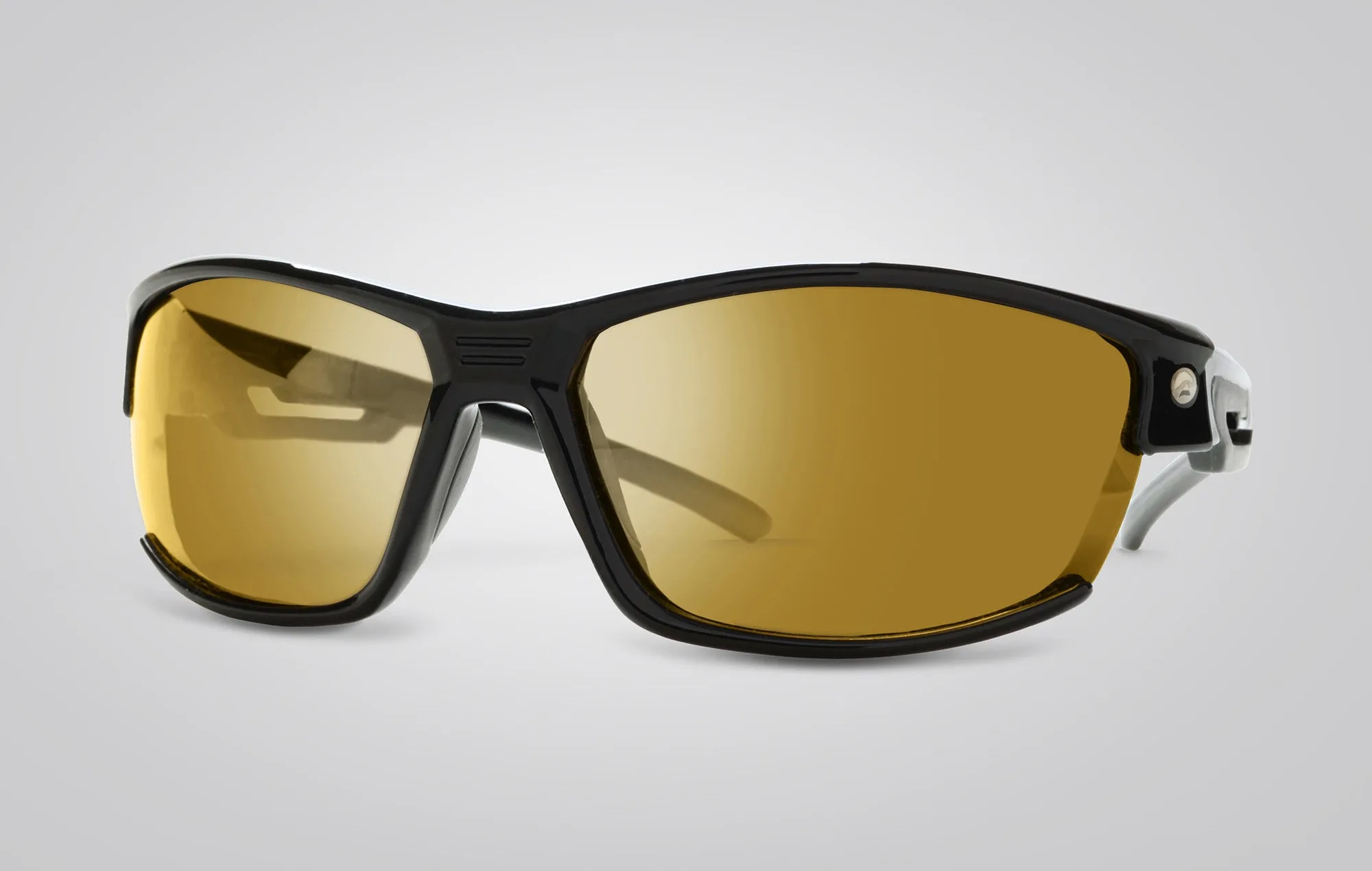
The 4in1 Classic is a system, not a single pair
The 4in1 Classic is built around a lightweight frame and multiple lens technologies that are meant to take you from sun to screen to low light to night. That makes it a convertible sunglass system rather than one fixed tint. The practical skill is knowing which mode belongs to which part of your day—and being honest about what the supplied product information does and does not tell you about switching.
This guide walks through the four use cases the listing describes, the frame setup that makes the system work, and the checkpoints worth confirming before you rely on it for a long day or an all-nighter.
What the 4in1 Classic listing confirms
-
4in1 Classic: Lightweight frame with multiple lens technologies designed to move from sun to screen to low light to night. This is the core promise of the 4in1 system—one frame paired with different lens options for different lighting.
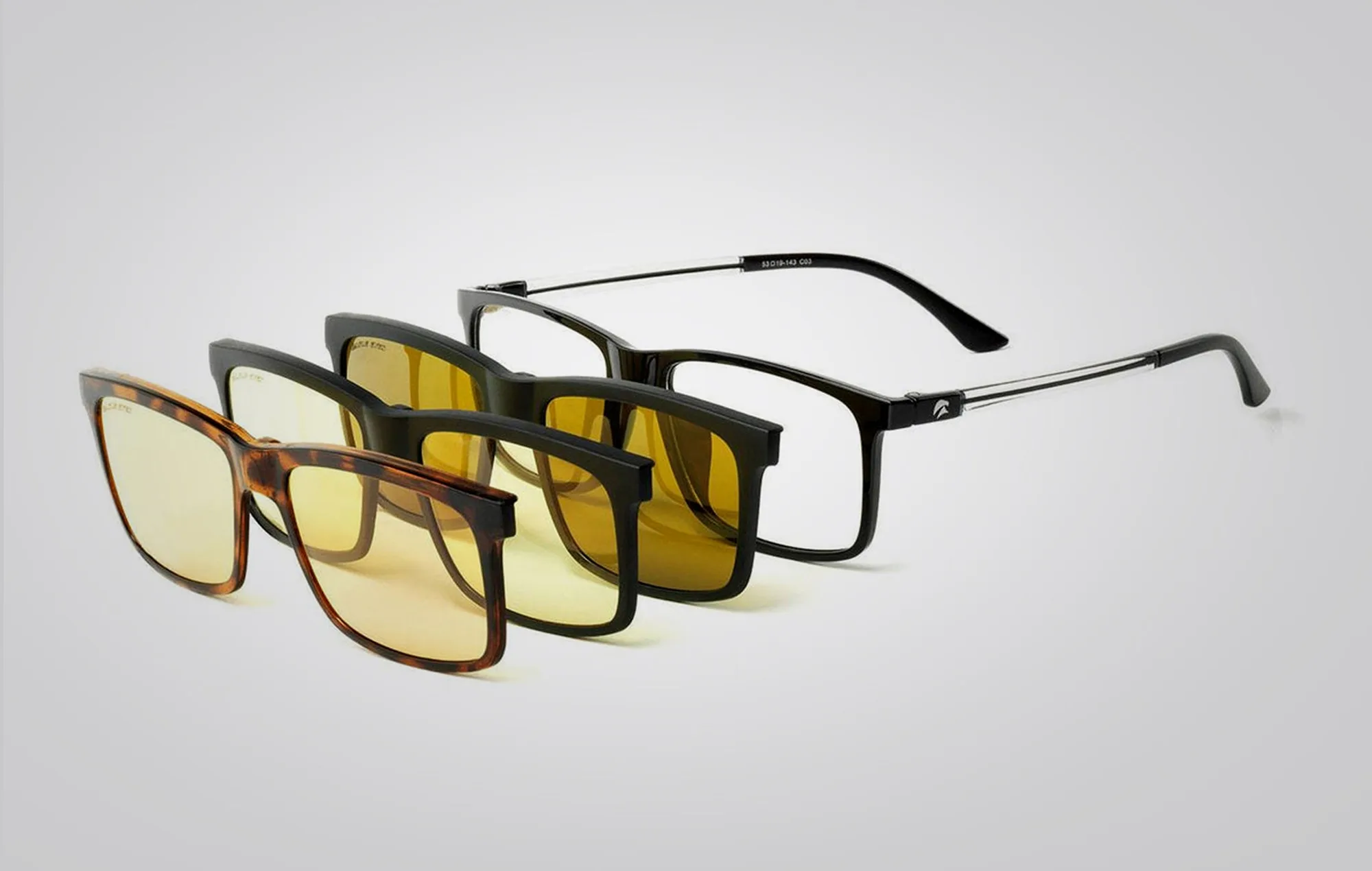
4in1 Classic
-
4in1 Classic: Available in Black (frame color/lens color). The only variant listed is Black, so color choice is straightforward when ordering.
-
4in1 Classic: Catalog price is USD 86.36, with a comparison price of USD 119.95. Useful context if you are weighing the system against buying separate pairs for each lighting condition.
How to match each mode to your day
The listing names four lighting situations but does not provide a step-by-step switching procedure. Use these as decision checkpoints, not as manufacturer instructions.
- Sun: outdoor daylight: Use the sun-oriented lens technology when you are outside in bright conditions, such as a day at the beach. The listing explicitly includes beach use as a scenario for the system.
- Screen: long office days: The system is described for a long day in the office, which points to a screen-oriented lens option. If your day is mostly monitors, start there rather than defaulting to the sun lens.
- Low light: transitional indoor-outdoor: The listing includes low light as one of the four stops. This is the mode to reach for when conditions are dimmer than full daylight but not fully dark.
- Night: all-nighters and evening use: The listing explicitly mentions pulling an all-nighter as a use case. Treat the night mode as the final stop in the sun-to-screen-to-low-light-to-night sequence.
The 4in1 frame setup: what to check before you switch
The supplied record does not include lens-swapping instructions, care steps, or compatibility notes for individual lens components. That absence is a real limitation: if you need a documented procedure for removing and seating lenses, confirm it with the seller before you buy. What the listing does confirm is that the system is built around a lightweight frame and multiple lens technologies, so the frame is the constant while the lens technology changes.
A sensible pre-purchase check is to confirm that the specific lens options you need for your routine—sun, screen, low light, and night—are included in the configuration you are ordering. The listing describes the system as covering all four, but the variant evidence supplied here only names Black as the frame/lens color, not a breakdown of each lens in the box.
One 4in1 system vs separate pairs
The trade-off is convenience versus certainty. A convertible system keeps one lightweight frame on your face and changes the lens technology; separate pairs give you a dedicated fit and tint for each task but mean more frames to carry and keep track of.
- Choose the 4in1 Classic if: Your day genuinely moves through sun, screen, low light, and night, and you want one frame to cover those transitions. The listing is explicit about that span.
- Choose separate pairs if: You need documented switching steps, care instructions, or per-lens specifications before committing. Those details are not present in the supplied record, so verify them with the seller first.
Common mode mistakes to avoid
The biggest mistake is treating the 4in1 Classic as a single all-purpose tint. The listing frames it as a sequence—sun, screen, low light, night—which implies each mode has a distinct job. Wearing the sun-oriented lens for an office day or the screen lens at the beach works against the system's purpose.
The second mistake is assuming the frame alone changes modes. The listing describes multiple lens technologies, so the mode lives in the lens, not the frame. Before you order, confirm how the lenses are supplied and how they are changed; the supplied evidence does not describe that mechanism.
The third mistake is skipping the variant check. Black is the only frame/lens color listed, so if color matters to you, settle that expectation early rather than after delivery.